Office environments present a unique survival test for indoor greenery. Between fluctuating HVAC systems blasting dry air all week, fluorescent lighting arrays, and silent weekends where the building loses its usual climate consistency, plants need remarkable resilience. This is where pothos care shines, making Epipremnum aureum one of the most reliable green companions for commercial desks, reception areas, and open-plan workstations. While these trailing vines are famously forgiving, dialing in their basic maintenance prevents the leggy, yellowing decline that often catches busy office managers off guard.
Before making adjustments to your watering schedule or moving your plant across the room, understanding its natural growth habits in a managed workspace changes everything. The primary objective is balancing moisture retention with adequate indirect illumination so your trailing stems stay lush from base to tip, surviving both energetic team interactions on busy weekdays and absolute solitude over long holiday closures.
What You Need to Know
- Tolerates low light, thrives in bright indirect light.
- Let top inch of soil dry between waterings.
- Average room humidity is completely fine.
- Easy difficulty level for novice growers.
- Toxic to cats and dogs if chewed or ingested.
Light and Placement Strategies for Modern Workspaces
Lighting in a commercial office rarely mimics a sun-drenched jungle. Most workspaces rely on recessed LED troffers, linear pendant fixtures, or distant windows filtered through tinted glass and vertical blinds. Fortunately, pothos adapts exceptionally well to these artificial conditions.
Interpreting Office Lighting Conditions
A plant sitting deep inside a windowless core office relies entirely on artificial illumination. While Epipremnum aureum survives under standard fluorescent or LED ceiling fixtures, growth slows significantly, and variegated cultivars like marble queen may revert to solid green to capture more light. For vibrant leaf patterns and steady growth, position your container within a few feet of an east-facing or north-facing window, or supplement dark corners with a dedicated full-spectrum LED desk lamp. When evaluating desk placement, observe how shadows fall across your workspace during peak office hours. If a desk receives only dim, scattered light from distant hallways, your pothos watering schedule must be adjusted accordingly because the plant’s metabolic rate slows down dramatically in low-light environments, requiring much less frequent hydration to avoid root rot.
In open-plan office clusters, balancing shared desk space with adequate light capture means working with what is available. If your desk is shielded by tall acoustic panels or partitions, the upper canopy of your trailing vine might catch ambient light while the base remains in shadow. Rotating the container every week during administrative reviews ensures that all sides receive balanced exposure, preventing one-sided growth or bare stems on the unlit side of the pot.
Avoiding Window Burn and Thermal Shock
South-facing or west-facing perimeter windows can create intense thermal hotspots during peak afternoon hours. Even though these plants love brightness, direct sun beating through untreated glass quickly scorches foliage, leaving pale, bleached patches or brown paper-like burns. If your desk sits directly against a glaring window, install a sheer diffuser or pull the container back by two to three feet to protect delicate leaves from heat stress. In open-plan offices with floor-to-ceiling glass facades, radiant heat buildup on sunny afternoons can also dry out potting mixes at an accelerated rate, catching office managers off guard during long holiday weekends when climate controls shift.
Thermal shock also occurs when perimeter windows are cracked open for fresh air during transitional spring and autumn days. A sudden blast of cold outdoor wind hitting warm indoor foliage causes cellular damage, leading to limp, blackened leaf tips. Placing your trailing plant slightly back from operable windows protects it from these invisible microclimate swings while still letting it benefit from ample daylight.
Watering Frequency and Soil Moisture Dynamics
Overwatering is the single most common reason office plants fail. Because desks are frequently tended by well-meaning colleagues who pitch leftover mug water into the pot, soil often stays waterlogged, leading directly to root rot. Successful pothos care requires a disciplined approach to soil drying.
Testing Moisture Levels Before Watering
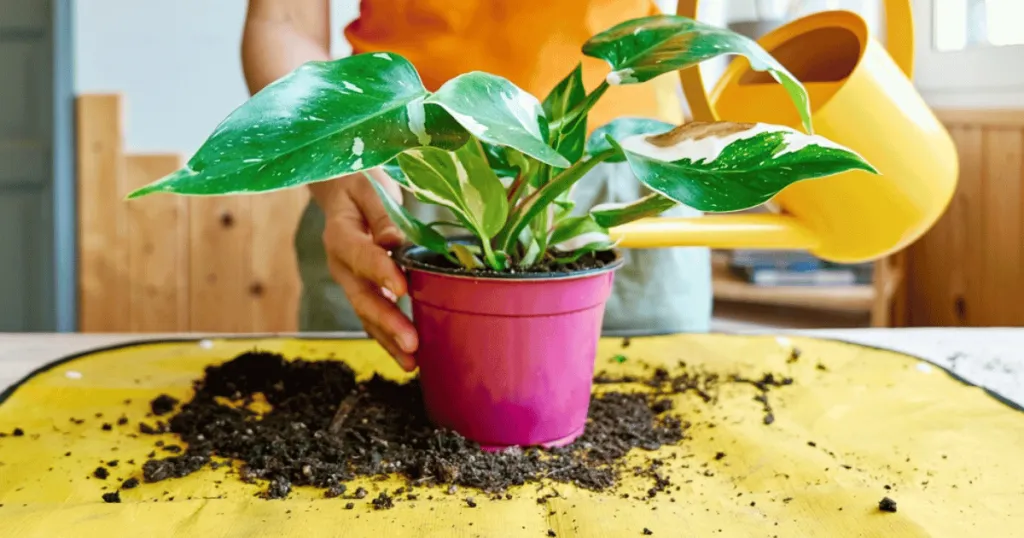
Never water on a rigid calendar schedule. Instead, press your index finger one inch deep into the potting mix. If the soil feels dry and crumbly at your fingertip, it is time to water thoroughly until excess drains from the bottom holes. If the soil still feels damp or sticks to your skin, wait a few days and check again. This simple tactile check prevents the soggy conditions that suffocate root systems. In shared office spaces, consider placing a subtle note near the container or assigning a single caretaker to prevent the collective-action problem of multiple people watering the exact same plant on different days.
Consider also how weekend office closures impact dry-down rates. If a building’s HVAC system turns off entirely from Friday evening to Monday morning, indoor humidity may temporarily spike or drop depending on the season, directly altering how fast moisture evaporates from the container surface. Checking soil moisture every Monday morning establishes a reliable routine that catches thirst before severe wilting sets in.
Drainage Mechanics and Soil Selection
A decorative ceramic pot without a drainage hole acts as a fatal trap for trapped moisture. Always use a nursery liner or a container equipped with bottom drainage holes, paired with a saucer to catch runoff. A standard, well-draining potting mix amended with perlite or orchid bark creates the ideal aerated matrix, allowing roots to breathe freely between hydration cycles. When water pools invisibly inside a decorative cachepot, roots remain submerged in stagnant liquid, starving them of oxygen and rapidly triggering the cellular breakdown associated with root rot.
When selecting a potting mix for your office plant, avoid heavy garden soil or dense topsoil mixes that retain water indefinitely. Instead, choose a formulation designed specifically for tropical indoor specimens. The inclusion of coarse materials like perlite prevents the soil from compacting under its own weight and ensures that when you do water thoroughly, surplus fluid drains completely within seconds.
Humidity, Temperature, and Nutrient Management
Office microclimates are notoriously dry due to continuous heating, ventilation, and air conditioning cycles. Fortunately, average room humidity is entirely acceptable for this species, meaning you rarely need to set up noisy electric humidifiers around open-plan desks.
Navigating HVAC Drafts and Temperature Swings
While these plants tolerate standard indoor temperatures between 65 and 85 degrees Fahrenheit, they detest direct blasts of conditioned air. Avoid placing containers directly beneath ceiling vents, supply diffusers, or exterior doors that swing open to winter drafts. Rapid temperature shifts cause sudden leaf drop and stall active stem development. Over weekends, when many commercial buildings drop their ambient temperatures or shut down variable refrigerant flow systems entirely, these localized microclimate drafts can intensify, making stable desk placement a crucial factor for long-term survival.
If your workspace is situated directly under an unyielding air vent, consider installing a transparent plastic deflector baffle on the ceiling diffuser, or shift your desk setup slightly to create a physical buffer. Even resilient trailing vines will drop lower leaves rapidly when subjected to a 24/7 stream of dehydrated air directly from overhead commercial HVAC trunks.
Feeding and Fertilization Best Practices
During spring and summer, feed your trailing vine once a month with a balanced, water-soluble houseplant fertilizer diluted to half strength. Because office growth slows down significantly during shorter autumn and winter days when natural light diminishes, pause fertilization entirely during these cooler months to prevent salt buildup in the root zone. Over-fertilizing under low-light office conditions leads to weak, forced growth that is highly susceptible to mechanical damage and pest outbreaks.
When applying liquid fertilizer in an office setting, always apply it to soil that is already slightly damp. Pouring concentrated nutrient solutions into completely dry soil burns delicate root hairs and causes tip browning. If you miss a monthly feeding, do not double the dose next time; simply resume your normal schedule.
Repotting, Pruning, and Propagation Techniques
Over several seasons, a healthy vine will outgrow its container, sending thick white roots circling out of the bottom drainage holes. Knowing when and how to intervene keeps your display looking neat and professional.
When and How to Repot
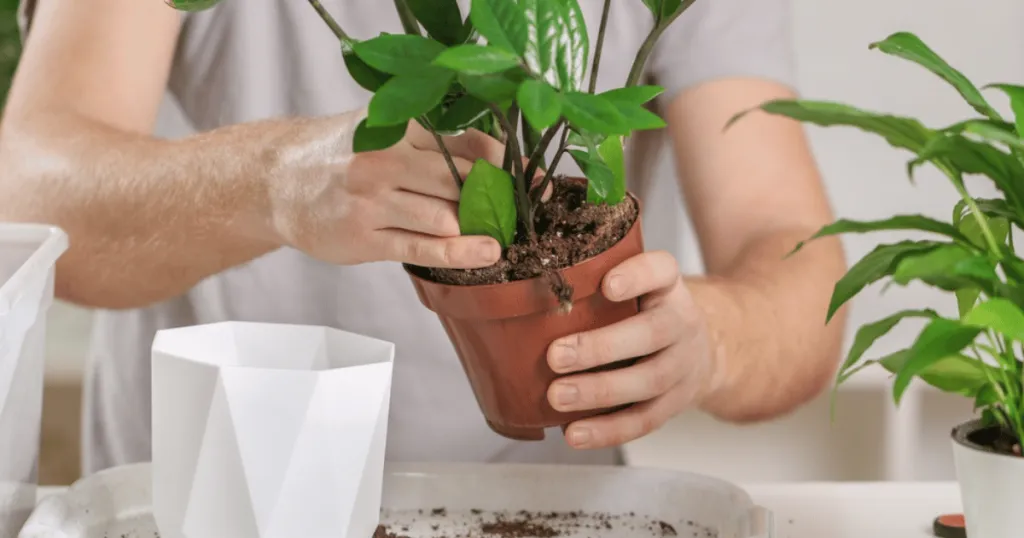
Select a new container that is only one to two inches larger in diameter than the current pot. Moving up too quickly in pot size leaves large masses of uncolonized soil that hold excess water for too long. Gently tease away old, compacted soil, inspect the root ball for any mushy or dark sections, and settle the plant into fresh mix at the exact same depth it previously grew. Repotting is best performed in early spring when the plant’s natural hormonal cycle prepares it for active vegetative expansion.
For office managers maintaining multiple plants across different departments, standardizing repotting supplies – such as keeping a bag of perlite-amended potting mix and clean nursery pots in a central storage closet – streamlines annual maintenance days. If roots are only slightly bound and you lack the time or space for a full repot, top-dressing the container by scraping away the top inch of old soil and replacing it with fresh mix provides an immediate nutrient boost without disturbing the root architecture.
Pruning for Fullness and Propagation
Leggy stems with sparse leaves happen naturally as lower nodes age. Use clean, sharp shears to snip stems back just above a leaf node. This pruning cut triggers dormant buds below the cut to activate, creating a bushier, fuller appearance. Take those cut vine sections, place them in a glass of clean tap water on your desk, and watch roots develop within a few weeks for easy desk-to-desk propagation. This practice not only maintains a polished aesthetic in professional settings but also provides a sustainable way to expand office greenery without additional expenditure.
When propagating stems in water, remember to change the water every week to prevent algae buildup and ensure adequate oxygen levels around developing root nodes. Once roots reach roughly two inches in length, transfer the cuttings into a small pot filled with fresh potting mix to help them transition successfully from aquatic to terrestrial growth.
Seasonal Adjustments and Avoiding Common Care Mistakes
Adapting your routine across changing seasons ensures year-round vitality. Autumn brings shorter days and weaker window light, demanding a conservative approach to both watering and feeding. Keep leaves free of office dust by wiping them down with a damp cloth every month, which simultaneously boosts light absorption and discourages microscopic pests like spider mites.
Common Mistakes to Avoid
Ignoring drainage is the quickest route to failure. Another frequent misstep is letting the entire root ball dry out completely until leaves shrivel and curl permanently; while tough, severe drought causes irreversible tissue damage. Finally, resist the urge to place your container in windowless interior hallways where ambient illumination falls below functional thresholds.
Another overlooked mistake is failing to inspect plants brought into the office from external sources. Always check new specimens for hitchhiking pests like mealybugs or scale before placing them near existing office plants. Maintaining this simple quarantine habit protects your entire workplace botanical collection from sudden infestations.
Related Pothos Guides
- the Pothos plant guide
- why your Pothos might be struggling
FAQ
Is pothos safe to keep around office pets or emotional support animals?
According to ASPCA guidance on toxic and non-toxic plants, Epipremnum aureum is considered toxic to cats and dogs. The foliage contains insoluble calcium oxalate crystals that release irritating needles when chewed, causing oral pain and excessive drooling.
Why are the lower leaves turning yellow on my office plant?
Yellowing leaves typically point to chronic overwatering or soil that stays wet for too long between sessions. Check the bottom drainage holes to ensure water is not pooling in the decorative cachepot.
Can this plant survive entirely under fluorescent office ceiling lights?
Yes, it can survive under standard commercial fluorescent or LED troffers, provided the fixtures stay on for standard work hours. However, growth will remain slow and variegation may fade compared to placement near a window.
How do I fix leggy stems that have lost their leaves near the base?
Leggy growth results from insufficient light or lack of pruning. Snip the long trailing stems back to encourage branching from lower nodes, and move the container closer to an indirect light source.