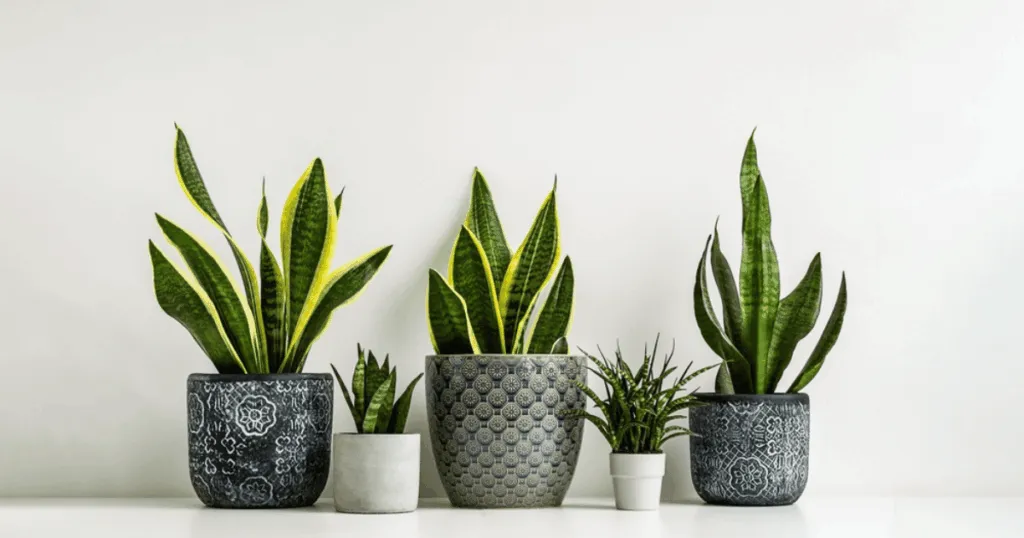
Snake plants are popular office plants because they tolerate missed watering and modest light, but the main snake plant cons are real: they are toxic to pets, easy to overwater, slow to grow in dim rooms, and vulnerable to cold drafts and soggy soil. They can also become tall, heavy, and awkward on a crowded desk. For many offices, they are still a sensible choice, but only if their placement and care routine match the space.
The biggest mistake is treating a snake plant as indestructible. A plant left in a dark interior corner, watered by several well-meaning coworkers, and placed under an AC vent often declines slowly. Knowing its limits helps you decide whether it belongs on a desk, in reception, or somewhere else entirely.
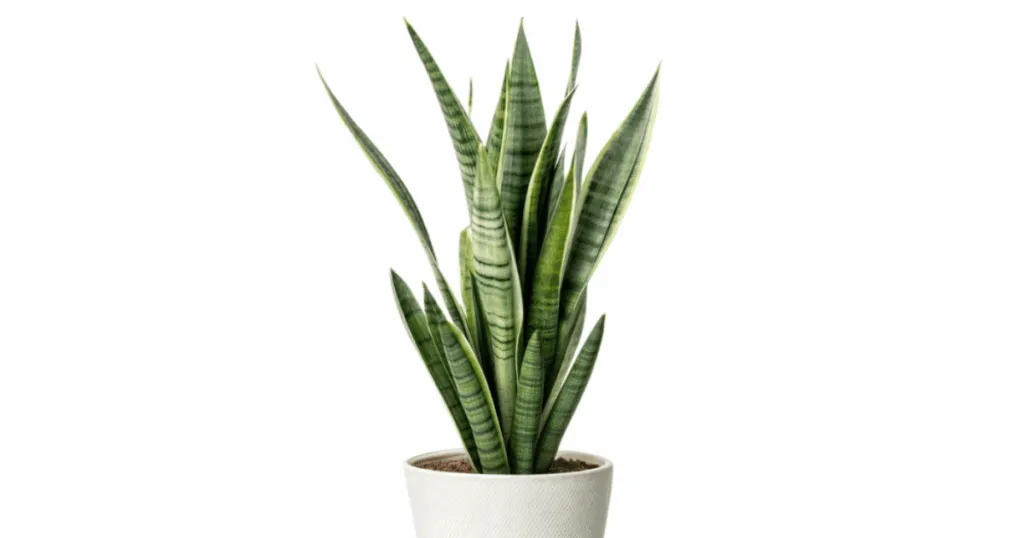
Snake Plant Cons That Matter Most at Work
They are not safe for pet-friendly offices
Snake plants, now commonly classified as Dracaena trifasciata and formerly known as Sansevieria trifasciata, contain saponins. The ASPCA lists them as toxic to cats and dogs. Chewing the leaves may cause drooling, nausea, vomiting, or diarrhea. The plant is not a good choice on a low reception table, floor planter, or desk where an office dog or cat can reach it.
This also matters in workplaces that host children or have visiting families. Do not rely on a plant being unpleasant to chew as a safety measure. Put it in an inaccessible area or choose a plant confirmed as non-toxic by a reliable veterinary source. The same caution applies if staff regularly bring pets into the office.
Overwatering is the most common failure point
A snake plant stores water in its thick leaves and rhizomes. That drought tolerance becomes a weakness when soil stays wet. In an air-conditioned office with low light, potting mix dries much more slowly than people expect. Roots can rot, leading to soft yellowing leaves, a sour soil smell, or leaves that loosen at the base.
Shared care makes this worse. One person waters every Friday, another waters after noticing dry-looking topsoil, and no one checks deeper in the pot. Before adding water, push a finger or a wooden chopstick 2 to 3 inches into the mix. Wait until it is dry at that depth, and ideally nearly dry throughout the pot. Most office plants need water about every 2 to 4 weeks, sometimes longer in winter or in dim light.
A pot must have a drainage hole. A decorative cachepot without drainage is a frequent office problem because water pools unseen at the bottom. For a more detailed routine, use our snake plant watering routine as the shared reference for your team.
Low light tolerance has a limit
Snake plants tolerate low light better than many houseplants, but tolerance is not the same as active growth. A desk several yards from a window under standard ceiling LEDs may keep one alive, yet new leaves can be sparse, narrow, or absent. Variegated types with yellow leaf margins usually need brighter indirect light to keep strong color.
Bright indirect light is best for steady growth. Medium light is workable. Low light is acceptable for a hardy, slow-growing plant, but a windowless room with lights off every night and weekend may be too dim over time. If a plant must live in a deep interior space, a properly positioned grow light is more dependable than expecting ceiling panels to do the job.
Leaves can be damaged by office temperature swings
Snake plants prefer typical indoor temperatures of about 65 to 80°F [18 to 27°C]. They dislike cold air from AC vents, chilly glass in winter, and repeated blasts of hot dry air from radiators. Temperatures below about 50°F [10°C] can cause stress and lasting leaf damage.
Look for faded patches, wrinkling, or soft spots on the side facing the vent or window. Move the plant a few feet away from direct airflow rather than watering or fertilizing it. The issue is often location, not lack of care.
Less Obvious Drawbacks of Snake Plants in Shared Spaces
They can outgrow a desk footprint
Compact bird’s nest varieties stay relatively low, but common upright snake plants can reach 2 to 4 feet indoors. Their narrow shape saves floor area, yet a tall pot can be top-heavy. A plant on a filing cabinet, rolling pedestal, or narrow reception counter can tip if brushed by a bag or moved during cleaning.
Use a stable, heavy pot with a saucer, and leave room around the leaves. The pointed leaf tips are not seriously dangerous, but they can be unpleasant at eye level beside a busy walkway. A short variety is usually the better choice for a desk. Save taller forms for a stable floor spot with enough clearance.
Slow growth can disappoint people expecting quick results
Snake plants are often sold as easy plants, which can create unrealistic expectations. In a bright office, they may gradually produce new shoots from underground rhizomes. In lower light, they may look almost unchanged for months. That is normal, but it means they are not the best option if you want fast visual fill for a new lobby or a bare meeting room.
Slow growth also means damage is slow to replace. A snapped or badly creased leaf will not repair itself. You can trim a damaged leaf cleanly at the soil line with disinfected pruners, but new growth comes from the base and may take time.
They still get pests and disease
Mealybugs and spider mites can occur, especially on stressed plants near dry HVAC airflow. Check leaf bases and undersides for cottony white clusters, sticky residue, or fine webbing. Isolate an affected plant from the rest of the office collection, then remove visible pests with a cotton swab lightly dampened with rubbing alcohol. Severe or recurring infestations may need treatment appropriate for indoor use and workplace policy.
Fungal and bacterial problems are more likely after overwatering or water sitting in leaf rosettes. Do not mist snake plants. Dry office air is usually not a problem for them, while wet foliage and wet soil can create one.
Where These Drawbacks Show Up in Real Office Setups
On a personal desk, the main concern is space. A small snake plant in a 4 to 6 inch pot can work if it receives medium or bright indirect light and sits away from your monitor’s warm exhaust. Do not place it directly under a vent. If your desk is far from windows, choose a compact green variety, accept slow growth, and water less often than you think.
At reception, pet and visitor access change the decision. A tall snake plant can look tidy beside a desk, but it should be in a weighted floor planter where children and animals cannot chew it or knock it over. If the entry has tinted glass or no natural light, assess the light before installing several plants. Their upright leaves may remain attractive for a while even as the plant gradually weakens.
In an open-plan office, unclear watering ownership is the greater risk. Put one named person or facilities team in charge. Add a simple tag with the last watered date, or maintain a shared plant log. Water only after the dryness check, not because a calendar says it is time. If yellowing or soft leaves appear, consult these office snake plant problem signs before adding more water.
Long weekends and holiday closures are usually not a problem. A healthy plant in dry soil can often go several weeks without watering. Watering heavily before a closure is riskier than leaving it alone. Check that the pot drains, move it away from extreme sun or heating equipment, and let the soil dry normally.
Snake plants are sometimes promoted for air cleaning. The NASA Clean Air Study was conducted in sealed chambers, not real ventilated offices. A few plants do not measurably clean office air in the way ventilation and filtration do. Their more realistic value is visual comfort, greenery, and the positive mood or perceived-air-quality effects some people associate with planted spaces. For a broader view of why offices use them, see low-maintenance office snake plants.
Should You Avoid a Snake Plant for Your Office?
A snake plant is a good fit if you have a pet-free location, a draining pot, modest to bright indirect light, and one clear person responsible for watering. It is especially useful for a stable floor location where its upright leaves will not block work surfaces.
Choose another plant if pets or children can reach it, if the only available location is a cold vent path, or if every caretaker tends to water on a fixed weekly schedule. It is also a poor match for a very dark interior room without supplemental light. In those situations, hardiness will not overcome the wrong conditions.
A quick office placement check
- Keep it at least a few feet from direct AC or radiator airflow.
- Use a pot with a drainage hole and empty any outer pot after watering.
- Give it bright indirect or medium light when possible. Low light means slower growth and longer gaps between watering.
- Keep it out of reach of cats, dogs, and children because of saponins.
- Assign one watering owner and check soil dryness before watering.
- Use a compact cultivar for a desk and a weighted planter for taller floor plants.
What to Do Next About Snake Plant Cons
Use the snake plant cons as a placement test, not an automatic reason to reject the plant. Check for pets, drainage, light, and nearby HVAC first. If all four are under control, a snake plant can be a low-fuss office plant. If one is not, change the location or select a safer plant rather than hoping it will adapt.
FAQ
Do snake plants attract bugs in an office?
Healthy snake plants do not usually attract insects. Fungus gnats are more likely when potting mix stays wet, while mealybugs or spider mites may appear on stressed plants. Avoid frequent watering, inspect leaves during routine cleaning, and isolate any infested plant quickly so pests do not spread to nearby office plants.
Can a snake plant live under office lights only?
It may survive under office lights if the fixture is reasonably bright and the plant is nearby, but growth is often very slow. Standard overhead lighting is weaker at plant level than window light. In a windowless office, monitor for weak growth and fading color, and consider a dedicated grow light if the plant must remain there long term.
Are snake plant cons worse in winter?
They can be. Shorter days mean soil dries more slowly, so routine watering is more likely to cause root rot. Cold drafts near windows and stronger heating can also stress leaves. Check soil before watering, keep the plant away from cold glass and heaters, and expect little or no new growth until light levels improve.
Can you put two snake plants in one office pot?
You can, provided the container has drainage and is only slightly wider than the combined root mass. An oversized pot holds excess wet soil and increases rot risk. Keep the plants at the same soil level, use a fast-draining houseplant mix, and avoid watering immediately after disturbing roots unless the mix is completely dry.