Looking up snake plant facts usually means you want to know whether this upright, tough-looking plant will actually survive at work. For many offices, it can. Snake plants tolerate missed watering and moderate light better than most common indoor plants, but they are not indestructible. Poor drainage, routine overwatering, cold air from AC vents, and very dim corners cause most failures.
The useful facts are the ones that help you place the plant well and set a care routine that still works when the office closes for a long weekend.
Short Answer
Snake plants are resilient office plants with stiff upright leaves, low water needs, and tolerance for low to medium light. Give them a draining pot and let soil dry fully, but keep them away from pets because they contain irritating saponins.
Snake Plant Facts That Matter in an Office
A snake plant is the common name for Dracaena trifasciata, a species still widely sold under its former name, Sansevieria trifasciata. It grows from thick underground stems called rhizomes and stores water in its leaves and roots. That storage explains its reputation for being forgiving: it handles a forgotten watering far better than a constantly wet pot.
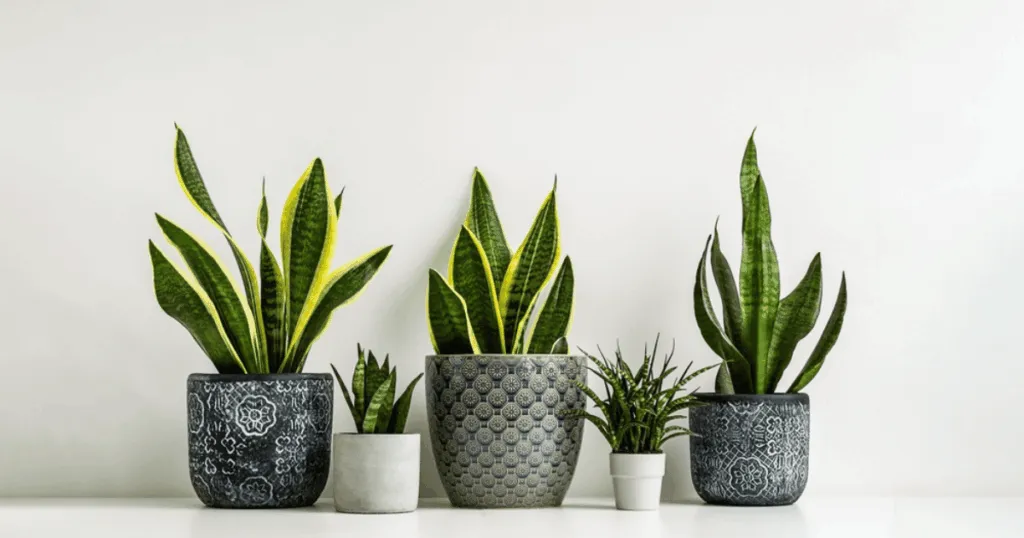
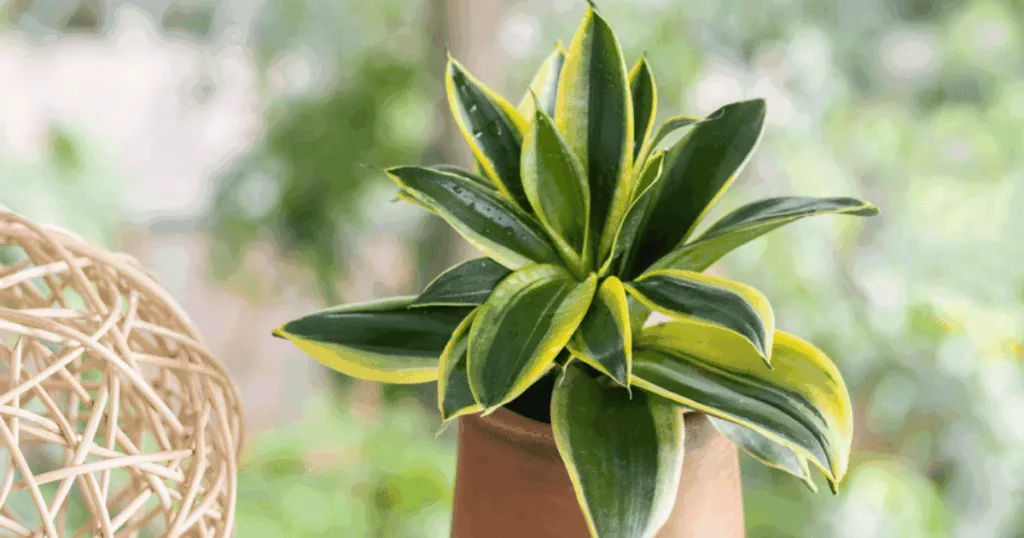
Its architectural shape is another practical advantage. Most types grow upright rather than spilling across a desk or reception counter. Leaf color ranges from deep green with gray-green bands to yellow-edged cultivars such as ‘Laurentii.’ Compact bird’s nest varieties, often sold as Hahnii types, stay shorter and suit a desk better than taller forms.
Still, resilience has limits. A snake plant kept in a dark interior room may stay alive, but it will grow very slowly and use little water. If a well-meaning coworker waters it every Friday, its roots can rot. The biggest office risk is too much water, not too little.
For a fuller routine that assigns watering by conditions rather than by calendar, see our snake plant watering routine.
Why Snake Plants Handle Office Life So Well
Water storage changes the care schedule
Snake plants are succulents in the practical sense that they retain water in fleshy tissues. Their potting mix needs time to dry between drinks. In a typical climate-controlled office with medium indirect light, check the soil every two to four weeks. Water only when the mix is dry at least 2 inches down, and preferably nearly dry through the pot for an established plant.
In lower light, during winter, or in an office where lights are off overnight and on weekends, four to six weeks between watering may be normal. In bright indirect light near a window, a small plant may need water every two to three weeks. These are check-in ranges, not deadlines. A plant near a sunny window, radiator, or electronics may dry more quickly than one in a cool conference room.
Use a pot with a drainage hole and a saucer. Take the plant to a sink, water until a little runs out, then empty the saucer. Do not let it sit in collected water. Decorative cachepots are fine only if you remove the nursery pot to water and drain it fully before putting it back.
Low-light tolerant does not mean no-light tolerant
Snake plants cope with low light better than many foliage plants. Low light means a spot where you can comfortably read during the workday, usually with daylight from a window or consistent overhead lighting. A desk several feet from a north-facing or tinted window can work, especially if ceiling LEDs are on for most business hours.
Medium indirect light produces faster growth and stronger color. A bright window with filtered light is also suitable, although intense afternoon sun through unshaded glass can scorch leaves. In very dim spaces such as an interior hallway with lights off most nights and weekends, the plant may persist but is not likely to thrive. Move it closer to daylight, or use a properly positioned grow light on a timer if the location matters.
Yellow variegation needs more light than solid green leaves to remain crisp. If a yellow-edged plant starts producing mostly green new leaves, insufficient light is a likely reason. The real issue is not that the plant needs a window seat. It needs enough usable light to grow, plus less water when light is limited.
Its upright form makes placement easier
Tall varieties can reach several feet indoors over time, so they work well beside a reception desk, in a meeting-room corner, or at the end of a credenza. They need a stable floor pot with a footprint that will not become a trip hazard. Keep leaves clear of rolling chair paths and door swings, since a sharp bend or crease will not straighten.
For a crowded desk, choose a compact cultivar in a pot no wider than the available surface. A 4- to 6-inch pot is enough for many small plants. Do not put a tall snake plant on a filing cabinet or narrow shelf where it can tip. Its leaves may look sturdy, but a top-heavy pot can fall if bumped.
Temperature and airflow affect the leaves
Snake plants prefer ordinary indoor temperatures, roughly 60 to 85°F [16 to 29°C]. Briefly cooler conditions are usually less harmful than cold drafts. Avoid sustained temperatures below about 50°F [10°C], especially if soil is moist. A plant directly under an AC vent may develop stressed, soft, or discolored leaves even while the rest of the room feels comfortable.
Keep it at least a few feet from strong AC output, radiators, and space heaters. Dry HVAC air is usually less of a problem for this species than wet soil, so misting is unnecessary. Misting can leave water trapped where leaves meet and does not solve dry-office discomfort for people. Wipe dust from leaves with a damp cloth instead, which helps the plant receive available light and keeps a lobby display tidy.
Slow growth reduces, but does not remove, maintenance
Snake plants often grow slowly indoors, particularly in low light. That means they do not need frequent repotting. Repot in spring or early summer only when rhizomes crowd the pot, roots distort the container, or watering runs straight through because the mix has broken down. Moving up one pot size is usually enough.
A dense, free-draining houseplant mix amended with perlite or pumice is more suitable than heavy soil that stays wet. Avoid a dramatically oversized pot. Extra unused soil holds moisture around a smaller root system and raises the risk of rot. A simple shared note with the last watering date prevents duplicate watering better than any complicated care plan.
Snake Plant Facts in Real Office Situations
A desk far from the window
Imagine a plant on a desk 10 feet from a tinted window, under LED panels that run from 8 a.m. to 6 p.m. A solid-green snake plant is a reasonable option, though growth will be slow. Put it where the overhead light reaches it, not under a shelf. Check soil about once a month and water only if it is dry. A yellow-variegated cultivar may lose its contrast there, so the green type is the safer choice.
A reception area with visitors and pets
A taller snake plant gives a clean vertical accent in a reception area, but placement must account for safety. The ASPCA lists snake plant as toxic to dogs and cats because of saponins. Chewing may cause drooling, nausea, vomiting, or diarrhea. Put it behind a desk or in an inaccessible area, not at floor level where an office dog can nibble a leaf. It is also not an ideal low planter for a waiting room used by young children.
Contact a veterinarian or an animal poison-control service promptly if a pet eats part of the plant, especially if symptoms occur. Do not assume that a small amount is harmless. For more plant-care warning signs that can be confused with neglect, review common snake plant problems.
The long holiday closure
A healthy snake plant in dry soil can usually manage a long weekend without attention and often a week or two of closure, depending on light, temperature, and pot size. Do not soak it “just in case” before closing. Check the soil a few days before the break. If it is dry through the root zone, water normally and let excess drain. If it is still damp, leave it alone.
Before a longer closure, move the plant away from direct heater blasts and make sure no automatic blinds will trap it in harsh sun. Avoid self-watering pots for a plant that is already in low light unless you understand how the reservoir and soil mix behave. Constant moisture conflicts with the plant’s drought-adapted roots.
A team with unclear watering duties
Shared care creates a predictable problem: two people each think they are helping. Put a small card or digital reminder beside the plant listing its location, last watering date, and the rule: check soil first, then water only when dry. Assign one person as the decision-maker and a backup for absences. This is more reliable than a Friday watering rota.
If your team wants a durable floor plant with similar office advantages, our overview of the low-maintenance office snake plant can help with placement and expectations.
Why These Facts Matter Before You Bring One to Work
Snake plants are often presented as a plant that anyone can ignore. That label leads to the wrong care. They survive neglect partly because stored water buys time, not because their roots tolerate standing in water. Knowing that difference prevents the most expensive and frustrating outcome: a firm-looking plant that suddenly collapses from root rot after months of routine watering.
These facts also help you match the plant to the job. A compact cultivar can make a small workstation feel finished without spreading into a keyboard area. A tall form can soften a blank lobby wall without demanding weekly pruning. In both cases, the plant has to fit the available light and traffic pattern. A dark cupboard-like corner is not made suitable by picking a “low-light” plant.
There are benefits to having plants at work, including visual interest and possible improvements in mood, comfort, and perceived air quality. Keep the claim proportionate. The NASA Clean Air Study examined plants in sealed chambers. A few snake plants do not measurably clean the air in a real, ventilated office. Ventilation, source control, and building maintenance matter far more for indoor air quality.
What this means in practice: choose a snake plant for its shape and manageable care, not as an air-cleaning device. Then give it drainage, a sensible spot, and one accountable watering routine.
Common Snake Plant Misconceptions
“It needs almost no light”
It tolerates low light, but no plant thrives in a permanently dark room. With too little light, growth stalls, variegation can fade, and wet soil takes much longer to dry. If lights are off for entire weekends, that is usually fine. If the plant receives almost no usable light every day, move it or add a grow light.
“Watering a little every week is safer”
Small weekly drinks are often worse than thorough, infrequent watering. They can keep the central root zone damp without properly hydrating the whole mix. Wait for dryness, water deeply, and drain excess. Yellowing, mushy leaf bases, and a sour smell from the pot point toward excess moisture, not thirst.
“Snake plants are pet-safe because the leaves are tough”
Tough leaves may discourage some animals, but snake plants are not pet-safe. Their saponins can upset the stomach of cats and dogs. Use a different plant in a pet-friendly office if you cannot keep this one out of reach.
“They purify office air”
Snake plants are frequently linked to the NASA study, but that does not show they clean a normal office at a meaningful rate. Enjoy the appearance and the modest wellbeing value of greenery. Do not treat a planter as a substitute for ventilation or a response to an indoor-air complaint.
Put These Snake Plant Facts to Work
Use these snake plant facts to make one simple decision: place a green-leaved plant in low to medium light, use a draining pot, and appoint one person to check dry soil every few weeks. Keep it clear of cold vents, heaters, pets, and children. If your chosen spot has no daylight and unreliable overhead light, pick a different location before the plant becomes another shared-office chore.
FAQ
How long can a snake plant go without water in an office?
A healthy snake plant can often go several weeks without water, especially in low light and cool indoor conditions. The better question is whether its soil is dry. Check every two to four weeks, and allow longer in winter or dark rooms. Before an office closure, water only if the potting mix is dry rather than soaking it in advance.
Do snake plants produce flowers indoors?
They can, although flowering indoors is uncommon and not a sign you should try to force. Mature plants may send up a flower stalk with small, fragrant pale flowers under favorable conditions. A snake plant does not need flowers to be healthy. Steady leaves, firm bases, and roots that are not sitting wet are more useful health indicators in an office.
Why are my snake plant leaves curling or wrinkling?
Curling or wrinkled leaves often indicate the plant has been dry for too long, especially if the pot feels very light and the mix has pulled away from the sides. Water thoroughly and let it drain. Also inspect for root problems, because damaged roots cannot take up water. Avoid compensating with frequent small drinks after watering.
Can I divide a snake plant for different desks?
Yes. Division is a practical way to make more plants once the pot is crowded with rhizomes. Divide during active growth in spring or early summer, making sure each section has roots and at least a few leaves. Let any cut surfaces dry briefly, plant sections in a draining mix, and water sparingly until they settle in. This preserves the leaf pattern of variegated plants better than leaf cuttings.