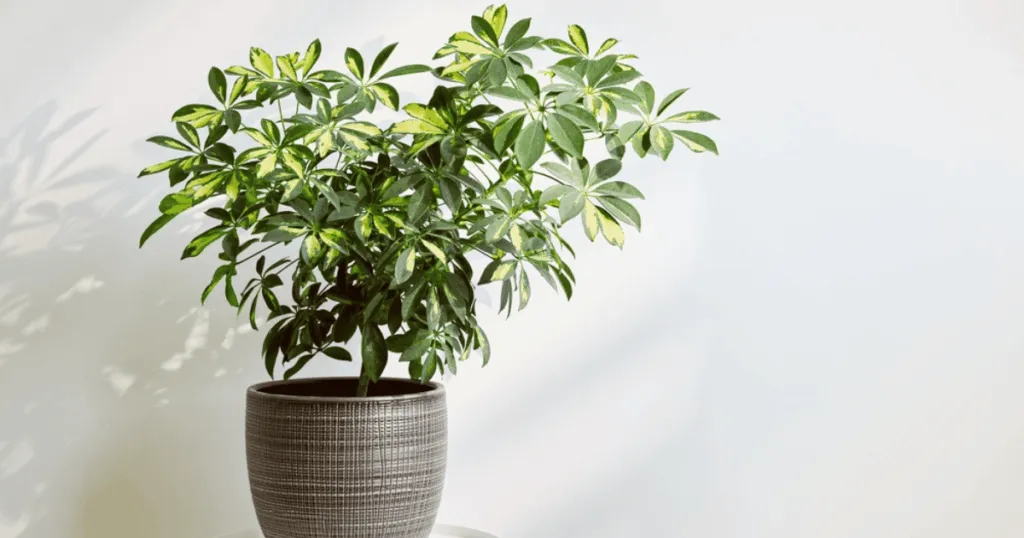
In the world of office plants, few species bridge the gap between architectural presence and ease of care as effectively as the Schefflera. Commonly known as the Umbrella Tree, this plant is defined by its distinct, palmately compound leaves that radiate from a central stem like the spokes of an umbrella. Unlike finicky tropicals that demand high-humidity greenhouses or constant attention, the Schefflera is remarkably forgiving of the typical office climate, characterized by fluctuating HVAC systems and artificial lighting.
- Light: Thrives in medium to bright indirect light.
- Watering: Allow the top inch of soil to dry between waterings.
- Humidity: Adapts well to standard office humidity levels.
- Difficulty: Easy to moderate for most office environments.
- Toxicity: Contains calcium oxalate crystals; toxic if ingested by pets.
Defining the Schefflera in the Workplace
For office managers and decision-makers, the appeal lies in its structural versatility. It can be kept as a compact desk specimen or allowed to grow into a floor-standing focal point for reception areas and meeting rooms. Its ability to maintain a lush, full canopy even in the controlled, often dry environment of a modern office makes it a staple for professional spaces where consistent, low-maintenance greenery is the goal.
Growth Habit and Visual Presence
The growth habit of the Schefflera is one of its most defining features. In an indoor setting, it typically grows as a woody, upright shrub. The leaves are glossy and deep green, providing a polished look that fits well in corporate or creative office aesthetics. When young, the plant is often dense and bushy, making it an excellent candidate for tabletops or communal desks. As it matures, it can develop a more tree-like appearance, with a sturdy trunk that adds height and vertical interest to corners or empty wall spaces.
Growth speed is generally moderate, though it is highly dependent on light availability. In brighter spots, you can expect steady, healthy development throughout the year. In lower-light office corners, the growth rate will naturally slow down, which is often a benefit for maintenance teams looking to avoid frequent pruning or repotting. The plant is quite responsive to pruning; if a branch becomes too leggy or extends too far into a walkway, it can be trimmed back to encourage fuller, bushier growth. This adaptability allows you to shape the plant to fit specific office layouts, whether you need a narrow profile for a tight hallway or a wide, spreading canopy for a lounge area.
Care Requirements for the Office Environment
Managing the health of a Schefflera in an office requires understanding its basic physiological needs. While it is not a high-maintenance plant, it does have specific requirements that, if met, ensure long-term vitality. The most critical factor is light. While it can tolerate lower light levels, it performs best in medium to bright indirect light. If your office has large windows, placing the plant nearby—but out of direct, scorching sun—is ideal. Under fluorescent or LED office lighting, it will survive, but you may notice slower growth and a need for more careful watering.
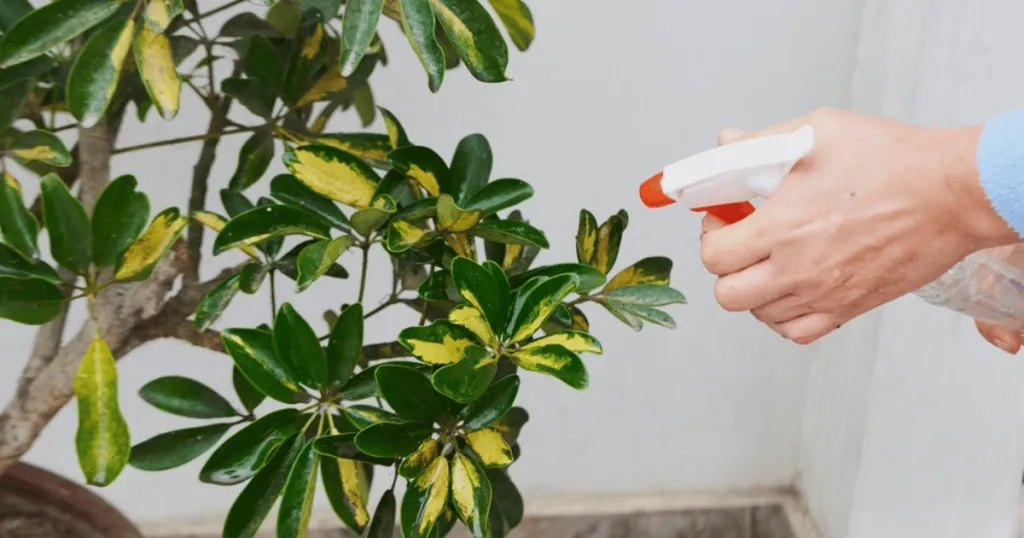
Watering is the area where most office plants fail, and the Schefflera is no exception. The golden rule here is to let the top inch of soil dry out completely before adding more water. Because office humidity is often lower than in a residential home due to constant air conditioning, the soil may dry out faster than expected. However, the plant is susceptible to root rot if left in standing water. Always ensure your containers have proper drainage holes. If you are using decorative cachepots, make sure to remove the plant or lift the inner nursery pot to drain any excess water after each irrigation cycle.
Humidity and temperature are generally less of a concern. The Schefflera is quite comfortable in the standard temperature ranges maintained in most workplaces, typically between 65 and 75 degrees Fahrenheit. While it appreciates a humid environment, it is resilient enough to handle the dry air common in offices during the winter months. If you notice the leaf tips browning, it is rarely a sign of a major health crisis; it is often just a reaction to low humidity or inconsistent watering, which can be easily corrected with a slight adjustment to your maintenance schedule.
Strategic Placement and Office Suitability
Choosing the right location for a Schefflera can transform an office aesthetic. Because of its height and spread, it works exceptionally well as a natural room divider in open-plan offices. A few large specimens placed strategically can create visual barriers that provide a sense of privacy without the need for permanent partitions. For reception areas, a mature Schefflera offers a welcoming, professional touch that signals a well-maintained space to visitors and staff alike.
When placing the plant, consider the foot traffic. While the Schefflera is sturdy, its leaves can be brittle if brushed against repeatedly by people walking past. Aim for corners or areas slightly removed from high-traffic corridors. If you are placing it in a meeting room, ensure it doesn’t block sightlines or interfere with the use of whiteboards or screens. Because it is a long-lived plant, consider the long-term growth potential of the specific variety you choose; some cultivars are bred to stay more compact, which is a significant advantage for smaller offices or desk-bound placements.
Safety and Practical Limitations
While the Schefflera is an excellent office plant, it is important to be aware of its toxicity. According to guidance from organizations like the ASPCA, the plant contains calcium oxalate crystals. If chewed or ingested by cats or dogs, these crystals can cause irritation to the mouth, tongue, and throat, often resulting in excessive drooling, vomiting, or difficulty swallowing. In an office setting where pets may occasionally visit or in spaces with shared breakrooms where safety is a priority, it is wise to keep the plant out of reach of animals.
Beyond toxicity, the primary limitation of the Schefflera is its intolerance for extreme neglect. While it is easy to care for, it is not a plastic plant. It requires a human touch to monitor soil moisture and ensure it isn’t sitting in a dark, windowless room for months on end. If the plant is placed in a location with zero natural light, it will eventually lose its vigor. If your office design requires greenery in windowless interior rooms, you may need to supplement with dedicated grow lights or rotate the plant into a brighter area periodically to allow it to recover.
Handoff to Detailed Care
This overview provides the foundational knowledge needed to successfully integrate a Schefflera into your office environment. By focusing on consistent watering, appropriate light, and mindful placement, you can enjoy the benefits of this resilient plant for years. For more granular details on specific propagation techniques, advanced pruning strategies, or how to address common pests like spider mites or scale that can occasionally affect indoor plants, please refer to our dedicated troubleshooting and maintenance guides. These resources are designed to help you manage specific health issues and ensure your office greenery remains a vibrant, professional asset.
Related Schefflera Guides
- the full Schefflera care breakdown
- common Schefflera problems
FAQ
Can a Schefflera survive in an office with no windows?
While it can survive for a time, a Schefflera will struggle without any natural light. In windowless offices, the plant will eventually lose its vigor and shed leaves. If you must place it in a room without windows, consider using a high-quality LED grow light to provide the necessary energy for photosynthesis, or rotate the plant to a brighter location every few weeks.
How often should I fertilize my office Schefflera?
In an office setting, less is often more. Fertilize your Schefflera once every two to three months during the active growing season, which is typically spring and summer. Use a balanced, water-soluble fertilizer diluted to half-strength. Avoid fertilizing during the winter months when the plant’s growth naturally slows down due to lower light levels.
Why are the leaves on my Schefflera turning yellow and falling off?
Yellowing leaves are most commonly a sign of overwatering or poor drainage. If the soil remains soggy for too long, the roots cannot breathe, leading to stress. Check the soil moisture before watering again; if it feels wet, stop watering and ensure the pot has adequate drainage. It can also be a reaction to sudden shifts in temperature, such as being placed too close to an HVAC vent.