The Norfolk Island Pine (Araucaria heterophylla) holds a distinct reputation in the world of indoor greenery. Often marketed as a miniature, festive evergreen for seasonal displays, it is frequently misunderstood as a low-maintenance, set-it-and-forget-it desk plant. In reality, this conifer is a tropical native that requires specific environmental conditions to thrive. While it can add a striking, structural vertical element to a reception area or a quiet corner of an open office, it is not a plant that tolerates the neglect often associated with hardier office staples like pothos or snake plants.
For an office manager or decision-maker, the question is not whether the plant is attractive, but whether your specific workplace environment can provide the consistent, bright conditions it demands. If your office lacks adequate natural light or experiences significant fluctuations in temperature and humidity, the Norfolk Island Pine will likely struggle, shedding its needles and losing its symmetrical, tiered aesthetic. Understanding its limitations is the first step toward deciding if it belongs in your professional space.
Key Takeaway
The Norfolk Island Pine is a high-maintenance indoor conifer that requires bright, consistent light and elevated humidity to maintain its health in an office setting.
- Light: Requires bright, indirect light; struggles in dim corners.
- Watering: Needs consistently moist soil; avoid complete drying out.
- Humidity: Thrives in above-average humidity; sensitive to dry HVAC air.
- Toxicity: Mildly toxic to cats and dogs if ingested.
Structure and Growth Habit
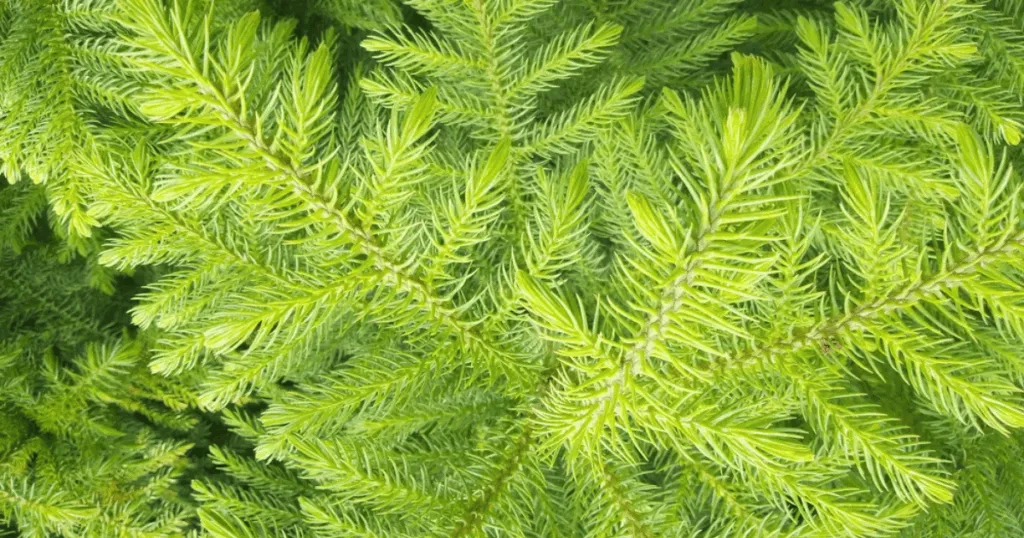
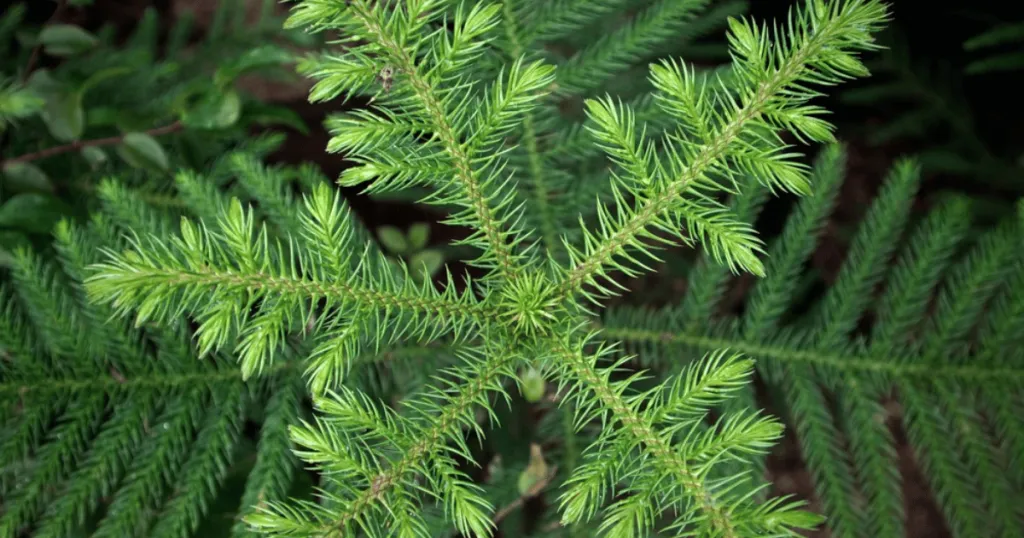
The Norfolk Island Pine is not a true pine, nor is it a cold-hardy tree. It is a tropical conifer native to the South Pacific, which explains its unique physiological needs. In an office environment, it is prized for its symmetrical, tiered branches that grow in distinct horizontal layers. This architectural growth habit makes it an excellent focal point for lobbies, waiting areas, or corners where a vertical, tree-like presence is desired.
Unlike many other indoor plants that can be pruned back aggressively to maintain a specific size, the Norfolk Island Pine has a specific growth pattern that is difficult to manipulate. If you prune the main leader or the tips of the branches, you risk permanently altering its shape. It grows slowly indoors, but it will eventually reach a height that requires a dedicated floor space rather than a desk surface. When selecting a specimen for your office, consider the mature height, as these plants do not adapt well to being cramped in tight, low-ceilinged cubicles.
The needles are soft to the touch, which is a departure from the sharp, woody needles of outdoor pines. However, these needles are highly sensitive to environmental stress. When the plant is unhappy—usually due to insufficient light or dry air—it will signal its distress by browning and dropping its lower needles. Because this process is often irreversible, maintaining the plant’s aesthetic requires a proactive approach to its environment rather than reactive troubleshooting.
Care Needs at a Glance
Successfully keeping a Norfolk Island Pine in a professional setting requires balancing three primary factors: light, moisture, and humidity. Because it is a tropical plant, it does not possess the dormancy mechanisms of temperate trees, meaning it requires consistent care throughout the year.
Light Requirements
This species demands bright, indirect light. In an office, this typically means placing the plant near a south- or east-facing window where it can receive filtered sunlight for several hours a day. Fluorescent or LED office lighting is rarely sufficient to keep a Norfolk Island Pine healthy over the long term. If your office relies entirely on artificial light, this plant will likely decline, appearing sparse and leggy within a few months.
Watering and Moisture
The soil should remain lightly moist at all times. This does not mean waterlogged, but rather that the root ball should never be allowed to dry out completely. In an office, where HVAC systems often cycle air that is exceptionally dry, the soil surface can dry out faster than expected. Check the top inch of soil weekly; if it feels dry to the touch, it is time to water. Using a moisture meter can be a helpful tool for office staff who may be unfamiliar with the specific needs of conifers.
Humidity and Air Quality
Humidity is the most common point of failure for this plant in offices. Standard office environments are often maintained at low humidity levels to preserve electronics and paper files, which is the exact opposite of what the Norfolk Island Pine needs. If the air is too dry, the needles will crisp and drop. Using a small humidifier near the plant or grouping it with other moisture-loving plants can help mitigate this, but it remains a significant hurdle in climate-controlled office buildings.
Office Suitability and Placement
The Norfolk Island Pine works best in environments with high ceilings and ample natural light, such as open-concept reception areas or executive suites. It is not a suitable choice for dark, windowless interior offices or high-traffic corridors where it might be brushed against or knocked over. Because the branches are relatively delicate, placing the plant in a high-traffic zone often leads to broken tips and a messy floor covered in dropped needles.
When planning your office layout, consider the plant’s need for stability. It does not like to be moved, and it is sensitive to temperature fluctuations. Avoid placing it directly in the path of an HVAC vent, as the constant stream of hot or cold air will dehydrate the needles rapidly. A stable, draft-free corner that receives consistent morning light is the ideal placement. If your office closes for long weekends or extended holidays, ensure that someone is responsible for checking the soil moisture, as the plant will not survive a week of intense, dry office heat without water.
Toxicity and Safety Considerations
For offices that allow pets or have frequent visitors with service animals, it is important to be aware of the plant’s toxicity. According to guidance from organizations like the ASPCA, the Norfolk Island Pine is considered mildly toxic to cats and is generally treated as toxic to dogs if ingested. While the plant is not lethal in small amounts, chewing on the needles can cause oral irritation, vomiting, or digestive distress for animals.
If your office is a pet-friendly environment, or if you have concerns about the safety of employees or visitors, consider placing the plant in a location that is inaccessible to animals, such as on a pedestal or in a restricted-access area. While the plant is not a significant threat to humans, it is a practical precaution to ensure that it is not placed in a location where it could be easily reached by curious pets.
Care and Troubleshooting Handoff
Maintaining a healthy Norfolk Island Pine in an office is a commitment to consistent environmental management. Because this plant does not offer the resilience of more common office foliage, it is essential to monitor its condition regularly. If you notice yellowing needles or significant needle drop, it is usually a sign that the plant is either not receiving enough light or that the surrounding air is too dry.
For those who decide to move forward with this species, we recommend establishing a dedicated care schedule that includes weekly moisture checks and periodic rotation to ensure even light distribution. If you encounter persistent issues such as browning tips or stunted growth, you may need to adjust your placement strategy or introduce supplemental humidity. Detailed troubleshooting, including specific guidance on soil amendments and long-term maintenance, is covered in our dedicated care guides, which provide a deeper look at managing this unique conifer in professional settings.
Related Norfolk Island Pine Guides
- Norfolk Island Pine watering and light needs
- fixing common Norfolk Island Pine issues
FAQ
Can a Norfolk Island Pine survive in a windowless office with only fluorescent lights?
No, a Norfolk Island Pine will not thrive in a windowless office. It requires bright, indirect natural light to maintain its health. Without access to sunlight, the plant will eventually lose its needles and become sparse, as standard office lighting is insufficient for its photosynthetic needs.
Why is my Norfolk Island Pine dropping its lower needles?
Needle drop is a common stress response in Norfolk Island Pines, usually caused by low humidity, inconsistent watering, or insufficient light. In an office, the dry air from HVAC systems is the most frequent culprit. Ensure the plant is not near a direct air vent and consider increasing the ambient humidity.
Is it safe to keep a Norfolk Island Pine in an office with pets?
The Norfolk Island Pine is considered mildly toxic to cats and dogs if ingested. While it is not typically dangerous to humans, it can cause digestive upset or oral irritation in pets. If your office is pet-friendly, it is best to place the plant in a location where animals cannot reach it.