When you walk into a workspace, an Anthurium often stands out as a focal point, thanks to its striking, waxy spathes that look almost artificial in their perfection. In an office setting, however, this plant behaves differently than it does in a climate-controlled greenhouse. While it is a popular choice for reception desks and executive suites, it is not a “set it and forget it” plant. It requires a specific balance of light and moisture to maintain its signature glossy foliage and long-lasting blooms throughout the work week.
Understanding how an Anthurium reacts to the typical office climate—often characterized by fluctuating HVAC temperatures, dry air, and artificial lighting—is the first step in deciding if it is the right fit for your specific area. It is a plant that demands consistent attention rather than occasional care, making it a better candidate for dedicated office managers or staff who enjoy routine plant maintenance.
Key Takeaway
The Anthurium is a visually rewarding office plant that thrives in bright, indirect light but requires consistent moisture and humidity to prevent leaf browning.
- Requires medium to bright indirect light for optimal health.
- Allow the top inch of soil to dry between waterings.
- Needs above-average humidity to prevent crispy leaf edges.
- Contains calcium oxalate crystals; toxic if chewed or ingested.
Appearance and Growth Habits
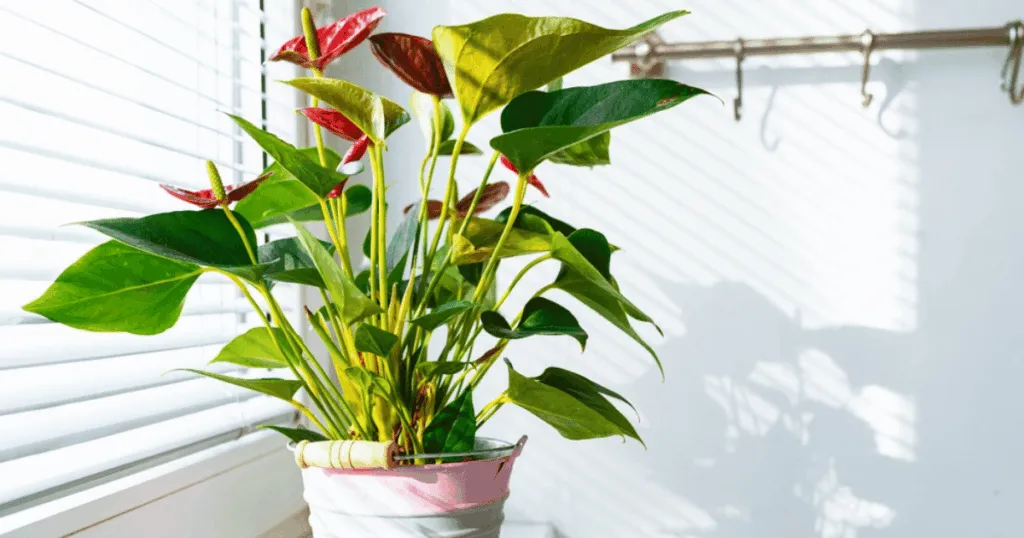
The Anthurium is primarily celebrated for its unique morphology, which sets it apart from standard office greenery like pothos or snake plants. The plant features large, heart-shaped leaves that provide a deep, lush green backdrop. However, the true appeal lies in the spathe—a modified leaf that surrounds a central, finger-like spike called the spadix. These spathes can remain vibrant for weeks, providing a consistent pop of color that adds a professional, polished aesthetic to meeting rooms or lobby areas.
In terms of growth, these plants typically maintain a manageable size, usually staying between 12 and 24 inches tall in standard office containers. They are not aggressive growers, which is an advantage for desk placement where space is at a premium. Because they grow slowly, you will not need to worry about frequent repotting or the plant quickly outgrowing its designated spot. This predictable growth habit allows for long-term planning regarding office layout and furniture spacing.
One important aspect of their growth is their reliance on a root system that prefers aeration. Unlike plants that thrive in heavy, dense soil, Anthuriums benefit from a loose, well-draining potting mix. In an office environment, this means ensuring your containers have adequate drainage holes. A common mistake is allowing the plant to sit in standing water within a decorative outer pot, which can lead to root rot and a rapid decline in the plant’s overall appearance.
Care Needs at a Glance
Maintaining an Anthurium in a professional setting requires a shift in focus from generic watering schedules to observing the plant’s specific signals. Because office environments are often dry due to HVAC systems, humidity is the most frequently overlooked factor. While the plant can tolerate standard office humidity, it will perform significantly better if you can provide a slightly more humid microclimate. This can be achieved through grouping plants together or using a small humidifier in the immediate vicinity of the plant.
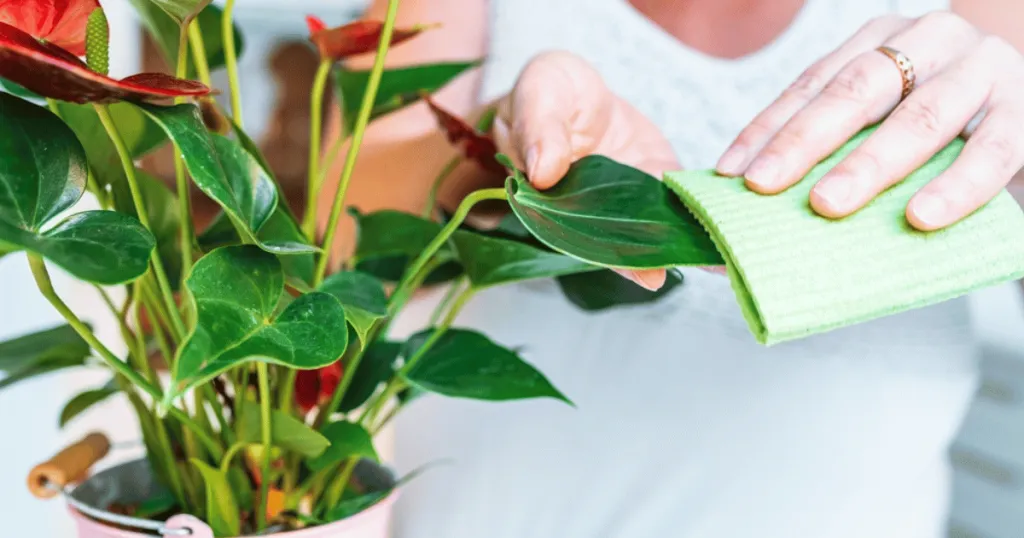
Light is another critical component. While many office plants are marketed as “low light” tolerant, the Anthurium is not one of them. It requires medium to bright indirect light to produce its famous spathes. If placed in a dark corner or a windowless room, the plant will likely survive for a time, but it will stop blooming and may eventually lose its luster. Ideally, position the plant near an east-facing window or in a spot that receives consistent, filtered light throughout the day.
Watering should be approached with a touch-test method. Before adding water, check the top inch of the soil. If it feels dry to the touch, it is time to water. If it still feels damp, wait a few days. This prevents the common issue of overwatering, which is the primary cause of leaf yellowing in these plants. During the winter months or during holiday breaks when the office is closed, the plant’s water consumption will naturally decrease, so adjust your routine accordingly to avoid waterlogged soil.
Office Suitability and Placement Guidance
Choosing the right location for your Anthurium can determine whether it becomes a centerpiece or a maintenance burden. Reception areas and meeting rooms are often the best spots because they typically feature the high-traffic, well-lit conditions the plant prefers. Because the plant is visually striking, it works well as a standalone specimen on a conference table or a welcoming feature on a front desk.
One practical consideration is the proximity to air vents. Avoid placing your Anthurium directly under or in front of an HVAC vent, as the constant stream of forced air—whether hot or cold—will rapidly dehydrate the leaves and cause the edges to turn brown and crispy. This is a common mistake in open-office layouts where airflow is optimized for human comfort rather than plant health. If you must place the plant near a vent, consider installing a small decorative baffle or moving the plant to a more sheltered corner.
For open-office settings, consider the light levels at different times of the day. A spot that feels bright at 9:00 AM might be in deep shadow by 2:00 PM. If you cannot provide consistent light, you may need to supplement with a dedicated LED grow light, which can be discreetly clipped to a shelf or hidden within a decorative planter. This investment often makes the difference between a struggling plant and one that remains a vibrant, healthy part of your office decor.
Toxicity and Safety Considerations
When incorporating plants into a shared office space, it is essential to consider the safety of all occupants, including visiting pets. According to guidance from organizations like the ASPCA, the Anthurium is considered toxic to cats and dogs if ingested. The plant contains calcium oxalate crystals, which can cause significant irritation to the mouth, tongue, and throat if chewed.
While this does not necessarily preclude the use of the plant in an office, it does mean you should exercise caution regarding placement. If your office is pet-friendly or if employees frequently bring pets to work, keep the Anthurium on a high shelf, a secure pedestal, or a reception desk where it is out of reach. This simple precaution allows you to enjoy the aesthetic benefits of the plant while maintaining a safe environment for everyone.
Care and Troubleshooting Handoff
Successfully keeping an Anthurium in an office environment relies on recognizing that it is a tropical plant adapting to a non-tropical space. While the overview provided here covers the essential requirements—light, water, and placement—there are nuances to long-term care that may arise as the seasons change or as the plant matures. Issues such as leaf spots, the fading of blooms, or the management of potting media are common topics that require more detailed, step-by-step guidance.
If you notice your plant struggling, do not be discouraged. Most issues with Anthuriums are easily corrected once you identify the environmental stressor. For deeper insights into specific troubleshooting techniques, such as how to properly prune spent spathes or how to refresh the soil without damaging the root system, we recommend consulting our dedicated care and troubleshooting guides. These resources provide the granular detail needed to keep your office plants thriving for years to come.
Related Anthurium Guides
- our Anthurium care guide
- fixing common Anthurium issues
FAQ
Why are the leaves on my office Anthurium turning brown at the edges?
Brown, crispy edges are almost always a sign of low humidity or exposure to dry, forced air from HVAC vents. Try moving the plant away from direct airflow or grouping it with other plants to create a more humid microclimate.
Can an Anthurium survive in a windowless office with only fluorescent lights?
While Anthuriums can tolerate low light for short periods, they will not thrive or bloom in a windowless room. If you lack natural light, you will likely need to supplement with a full-spectrum LED grow light to maintain the plant’s health.
How often should I fertilize my Anthurium in an office setting?
In an office, growth is often slower than in a greenhouse. Fertilize sparingly during the active growing season—typically spring and summer—using a balanced, water-soluble fertilizer at half-strength. Avoid fertilizing during the winter months.