English ivy is a versatile climber, but its success in an office setting depends heavily on light quality. While these plants are often marketed as low-light tolerant, they will struggle and become leggy if placed in a dark corner or a windowless cubicle. For the most vigorous, lush growth, aim for medium to bright indirect light.
A spot near an east-facing window or a few feet away from a south-facing window is ideal. If your office relies primarily on overhead fluorescent or LED lighting, ensure the plant is positioned within a few feet of the light source to compensate for the lack of natural intensity. Mastering these basics of english ivy care will ensure your plant remains a vibrant addition to your workspace.
At a Glance
- Provide medium to bright indirect light for best growth.
- Keep soil lightly moist but never waterlogged or bone dry.
- Monitor for spider mites in dry, climate-controlled office air.
- Keep out of reach of pets due to saponin toxicity.
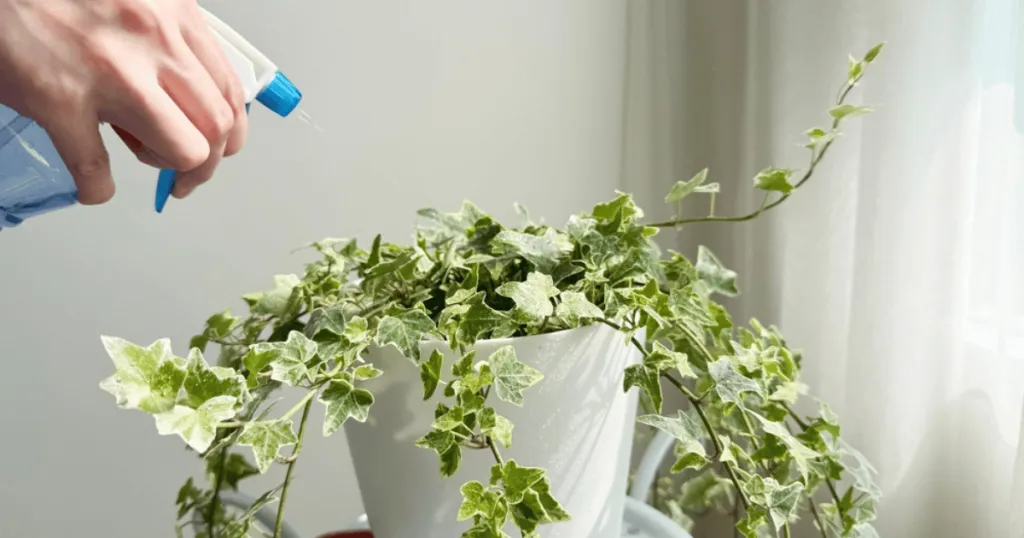
Light and Placement for Office Environments
When selecting a location, avoid spots directly against hot glass, as the temperature fluctuations during summer or winter can stress the foliage. If you notice the plant is stretching toward a light source, rotate the pot weekly to ensure even development. In open-plan offices, consider placing the ivy on a shelf or in a hanging planter where it can trail downward. This not only showcases its aesthetic appeal but also keeps the foliage away from high-traffic desk surfaces where it might be accidentally brushed against or damaged.
Understanding the nuances of light intensity is critical for long-term plant health. While English ivy can survive in lower light, it will not thrive. In an office, ‘thriving’ means the plant produces new, vibrant leaves rather than just maintaining existing ones. If your workspace lacks natural windows, consider using a dedicated LED grow light bulb in a standard desk lamp. This provides the specific spectrum necessary for photosynthesis, preventing the ‘stretching’ or etiolation that occurs when a plant desperately reaches for a distant light source. Always prioritize placement near windows, but be mindful of the ‘heat sink’ effect of glass, which can scorch leaves during peak afternoon hours.
Watering and Soil Management
The most common mistake with English ivy in an office is inconsistent watering. Because office environments often feature HVAC systems that strip moisture from the air, the soil can dry out faster than you expect. Your goal is to keep the potting medium lightly moist at all times. Before adding water, check the top inch of soil with your finger. If it feels dry to the touch, it is time to water. If the soil is still damp, wait another day or two to avoid oversaturating the root system, which can lead to root rot.
Use a well-draining potting mix specifically formulated for indoor plants. If the ivy is sitting in a decorative pot without a drainage hole, you must be extremely careful. We recommend keeping the plant in its plastic nursery liner and placing that inside your decorative container. This allows you to lift the plant out to water it in a sink, ensuring excess water drains away completely before you return it to the desk. Never let the plant sit in a saucer of standing water, as this creates an anaerobic environment that will quickly kill the roots.
Consistency is the secret to successful indoor ivy care. Unlike outdoor ivy, which benefits from deep, infrequent watering, office ivy requires a more measured approach. Because office air is often recycled and filtered, the evaporation rate is higher. If you find yourself forgetting to water, consider using a moisture meter, which can provide a more accurate reading of the root zone than a simple finger test. Remember that a plant in a plastic pot will retain moisture longer than one in a porous terracotta pot; adjust your schedule accordingly based on the material of your container.
Humidity, Temperature, and Feeding
English ivy prefers the moderate humidity levels found in most homes, but office buildings can be notoriously dry. While you do not need to install a dedicated humidifier, you can help the plant by grouping it with other foliage or placing it on a tray filled with pebbles and a small amount of water. This creates a microclimate around the leaves. Keep the plant away from direct airflow from air conditioning vents or heaters, as these drafts cause rapid moisture loss and can lead to brown, crispy leaf edges.
Regarding temperature, ivy is quite resilient and thrives in standard office temperatures between 65 and 75 degrees Fahrenheit. During the growing season, which typically spans from spring through early autumn, you can apply a balanced, water-soluble fertilizer once a month. Dilute the fertilizer to half the recommended strength to prevent salt buildup in the soil. During the winter months, when the plant enters a period of slower growth, stop fertilizing entirely to allow the plant to rest.
Managing the office microclimate is about mitigating the extremes created by HVAC systems. If your desk is directly under an air vent, the constant stream of dry, moving air will desiccate the leaves, leading to the dreaded crispy edges. If you cannot move the plant, consider a small, decorative pebble tray. By filling a shallow tray with pebbles and water, you increase the local humidity as the water evaporates. Ensure the bottom of the pot is sitting on the pebbles, not submerged in the water, to prevent root rot. This simple step can significantly improve the plant’s metabolic rate and overall vigor.
Pruning, Repotting, and Propagation
Pruning is essential for maintaining a tidy, professional look in an office. English ivy grows quickly and can become tangled if left unchecked. Use clean, sharp scissors to trim back any stems that look sparse or have grown too long for your space. Regular pruning encourages the plant to branch out, resulting in a fuller, bushier appearance rather than a few long, thin vines. If you notice any yellowing or dead leaves, remove them immediately to keep the plant looking healthy and to prevent potential pest issues.
Repotting should only be done when the plant becomes root-bound, which you might notice if water runs straight through the pot without soaking in or if roots begin to emerge from the drainage holes. Choose a new container that is only one or two inches larger in diameter than the current one. Propagation is straightforward and a great way to start new plants for other areas of the office. Simply take a four-inch cutting from a healthy stem, remove the lower leaves, and place the stem in a glass of water. Once roots are an inch long, you can transplant the cutting into fresh soil.
When pruning, always use sterilized shears. Wiping your blades with rubbing alcohol between plants prevents the spread of pathogens. For propagation, the ‘water method’ is highly effective for office environments because it allows you to monitor root development visually. Once the roots are established, move the cutting to a small pot with a high-quality, peat-based potting mix. This transition period is when the plant is most vulnerable, so keep the soil consistently moist for the first two weeks to help the new roots acclimate to the solid medium.
Seasonal Adjustments and Common Mistakes
The biggest threat to English ivy in an office is the spider mite. These tiny pests thrive in the dry, warm, and stagnant air often found in office buildings. Regularly inspect the undersides of the leaves for fine webbing or small, stippled spots. If you spot an infestation, wash the leaves gently with a damp cloth or a mild soap solution. Prevention is key; keeping the foliage clean and maintaining adequate humidity will make the plant much less attractive to these pests.
Another common mistake is neglecting the plant over weekends or holidays. If your office shuts down for an extended period, ensure the plant is well-watered before you leave. Avoid the temptation to overwater in anticipation of your absence, as this is a recipe for root rot. If you are going to be away for more than a week, consider moving the plant to a slightly cooler, lower-light area to slow its metabolic rate and reduce its water requirements until you return.
Pest management in an office requires a proactive stance. Spider mites are notoriously difficult to eradicate once they have established a colony. By regularly dusting the leaves with a damp cloth, you not only improve the plant’s ability to photosynthesize but also physically remove any mites before they can reproduce. If you notice a severe infestation, isolate the plant immediately from other office greenery to prevent the spread. For severe cases, a gentle insecticidal soap can be used, but always test a single leaf first to ensure the plant does not react negatively to the treatment.
Strategic Placement for Open-Plan Offices
In open-plan offices, English ivy can serve as a natural room divider or a visual screen. When training ivy to climb or trail, use soft ties to guide the vines. Avoid tight wire or plastic ties that can cut into the stems. If you are using a trellis, ensure it is sturdy enough to support the weight of the foliage as it matures. Placing ivy on top of filing cabinets or room dividers is an excellent way to utilize vertical space, but be mindful that the air near the ceiling is often warmer and drier than at desk level, necessitating more frequent monitoring of soil moisture.
Finally, consider the aesthetic impact of your plant’s container. While plastic liners are best for health, the outer decorative pot can be used to anchor the plant’s style to your office decor. Choose heavy ceramic or stone pots if you are worried about the plant tipping over, especially if you have long, trailing vines that shift the center of gravity. By combining thoughtful placement with a disciplined maintenance routine, English ivy can remain a lush, vibrant addition to your workspace for years to come.
Related English Ivy Guides
- our English Ivy overview
- why your English Ivy might be struggling
FAQ
Is English ivy safe for office pets?
No, English ivy is toxic to cats and dogs. According to the ASPCA, the plant contains triterpenoid saponins, which can cause vomiting, abdominal pain, and hypersalivation if ingested. The sap can also cause skin irritation, so it is best to keep the plant in a location where pets cannot reach the leaves or stems.
Why are the leaves on my English ivy turning brown and crispy?
Brown, crispy leaf edges are usually a sign of low humidity or underwatering. Office HVAC systems often create very dry air. Try grouping the plant with others to increase local humidity, or move it away from direct air vents. Ensure you are checking the soil moisture regularly, as the plant may need more frequent watering in a dry office environment.
How do I know if my English ivy has spider mites?
Spider mites are common in dry office environments. Look for fine, silk-like webbing between the stems or on the undersides of leaves. You might also notice small, pale, or yellow stippling on the leaves. If you see these signs, wipe the leaves down with a damp cloth and a mild soap solution to remove the pests and improve the plant’s health.