Deciding when to refresh your office greenery involves more than just noticing a crowded root ball. While many assume that any time is fine for maintenance, the biological reality of indoor plants suggests that timing is a critical factor for long-term health. In an office environment, where light levels are often lower and humidity is consistently controlled by HVAC systems, plants operate on a specific metabolic cycle that dictates their ability to recover from the stress of being moved into a new container.
Understanding the best time of year to repot office plants allows you to align your maintenance schedule with the natural growth cycles of your indoor species. By prioritizing the spring and early summer months, you provide your plants with the necessary energy to establish roots in fresh soil before the lower light levels of autumn and winter arrive. This approach minimizes the risk of transplant shock and ensures that your office plants remain vibrant throughout the year.
Decision Snapshot
- Repot in early spring for maximum recovery and growth potential.
- Avoid winter repotting when plant metabolic activity is naturally low.
- Check roots for circling or congestion before committing to repotting.
- Ensure the new container has adequate drainage to prevent root rot.
The Biological Logic Behind Seasonal Repotting
The primary reason to be selective about timing is the concept of active growth. During the spring and early summer, increased day length and intensity of light trigger a surge in hormonal activity within most indoor plants. This is when they are most capable of producing new root hairs and recovering from the physical disruption of a container change. In an office setting, this window is particularly vital because the artificial lighting, while consistent, rarely provides the same intensity as natural sunlight. Giving your plants a head start in the spring helps them maximize the energy they do receive.
Conversely, attempting to repot during late autumn or winter often leads to stagnation. When a plant is in a dormant or semi-dormant state, its ability to heal damaged roots is significantly reduced. In an office with dry, conditioned air, a plant that cannot quickly establish itself in new, potentially moister potting mix is at a much higher risk of developing root rot. By waiting for the natural onset of spring, you work with the plant rather than against its internal rhythm.
Identifying When Your Plant Needs a Change
Before you commit to the labor of repotting, it is essential to verify that the plant actually requires more space. A common mistake in office management is assuming that a plant needs a larger pot simply because it has been in the same one for a year. In reality, many slow-growing species prefer to stay slightly root-bound. Look for signs such as roots growing out of the bottom drainage holes, water running straight through the soil without being absorbed, or the plant wilting much faster than it did previously. If the plant is not showing these symptoms, it may be better to simply top-dress the soil with fresh nutrients rather than subjecting it to the stress of a full repotting.
Recommended Species for Seasonal Maintenance
When you have determined that the timing is right, the following species are among the most common in office settings and respond well to being repotted during the spring growth phase.
Snake Plant
The Snake Plant is incredibly resilient, but it does not appreciate frequent disturbance. Because it grows slowly, you will likely only need to repot it every two to three years. When you do, ensure the new pot is only one size larger, as excess soil can hold too much moisture and lead to rot.
ZZ Plant
Similar to the Snake Plant, the ZZ Plant thrives on neglect. Its rhizomes store water efficiently, making it a perfect candidate for spring repotting. If you notice the rhizomes pushing against the sides of the pot or causing the container to bulge, that is your clear signal to move it into a slightly larger vessel.
Pothos
As a vigorous grower, Pothos is often the first plant in an office to outgrow its container. If you notice the vines losing vigor or the soil drying out within a day or two of watering, it is time to upgrade. Spring is the ideal season to prune back the vines and refresh the soil to encourage a new flush of growth.
Chinese Evergreen
Aglaonema varieties are generally tolerant, but they can become top-heavy as they mature. Repotting in the spring allows you to provide a heavier, more stable pot that prevents the plant from tipping over in high-traffic reception areas. They prefer a well-draining mix that stays slightly moist but never waterlogged.
Peace Lily
The Peace Lily is a dramatic communicator, often drooping when it needs water. If you find yourself watering it more frequently than once a week, the root ball has likely consumed most of the available soil. Repotting during the spring helps this plant maintain its lush, deep green foliage throughout the warmer months.
Cast Iron Plant
True to its name, this plant is nearly indestructible. It grows very slowly, meaning you may only need to repot it once every few years. Because it is so hardy, it is one of the few plants that can handle a slightly less-than-perfect repotting job, though spring remains the safest time to minimize stress.
Advanced Considerations: Beyond the Basics
While spring is the golden rule, office managers must account for specific environmental variables. For instance, if your office utilizes high-output LED arrays, your plants may not enter a true winter dormancy. In these cases, you can extend the repotting window into early autumn, provided the ambient temperature remains stable. However, avoid repotting during extreme heat waves or during periods of high office turnover where plant care might be neglected for several days.
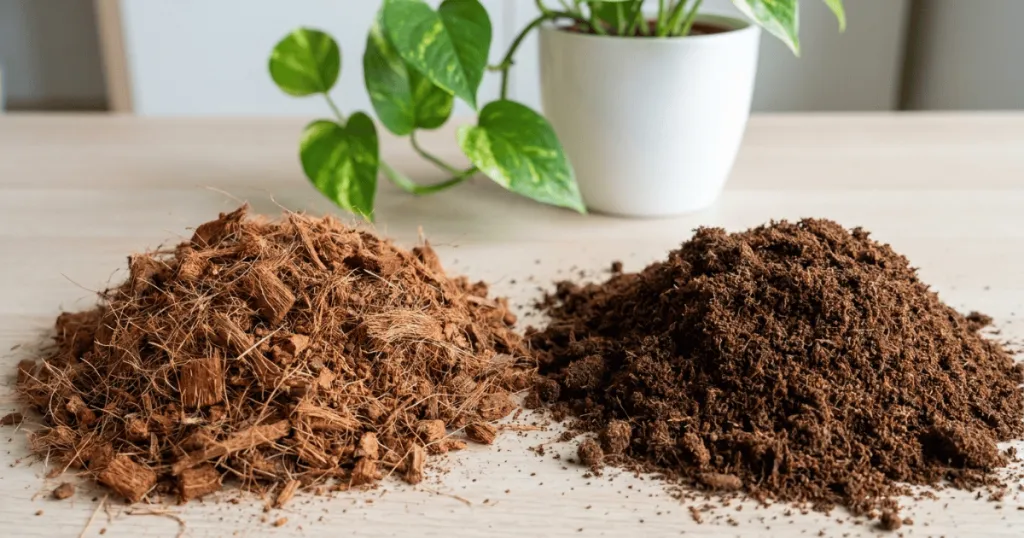
Another factor is the type of potting mix used. If you are using a heavy, peat-based soil, it may break down and compact over time, leading to poor aeration. Repotting is not just about size; it is about soil health. If the soil has become hydrophobic – meaning it repels water rather than absorbing it – repotting is necessary regardless of the season, though you should be extra cautious with watering during the recovery phase if done outside of the spring window.
The Mechanics of a Successful Repot
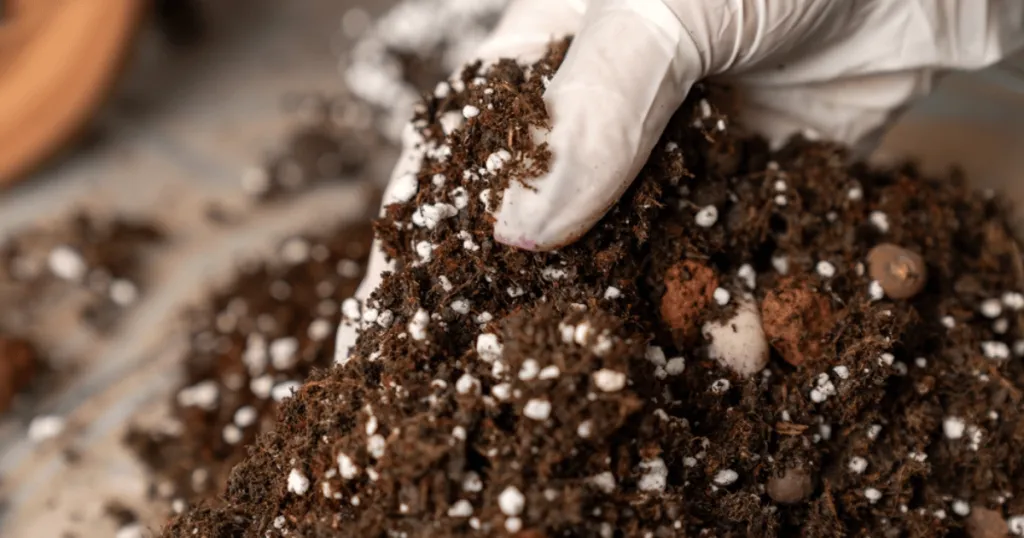
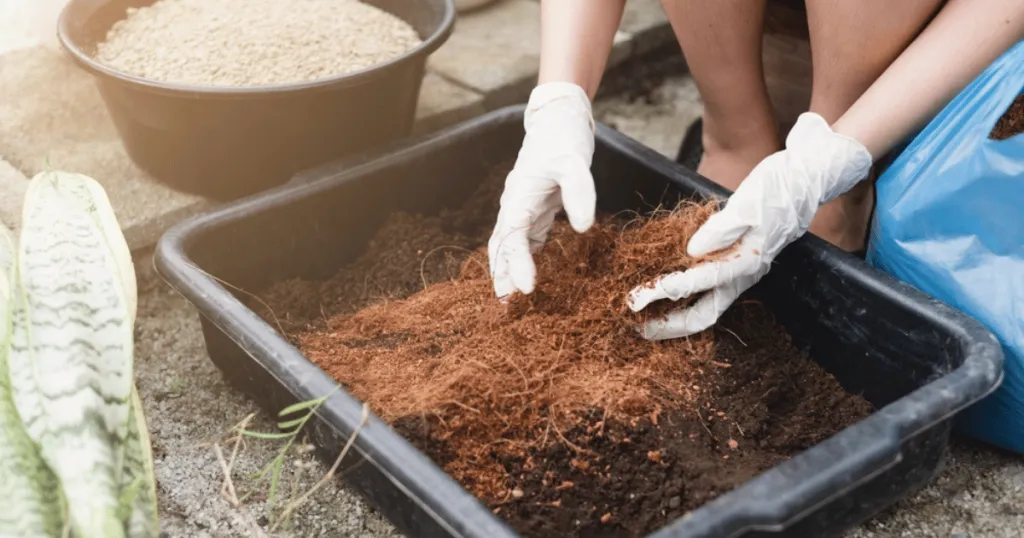
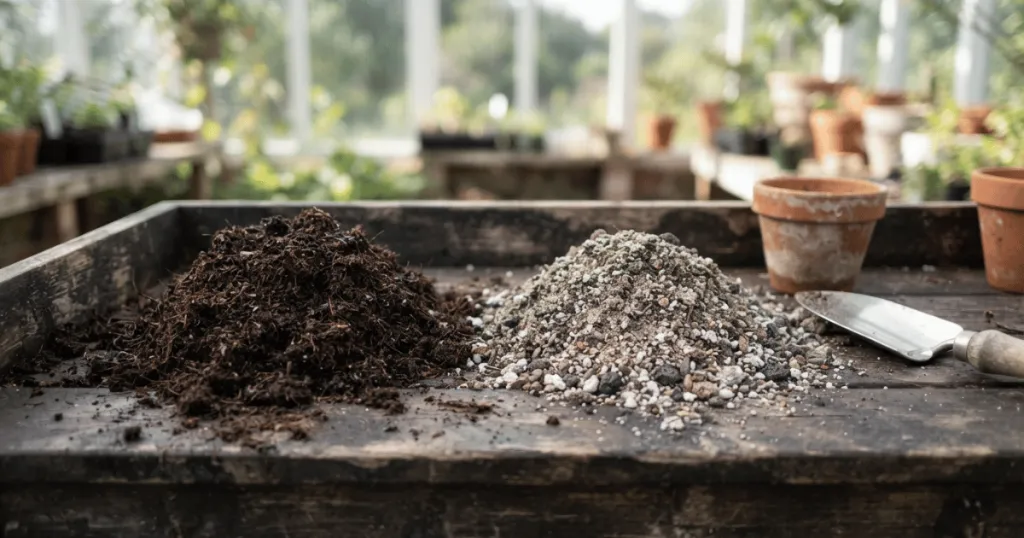
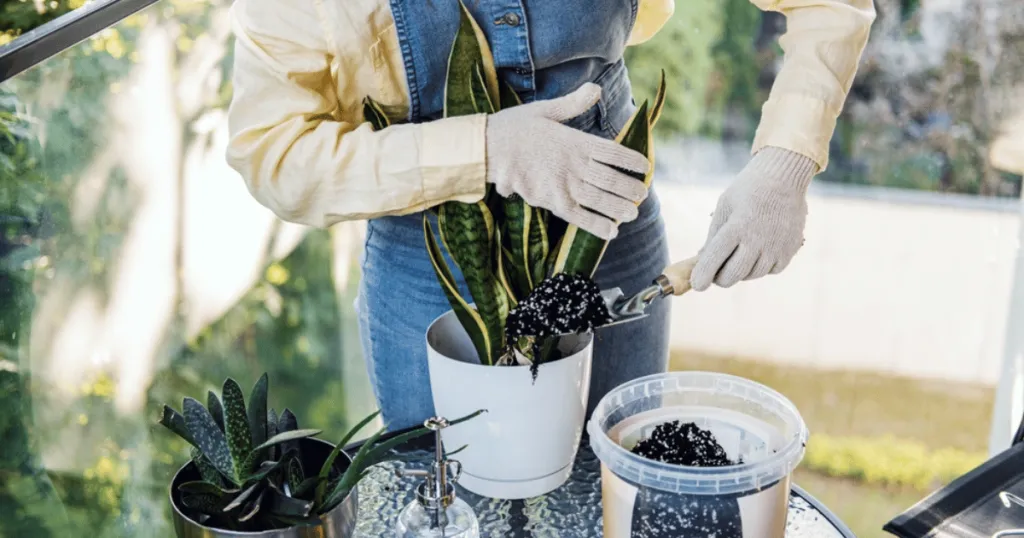
When you finally decide to repot, the process itself is a source of environmental stress. Always prepare your workspace to minimize the time the root ball is exposed to the air. Use a high-quality potting mix that matches the drainage requirements of the specific species. For example, succulents like Jade Plants or Aloe Vera require a gritty, fast-draining mix, whereas ferns like the Boston Fern or Bird’s Nest Fern prefer a moisture-retentive mix with added perlite or bark. Never pack the soil too tightly; roots need oxygen to thrive. A gentle tap on the side of the pot is usually sufficient to settle the soil around the roots.
Strategic Placement and Environmental Considerations
Once you have repotted your plants, their placement in the office becomes even more critical. A freshly repotted plant is vulnerable; it needs a stable environment to recover. Avoid placing newly moved plants directly under intense HVAC vents, as the constant airflow can dehydrate the foliage before the roots have a chance to take up water. Instead, place them in a spot with stable, indirect light where they can focus their energy on root establishment rather than fighting off environmental fluctuations.
For open offices, consider the proximity to windows. While spring light is beneficial, direct afternoon sun can be too harsh for many of these species, especially if they have been moved to a new pot and are currently experiencing mild transplant shock. Use sheer curtains or blinds to filter the light during the first two weeks after repotting. This transition period is essential for ensuring that the plant successfully settles into its new home without losing leaves or showing signs of stress.
Limitations and Trade-offs
Not every plant should be repotted on a strict annual schedule. Some species, such as the Fiddle Leaf Fig or various palms, are notoriously sensitive to being moved. For these plants, it is often better to leave them in their current container for as long as possible, even if they appear slightly crowded. If you must repot a sensitive plant, do so with extreme care, keeping the root ball intact rather than loosening it. The trade-off for a larger pot is often a period of leaf drop or stalled growth, so consider if the aesthetic benefit of a larger pot is worth the temporary decline in the plant’s appearance.
Furthermore, if you manage a large number of office plants, do not attempt to repot them all in a single weekend. The process is labor-intensive and requires careful attention to soil quality and drainage. Instead, stagger your repotting schedule over the course of the spring. This allows you to monitor each plant for signs of distress and adjust your care routine as needed, rather than dealing with a mass of potentially stressed plants simultaneously.
A Note on Maintenance
Repotting is a tool for long-term health, not a quick fix for poor care. If a plant is struggling due to improper lighting or chronic overwatering, moving it to a new pot will not solve the underlying issue. Always address environmental factors first. If the plant is healthy but simply outgrowing its space, then repotting is the correct step. Remember that the goal is to provide the plant with fresh nutrients and space to grow, ensuring that your office remains a vibrant and welcoming environment for everyone.
Assessing Potting Soil Degradation
Beyond the physical size of the container, the chemical and structural integrity of the potting medium is a major factor in office plant health. Over time, irrigation water – especially if it contains high mineral content – can leave salt deposits in the soil. These salts can burn delicate root tips and inhibit nutrient uptake. Even if a plant has not outgrown its pot, the soil itself may have become depleted or compacted. In such cases, a ‘refresh’ repotting is warranted. This involves removing the plant, gently teasing away old, exhausted soil, and replacing it with a fresh, nutrient-rich mix. This process is best performed in early spring, as it allows the plant to immediately tap into the new resources during its natural growth phase. If you notice a white, crusty buildup on the surface of the soil or the rim of the pot, this is a clear indicator that the soil structure has been compromised by mineral accumulation and requires replacement.
Managing Root Health During Transitions
When you remove a plant from its container, take a moment to inspect the root system. Healthy roots are typically firm, white, or light tan, and have a fresh, earthy smell. If you encounter roots that are mushy, dark, or emit a foul odor, you are dealing with root rot. This is a common issue in offices where overwatering is frequent. When repotting, you must trim away these damaged roots with sterilized shears before placing the plant in fresh, well-draining soil. This surgical intervention is significantly more successful when performed in the spring, as the plant has the metabolic capacity to generate new, healthy root tissue. Attempting this in the winter often results in the plant failing to recover, as it lacks the energy to replace the lost root mass. Always prioritize clean tools to prevent the spread of pathogens between your office plants.
FAQ
Can I repot my office plants in the winter if they look crowded?
It is generally better to wait. Winter is a period of low light and dormancy for most office plants. Repotting during this time can cause significant transplant shock because the plant lacks the metabolic energy to repair root damage. If the plant is truly struggling, you may gently top-dress the soil, but save the full repotting for the spring.
How do I know if a plant is root-bound?
Look for roots circling the base of the pot, pushing through drainage holes, or lifting the plant upward out of the soil. Another indicator is if the soil dries out extremely quickly, leaving little room for water retention. If the plant is not showing these signs, it is likely fine in its current container.
Does the best time of year to repot office plants change if I use LED grow lights?
If you use high-quality LED grow lights that provide consistent, intense light year-round, your plants may maintain an active growth cycle even in winter. In this specific case, you have more flexibility, but spring remains the safest and most natural time for most species to recover from the stress of repotting.
Should I fertilize immediately after repotting?
No. Fresh potting soil typically contains enough nutrients to support the plant for the first few months. Fertilizing immediately after repotting can burn sensitive, newly disturbed roots. Wait at least four to six weeks after repotting before introducing any fertilizer, and always use a diluted strength to avoid over-stressing the plant.