
Standard garden soil is rarely a smart choice for indoor office greenery. Commercial landscapes and outdoor flower beds rely on dense earth that retains moisture heavily under open sky and natural wind. Inside a climate-controlled building, however, that same heavy soil packs down tightly around roots, cuts off oxygen, and holds stagnant water for weeks. Choosing the best potting mix for office plants requires looking past standard gardening assumptions and focusing instead on how artificial indoor environments change soil drying rates. Office workers and facility managers face unique challenges such as fluctuating HVAC systems, fluorescent or LED overhead illumination, and extended weekends without watering oversight. Selecting a specialized soil blend prevents common indoor failures like root rot and soil compaction.
Before introducing specific soil profiles or establishing rigid watering routines for desk foliage and lobby displays, setting practical expectations around plant tolerance and indoor microclimates is essential. Office plants rarely experience the gentle, natural wind currents or fluctuating outdoor humidity cycles found in nature. Instead, they contend with steady, mechanical air conditioning drafts that rapidly pull moisture from leaf surfaces while leaving the bottom of the container damp. Recognizing how your chosen substrate interacts with artificial lighting and HVAC airflow ensures long-term plant health without constant manual intervention. Understanding these dynamics is the first step toward building a resilient indoor ecosystem across open-plan workspaces, private executive offices, and shared conference rooms.
Decision Snapshot
- Aroid mix with chunky perlite suits most tropical desk varieties.
- Succulent blends prevent root rot in low light conditions.
- Peat-based general mixes dry too slowly under fluorescent office lights.
- Custom amendments like orchid bark improve aeration in compact pots.
Criteria Behind a Successful Office Soil Profile
Evaluating potting substrates for a professional workspace means looking closely at physical structure rather than nutrient content alone. Unlike outdoor gardens where earthworms and weather continually churn the ground, indoor containers remain static. The ideal medium must balance moisture retention with rapid drainage, ensuring that roots receive adequate oxygen even when watering schedules are irregular or delayed by a long holiday weekend.
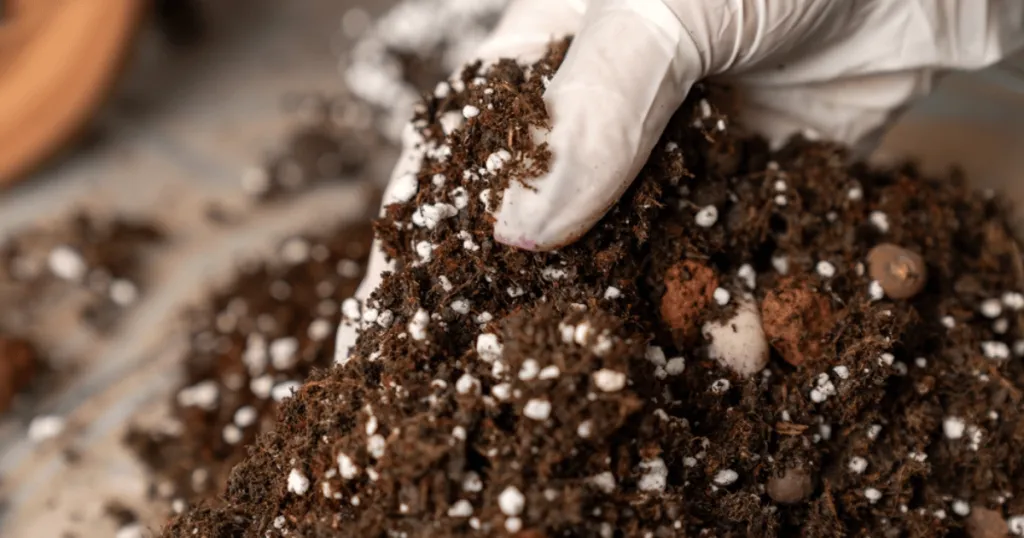
Indoor microclimates created by commercial heating and cooling units dry out the top surface of a pot quickly while keeping the lower root zone damp. A balanced soil profile prevents perched water tables at the bottom of containers while supplying enough organic matter to sustain steady growth without frequent chemical fertilization. Ground particle size matters immensely; fine dust particles compact tightly over time, whereas coarse aggregates maintain microscopic air channels that keep plant root systems healthy. When selecting the best soil for indoor office plants, facilities teams must prioritize aggregates that resist structural breakdown over multi-year cycles.
Essential Components of Indoor Plant Substrates
Understanding what goes into a bag of premium soil helps facility managers make informed decisions for corporate atriums and individual desk setups. Different materials serve distinct structural purposes within the container.
Perlite and Pumice for Aeration
Lightweight volcanic glass and expanded minerals form the backbone of well-draining indoor mixes. These porous additions create microscopic air pockets throughout the root zone. In offices with minimal natural airflow, these materials prevent the soil from settling into a solid block. Proper soil aeration is vital for preventing anaerobic conditions that invite root pathogens.
Orchid Bark for Chunkiness
Fir or pine bark pieces introduce larger interstitial spaces that mimic the natural tree-bark environments where many popular tropical species originate. Epiphytic and semi-epiphytic varieties require these chunky air channels to prevent suffocation. Utilizing high-quality orchid bark for plants ensures that heavy watering still leaves ample room for oxygen penetration.
Peat Moss and Coco Coir for Moisture Balance
Organic fibrous materials hold onto moderate amounts of water without becoming waterlogged. Coco coir serves as a sustainable alternative to peat moss, offering excellent re-wetting properties if a container dries out completely over a long weekend. Balancing these components guarantees that moisture retention aligns with the specific transpiration rate of indoor foliage.
Curated Substrate Options for Workplace Greenery
Different plant families demand tailored growing mediums to thrive under commercial indoor conditions. The following curated soil categories and specialized components represent the best choices for diverse office settings.
Coarse Aroid Mix
An aroid-specific blend combining chunky pine bark, horticultural perlite, coco coir, and a small fraction of worm castings works exceptionally well for popular species like Monsteras, Philodendrons, and Pothos. These plants naturally climb trees in tropical rainforests, meaning their roots demand high oxygen exposure. A heavy peat mix suffocates them in office environments, whereas a chunky aroid formulation allows water to rush through freely while retaining just enough moisture on the bark surfaces to keep roots hydrated between weekly waterings.
Fast Draining Succulent and Cacti Blend
Succulent and cactus varieties placed on bright office windowsills or under dedicated desk lamps require sharp, gritty substrates that dry out within days. Standard potting soil holds moisture far too long for these desert natives, leading almost certainly to basal rot under low indoor evaporation rates. A professional succulent mix heavily weighted with coarse sand, pumice, and crushed granite ensures that moisture escapes rapidly, mimicking the arid native habitats of jade plants, aloe vera, and sturdy architectural yuccas.
Standard Tropical Houseplant Blend with Extra Perlite
For versatile tropical plants like Chinese Evergreens, Dracaenas, and Parlor Palms, a standard base soil can work if it is heavily amended. Straight commercial potting soil packs down too densely under fluorescent lighting, so adding twenty to thirty percent extra perlite or coarse pumice transforms it into a reliable office medium. This adjustment maintains enough moisture for humidity-loving foliage while protecting against accidental overwatering by well-meaning colleagues who water on random schedules.
Fine Peat-Free Bio-Blend
Offices striving for strict environmental sustainability standards often look for peat-free growing mediums. These formulations typically rely on composted bark, rice hulls, and coco coir to replicate the moisture-holding capacity of peat without depleting natural wetlands. They perform admirably for resilient foliage plants like the ZZ Plant and Cast Iron Plant, though care must be taken to monitor watering frequency during the initial weeks as these organic components settle differently than traditional peat.
Inert Hydroponic Media and Lechuza Pon
Mineral-based substrates composed of pumice, lava rock, and zeolites offer a completely soil-free approach for modern corporate offices. These inorganic mineral stones eliminate fungus gnats entirely because organic matter is absent from the pot. They provide exceptional capillary action, drawing water upward from a reservoir while maintaining constant oxygen around the roots. This option suits high-end executive boardrooms and reception areas where pest control and cleanliness are top priorities.
Placement and Container Considerations in Office Spaces
The container choice directly influences how a potting mix behaves. Plastic nursery pots retain moisture significantly longer than unglazed terra cotta pots, meaning a heavier soil blend works fine in plastic if drainage holes are generous. Conversely, porous clay pots pull moisture outward through their walls, requiring a slightly more water-retentive medium to prevent the root ball from drying out prematurely under aggressive HVAC vents.
Floor-standing containers in open-plan offices often experience poor air circulation around the lower half of the pot, creating a damp microclimate where fungus gnats multiply. Layering a coarser drainage material at the bottom is an outdated practice that actually raises the perched water table, so using a uniformly well-draining mix throughout the entire container depth remains the professional standard.
Trade-Offs, Limitations, and When to Choose Differently
While specialized custom mixes solve many indoor cultivation challenges, they do introduce trade-offs. Chunky aroid mixes dry out much faster than heavy peat soils, which can catch office managers off guard if watering intervals are not adjusted for Monday-through-Friday staffing schedules. If an office has high staff turnover or inconsistent maintenance routines, a slightly more forgiving, moisture-retentive medium with added coco coir may prevent plants from drying out completely during unexpected office closures.
Additionally, highly porous mineral mixes lack natural nutrients, requiring a disciplined feeding schedule using balanced liquid fertilizers during the active growing season. Workplaces that prefer minimal maintenance may find that constantly monitoring nutrient levels and soil moisture meters creates unnecessary administrative overhead, making a moderate, pre-fertilized organic potting soil a more practical compromise despite its shorter lifespan in the pot.
Choosing the correct growing medium protects workplace greenery from chronic stress and premature decline. By matching the soil structure to the specific lighting, airflow, and watering realities of a modern office, facilities teams ensure long-term plant vitality with minimal day-to-day intervention.
FAQ
Why does standard garden dirt fail when used in office plant pots?
Outdoor garden earth contains heavy clay and silt particles that compact tightly inside restricted containers, cutting off oxygen and suffocating roots in indoor conditions.
How often should office plant potting mix be replaced entirely?
Most indoor plant substrates break down and lose their structural aeration after twelve to twenty-four months, making a fresh soil refresh beneficial during spring repotting.
Can I prevent fungus gnats in the office by changing the soil type?
Yes, switching from a heavy, organic peat-heavy mix to a mineral-based pon or a coarse, fast-drying aroid blend starves the larvae of the decaying matter they need to survive.
Do office plants under artificial LED lights dry out faster than near windows?
Artificial lighting fixtures generate less direct thermal heat than natural sunlight, usually causing soil to retain moisture slightly longer unless strong indoor HVAC airflow accelerates evaporation.
