Affiliate Disclosure: As an Amazon Associate, I earn from qualifying purchases.
Transforming a sterile workspace with living color requires a shift in perspective. While many indoor plants are selected strictly for their foliage, the best flowering plants for office desk environments must perform under specific constraints: artificial light, consistent HVAC-driven airflow, and the occasional neglect of a long weekend. Finding a plant that produces blooms without requiring a greenhouse environment is the primary challenge for any office manager or employee.
Before diving into specific species, it is essential to adjust your expectations regarding maintenance and longevity. Flowering plants are biologically more demanding than their foliage-only counterparts because the process of photosynthesis must produce enough energy to sustain both vegetative growth and reproductive floral structures.
In an office, where light is often limited to overhead fluorescent or LED fixtures, this energy budget is tight. You should prioritize plants that bloom under standard office lighting, select species with low-frequency watering needs for weekend resilience, and ensure the plant footprint fits within your specific desk workspace constraints. Always check for potential allergen or sensitivity issues before bringing plants into shared cubicle spaces.
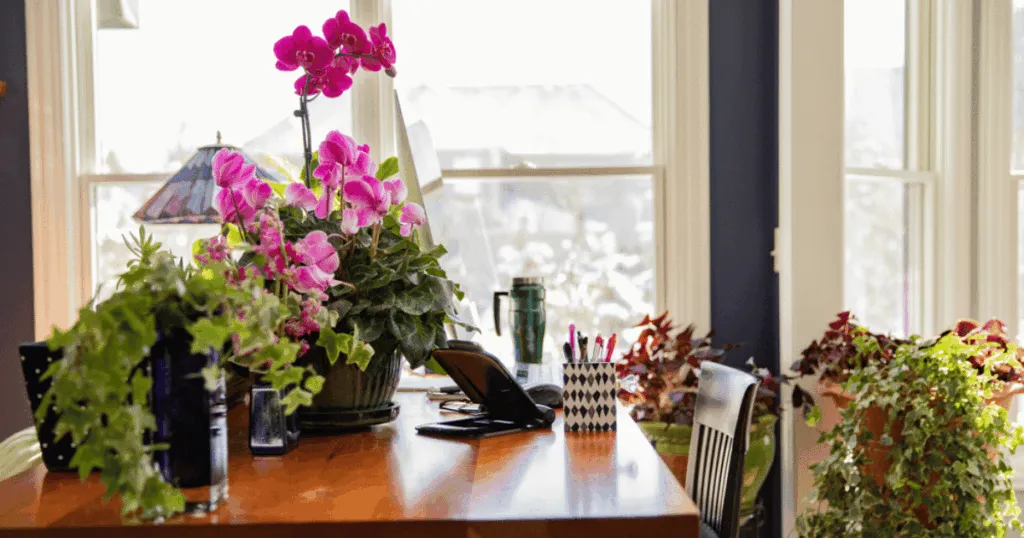
Criteria for Office-Ready Blooms
Before selecting a specimen, consider the environmental variables of your specific desk location. Most office plants struggle not because of a lack of care, but because they are placed in environments that do not support their physiological processes. Flowering plants are generally more demanding than foliage plants because the production of flowers requires significant energy, which in turn necessitates consistent, quality light.
In an office, light is the most critical factor. If your desk is located in an interior cubicle without access to a window, you must rely on overhead fluorescent or LED lights. While these provide enough energy for some plants to survive, they rarely provide the intensity required for heavy blooming. Therefore, the best flowering plants for office desk settings are those that have evolved to bloom in the understory of forests or in low-light conditions.
You should also evaluate the humidity levels; office HVAC systems typically keep air very dry, which can cause flower buds to drop prematurely. A small pebble tray or a consistent watering schedule can mitigate this, but choosing a plant that is naturally tolerant of low humidity is a much more effective strategy.
Furthermore, consider the “bloom cycle” of your chosen plant. Some species are “one-and-done” in office conditions, meaning they will bloom once and then require specific environmental triggers (like a drop in temperature or a change in day length) to bloom again. In an office, these triggers are often impossible to replicate. Viewing these plants as long-term seasonal decor rather than permanent blooming fixtures will save you significant frustration. If you want year-round color, consider rotating two different plants or focusing on species that have long-lasting, waxy bracts rather than delicate, short-lived petals.
Top Selections for Desk Environments
Spathiphyllum (Peace Lily)
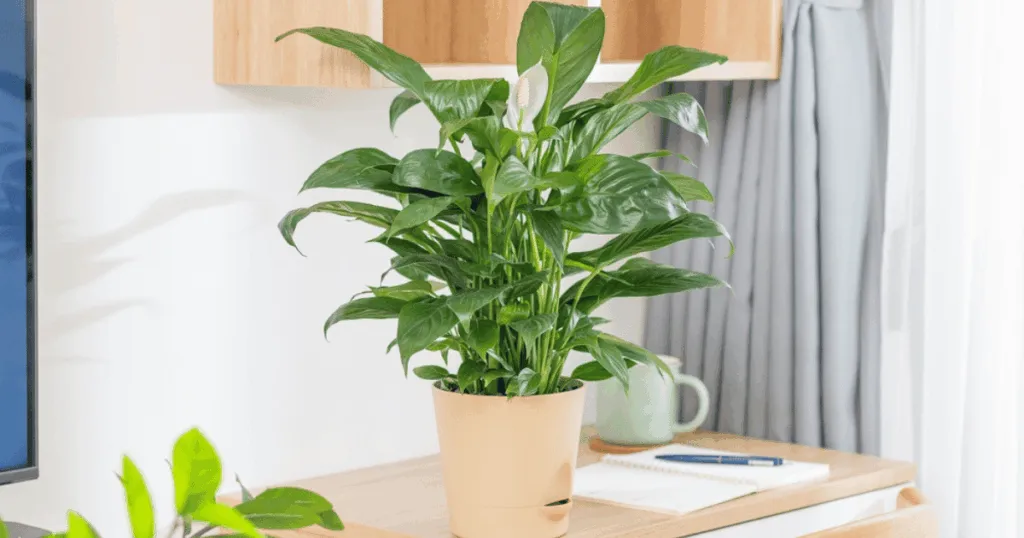
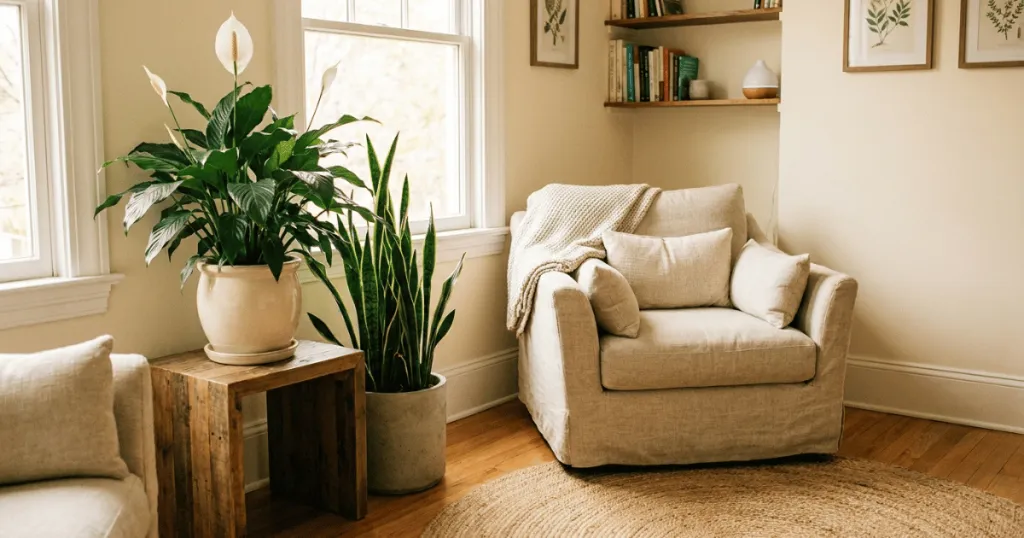
The Peace Lily remains a staple for a reason. Its white spathes are elegant and provide a clean, professional aesthetic. It is uniquely suited for offices because it communicates its water needs clearly by drooping, allowing you to avoid the common mistake of overwatering. It thrives in the low-light conditions common to most office interiors. When selecting a Peace Lily, look for the ‘Petite’ varieties, as standard cultivars can grow quite large and eventually outgrow a standard desk surface.
Phalaenopsis (Moth Orchid)
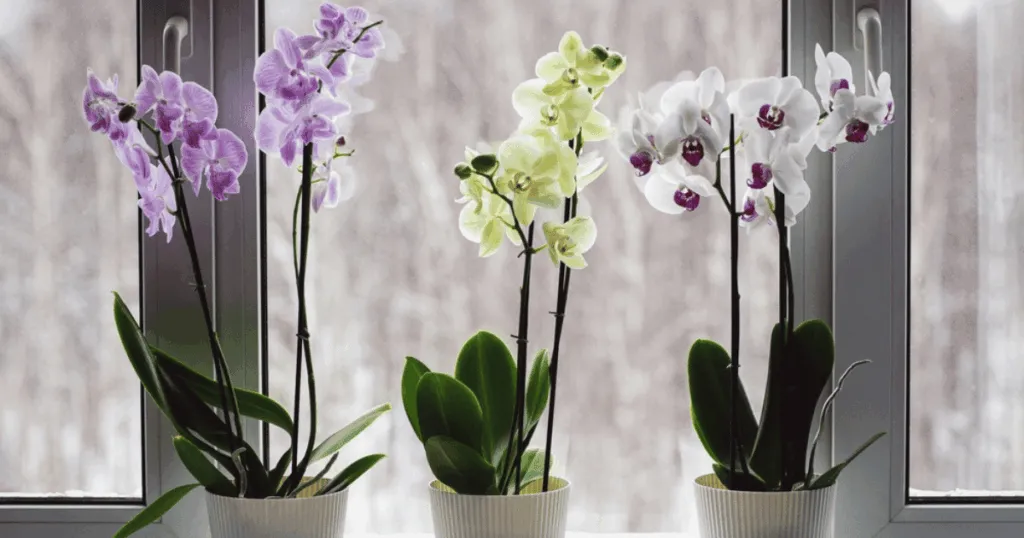
For a sophisticated look, the Moth Orchid is unmatched. These plants are surprisingly resilient, with blooms that can last for several months. They prefer bright, indirect light, making them perfect for desks near windows. The primary caveat is that they require specialized potting media—never plant them in standard soil—and they are highly sensitive to standing water in the crown. If water collects in the center of the leaves, it can lead to rot, so always water the medium directly, avoiding the foliage.
Anthurium (Flamingo Flower)
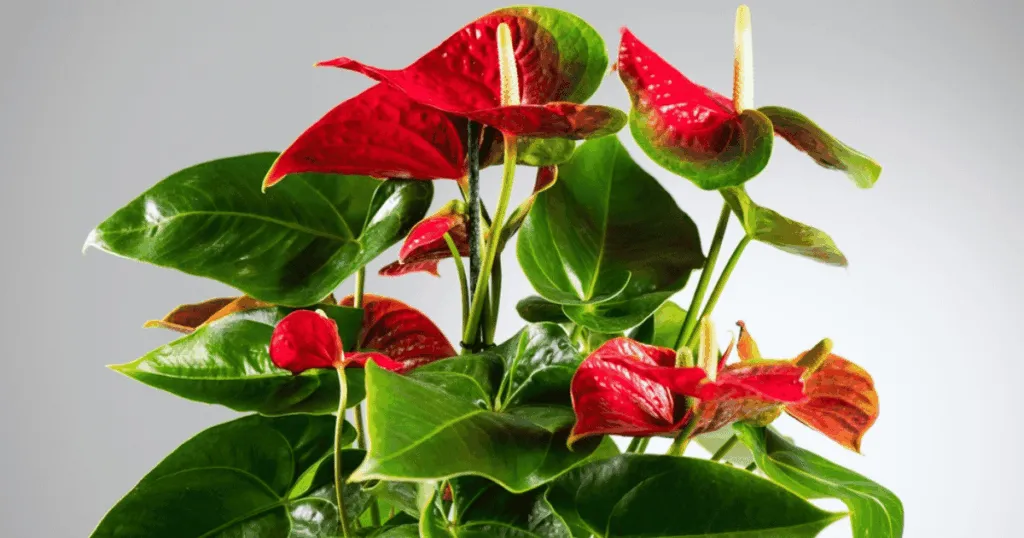
Anthuriums offer long-lasting, waxy red or pink spathes that add a vibrant pop of color to a neutral office palette. They are quite forgiving regarding light levels and can handle the fluctuating temperatures of an office environment. Keep them away from direct heating or cooling vents to prevent the leaves from drying out. Because they are epiphytic in nature, they appreciate a well-draining, airy potting mix that mimics their natural environment.
Saintpaulia (African Violet)
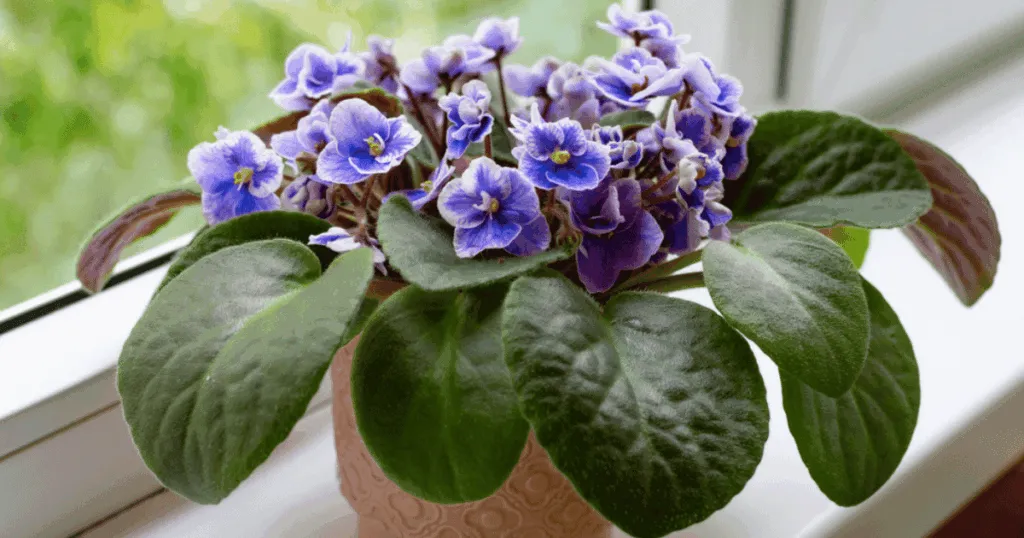
If you have limited desk space, the compact African Violet is an ideal choice. These plants bloom almost continuously when provided with consistent, bright, indirect light. They are best watered from the bottom to avoid spotting the leaves, making them a great candidate for a self-watering pot system that simplifies care during busy work weeks. Their small stature makes them perfect for corner placement on a desk where they won’t interfere with your computer equipment.
Kalanchoe Blossfeldiana
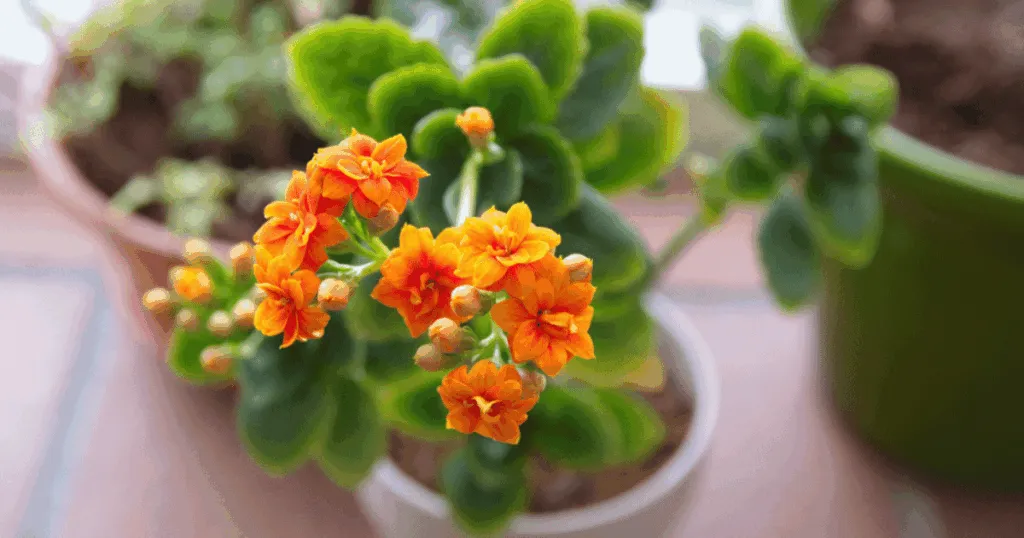
This succulent is perfect for those who want flowers but struggle with a consistent watering schedule. Kalanchoes store water in their leaves, making them highly resistant to the dry air of an office. They require more direct light than the Peace Lily, so ensure they are placed where they can receive at least a few hours of natural light or high-intensity task lighting. If the plant becomes leggy, it is a clear sign that it needs more light to maintain its compact, flowering form.
Placement and Use-Case Strategy
Where you place your plant is just as important as the species you choose. A plant sitting directly under an air conditioning vent will experience rapid moisture loss, regardless of how often you water it. Conversely, a plant placed in a dark corner will eventually stop flowering and may lose its foliage. Use the desk surface to create a micro-climate; grouping plants together can slightly increase the local humidity, which benefits flowering species. This is particularly useful in open-plan offices where air circulation is high and humidity is consistently low.
Consider the height and spread of the plant. A large Anthurium might overwhelm a small desk, whereas an African Violet fits neatly into a corner. If you are managing a reception area, consider a larger, more architectural plant like a Peace Lily, which provides a welcoming, professional appearance. For individual desks, prioritize plants that do not require frequent pruning or cleanup, as falling petals can become a nuisance in a high-traffic workspace. Always ensure that your plant does not obstruct your view of colleagues or your computer monitor, as this can lead to accidental knocks and spills.
Managing Expectations and Trade-offs
It is important to acknowledge that flowering plants in an office are often treated as long-term seasonal decor rather than permanent fixtures. Some species, like the Kalanchoe, may require a period of darkness to trigger a second round of blooming, which is difficult to achieve in an office that is lit at night or has irregular hours. For many office workers, the best approach is to enjoy the plant while it is in bloom and accept that it may transition to a foliage-only phase afterward.
If you find that your plant is not flowering, the most common culprit is a lack of light. Before moving the plant to a different location, verify if your desk lighting is sufficient. If you are using a desk lamp, consider switching to a full-spectrum LED bulb, which can provide the specific wavelengths necessary for flower production.
Avoid the temptation to over-fertilize in an attempt to force blooms; this often leads to salt buildup in the soil and can damage the root system, ultimately reducing the plant’s health. Remember that environmental stressors, such as sudden temperature changes or irregular watering, are more likely to cause bud drop than a lack of fertilizer.
A Note on Office Plant Care
Maintaining indoor greenery in a professional setting requires a focus on consistency rather than intensity. Most office plants fail due to excessive care—specifically overwatering—rather than neglect. Always check the moisture level of the soil before adding more water. If the top inch of soil is still damp, wait another day.
Using a pot with proper drainage is non-negotiable; if your decorative container lacks holes, keep the plant in its plastic nursery liner and place that inside the decorative pot. This allows you to remove the plant for watering and ensure it never sits in stagnant water, which is the fastest way to invite root rot and pests into your workspace.
Furthermore, consider the impact of your office’s “weekend cycle.” If your office is climate-controlled to be cooler on weekends, your plants will use less water. Adjust your watering schedule accordingly. If you are going to be away for an extended period, such as a holiday break, ensure your plants are in a location that receives consistent, moderate light and is protected from extreme temperature fluctuations. A simple, well-planned maintenance routine—checking moisture levels once a week and wiping dust off leaves—will keep your flowering desk plants healthy and aesthetically pleasing for months to come.
Understanding the Role of Light Quality
While we often discuss light in terms of “bright” or “dim,” the quality of light is equally important for flowering plants. Photosynthesis is the engine that drives flowering, and different wavelengths of light serve different purposes. Blue light, which is abundant in many LED office lights, promotes vegetative growth and compact foliage. Red light, however, is crucial for the development of flowers. If you are struggling to get your plants to bloom, a full-spectrum LED desk lamp is one of the most effective tools in your arsenal.
These lamps mimic the sun’s natural output, providing the red-spectrum light that triggers and sustains the blooming cycle. When using a desk lamp, position it close to the plant—usually within 6 to 12 inches—to ensure the intensity is high enough to make a difference, but be mindful of heat output, as some older bulbs can scorch delicate leaves.
The Importance of Potting Media and Drainage
Many office workers purchase flowering plants in decorative pots that lack drainage holes. This is a common setup error that frequently leads to root rot. When a plant sits in water, the roots are deprived of oxygen, which is essential for the plant to absorb nutrients and water. To avoid this, always keep your plant in its original nursery liner.
The liner has holes that allow excess water to drain away. When you water the plant, take the liner out of the decorative pot, water it in a sink, let it drain completely for 10 to 15 minutes, and then return it to the decorative container. This simple habit prevents the accumulation of stagnant water and significantly extends the life of your flowering desk plants.
Additionally, the potting media itself plays a role in plant health. Flowering plants like orchids, for example, cannot survive in standard potting soil because they need high aeration around their roots. Using the correct medium—such as bark chips for orchids or a peat-based mix for African Violets—ensures that the roots have access to both moisture and oxygen. If you notice your plant’s soil becoming compacted or hard, it may be time to repot it into a fresh, high-quality mix, which will provide the nutrients and structure necessary for continued growth.
FAQ
Can I keep flowering plants on my desk if I have no windows?
Yes, but you must choose species like the Peace Lily or Anthurium that tolerate low light. For consistent blooming, consider adding a full-spectrum LED desk lamp to supplement the ambient office lighting.
How often should I water my office flowering plants?
There is no universal schedule. Always check the soil moisture by touch; if the top inch is dry, it is time to water. Most office plants prefer to dry out slightly between waterings to prevent root rot.
Why do the flowers on my office plant fall off so quickly?
This is often caused by low humidity or sudden temperature shifts from HVAC vents. Placing the plant away from direct drafts and using a pebble tray can help maintain the moisture levels required for blooms.
Are these flowering plants safe for office pets or children?
Many common flowering plants, such as Peace Lilies and Anthuriums, contain calcium oxalate crystals that can cause irritation if ingested. Always check the specific toxicity of a plant if you work in an environment where pets or children are present.