Affiliate Disclosure: As an Amazon Associate, I earn from qualifying purchases.
Choosing the right greenery for a professional workspace requires moving beyond aesthetic appeal to prioritize resilience and low maintenance. The best plants for corporate office environments are those capable of enduring fluctuating HVAC systems, artificial lighting, and the inevitable periods of neglect that occur during weekends or holiday closures. If your goal is to introduce life into a reception area, meeting room, or individual desk without creating a new maintenance burden for your facilities team, your selection process must prioritize physiological durability over visual novelty.
This guide focuses on species that demonstrate high tolerance for indoor stressors. If you are managing a space with significant natural light or a dedicated horticultural team, your options expand considerably, but for the standard corporate footprint, the following selections represent the most reliable candidates for long-term success. If your office lacks consistent natural light or relies heavily on automated climate control, prioritize these hardy indoor plants over delicate tropical varieties that require high humidity and constant attention.
At a Glance
- Snake plants thrive in low light and require infrequent watering.
- ZZ plants tolerate dry air and irregular, dim lighting conditions.
- Pothos varieties adapt quickly to various light levels and office layouts.
- Cast iron plants withstand temperature swings and minimal attention.
- Peace lilies signal thirst clearly, making them ideal for beginners.
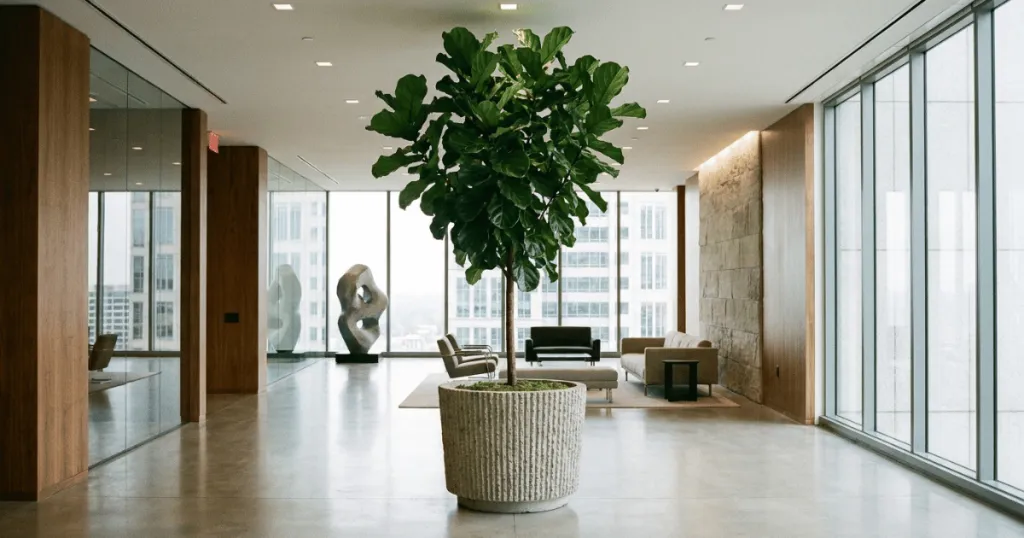
Defining Success in the Corporate Landscape
The primary challenge in any office setting is the environmental disconnect between a plant’s native habitat and the climate-controlled reality of a commercial building. Most corporate offices operate on a cycle of high-intensity artificial lighting during the work week, followed by complete darkness over the weekend. Furthermore, centralized HVAC systems often strip humidity from the air, creating a desert-like microclimate that many tropical species struggle to survive.
When evaluating candidates, prioritize plants with thick, waxy cuticles or succulent-like foliage. These features allow the plant to store water and resist transpiration, effectively buffering the plant against the dry, recycled air common in modern office towers. A common mistake is selecting plants based on their appearance in a greenhouse or nursery; a plant that looks lush in a high-humidity, high-light environment will often suffer immediate leaf drop when moved to a windowless cubicle.
Focus your selection on species that exhibit slow-to-moderate growth rates. Rapidly growing plants require frequent repotting and pruning, which increases the labor cost of maintaining your office greenery. A plant that stays within its designated footprint for several years is far more valuable to an office manager than one that requires constant intervention to keep it from obstructing walkways or encroaching on desk space. Understanding the light intensity of your specific floor plan is vital; while some plants are labeled as ‘low light,’ this does not mean ‘no light.’ Every plant requires some form of light energy to maintain its physiological durability and prevent the decline of its health.
Top Selections for Professional Workspaces
Snake Plants (Dracaena trifasciata)
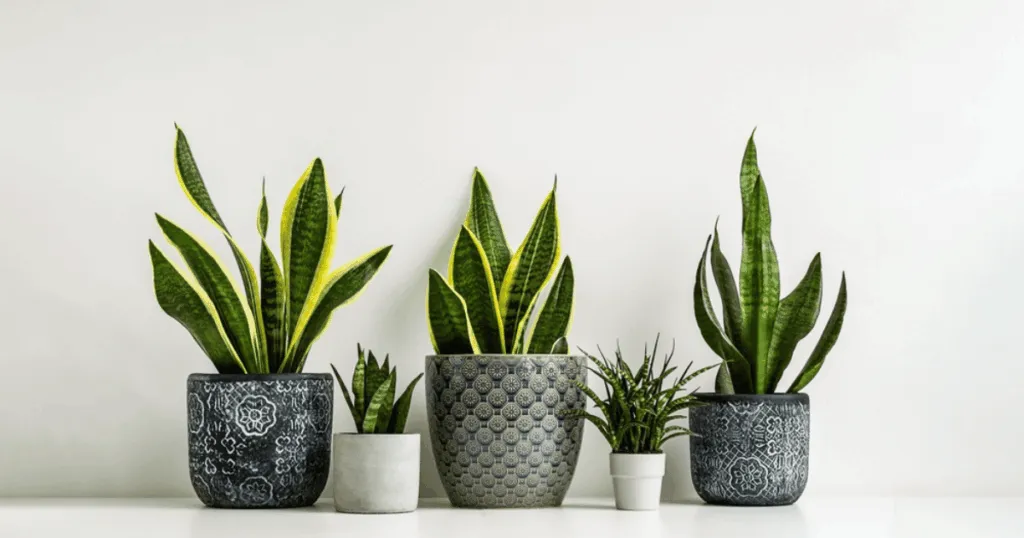
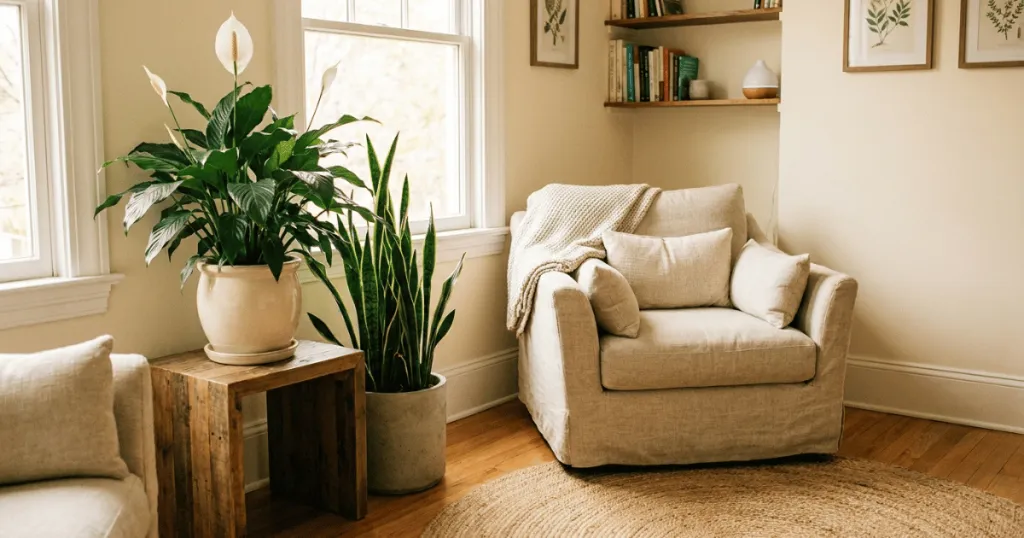
Often considered the gold standard for low-maintenance office decor, the snake plant is exceptionally forgiving. Its vertical growth habit makes it ideal for narrow corners or tight desk spaces where horizontal spread is discouraged. These plants are remarkably efficient at surviving in dim, windowless offices, though they will grow faster with access to indirect light. Because they store water in their leaves, they are the most resilient choice for offices that go completely unmonitored for extended periods. In practice, the snake plant is a top choice for facilities management teams because it rarely requires pruning and is highly resistant to common indoor pests.
ZZ Plants (Zamioculcas zamiifolia)
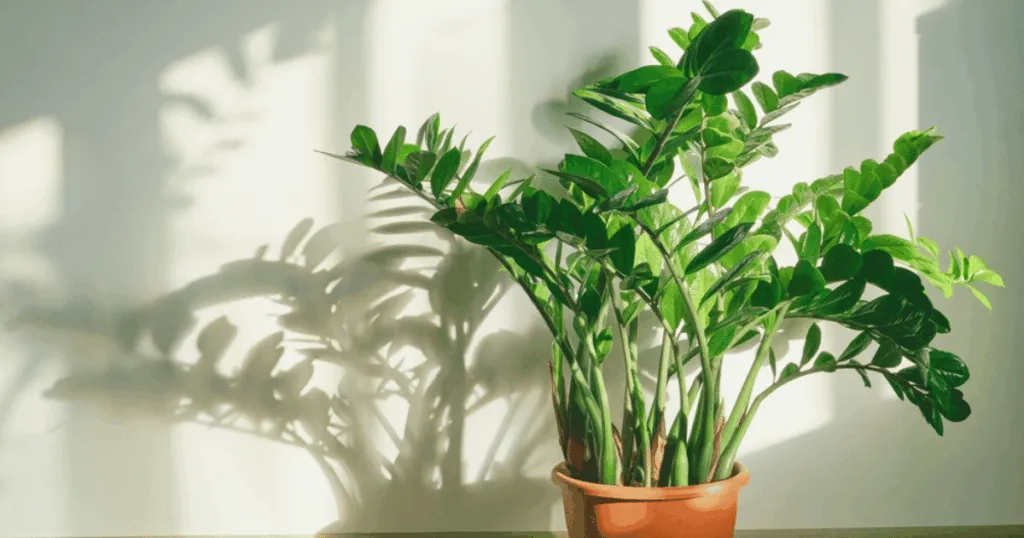
The ZZ plant is a powerhouse for dark, interior offices. It features glossy, dark green leaves that seem to thrive on neglect. Unlike many other indoor plants, the ZZ plant has rhizomes—thick, underground stems that store water—allowing it to survive weeks without a drop of moisture. It is particularly well-suited for reception desks or areas where natural light is non-existent, as it can maintain its health under standard fluorescent or LED office lighting. The waxy cuticle on its leaves also makes it easier to clean, which is a significant advantage in dusty office environments.
Pothos (Epipremnum aureum)
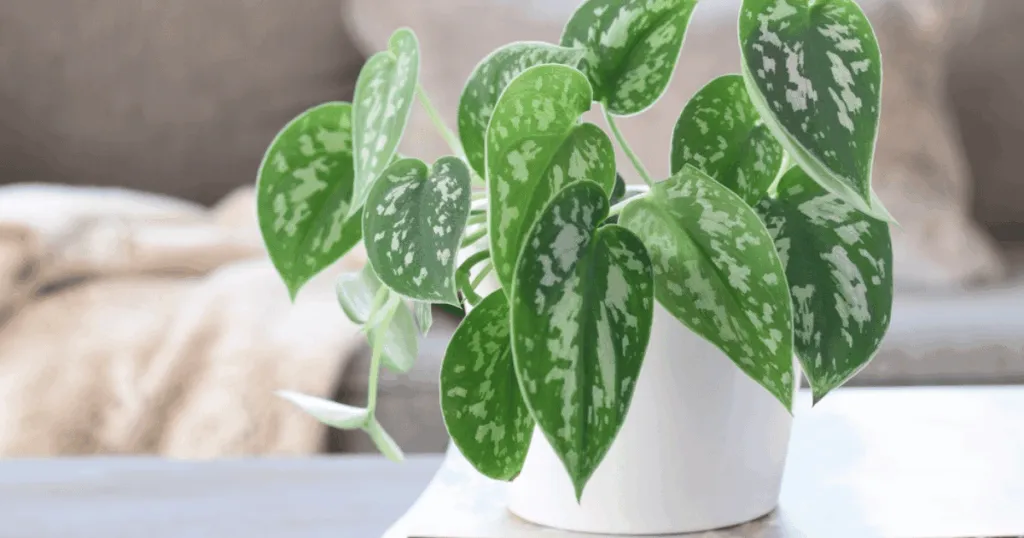
If you need a plant that can trail down from a high shelf or climb a partition, pothos is the most versatile option. It is highly communicative; when it needs water, the leaves will begin to droop slightly, providing a visual cue before the plant reaches a point of permanent damage. Pothos is also incredibly easy to propagate, meaning you can easily replace or expand your greenery without purchasing new specimens. This makes it an excellent candidate for large-scale biophilic design projects where consistency across multiple workstations is desired.
Cast Iron Plant (Aspidistra elatior)
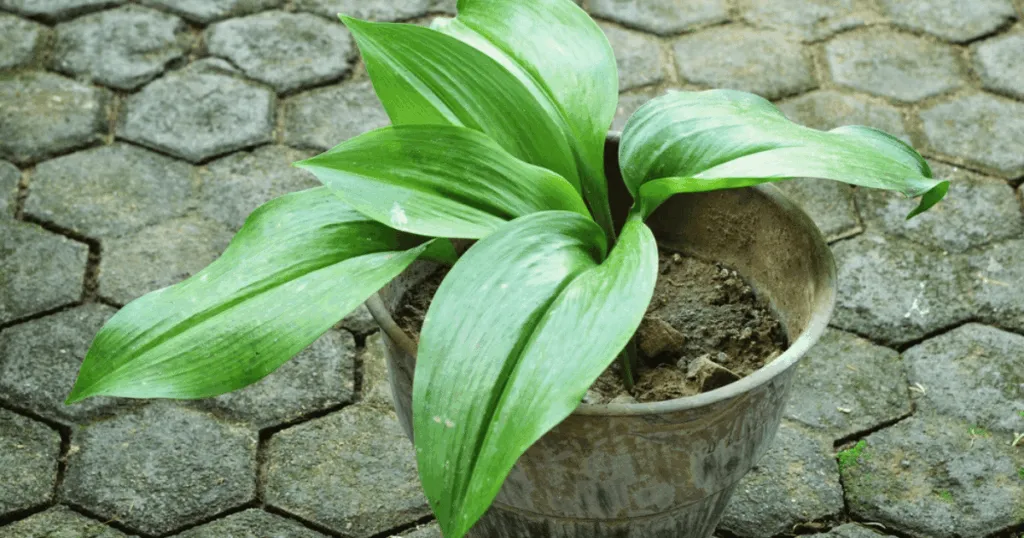
True to its name, this plant is nearly indestructible. It is the ideal choice for high-traffic areas where plants might be bumped or subjected to drafts from doors and vents. While it grows more slowly than pothos, it offers a lush, broad-leaf aesthetic that feels more substantial in a boardroom or executive office. It is highly resistant to the temperature fluctuations that often plague entryways and lobby areas. Because it is slow-growing, you won’t need to worry about it outgrowing its container for several years, reducing the need for messy repotting sessions.
Peace Lily (Spathiphyllum)
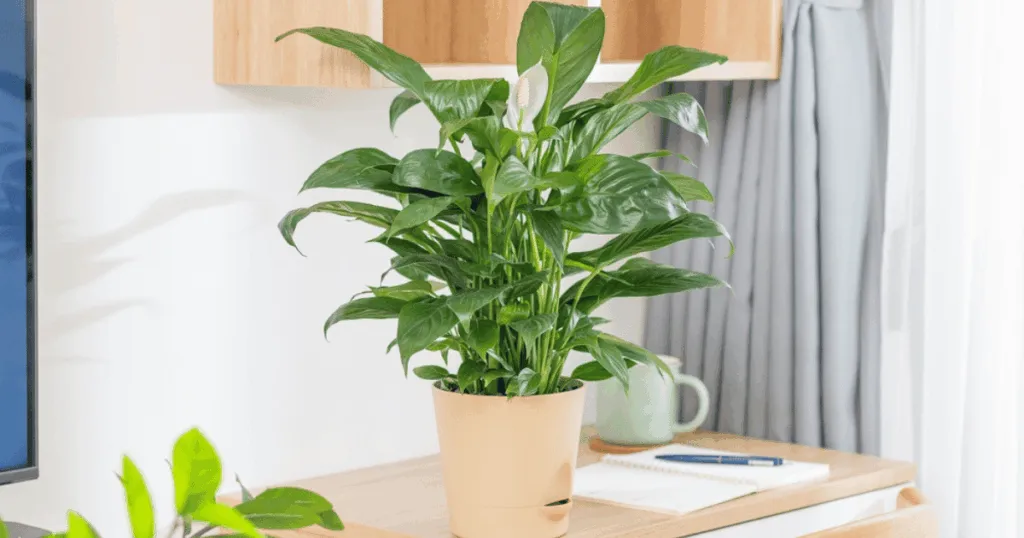
For those who prefer a flowering plant, the peace lily is a classic choice. It is one of the few indoor plants that will reliably produce white blooms in lower light conditions. While it requires more consistent moisture than the snake or ZZ plant, its habit of wilting dramatically when dry serves as a built-in reminder for the watering schedule. It is a reliable indicator plant that helps staff learn the rhythm of office plant care. However, note that it is less drought-tolerant than the other options, so it is best placed in areas where someone is present to monitor its water needs.
Strategic Placement and Use-Case Integration
Placement is as critical as species selection. In a corporate office, the goal is to integrate greenery without impeding workflow. For open-plan offices, consider using floor-standing plants like the snake plant as natural dividers between workstations. This provides a visual break and a sense of privacy without the need for permanent partitions. When using plants as dividers, ensure they are in heavy, stable pots to prevent tipping in high-traffic corridors.
In meeting rooms, focus on table-top specimens that do not obstruct sightlines. A small, well-maintained ZZ plant or a compact pothos in a heavy, stable pot works well. Avoid placing plants directly under air conditioning vents, as the constant stream of cold or dry air can cause leaf tip browning, regardless of the plant’s hardiness. Instead, look for corners or areas near interior walls where the airflow is more stable. If you are placing plants on desks, ensure they do not interfere with computer equipment or power cables.
Reception areas are the most visible part of an office, and here, the health of the plant is paramount. A dying or dusty plant reflects poorly on the space. Choose plants that are easy to wipe down, such as those with large, smooth leaves, and ensure they are placed in a location where they can be easily accessed for cleaning and watering without disrupting the reception desk’s daily operations. Regular dusting is a key part of office plant care, as it ensures the plant can effectively perform photosynthesis despite limited light availability.
Managing Environmental Stressors
The office environment is inherently artificial. Understanding how to mitigate environmental stressors is the difference between a thriving plant and a failing one. Fluorescent lighting, while sufficient for survival, is often not enough for robust growth. If your office has very little natural light, rotate your plants occasionally to a brighter spot if possible, or accept that they will simply exist in a state of stasis. This is perfectly acceptable for many office managers who prioritize the visual presence of the plant over rapid growth.
Soil moisture management is another critical factor. Because office plants are often kept in containers without drainage holes to protect office furniture, the risk of root rot is high. Always use a well-draining potting mix and consider adding a layer of gravel at the bottom of the pot, though this is not a substitute for proper watering habits. If you are responsible for the plants, keep a simple log or use a calendar reminder to ensure that watering is consistent and not left to chance.
Temperature stability is often overlooked. While many plants can handle a range of temperatures, they struggle with sudden, extreme changes. Avoid placing plants near exterior doors that open frequently in winter, or directly in the path of a heater. A consistent, moderate temperature is the best environment for long-term plant health.
Limitations and Choosing Differently
Not every office environment is suitable for live plants. If your facility has extreme temperature swings—such as an office that is unheated over the weekend during winter—even the hardiest plants will struggle. In these cases, it is often better to opt for high-quality artificial greenery or to focus on improving the lighting infrastructure first. Artificial plants have evolved significantly and can provide the desired aesthetic without the risk of plant failure.
Another consideration is the human factor. If your office culture does not include a clear policy on who is responsible for watering, plants will likely suffer. Before investing in a large collection, ensure there is a clear, documented plan for maintenance. A common mistake is assuming that plants will be cared for by whoever is sitting closest to them; this often leads to some plants being overwatered by well-meaning employees while others are ignored entirely. Consider assigning a ‘plant champion’ or contracting a professional interior landscaping service if the scale of your greenery is significant.
Finally, be mindful of the physical footprint. In high-density offices, space is at a premium. Avoid selecting plants that require wide, sprawling pots. If you find that your office layout is too cramped or the light is insufficient for even the most resilient species, do not force the issue. A few healthy, well-placed plants are significantly more effective than a large collection of struggling, yellowing specimens that detract from the professional atmosphere of the workspace.
Regarding the presence of greenery in shared spaces, it is prudent to consider the potential for allergies. While rare, some individuals may have sensitivities to specific plant species or the potting soil itself. If your team has expressed concerns, consider using high-quality, inert growing media like LECA (lightweight expanded clay aggregate) to minimize dust and potential mold growth, or consult with staff before introducing new greenery into shared, enclosed meeting rooms.
FAQ
How often should I water the best plants for corporate office spaces?
Most hardy office plants, such as snake plants and ZZ plants, prefer to dry out completely between waterings. In a typical office environment, this usually equates to once every two to three weeks. Always check the soil moisture by inserting a finger or a wooden dowel two inches into the soil; if it feels damp, wait another few days.
Do I need to fertilize office plants regularly?
In an office setting, less is often more. Because light levels are typically lower than in a greenhouse, plants grow more slowly and require fewer nutrients. Fertilizing once or twice a year during the spring and summer months is generally sufficient. Over-fertilizing in low-light conditions can lead to salt buildup in the soil and root damage.
What should I do if my office plants are covered in dust?
Dust blocks the light necessary for photosynthesis, which is already limited in many offices. Every few weeks, gently wipe the leaves with a damp, soft cloth. This not only improves the plant’s ability to process light but also keeps the office looking professional and clean. Avoid using leaf-shine sprays, as these can clog the plant’s pores.
Are there any plants I should avoid in a corporate office?
Avoid high-maintenance plants that require constant humidity or direct, bright sunlight, such as ferns or many flowering tropicals. These will almost certainly fail in a standard office environment, leading to a cycle of constant replacement that is both costly and frustrating. Stick to the resilient species listed in this guide for the best long-term results.