Affiliate Disclosure: As an Amazon Associate, I earn from qualifying purchases.
The most critical reality of a home office is that it is rarely designed for plants. Unlike a sun-drenched greenhouse, your workspace likely features overhead LED or fluorescent lighting, consistent HVAC-controlled air that strips moisture from the environment, and a schedule that prioritizes deadlines over misting or pruning. Selecting the best plants for home office setups requires moving past aesthetics and focusing on physiological resilience. A plant that struggles to survive in a corner of your desk will only become a source of stress rather than a productivity booster.
- Prioritize plants tolerant of low, artificial office lighting.
- Select species that thrive in low-humidity, climate-controlled air.
- Choose varieties that withstand occasional missed watering sessions.
- Avoid plants requiring high-maintenance humidity or direct sun.
When choosing greenery for your workspace, you are essentially looking for survivors. The ideal candidates are those that have evolved to handle forest floor conditions—where light is filtered and moisture is inconsistent—or those with succulent-like traits that store water in their leaves or roots. By aligning your plant choices with the specific constraints of your office, you ensure a low-maintenance, high-reward addition to your professional environment.
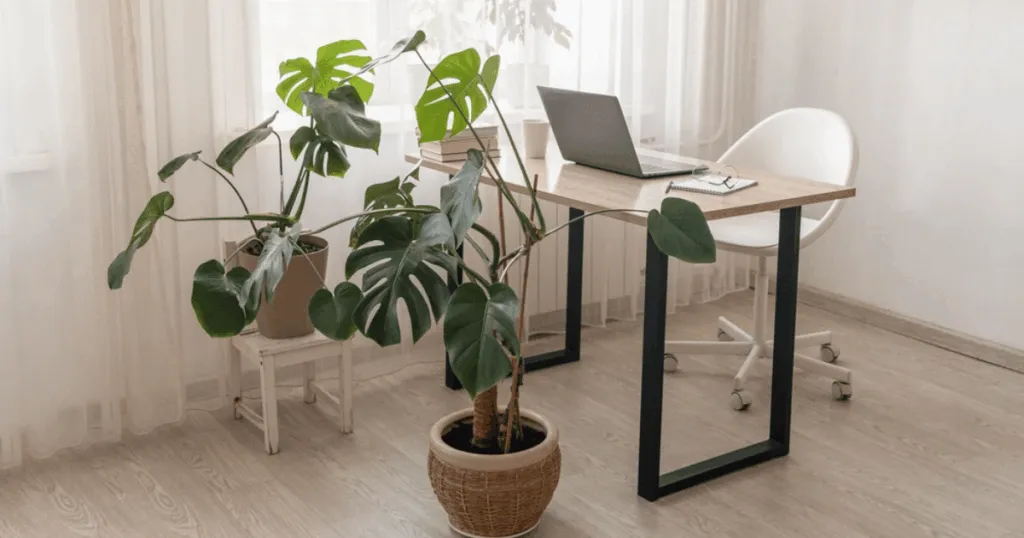
Criteria for Workspace Resilience
Before selecting specific species, it is helpful to understand why certain plants fail in office environments. Most office plants die not from lack of love, but from environmental mismatch. The primary stressors in a home office are low-intensity light, dry air caused by central heating or air conditioning, and the tendency for owners to water inconsistently. A plant that requires consistent soil moisture or high ambient humidity will inevitably decline in these conditions.
Focus your search on species that demonstrate high tolerance for fluctuating temperatures. Offices often experience temperature drops during nights or weekends, and a plant that is sensitive to cold drafts from vents or windows will show signs of stress quickly. Furthermore, consider the growth habit of the plant. A sprawling, vining plant might look beautiful, but if it requires constant pruning to keep it from tangling in your monitor cables or keyboard, it will eventually become a nuisance. Vertical growers or compact, bushy species are almost always superior for desk-bound work.
Top Selections for the Best Plants for Home Office
Snake Plant (Dracaena trifasciata)
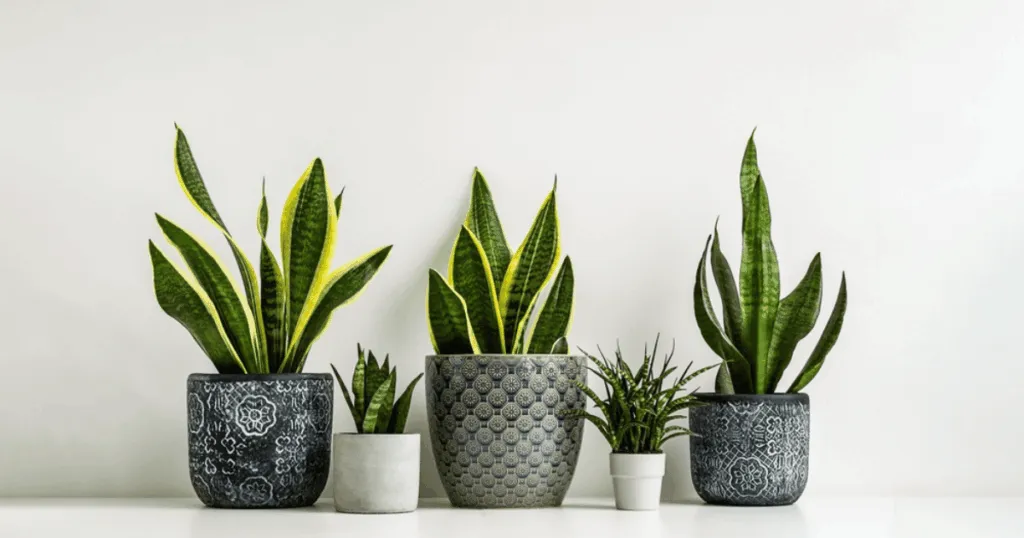
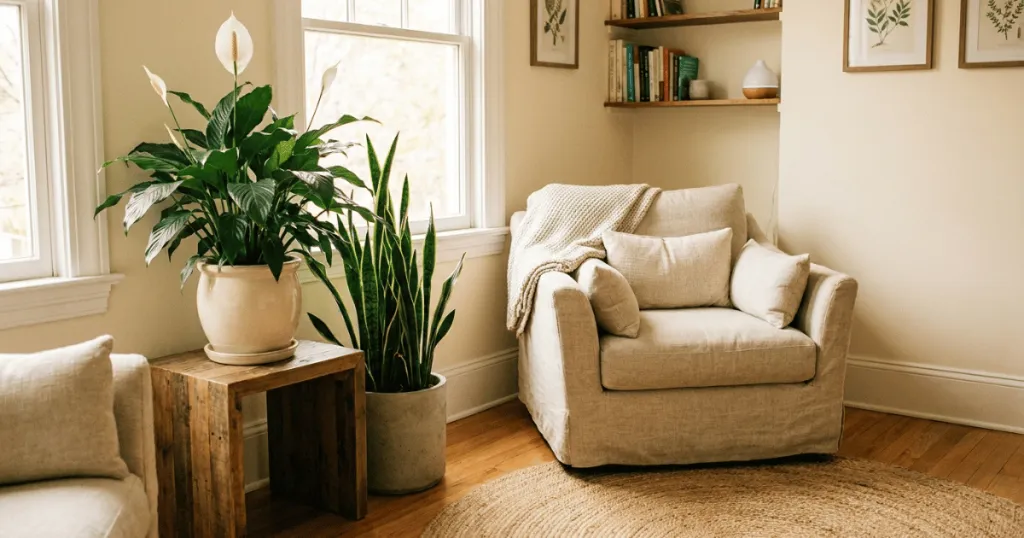
The Snake Plant is arguably the gold standard for home office environments. Its architectural, upright leaves take up minimal desk footprint, and it is famously indifferent to neglect. It handles low-light conditions better than almost any other common houseplant and can go weeks without water if necessary. Because it stores water in its thick, fibrous leaves, it is perfectly adapted to the dry air of an HVAC-controlled office.
ZZ Plant (Zamioculcas zamiifolia)
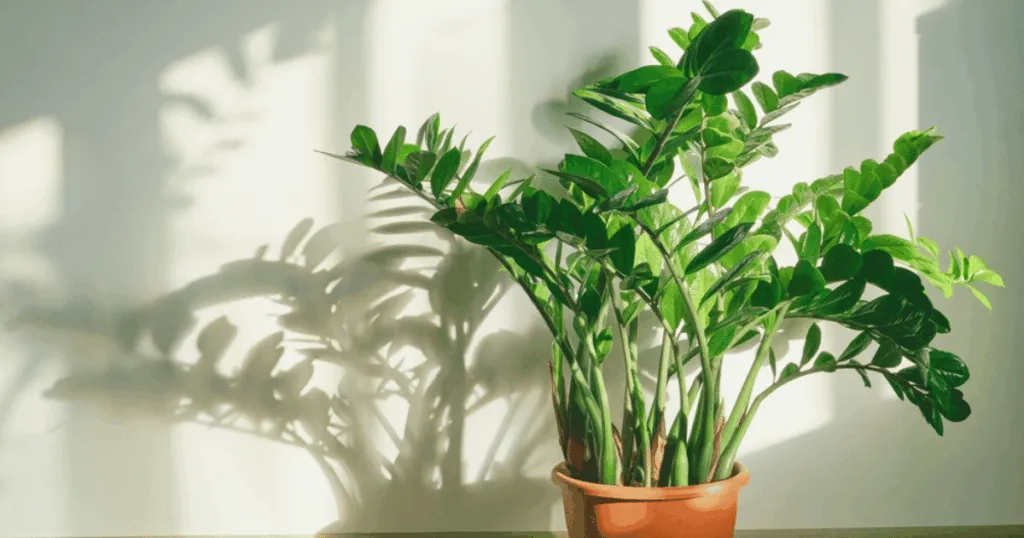
If your office has almost no natural light, the ZZ Plant is your best option. It is incredibly tolerant of fluorescent lighting and requires very little water. Its waxy, deep green leaves reflect light, adding a polished look to a professional space. One thing to keep in mind is its slow growth rate; it is a plant that stays the size you bought it for a long time, which is ideal if you have limited surface area.
Pothos (Epipremnum aureum)
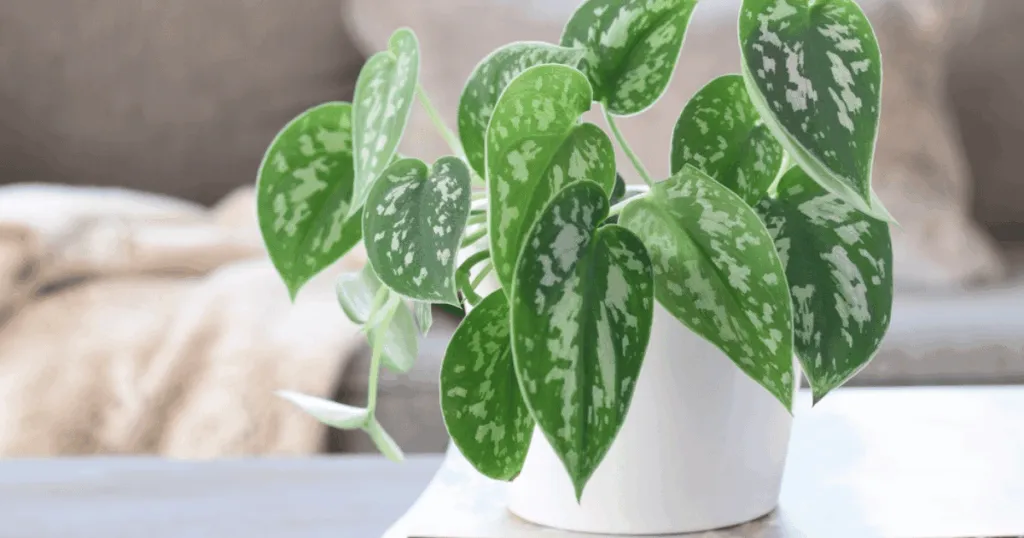
For those who want a bit of life spilling over a bookshelf or a high shelf, Pothos is the most reliable choice. It is highly communicative; when it is thirsty, the leaves will droop slightly, giving you a clear signal that it is time to water. It adapts well to almost any light level and is incredibly easy to propagate if you ever want to move a cutting to another part of your office.
Cast Iron Plant (Aspidistra elatior)
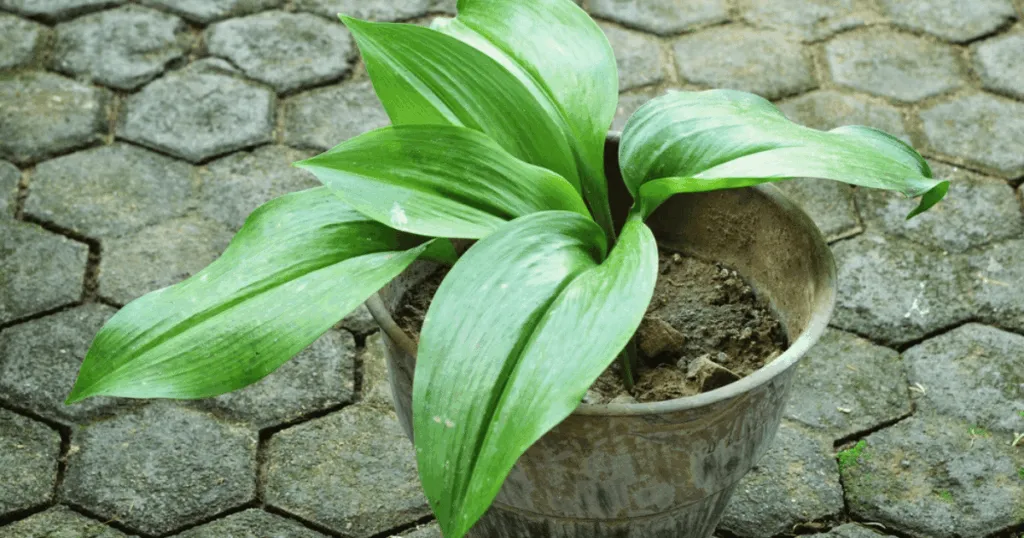
True to its name, this plant is nearly indestructible. It is a slow-growing, deep green plant that handles low light and temperature fluctuations with ease. It is an excellent choice for a reception area or a corner that doesn’t get much attention, as it rarely requires repotting or specialized care.
Strategic Placement for Productivity
Where you place your plant matters as much as the species you choose. Placing a plant directly under a vent is a common mistake; the constant stream of dry, moving air will cause leaf tips to brown and crisp, regardless of how much you water it. Instead, aim for a spot that receives ambient light but is shielded from direct airflow.
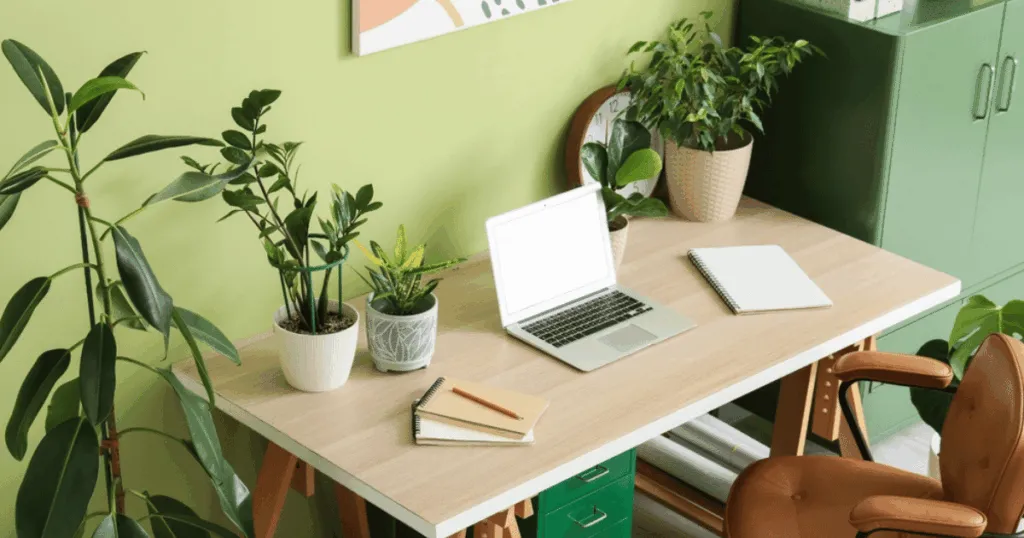
Consider the “line of sight” rule. If you spend your day looking at a screen, place your plant slightly to the side of your monitor. This allows you to glance at it for a brief visual break without it becoming a distraction. For open offices or shared spaces, consider using plants as natural dividers. A row of Snake Plants in a long, narrow planter can create a soft, living barrier that provides a sense of privacy without the harshness of a cubicle wall.
Limitations and Trade-offs
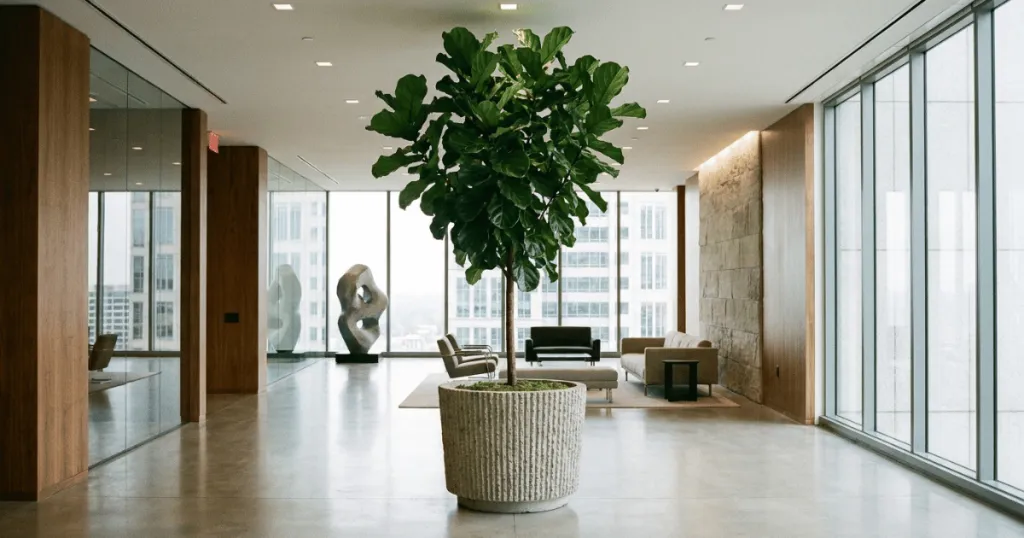
It is important to recognize that no plant is truly maintenance-free. Even the most resilient species will eventually need a dusting of their leaves to ensure they can photosynthesize efficiently under artificial light. If you find that you are consistently forgetting to water your plants, it is better to opt for a single, larger specimen rather than a collection of small ones. A larger pot holds more soil, which retains moisture longer, creating a more stable environment for the roots.
If you have a high-traffic office where people are constantly bumping into your desk, avoid plants with brittle stems or delicate foliage. A plant that loses leaves every time it is brushed against will quickly look ragged. In these scenarios, the waxy, sturdy leaves of a ZZ plant or a Snake plant are far more practical than the delicate, thin leaves of a fern or peace lily.
A Note on Plant Care in Professional Settings
Maintaining greenery in a professional space is about consistency rather than intensity. You do not need to fertilize your office plants frequently; in fact, because they grow slower in lower light, they require less nutrition than they would in a home garden. A common mistake is over-fertilizing, which can lead to salt buildup in the soil and root burn. Stick to a simple schedule: check the soil moisture once a week, and if the top two inches are dry, give it a modest amount of water. If you are ever unsure, it is almost always safer to wait a few more days than to water again immediately.
Expanding Your Office Greenery Strategy
When you move beyond the basics, consider the long-term health of your indoor foliage. Many office workers fall into the trap of buying small, inexpensive plants that quickly outgrow their space or fail due to poor drainage. Investing in high-quality pots with drainage holes is a non-negotiable step for long-term success. If you must use a decorative cachepot without a hole, keep the plant in its original plastic nursery liner. This allows you to remove the plant for watering, ensuring that excess water drains away from the roots, preventing the root rot that is the primary cause of death for office plants.
Furthermore, consider the seasonal shifts in your office. Even in climate-controlled buildings, the intensity of light changes with the seasons, and the heating systems often run harder in the winter, leading to even lower humidity. During these periods, be extra vigilant about checking soil moisture. You may find that a plant that needed water every ten days in the summer only needs it every three weeks in the winter. Observing these subtle shifts is the mark of an experienced office plant manager.
Managing Environmental Stress
Environmental stress is the silent killer of office plants. Beyond light and water, consider the impact of chemical cleaners and dust. In a busy office, dust settles on leaves, blocking the stomata and hindering photosynthesis. A simple monthly wipe-down with a damp cloth not only keeps your plants looking professional but also improves their ability to thrive in low-light conditions. Avoid using “leaf shine” products, which can clog pores and cause long-term damage. If you notice yellowing leaves, it is often a sign of stress; assess whether the plant has been moved, if the temperature has fluctuated, or if the watering schedule has been disrupted. Often, simply moving the plant a few feet away from a drafty window or a hot radiator is enough to reverse the decline.
The Role of Plant Grouping
Grouping plants together is a highly effective strategy for office environments. When plants are placed in a cluster, they create a microclimate. As they transpire, they release moisture into the air, which can slightly raise the humidity in the immediate vicinity. This is particularly beneficial for plants that might otherwise struggle in the bone-dry air of an office. Additionally, grouping plants makes watering more efficient; you can check the entire “green zone” at once, reducing the likelihood of forgetting a single plant in a dark corner. This approach also creates a more cohesive, intentional look that enhances the professional aesthetic of your workspace.
Frequently Asked Questions
- Do I need special grow lights for my office plants? Most of the plants listed here, such as Snake Plants and ZZ plants, thrive under standard office fluorescent or LED lighting. You generally do not need supplemental grow lights unless your office has zero natural light and the overhead lights are turned off for extended periods.
- How often should I water my office plants? There is no universal schedule because it depends on the humidity and temperature of your specific office. A better approach is to check the soil moisture with your finger. If the soil is dry to the touch an inch or two down, it is time to water.
- Are these plants safe for office pets or children? Many common office plants, including Pothos and Snake Plants, can be toxic if ingested. If your office is a space where pets or children are present, you should research the specific toxicity levels of your chosen plant and place it in a location that is physically inaccessible to them.
- What should I do if my plant starts losing leaves? Leaf loss is often a sign of either overwatering or a sudden change in environment. If you have recently moved the plant or changed your watering habits, try to stabilize those factors first. If the plant is in a very dark corner, it may be shedding leaves because it cannot support its current size.
- Can I keep plants in an office with no windows? Yes, provided you choose low-light-tolerant species like the ZZ Plant or Cast Iron Plant. These species are highly efficient at processing the limited spectrum of light provided by standard office fixtures.