Affiliate Disclosure: As an Amazon Associate, I earn from qualifying purchases.
The best feng shui plants for office desk spaces are those that thrive in low-light, climate-controlled environments while promoting a sense of growth and stability.
- Choose rounded-leaf varieties to soften sharp, angular office furniture.
- Prioritize low-maintenance species that survive weekend neglect.
- Ensure plants are sized appropriately for your specific desk footprint.
- Avoid plants with thorns or jagged edges to maintain harmonious energy.
When selecting greenery for your workspace, the most common mistake is choosing plants based solely on aesthetics without considering the harsh realities of office life. Many popular houseplants fail in an office setting because they require high humidity, direct sunlight, or frequent attention—three things rarely found in a cubicle or a climate-controlled open office. A plant that wilts after a three-day weekend or struggles under flickering fluorescent lights will create stagnant energy rather than the vitality you are seeking. To truly integrate feng shui principles into your professional environment, you must prioritize hardiness and structural suitability before considering symbolic meaning.
The criteria for a successful office plant are straightforward: it must tolerate low to moderate light, withstand the drying effects of HVAC systems, and require minimal intervention. In feng shui, plants are primarily used to introduce the Wood element, which fosters growth, creativity, and new beginnings. By selecting species that are naturally resilient, you ensure that the energy in your workspace remains vibrant and consistent, rather than fluctuating with the health of a struggling plant. Focus on plants that feel full and lush, as these are considered the most auspicious for attracting prosperity and professional stability.
Understanding the Role of Plants in Office Energy
In the practice of feng shui, the office desk is considered a command center for your career and professional life. The energy, or ‘chi,’ surrounding this space directly impacts your focus, productivity, and ability to handle workplace challenges. Plants act as natural conduits for positive energy, breaking up the stagnant, sharp lines of desks, monitors, and filing cabinets. When you introduce a plant to your desk, you are effectively softening the ‘poison arrows’—the sharp corners and edges that are believed to create aggressive or draining energy in a workspace.
The environment of an office is fundamentally different from a home garden. You are dealing with artificial lighting, which is often inconsistent, and air that is constantly cycled through vents, leading to low humidity levels. A plant that thrives in a greenhouse might quickly succumb to the dry, recycled air of a modern office. Furthermore, many office workers are away from their desks for extended periods, making drought-tolerant species a necessity. Understanding these constraints is the first step in choosing a plant that will actually improve your workspace energy rather than adding to your daily stress.
Top Selections for Best Feng Shui Plants for Office Desk
The following plants have been curated based on their ability to survive the specific stressors of an office environment while aligning with the principles of balanced energy.
Jade Plant (Crassula ovata)
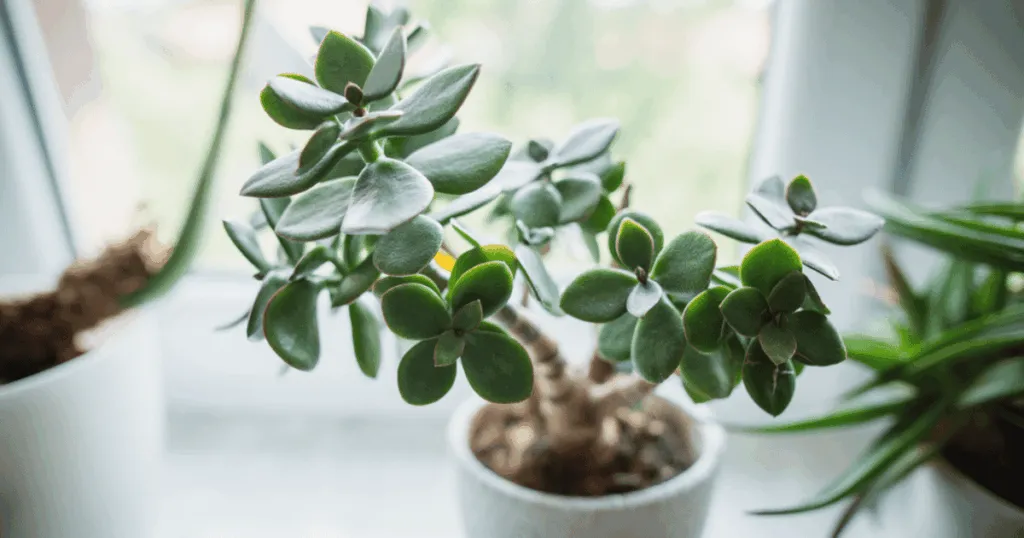
Often referred to as the ‘money tree’ in traditional practices, the jade plant is a classic choice for a desk. Its thick, succulent leaves are said to represent wealth and prosperity. From a practical standpoint, the jade plant is excellent because it stores water in its leaves, making it highly forgiving if you forget to water it before a long weekend. It prefers bright, indirect light, so it is best placed near a window or directly under a desk lamp.
Pothos (Epipremnum aureum)
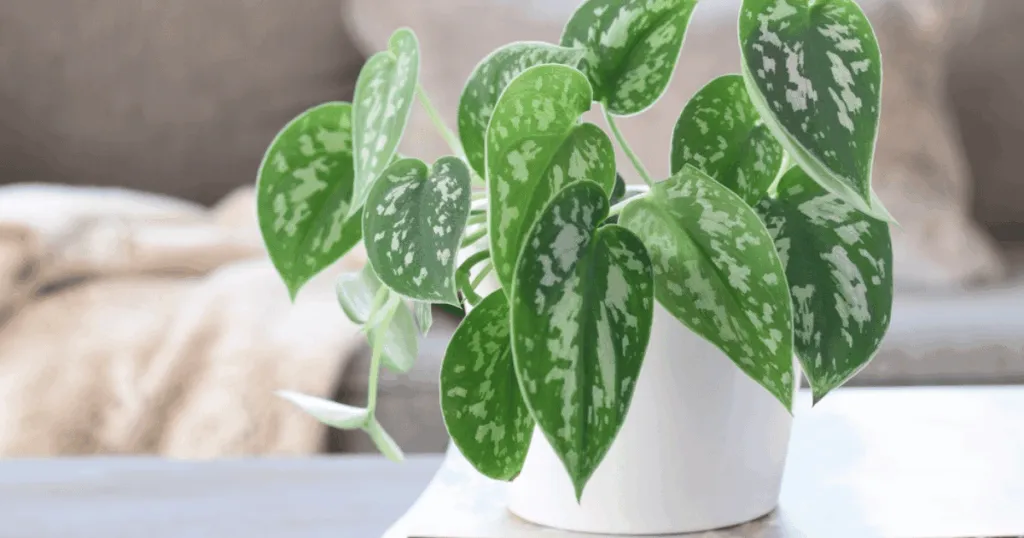
Pothos is perhaps the most resilient plant for office conditions. Its trailing vines can be trained to grow around monitor stands or along the edge of a shelf, effectively softening the harsh geometry of office equipment. Because it is incredibly tolerant of low-light conditions and can survive in both soil and water, it is a low-pressure addition to any desk. Its rapid growth symbolizes consistent progress in your career.
Snake Plant (Dracaena trifasciata)
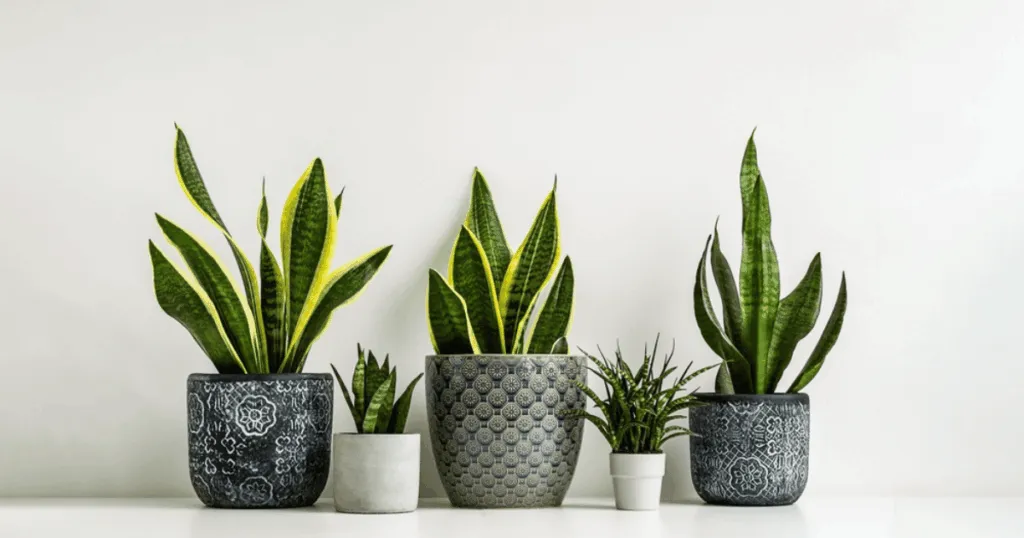
If your office has very limited natural light, the snake plant is your best option. Its vertical, sword-like leaves are often used in feng shui to provide protection and ward off negative energy. While some practitioners suggest avoiding sharp edges, the snake plant is generally considered an exception due to its upright, ascending growth pattern, which is thought to encourage upward movement and ambition in your professional life.
ZZ Plant (Zamioculcas zamiifolia)
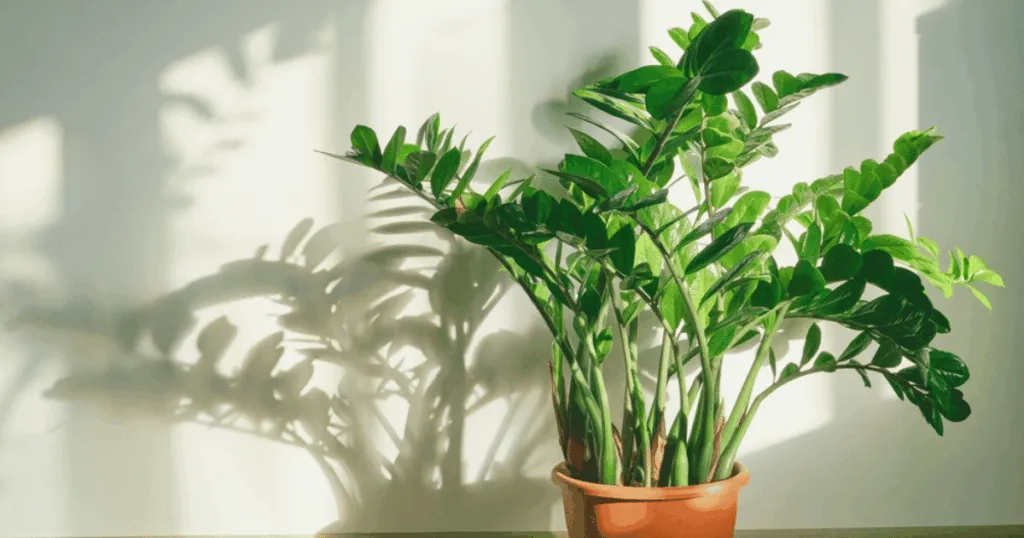
The ZZ plant is a powerhouse for the office. It thrives in the dimmest corners and requires very little water. Its waxy, deep green leaves are aesthetically pleasing and provide a sense of stability and groundedness. It is an ideal choice for someone who wants the benefits of a plant without the need for constant monitoring or specialized care.
Peace Lily (Spathiphyllum)
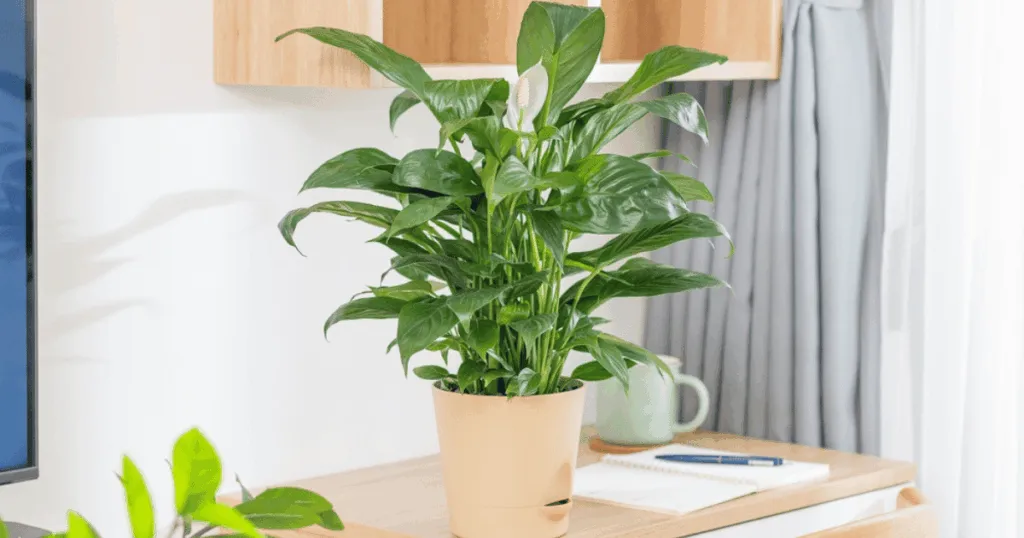
For those who prefer a flowering plant, the peace lily is a sophisticated choice. It is known for its ability to filter indoor air and its graceful, white blooms. It serves as a reminder to maintain tranquility amidst the chaos of deadlines. Note that it will ‘droop’ noticeably when it needs water, acting as a clear, visual indicator that you should take a moment to care for your workspace environment.
Strategic Placement for Maximum Benefit
Where you place your plant is just as important as the species you choose. In feng shui, the southeast corner of your desk is traditionally associated with wealth and abundance. Placing a healthy, thriving plant here is believed to activate this area. If your desk is cluttered, prioritize clearing a small space in this corner to allow the plant to breathe and the energy to circulate.
Consider the height of your plant relative to your monitor. A plant that is too tall may block your view of the room, which can make you feel vulnerable or disconnected from your surroundings. Conversely, a plant that is too small might be lost among your documents and tech. Aim for a size that feels proportional to your desk—something that adds a touch of nature without becoming a physical obstacle to your workflow.
Limitations and Trade-offs
It is important to acknowledge that no plant is truly ‘maintenance-free.’ Even the most resilient species will eventually suffer if they are completely ignored. If you find that you are consistently killing your office plants, it is a sign that your environment may be too dark or that your schedule is too packed to accommodate even the simplest care routine. In such cases, it is better to choose a high-quality artificial plant that mimics the look of a living one, as the intention of bringing nature into the space still holds value.
Another consideration is the presence of pets or small children, though this is less common in a professional office. Always check the toxicity of your chosen plant if there is any risk of ingestion. Furthermore, be mindful of allergies; some people may react to the pollen or the soil of certain plants. If you share a desk or work in a very tight cubicle, it is a professional courtesy to ensure your plant choice does not negatively impact your neighbors.
A Note on Plant Care
Maintaining your office plants is a form of mindfulness. When you take a moment to water your plant or wipe dust from its leaves, you are clearing away the stagnant energy that accumulates during a busy week. Avoid using harsh chemicals or synthetic fertilizers in an office setting; instead, stick to simple water and occasional gentle cleaning. If a plant begins to die, remove it from your desk immediately. A wilting or dying plant represents decay and can negatively impact your motivation and focus. Replace it promptly to restore the balance of your workspace.
Expanding Your Office Greenery Strategy
Beyond the initial selection, long-term success with office plants requires a shift in perspective. Many office managers view plants as static decor, but in feng shui, they are living participants in the office ecosystem. To maintain the Wood element effectively, you must monitor the health of the leaves. Yellowing or browning tips are not just signs of poor watering habits; they are visual indicators of ‘stuck’ energy. Regularly trimming dead foliage is a symbolic act of clearing away professional obstacles, allowing your career path to remain clear and unobstructed.
Consider the pot as well. The container holds the earth element, which supports the wood element of the plant. Choosing a ceramic pot in earth tones—such as terracotta, beige, or soft brown—can further ground the energy of your desk. Avoid plastic pots if possible, as they can feel disconnected and cheapen the overall aesthetic of your workspace. A sturdy, well-draining pot ensures that the roots stay healthy, which is essential for the plant’s longevity and your peace of mind.
Finally, rotate your plants occasionally. If your desk is near a window, the plant will naturally lean toward the light. Rotating it every few weeks ensures even growth and prevents the plant from becoming lopsided, which symbolizes an unbalanced or lopsided career focus. This simple, rhythmic maintenance routine fosters a deeper connection between you and your environment, turning a simple desk plant into a powerful tool for professional grounding.
Managing Environmental Variables
Office environments are notorious for their lack of consistency. HVAC systems often create ‘micro-climates’ where one side of a desk might be drafty while the other is stagnant. If you notice your plant struggling, observe the airflow. Avoid placing delicate plants directly in the path of an air vent, as the constant stream of dry, cold air can cause rapid dehydration and leaf drop. If you have no other choice, consider adding a small pebble tray with water beneath the pot to increase local humidity, or group your plants together to create a more supportive micro-environment.
Lighting is another critical factor. While many of the plants listed here are ‘low light’ tolerant, this does not mean ‘no light.’ If your desk is in a windowless interior room, consider investing in a small, full-spectrum LED clip-on light. These are unobtrusive and can be attached to the back of a monitor or a shelf. They provide the necessary wavelengths for photosynthesis without the harsh glare of overhead fluorescent tubes. By providing the right light, you are actively supporting the plant’s vitality, which in turn supports your own professional energy.
FAQ
Can I use artificial plants for feng shui on my office desk?
Yes, artificial plants can be used if they are high-quality and kept clean. They still provide the visual benefit of the Wood element, but ensure they are dusted regularly to prevent the accumulation of stagnant energy.
How often should I water the best feng shui plants for office desk setups?
Most office-friendly plants like the ZZ plant or snake plant prefer to dry out between waterings. Typically, checking them once a week is sufficient. Always touch the soil; if it is still damp, wait a few more days.
Do I need to worry about the direction my desk faces?
While desk orientation is a deeper part of feng shui, you can improve any desk’s energy by placing your plant in the southeast corner, which is the traditional sector for wealth and prosperity.
What should I do if my office has no natural light?
If your office lacks windows, choose low-light tolerant plants like the ZZ plant or snake plant. You can also supplement with a small, full-spectrum LED desk lamp to provide the light the plant needs to thrive.