Affiliate Disclosure: As an Amazon Associate, I earn from qualifying purchases.
Selecting the best shade office plants requires moving beyond the aesthetic appeal of a leaf and focusing on biological resilience. Many plants marketed for indoor use are actually tropical understory species that require high humidity or consistent, bright light—conditions rarely found in a climate-controlled, fluorescent-lit office. When a plant struggles in your workspace, it is rarely due to a lack of effort; it is almost always a mismatch between the plant’s evolutionary light requirements and the artificial environment of a modern office. Plants that are disqualified from this environment are typically those requiring high-intensity solar radiation, constant misting to prevent leaf crisping, or those that enter dormancy when ambient temperatures fluctuate due to HVAC cycling.
The following selections are curated specifically for their ability to tolerate the low-light, low-humidity, and often inconsistent care schedules typical of professional workplaces. By focusing on species that possess structural adaptations—such as thick, waxy cuticles or water-storing rhizomes—you can ensure your office greenery remains a permanent fixture rather than a temporary decoration.
Understanding the Office Light Environment
In an office, light is rarely measured in foot-candles or lux, but rather in distance from a window and proximity to overhead fixtures. Most office spaces operate in the “low to medium indirect” light category. Plants that require bright, direct sun will quickly become “leggy”—stretching their stems toward the nearest light source in a desperate attempt to compensate for the deficit. This stretching weakens the plant, making it susceptible to pests and structural failure.
Furthermore, office air is typically filtered and dehumidified by HVAC systems. This creates a challenging environment for many popular houseplants. The best shade office plants are those that have adapted to survive in lower light levels without needing the constant moisture of a greenhouse. When choosing your greenery, prioritize species that store water in their leaves or rhizomes, as these provide a buffer against the inevitable missed watering during long weekends or holiday closures.
Hardy Selections for Low-Light Offices
Snake Plant
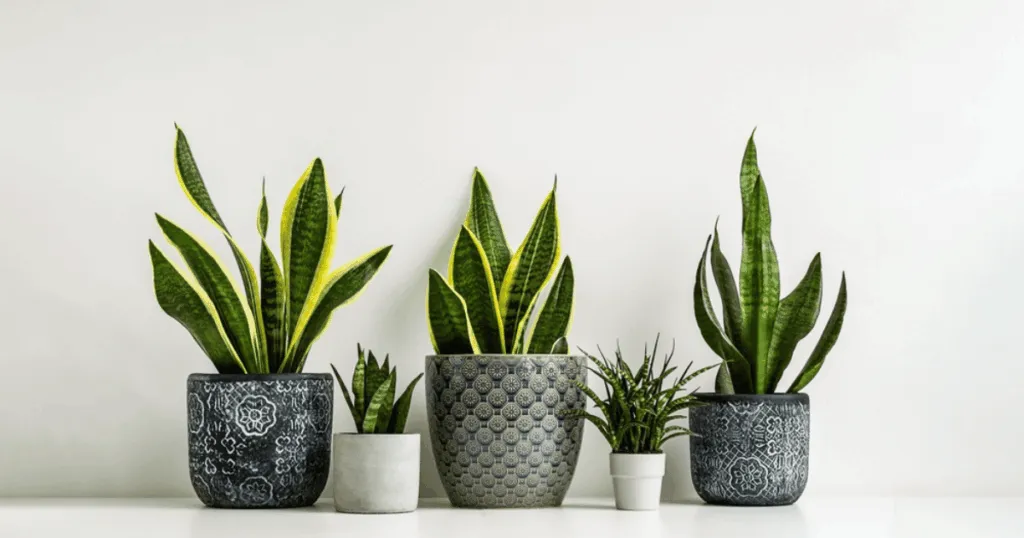
The Snake Plant is arguably the most reliable option for any office. It thrives on neglect and is remarkably tolerant of low-light conditions. Because it stores water in its thick, succulent leaves, it handles the dry air of an office better than almost any other variety. The main risk here is overwatering; ensure the soil is completely dry before adding more water. Its vertical growth habit makes it ideal for tight corners or narrow spaces between desks.
ZZ Plant
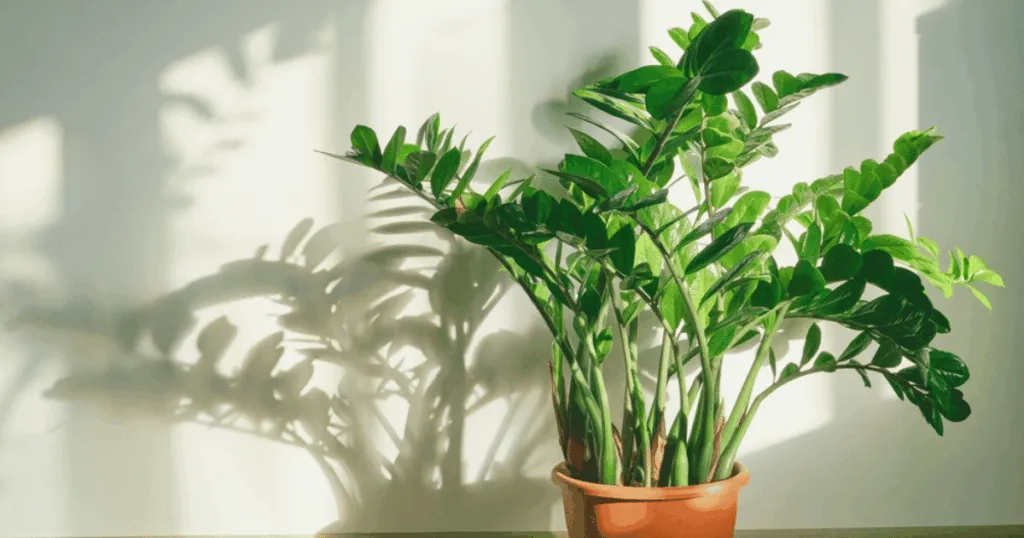
If you have a workspace with minimal natural light, the ZZ Plant is your strongest candidate. It is famous for its ability to grow under fluorescent lights alone. The plant features waxy, deep green leaves that reflect light, and its rhizomatous root system acts as a built-in water reservoir. It is perfectly suited for reception areas or interior offices where natural light is non-existent. Because it grows slowly, it rarely requires repotting, making it a low-maintenance asset for busy office managers.
Cast Iron Plant
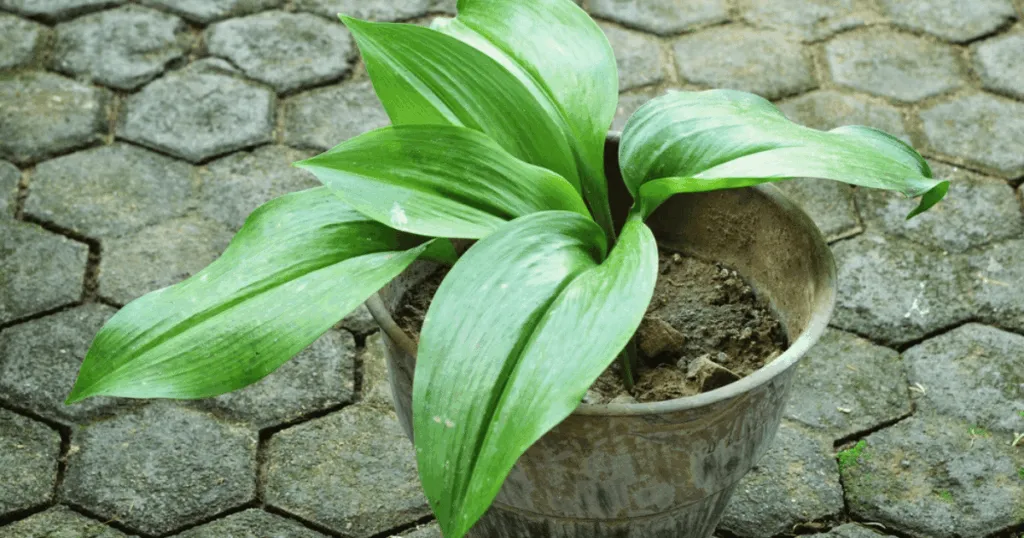
True to its name, the Cast Iron Plant is nearly impossible to kill. It handles temperature fluctuations, poor air quality, and deep shade with ease. It is a slow grower, which is an advantage in an office setting because it will not outgrow its desk space quickly. It is an ideal choice for a manager looking for a set-and-forget greenery solution that maintains a lush, dark green appearance even in the dimmest corridors.
Parlor Palm
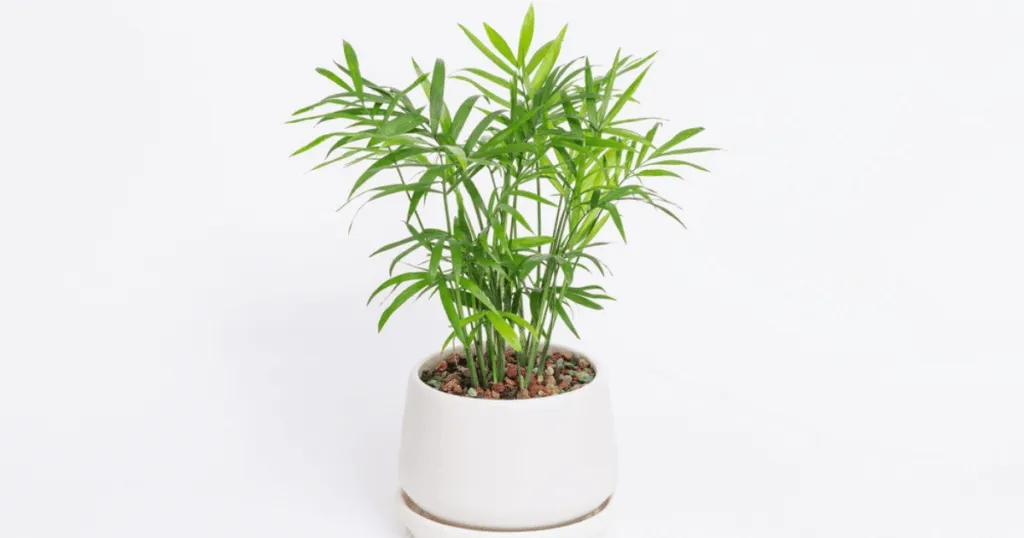
For those seeking a more architectural or tropical feel, the Parlor Palm is one of the few palms that actually prefers shade. It is compact and elegant, making it suitable for a corner or a side table. Unlike other palms that demand high humidity, the Parlor Palm is quite forgiving of standard office environments. It adds a soft, feathery texture to a room without the need for intense window light.
Pothos
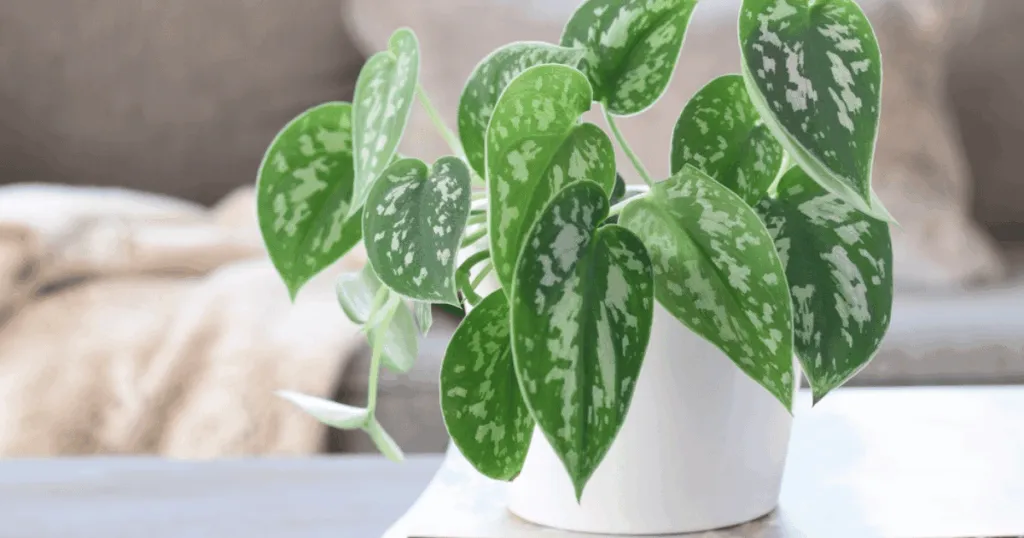
Pothos is a classic for a reason. This trailing vine is incredibly adaptable to various light levels. While it grows faster in brighter spots, it maintains its health in low light. It is an excellent choice for bookshelves or high filing cabinets where you want a cascading effect. It also serves as a visual indicator; when the leaves begin to droop, you know it is time to water. Its ability to propagate in simple water containers makes it a cost-effective way to expand your office greenery.
Chinese Evergreen
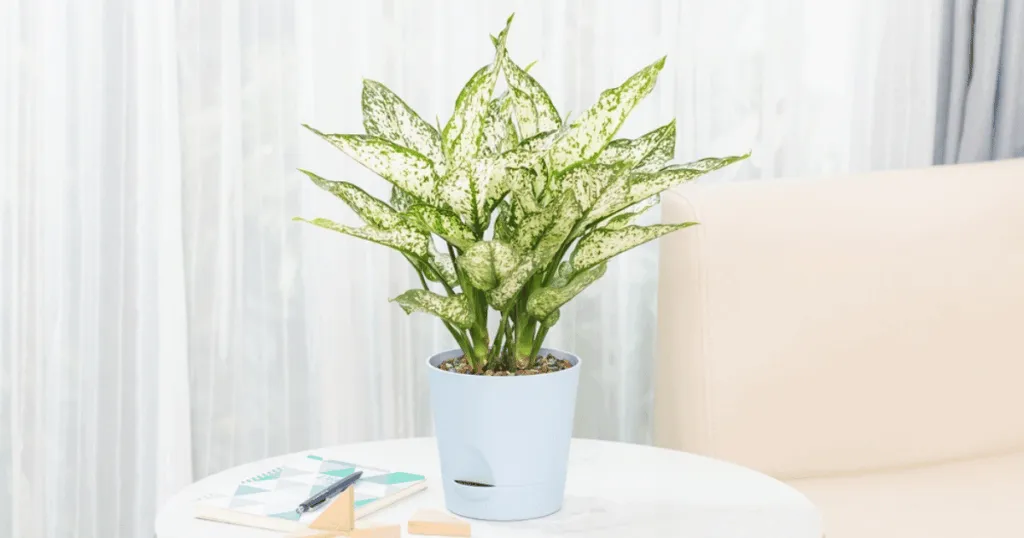
Also known as Aglaonema, this plant offers a variety of leaf patterns that can brighten up a dull cubicle. It is highly tolerant of low light and is relatively compact. It is a great alternative if you find the solid green of a Snake Plant or ZZ Plant too monotonous. These plants are particularly good at maintaining their variegation even in lower light levels, provided they are not kept in total darkness.
Bird’s Nest Fern
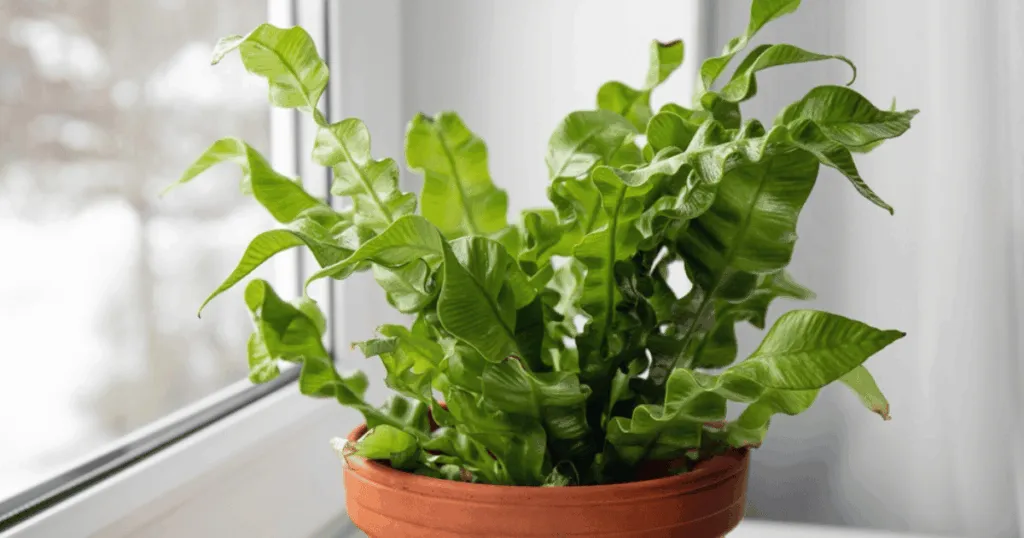
If you prefer a fern, the Bird’s Nest Fern is far more suitable for an office than the finicky Boston Fern. It has a rosette shape that is quite distinctive and handles lower light levels well. While it appreciates a bit of humidity, it is much more resilient in dry air than its more delicate cousins. Its broad, apple-green fronds provide a unique visual contrast to the more common pointed-leaf plants found in offices.
Lucky Bamboo
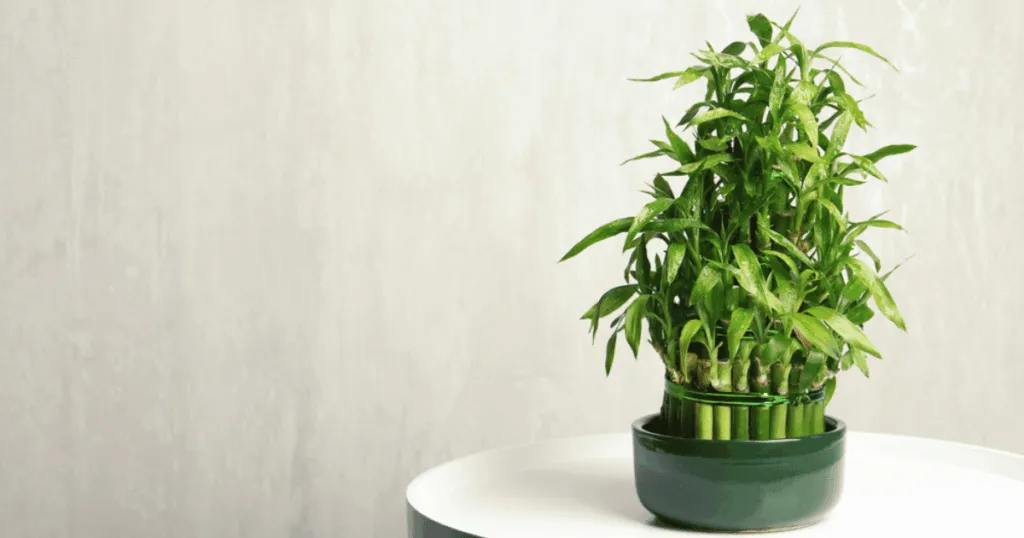
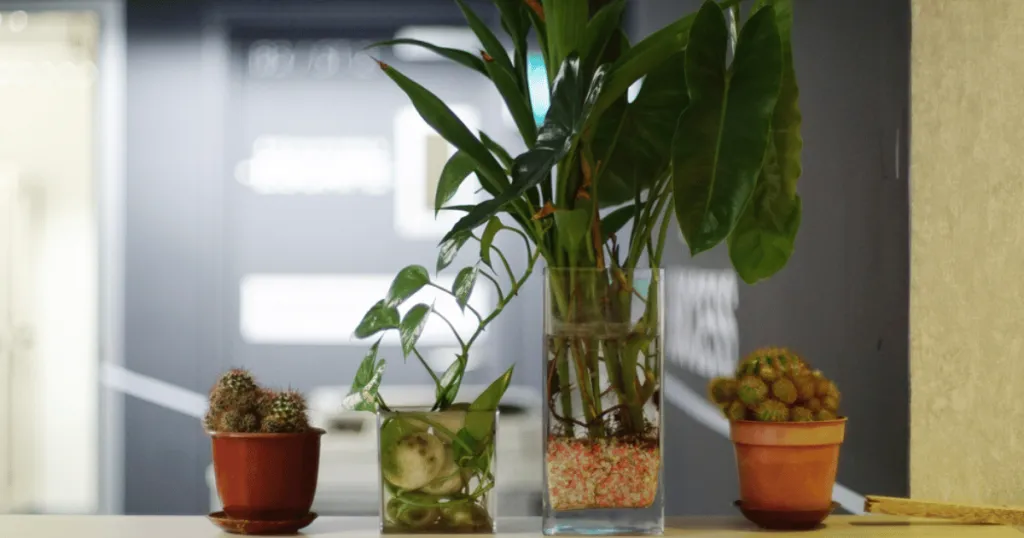
Often sold in water-based arrangements, Lucky Bamboo is actually a Dracaena species. It is a fantastic low-light plant that requires very little maintenance. Whether kept in water or soil, it remains a clean, minimalist choice for a desk surface. Be mindful that it is sensitive to the chlorine found in some tap water, so using filtered water can help prevent tip browning.
Heartleaf Philodendron
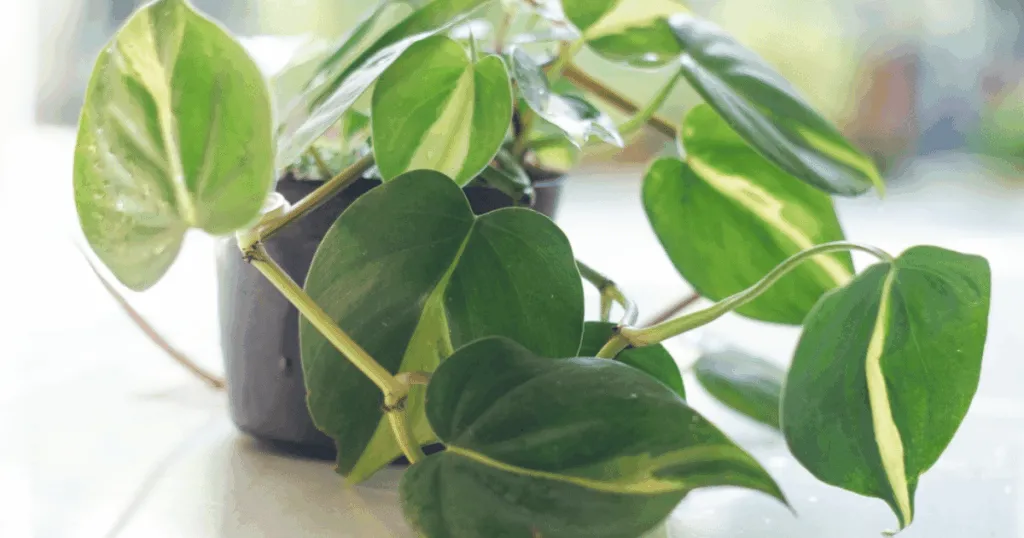
Similar to Pothos, the Heartleaf Philodendron is a vigorous grower that tolerates low light. It is often chosen for its heart-shaped leaves and trailing habit. It is a very forgiving plant that recovers quickly if you happen to miss a watering cycle. It is an excellent choice for hanging baskets or high shelves where it can trail down, adding a sense of movement to the workspace.
Syngonium
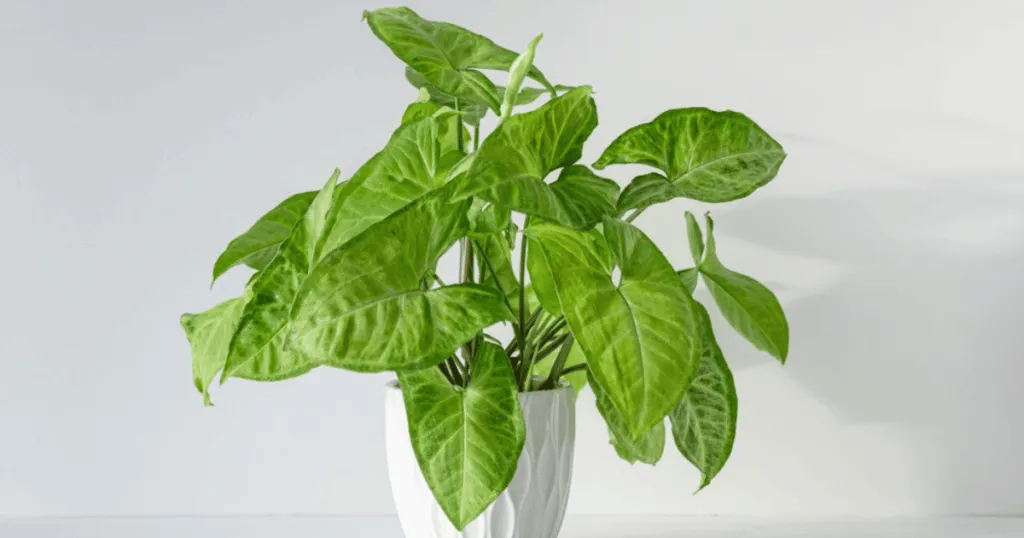
The Syngonium, or Arrowhead Plant, is a versatile choice that adds a different leaf shape to your office plant collection. It is tolerant of lower light and provides a lush, bushy appearance. It is an excellent filler for areas that need a bit of softness to break up the hard lines of office furniture. As the plant matures, the leaves can change shape, adding an element of interest to your office decor.
Strategic Placement and Maintenance
Placement is the final piece of the puzzle. Even the best shade office plants will struggle if placed directly under an HVAC vent, where constant drafts can cause rapid moisture loss and temperature stress. Aim for a location that receives consistent ambient light, even if it is not directly next to a window. If you are placing a plant in a windowless room, ensure it is within a few feet of an overhead light fixture that stays on during the workday.
Maintenance in an office should be simplified. Use a moisture meter if you are unsure about the soil state, or simply use the “finger test” by checking the top two inches of soil. If it is dry, water it. If it is damp, wait. Most office plant failures are caused by over-attentive staff watering too frequently, which leads to root rot. When in doubt, it is always safer to underwater these specific shade-tolerant varieties than to overwater them.
Limitations and Trade-offs
It is important to recognize that “shade-tolerant” does not mean “shade-loving.” Even the most resilient plant will eventually show signs of stress if kept in total darkness. If you notice your plant dropping leaves, turning yellow, or growing at an extremely slow rate, it is likely signaling that it needs a bit more light. Rotating your plants to a brighter area for a few days each month can help them recover energy.
Additionally, consider the toxicity of your choices if your office is pet-friendly or if you have concerns about skin sensitivity. Many common office plants, including Pothos, Philodendron, and ZZ plants, contain calcium oxalate crystals that can cause irritation if ingested. If this is a concern, prioritize non-toxic options like the Parlor Palm, Cast Iron Plant, or various ferns.
A Note on Professional Care
This information is intended to help you select and maintain plants that fit the unique constraints of an office environment. These recommendations are based on the general hardiness of the species listed and their proven track record in indoor, low-light settings. Always observe how your specific plant reacts to its unique environment, as factors like local climate, building insulation, and light duration can vary significantly. By choosing the right plant for the available light, you minimize maintenance and maximize the aesthetic and psychological benefits of greenery in the workplace.
Advanced Considerations for Office Greenery
When scaling up your office plant collection, consider the impact of plant grouping. Placing plants together can create a microclimate that slightly increases humidity, which is beneficial for species like the Bird’s Nest Fern or Syngonium. However, ensure that each plant has enough space for airflow to prevent the buildup of pests like spider mites, which thrive in the dry, stagnant air of many office buildings. Regularly wiping down leaves with a damp cloth not only keeps the plants looking professional but also removes dust that can block light absorption, ensuring your plants continue to photosynthesize efficiently even in low-light conditions.
Finally, remember that the seasonal cycle of an office—often characterized by consistent temperatures year-round—can sometimes confuse plants that expect a dormant period. Keep a consistent, moderate watering schedule, and avoid fertilizing during the winter months when light levels are naturally lower, as the plants will not have the energy to process the nutrients, which can lead to salt buildup in the soil. For office managers, standardizing the care protocol is essential. Assigning a specific team member to check soil moisture on a set day each week prevents the common “double-watering” issue where multiple employees try to care for the same plant. Furthermore, when selecting containers, choose pots with drainage holes and saucers; if you must use decorative cachepots without holes, ensure you remove the plant to water it, allowing excess moisture to drain completely before returning it to the decorative container. This simple step prevents the root suffocation that often occurs when water pools at the bottom of a sealed pot, a frequent cause of death for otherwise hardy office plants.
Evaluating Plant Longevity in High-Traffic Zones
In high-traffic areas like reception desks or busy hallways, physical damage is a significant risk to plant health. Choose plants with sturdy, upright growth habits, such as the Snake Plant or ZZ Plant, which are less likely to have leaves snapped or bruised by passing foot traffic. Avoid trailing plants like Pothos or Heartleaf Philodendron in these zones, as their vines can be easily snagged or pulled. If you must use trailing plants in high-traffic areas, place them on high shelving or wall-mounted planters where they are out of reach of accidental contact. Additionally, consider the weight of the plant and its container; in a busy office, a top-heavy plant in a lightweight plastic pot is a liability. Opt for heavier ceramic or stone planters that provide a stable base, preventing the plant from tipping over if bumped. By matching the plant’s physical structure to the traffic patterns of your office, you ensure that your greenery remains a welcoming feature rather than a maintenance burden or a safety hazard.
FAQ
Can these plants survive in a windowless office?
Yes, plants like the ZZ Plant and Snake Plant are highly tolerant of low-light conditions and can survive using only standard office fluorescent lighting, provided the lights are on for a significant portion of the day.
How often should I water my office plants?
There is no universal schedule. Instead, check the soil moisture. For most of the best shade office plants, wait until the top two inches of soil are completely dry before watering. Overwatering is the most common cause of plant failure in offices.
What should I do if my plant starts losing leaves?
Leaf loss is often a sign of either overwatering or insufficient light. Check the soil moisture first; if the soil is soggy, stop watering. If the soil is dry and the plant is in a very dark corner, move it closer to a light source.
Are these plants safe for office environments with pets?
Some, like the Parlor Palm and Cast Iron Plant, are non-toxic to pets. However, many popular shade-tolerant plants like Pothos and ZZ plants are toxic if ingested. Always check the toxicity profile of a specific plant before placing it in an area accessible to pets.