Finding the best low-maintenance office plants to buy online requires a focus on physiological resilience rather than aesthetic trends. In a typical office environment, plants face specific stressors: consistent HVAC-driven air circulation, fluctuating humidity levels, and artificial lighting that rarely mimics the intensity of direct sun. When you source plants for a desk, reception area, or meeting room, the goal is to prioritize species that demonstrate high tolerance for irregular watering schedules and lower light availability. By selecting specimens known for their durability, you ensure that your investment remains a functional asset to the workplace rather than an additional maintenance burden.
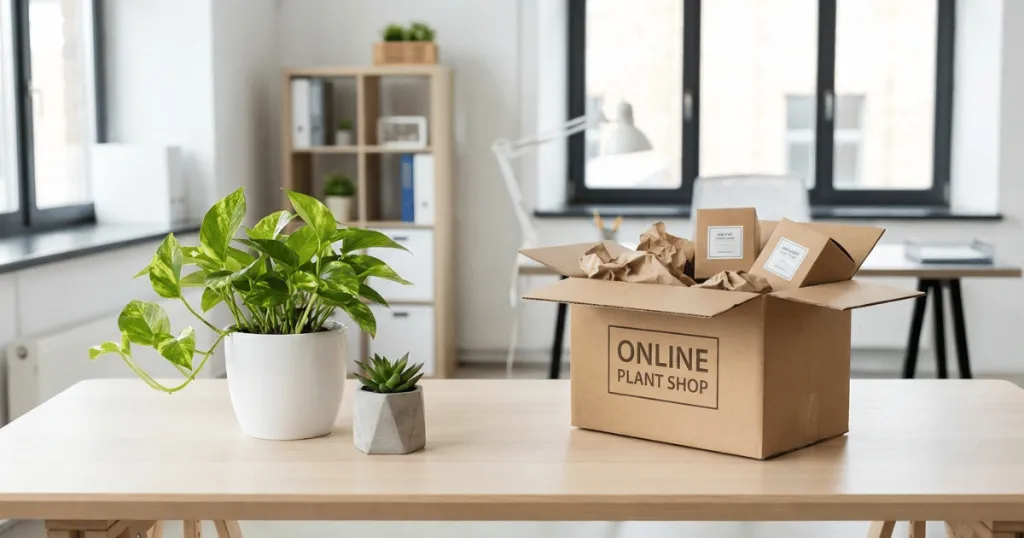
When ordering online, the logistical journey of the plant is just as important as the species itself. Plants shipped to offices often experience transit stress, making it vital to choose suppliers that prioritize climate-controlled packaging and rapid delivery. Once the plant arrives, the transition from a greenhouse to an office environment is the most critical phase for its long-term survival. Understanding how to acclimate these plants to your specific office light and temperature levels will determine whether they thrive or merely survive in the coming months.
Criteria for Selecting Office-Ready Species
The most effective office plants share specific biological traits that allow them to endure the unique constraints of commercial buildings. Unlike home gardening, where you might have access to south-facing windows or consistent outdoor airflow, the office is a controlled, often static environment. You should prioritize plants that exhibit slow growth rates, as these require less frequent repotting and nutrient replenishment. Furthermore, look for species with thick, waxy cuticles on their leaves, which help them retain moisture in the dry, conditioned air common in modern office buildings.
Consider the following characteristics when evaluating potential additions to your office:
- Light Versatility: Can the plant maintain its health under standard LED or fluorescent lighting?
- Watering Tolerance: Does the plant forgive a missed watering session during a busy week or a long holiday break?
- Structural Integrity: Is the plant physically stable enough to withstand incidental contact in high-traffic areas like hallways or reception desks?
- Pest Resistance: Does the species have a low susceptibility to common indoor pests like fungus gnats or spider mites, which can spread quickly in office settings?
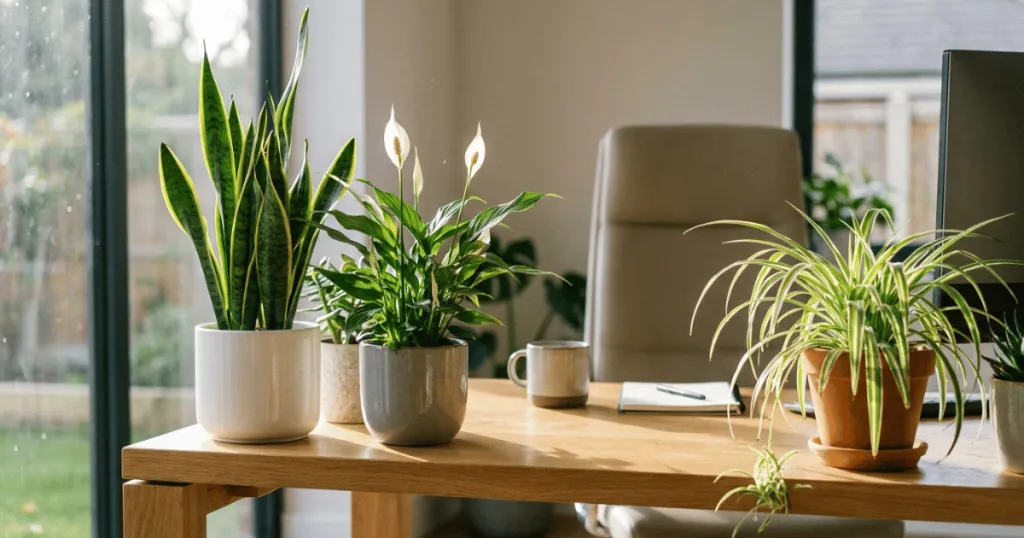
Plants such as Sansevieria (Snake Plants) and Zamioculcas zamiifolia (ZZ Plants) are frequently cited as the gold standard for these environments. Their ability to store water in rhizomes or succulent leaves provides a built-in safety net against neglect. Conversely, avoid plants that require high humidity or constant soil moisture, such as many ferns or calatheas, as these will likely struggle in the arid, climate-controlled atmosphere of most offices.
Logistics and Sourcing Considerations
Purchasing plants online offers a wider selection than local nurseries, but it introduces variables you must manage proactively. When you buy online, you are not just selecting a plant; you are selecting a supply chain. Reputable online plant retailers typically provide detailed information regarding the plant’s light requirements and pot size. Use this data to map the plant to a specific location in your office before the order is placed. Avoid the common mistake of buying a plant solely based on its appearance without verifying its light needs against the actual conditions of your desk or conference room.
Upon arrival, inspect the plant immediately. Look for signs of root rot, which can occur if the soil remains saturated during transit. If the plant arrives in a plastic nursery pot, consider whether you need a decorative cachepot to prevent water damage to office furniture. A cachepot acts as a secondary barrier, catching excess water and protecting surfaces from moisture and soil debris. Ensure that your chosen container has adequate drainage or that you have a clear plan to manage water runoff, as standing water in a pot can lead to root suffocation.
Practical Maintenance for the Busy Professional
Maintaining office plants is less about a strict schedule and more about observation. A common mistake is watering on a fixed calendar day regardless of the plant’s actual needs. Instead, use a moisture meter or the finger-test method to check the soil depth. In most office settings, the top two inches of soil should be dry before you add more water. Because office temperatures are generally stable, you do not need to adjust your watering frequency as much as you would for seasonal outdoor plants, but you should be mindful of proximity to air vents.
If a plant is placed directly under an air conditioning vent, it will dry out significantly faster than one in a stagnant corner. Adjust your care routine accordingly by monitoring the soil moisture more frequently for plants in high-airflow zones. If you notice yellowing leaves, it is often a sign of overwatering rather than underwatering. In an office, it is almost always safer to err on the side of underwatering than overwatering. If you are responsible for a large number of plants, consider grouping them by their water needs to simplify your maintenance rounds and reduce the likelihood of individual plants being neglected.
The Role of Acclimation in Workplace Success
When you receive a new plant from an online vendor, it has likely spent several days in a dark, humid shipping box. This creates a significant shock when the plant is suddenly placed in an office environment with dry, conditioned air and artificial lighting. To mitigate this, practice a short period of acclimation. Place the plant in a slightly more sheltered area for the first week – perhaps away from direct drafts or intense overhead lights – before moving it to its permanent location. This allows the plant to adjust its physiological processes to the new light intensity and humidity levels, reducing the risk of leaf drop or sudden wilting.
Managing Indoor Air Quality and Plant Health
While plants are often touted for their ability to improve indoor air quality, their primary role in an office is aesthetic and psychological. However, a healthy plant is a more effective contributor to the office environment than a struggling one. Dust accumulation on leaves is a common issue in office buildings, where air filtration systems move dust particles that eventually settle on foliage. This layer of dust can block light absorption and hinder photosynthesis. Regularly wiping leaves with a damp, soft cloth not only improves the plant’s appearance but also ensures it can maximize the limited light available in an office setting.
Strategic Placement for Long-Term Resilience
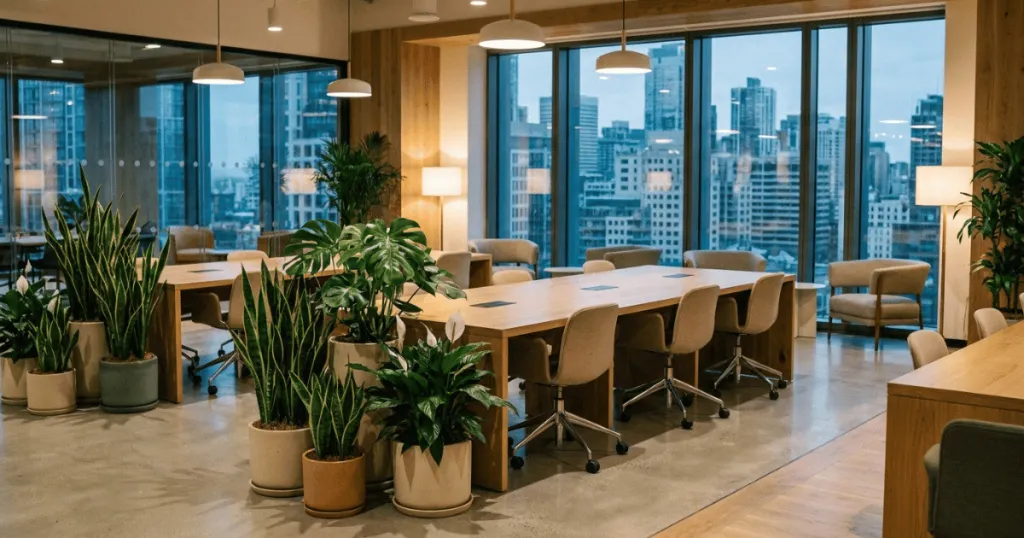
Placement is the most critical factor in long-term plant health. Avoid placing plants in high-traffic corridors where they may be brushed against or knocked over. In reception areas, choose plants that are sturdy and have a vertical growth habit, such as a Snake Plant, which occupies a smaller footprint while providing a strong visual impact. In meeting rooms, consider the light availability; if the room is rarely used and the lights are off for long periods, choose extremely low-light tolerant species like the ZZ Plant or Pothos. These plants can survive extended periods of darkness, making them ideal for spaces that are not occupied daily.
Understanding Soil and Drainage Requirements
Many office plants arrive in peat-based soil mixes that are designed for greenhouse propagation, not long-term office survival. These mixes often hold too much water, which can lead to root rot in an office environment where evaporation rates are low. If you notice that your plant stays wet for more than two weeks after watering, consider repotting it into a well-draining potting mix that includes perlite or pumice. This increases aeration in the root zone and prevents the soil from becoming compacted, which is essential for the health of succulents and other drought-tolerant species.
When to Seek Professional Assistance
While many office plants are low-maintenance, they are not zero-maintenance. If you notice persistent issues such as wilting despite adequate soil moisture, or if you see visible signs of pests like web-like structures or sticky residue on leaves, it may be time to consult a professional plant service. These services can provide deep cleaning, pest management, and rotation of plants that have outgrown their designated spaces. For smaller offices, simply keeping a basic toolkit – a small watering can, a microfiber cloth for dusting leaves, and a pair of clean shears – is usually sufficient to handle routine care.
Key Takeaways for Office Plant Success
The best low-maintenance office plants to buy online are those that prioritize survival in artificial conditions. By focusing on species like Snake Plants, ZZ Plants, and Pothos, you minimize the risk of plant failure. Remember that the environment, specifically light and airflow, dictates the plant’s health more than any fertilizer or supplement. Always verify the light levels in your office before purchasing, and prioritize vendors that offer clear, transparent information about the shipping process. With a thoughtful selection and a consistent, observation-based care routine, you can maintain a vibrant, professional office space with minimal effort.
FAQ
How do I know if my office light is sufficient for the plants I want to buy?
Most office environments rely on overhead fluorescent or LED lighting, which is generally lower in intensity than natural sunlight. Look for plants labeled as ‘low-light tolerant,’ such as ZZ plants or Snake plants. If your desk is far from a window, avoid flowering plants or those with variegated leaves, as these typically require higher light levels to maintain their color and health.
What is the biggest mistake people make when caring for office plants?
The most frequent error is overwatering. Because office plants often receive less light than they would outdoors, their metabolic rate is slower, meaning they consume water at a reduced pace. Always check the soil moisture before adding water. If the soil is still damp an inch or two below the surface, wait a few more days. Overwatering leads to root rot, which is often fatal and difficult to reverse.
Should I fertilize my office plants regularly?
In an office setting, plants grow slowly due to limited light and stable temperatures. Consequently, they do not require frequent fertilization. Applying fertilizer once or twice a year during the spring or summer is usually sufficient. Over-fertilizing can lead to salt buildup in the soil, which can burn the roots and cause leaf tip browning, especially in plants that are already stressed by the indoor environment.