Affiliate Disclosure: As an Amazon Associate, I earn from qualifying purchases.
Selecting the best low maintenance office plants requires a clear understanding of the environmental constraints unique to the workplace. Unlike residential spaces, offices are defined by consistent, often artificial lighting, controlled HVAC systems that strip moisture from the air, and periods of total neglect during weekends or holidays. A plant that thrives in these conditions must be resilient enough to handle fluctuating temperatures and limited natural light without requiring constant intervention.
The most successful office greenery is not just about aesthetics. It is about choosing species that adapt to a static environment while providing a visual break from screens and monitors. By prioritizing plants with high tolerance for low light and irregular watering, you can create a productive, calming atmosphere that remains vibrant even when your focus is entirely on your workload.
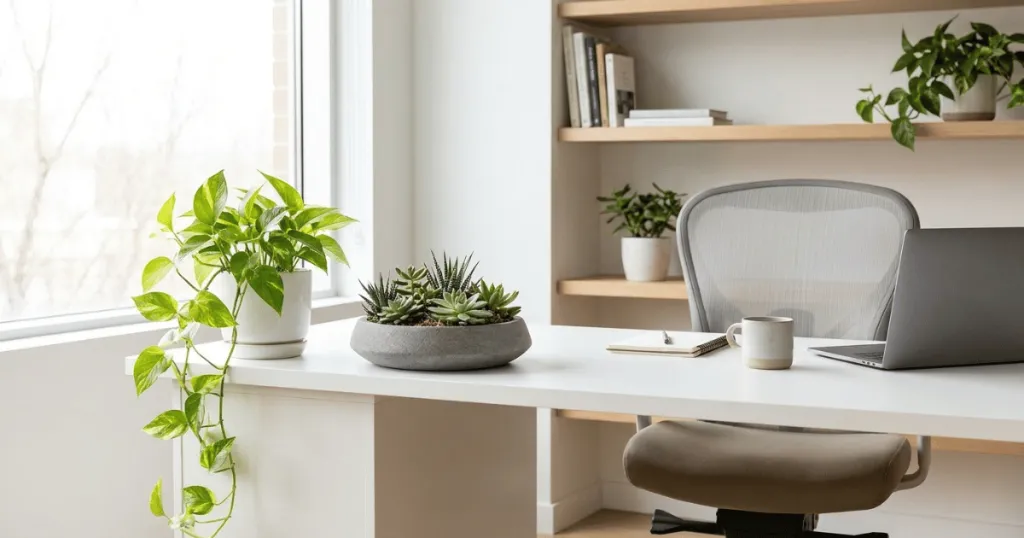
Defining the Office-Hardy Standard
When evaluating plants for a professional setting, the primary criteria are light tolerance, watering frequency, and structural durability. Most office environments rely on fluorescent or LED lighting, which provides sufficient energy for survival but rarely enough for rapid growth. Consequently, the best low maintenance office plants are those that prioritize slow, steady development over high-energy flowering or rapid leaf production.
Humidity is another critical factor. Centralized HVAC systems often keep office air drier than a typical home, which can cause leaf tips to brown on sensitive species. Plants that are native to forest floors or understory environments are generally better equipped to handle these conditions. Furthermore, the ability to withstand missed watering sessions is essential. A plant that wilts immediately upon missing a single Monday morning watering is not a viable candidate for a busy office manager or a distracted employee.
Top Selections for the Best Low-Maintenance Office Plants
Snake Plant
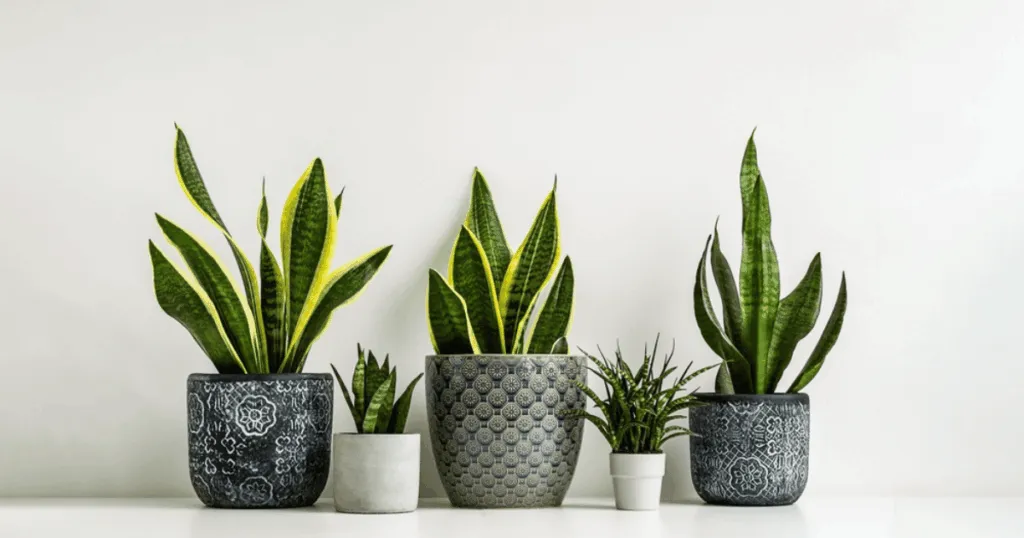
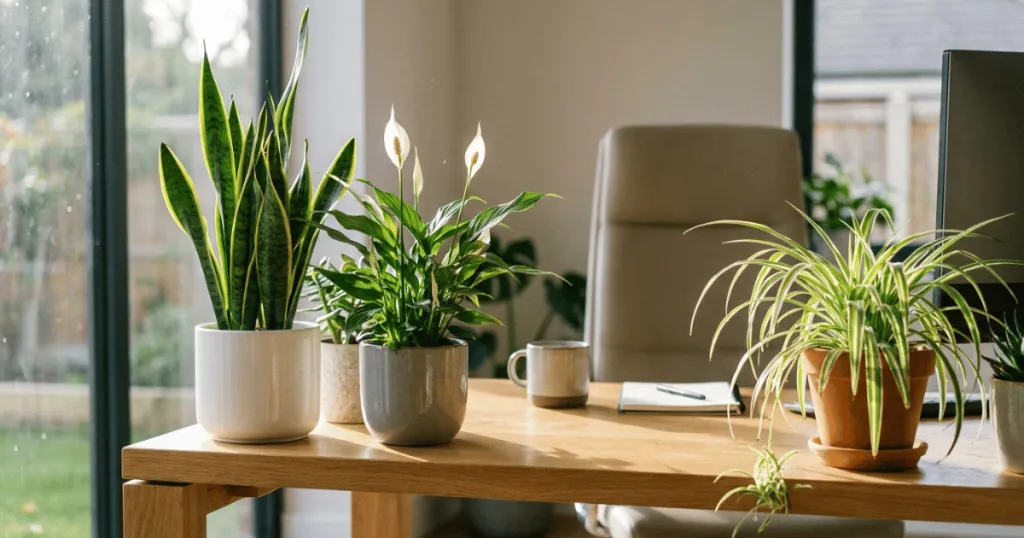
The Snake Plant is arguably the most forgiving option for any office. Its upright, architectural leaves make it a perfect fit for corners or tight desk spaces where horizontal spread is not an option. It thrives on neglect and actually prefers to dry out completely between waterings. Because it is highly tolerant of low light, it remains a staple for windowless offices or cubicles. Note that it is mildly toxic to pets if ingested, so keep it out of reach in pet-friendly offices.
ZZ Plant
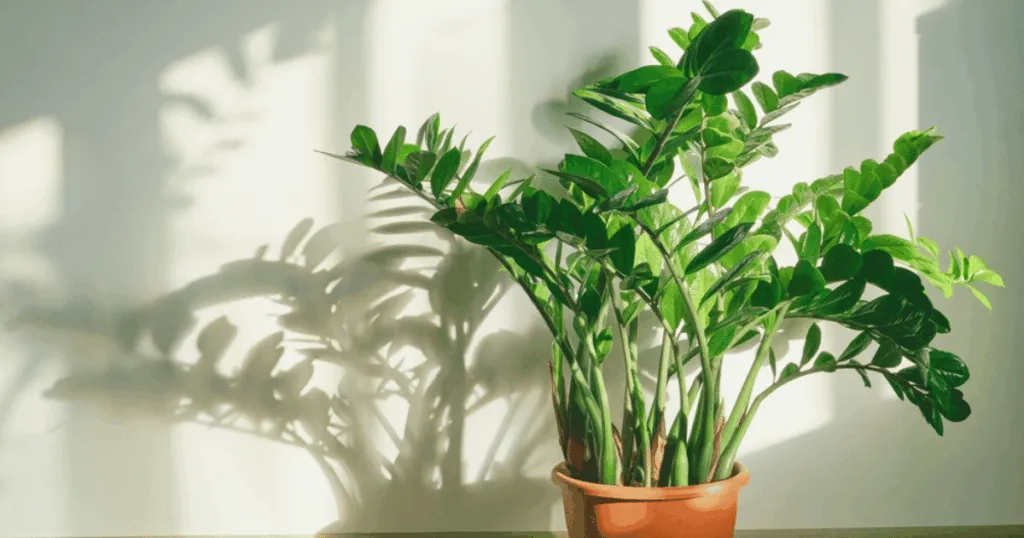
If you need a plant that looks polished and professional with almost zero effort, the ZZ Plant is the industry standard. Its waxy, deep green leaves reflect ambient light, and it is famously capable of surviving in near-total darkness. It is an ideal choice for reception areas or meeting rooms where natural light is non-existent. Its rhizomes store water efficiently, making it incredibly drought-tolerant for long weekends.
Pothos
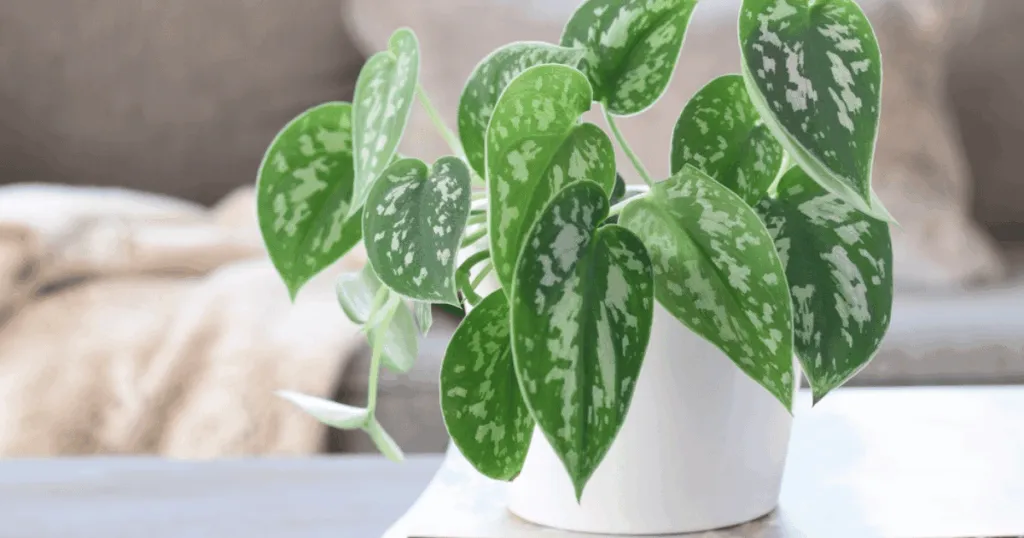
Pothos is a versatile trailing vine that adds a softer, more organic feel to bookshelves or filing cabinets. It is incredibly communicative, as its leaves will begin to droop slightly when it needs water, acting as a built-in reminder system. It adapts well to various light levels, though it will grow faster in brighter spots. It is toxic to pets, so ensure it is placed on high shelves or hanging planters.
Chinese Evergreen
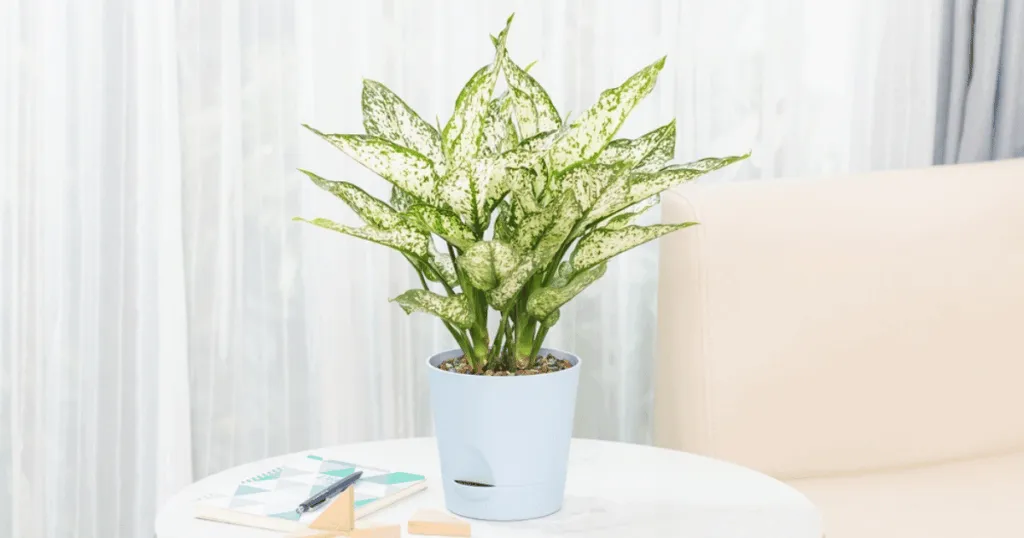
Also known as Aglaonema, this plant offers a variety of leaf patterns and colors that can brighten up a dull cubicle. It is highly adaptable to low-light conditions and is one of the few plants that maintains its variegation even in dimmer environments. It is a reliable, steady performer that rarely demands special attention, though it prefers slightly more consistent moisture than the Snake Plant.
Cast Iron Plant
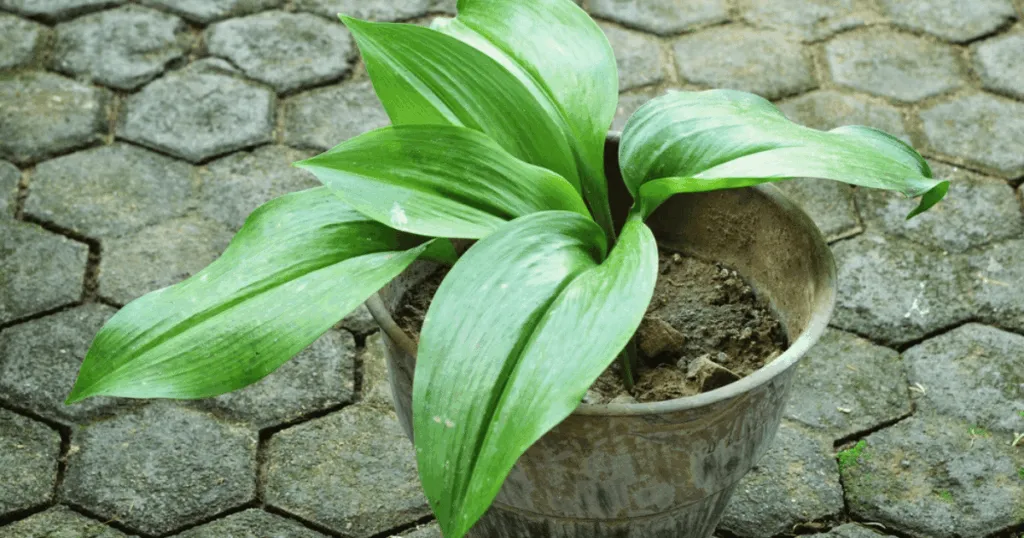
True to its name, this plant is nearly indestructible. It is the perfect choice for high-traffic areas where plants might be bumped or ignored for long stretches. It grows slowly and does not require frequent pruning, making it a low-maintenance, long-term investment for a permanent office setup. It is non-toxic, making it a safe choice for shared office spaces.
Parlor Palm
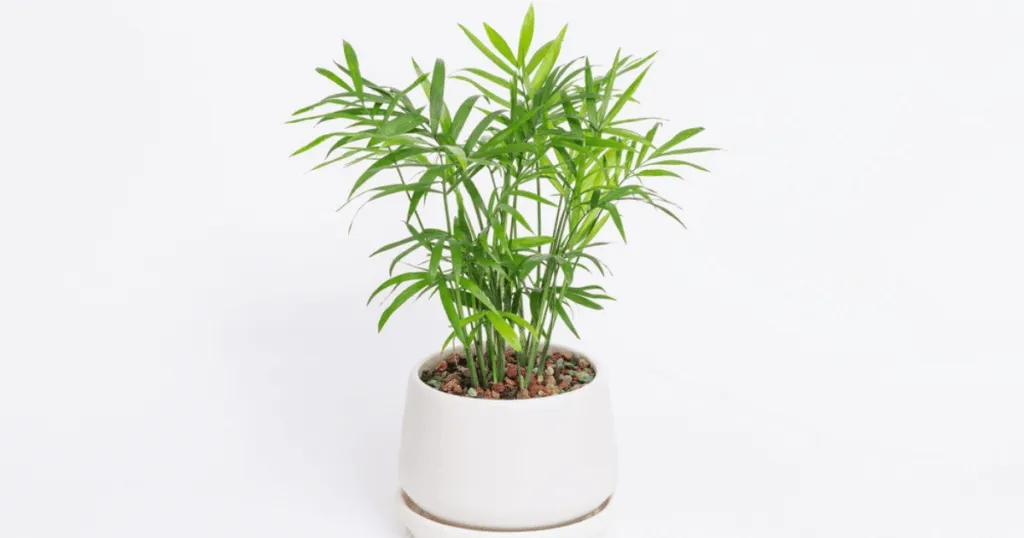
For those who want a touch of tropical elegance without the high maintenance of other palms, the Parlor Palm is the answer. It is specifically suited to indoor, low-light conditions and does not require the high humidity that causes other palms to struggle in office air. It creates a soft, feathery texture that contrasts well with rigid office furniture and is safe for pets.
Spider Plant
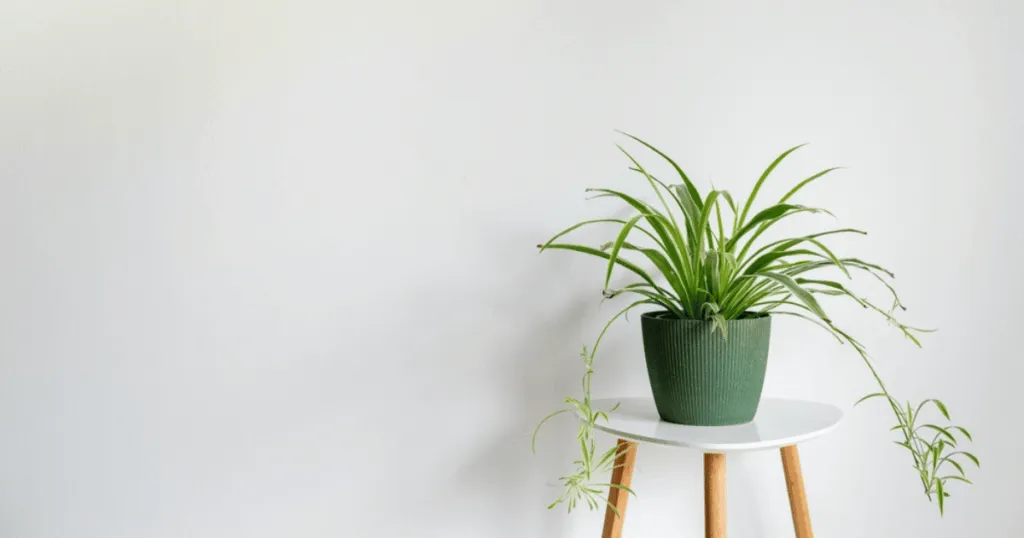
The Spider Plant is a classic for a reason. Its arching, grass-like leaves are visually distinct, and it is non-toxic, making it a safe choice for shared spaces. It is very resilient and will produce small plantlets, or babies, which can be propagated if you want to expand your office greenery over time. It prefers to dry out slightly between waterings.
Syngonium
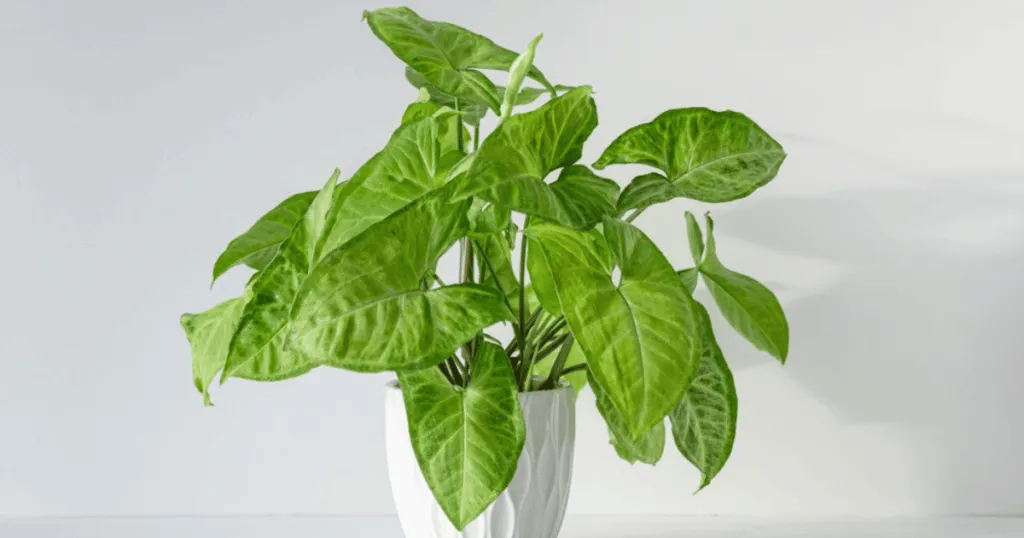
The Arrowhead Plant is a fantastic alternative to Pothos if you want a different leaf shape. It is highly tolerant of typical office conditions and can be trained to climb or allowed to trail. It stays compact for a long time, making it suitable for smaller desks where space is at a premium. Keep in mind it is toxic to pets if chewed.
Peperomia
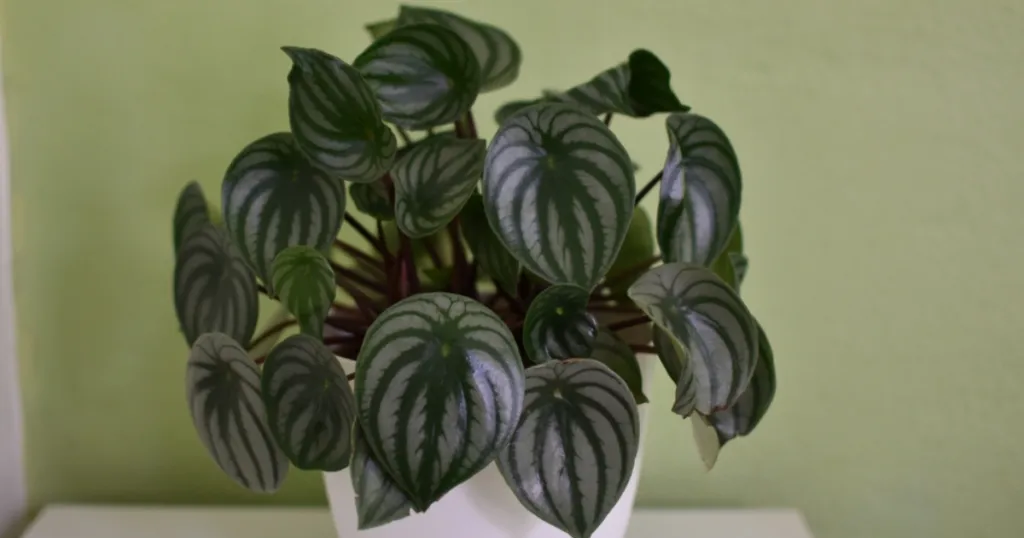
Peperomia varieties are excellent for those who want a small, desk-sized plant with interesting textures. They are compact, non-toxic, and very easy to care for. Because they store water in their leaves, they are quite forgiving if you forget to water them for a week or two. They prefer medium indirect light to maintain their vibrant foliage.
Lucky Bamboo
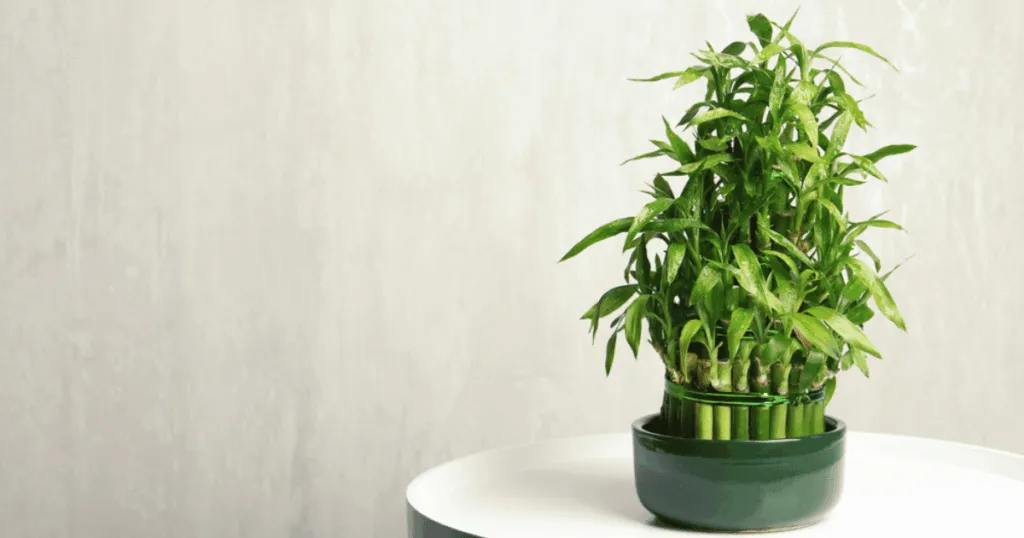
Often grown in water, Lucky Bamboo is a minimalist choice that works well in modern, clean-lined office spaces. It requires very little light and is easy to maintain as long as you keep the water clean and topped up. It provides a vertical element that fits perfectly into narrow spaces on a desk or windowsill. Note that it is a Dracaena species and is toxic to pets.
Expanding Your Greenery: Additional Resilient Options
Beyond the top ten, several other plants excel in office settings. The Dracaena genus, including the Corn Plant, is highly adaptable to low light, though it can be sensitive to fluoride in tap water, which may cause brown tips. For those seeking a non-toxic palm, the Kentia Palm offers a more refined, slow-growing alternative to the Parlor Palm, perfect for reception areas. If you have a bright, sunny windowsill, Hoya varieties are excellent semi-succulents that handle neglect well and can even produce fragrant flowers under the right conditions.
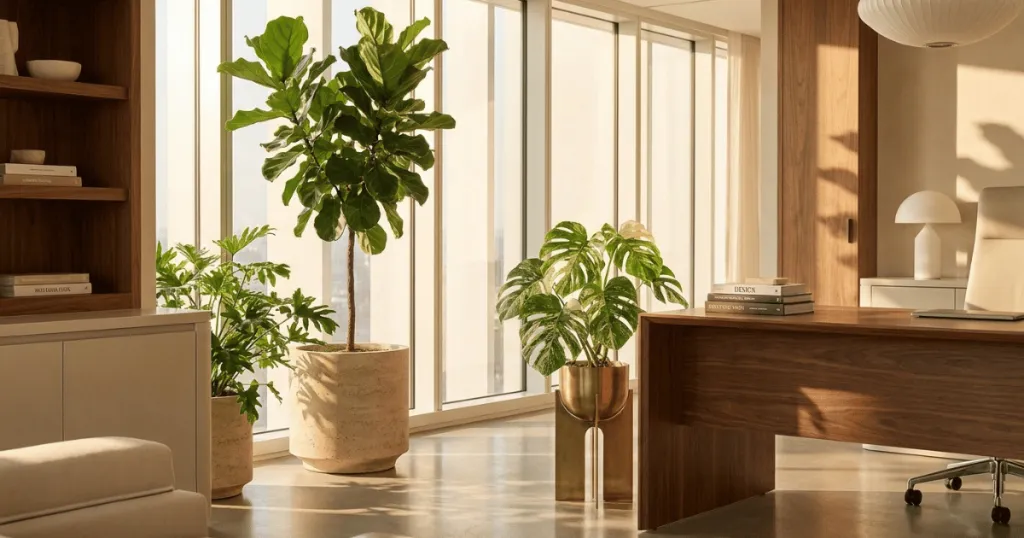
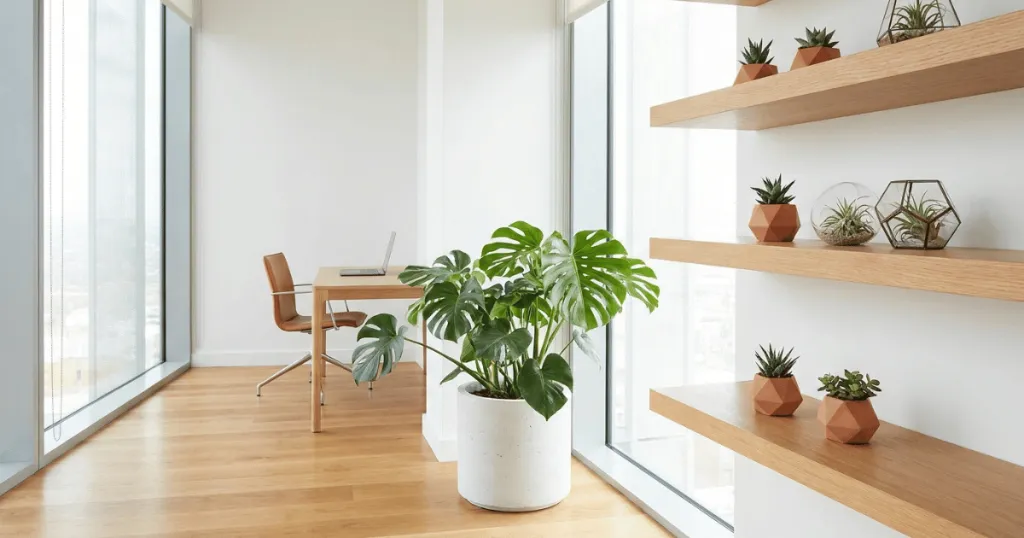
For those managing larger spaces, the Monstera provides a dramatic, large-leaf aesthetic. While it requires brighter light than a ZZ plant to develop its signature leaf splits, it is quite hardy once established. Conversely, if you are working with extremely limited desk space, African Violets offer a splash of color. They require more specific watering techniques – such as bottom-watering to avoid leaf spots – but provide a rewarding, flowering experience that most foliage-only plants cannot match.
Strategic Placement for Long-Term Success
Placement is just as important as the plant choice itself. In an office, the most common mistake is placing a plant directly under a vent. Constant airflow from HVAC systems can cause rapid moisture loss, leading to crispy leaf edges regardless of how much you water. Always aim to place plants in a stable environment away from direct drafts. If your office layout forces a plant near a vent, consider installing a small physical barrier or choosing a plant with thicker, more succulent leaves, such as a Jade Plant or a Ponytail Palm, which are better equipped to handle the desiccating effects of moving air.
Lighting should be assessed based on the plant’s proximity to windows. Even if a plant is labeled as low-light tolerant, it will perform better with some indirect exposure. If your office has only fluorescent lighting, rotate your plants every few weeks to ensure all sides receive even light distribution, preventing the plant from leaning heavily toward the light source. Remember that glass windows can magnify heat; if a desk is right against a south-facing window, even ‘bright light’ plants might need protection from direct midday sun to prevent scorching.
Managing Plant Health in the Workplace
The most common cause of plant failure in an office is not a lack of a ‘green thumb,’ but rather the lack of a consistent observation routine. Because office workers are often distracted by deadlines, plants can go unnoticed until they are severely dehydrated or drowning in overwatered soil. Establishing a ‘plant check’ day – perhaps every Monday morning – can help you catch issues before they become terminal. During this check, look for signs of pests, dust buildup on leaves, and soil moisture levels.
Dust is a silent killer in offices. Because plants rely on their leaves for photosynthesis, a thick layer of office dust can effectively ‘suffocate’ a plant by blocking light. Wipe leaves down with a damp cloth every few weeks to keep them healthy and efficient at cleaning the air. This simple act also allows you to inspect for common office pests like spider mites or mealybugs, which thrive in the dry, stagnant air of many cubicles. If you spot webbing or sticky residue, isolate the plant immediately to prevent the infestation from spreading to other greenery in the office.
Understanding Growth Cycles and Maintenance Trade-offs
While the best low maintenance office plants are resilient, they are not immortal. The most significant trade-off for low maintenance is often a slower growth rate. If you are looking for a plant that will double in size within a few months, you will likely need to choose a higher-maintenance species that requires more light and fertilizer. For most office workers, however, the slow, steady growth of the plants listed above is a benefit, as it means less frequent repotting and pruning. A plant that stays within the footprint of your desk is often more valuable than one that requires constant trimming to keep it from encroaching on your keyboard or monitor.
Another consideration is the toxicity of common office plants. Many popular options, such as the Snake Plant and ZZ Plant, contain calcium oxalate crystals or saponins that are toxic if ingested. If your office is a pet-friendly environment or if you have concerns about safety, prioritize non-toxic options like the Parlor Palm or Spider Plant. Choosing the right plant is about balancing your aesthetic goals with the reality of your specific office culture and maintenance capacity.
If you find that your plants are consistently struggling, the issue is rarely the plant itself. It is almost always a sign of overwatering or poor drainage. A common mistake is to water on a schedule regardless of soil moisture. Always check the top inch of soil before adding water. If it is still damp, wait. Overwatering is the fastest way to kill even the most resilient office plant. Ensure your pots have adequate drainage holes; if you are using decorative cachepots, remove the inner plastic nursery pot to water the plant in a sink, allowing it to drain fully before returning it to its decorative container.
We provide this information for educational purposes to help you maintain a healthier workspace. We do not sell plants or offer commercial services. Our goal is to empower office managers and employees to make informed decisions about their indoor greenery. Always check with your facility management team before introducing large plants to common areas to ensure they do not obstruct emergency exits or violate building safety codes.
Practical Decision Matrix for Office Managers
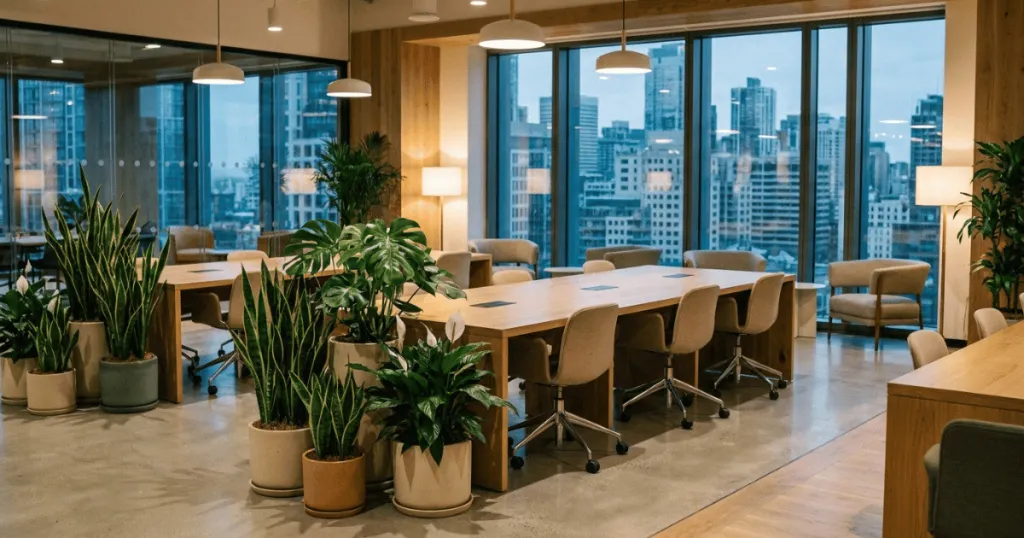
When selecting plants for a large office, consider the ‘maintenance burden’ of each species. A lobby filled with high-maintenance ferns will require a dedicated staff member to manage humidity and watering, whereas a lobby filled with ZZ plants and Snake Plants can be managed by a facilities team on a weekly or bi-weekly rotation. For individual desks, prioritize plants that are compact and non-toxic, such as Peperomia or Spider Plants. For meeting rooms, where natural light might be inconsistent, the Cast Iron Plant and Chinese Evergreen provide reliable, long-lasting greenery that does not require constant attention during long meetings or periods of low occupancy.
Finally, remember that the ‘best’ plant is the one that fits your specific office environment. If your office is perpetually cold, avoid tropical varieties that require high heat. If your office is near a busy street with high dust levels, choose plants with smooth, easy-to-clean leaves like the Rubber Plant or Pothos, rather than fuzzy-leaved plants that trap dust and become difficult to maintain. By matching the plant’s natural requirements to your office’s unique microclimate, you ensure a successful, low-maintenance experience that enhances your workspace for years to come.
FAQ
How often should I water my office plants?
Most of the best low maintenance office plants prefer to dry out between waterings. Instead of a strict schedule, check the soil moisture by inserting your finger an inch deep. If it feels dry, water it. If it is still moist, wait another few days.
Do I need to fertilize my plants in an office?
Plants in low-light office environments grow slowly and require very little fertilizer. A balanced, water-soluble fertilizer applied at half-strength once or twice during the spring and summer is usually sufficient. Avoid fertilizing in the winter when growth naturally slows.
What should I do if my plant leaves are turning yellow?
Yellowing leaves are most commonly a sign of overwatering. Ensure your pot has drainage holes and that the plant is not sitting in a saucer of standing water. If the soil is dry and the leaves are still yellow, it could be a sign of insufficient light or natural aging.
Can office plants survive over a long holiday break?
Yes, provided they are healthy before you leave. Give them a thorough watering right before you depart and move them away from any direct heat sources or sunny windows. Most of the plants on this list can easily survive two to three weeks without water.