Affiliate Disclosure: As an Amazon Associate, I earn from qualifying purchases.
Selecting the best smelling plants for office environments requires a delicate balance between fragrance intensity and the realities of a shared workspace. Unlike home gardens where you can curate a high-scent environment, office plants must remain unobtrusive to colleagues while surviving under fluorescent lighting and climate-controlled HVAC systems. The goal is to choose species that offer a subtle, clean aroma without overwhelming a small cubicle or a shared conference room.
Before choosing a plant based solely on its scent, prioritize its ability to tolerate low to medium light and consistent, often dry, indoor air. A fragrant plant that struggles to survive in your office will quickly lose its vigor and stop producing the very blooms or foliage oils that provide the scent you desire. Focus on plants that are known for their resilience in workplace conditions, ensuring that your choice is as practical as it is pleasant.
Key Takeaway
The best smelling plants for office use are those that provide subtle, non-intrusive fragrance while thriving in low-light, climate-controlled conditions.
- Prioritize plants with manageable, non-allergenic scents.
- Ensure the plant tolerates low or indirect office light.
- Check for pet toxicity if your office is animal-friendly.
- Avoid plants requiring high humidity or constant misting.
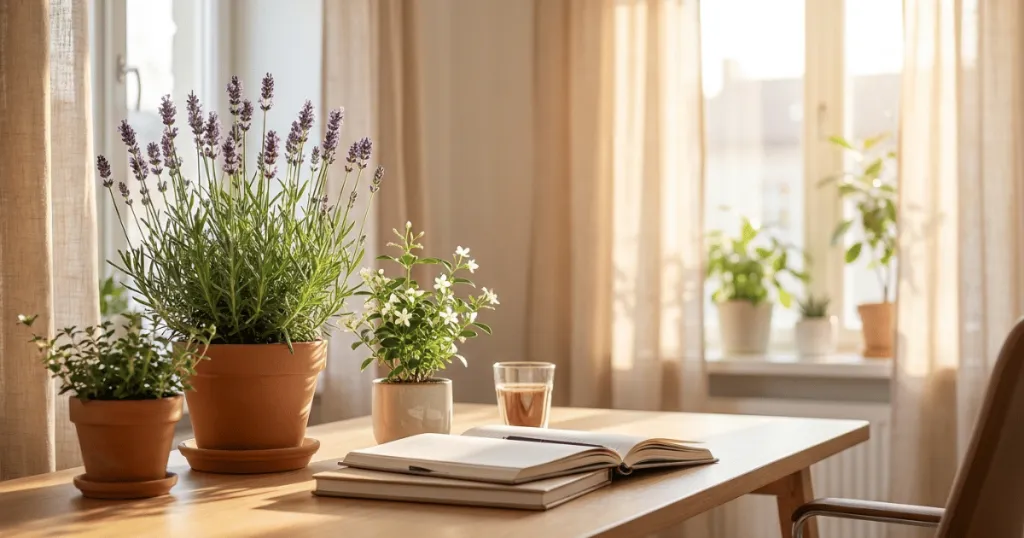
Criteria for Fragrant Office Greenery
When evaluating plants for their scent, consider the source of the aroma. Some plants, like certain varieties of Jasmine or Hoya, produce flowers that release a strong perfume, while others, like scented Geraniums, rely on the oils within their leaves. In an office, leaf-based scents are often more reliable because they do not depend on the plant reaching a specific flowering stage, which can be difficult to achieve in an environment without direct sunlight.
Another critical factor is the intensity of the fragrance. A scent that is pleasant in a large, open-air lobby can become stifling in a small, enclosed cubicle. Always opt for species that release their scent only when the leaves are brushed against or when the plant is actively blooming. This allows you to control the aromatic experience rather than having a constant, potentially irritating perfume filling the air throughout the workday.
Top Selections for Fragrant Office Plants
Hoya
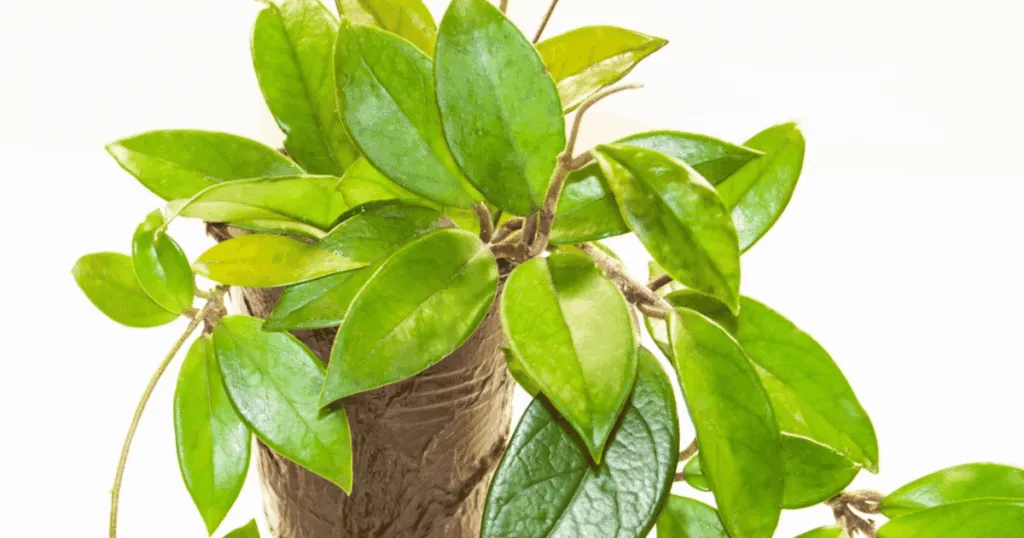
Hoya, often called the Wax Plant, is a stellar choice for desks because it is highly tolerant of inconsistent watering and lower light levels. Many Hoya varieties produce clusters of star-shaped flowers that emit a sweet, subtle fragrance, particularly in the evening. Because they are slow-growing and compact, they fit perfectly on a bookshelf or a corner of a desk without taking up valuable workspace.
African Violet
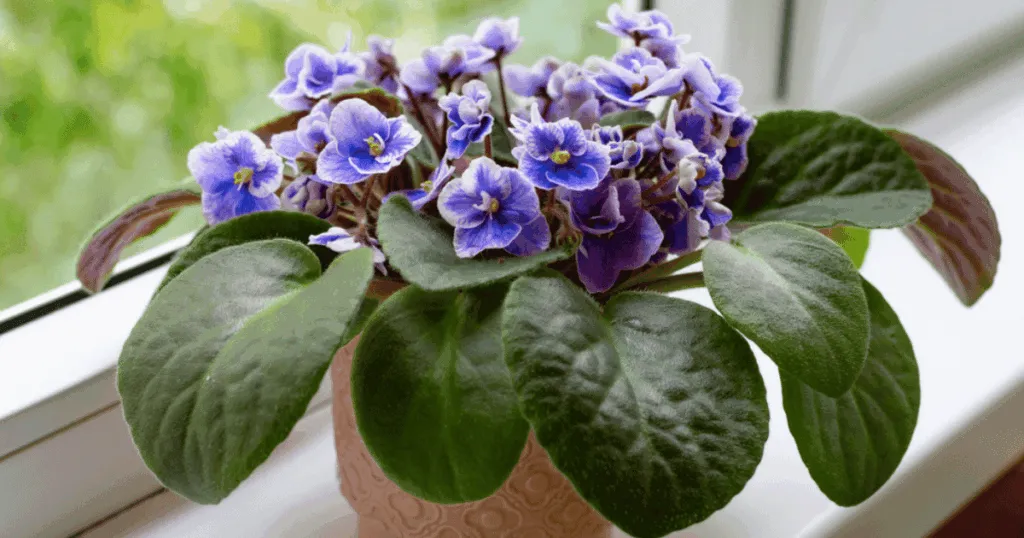
If you have a bright desk space that receives indirect light, African Violets are a classic, compact option. While they are primarily known for their colorful blooms, some varieties offer a faint, clean scent. They are particularly well-suited for office environments because they do not grow large, and their care requirements are predictable once you establish a routine of watering from the bottom to avoid leaf spotting.
Gardenia
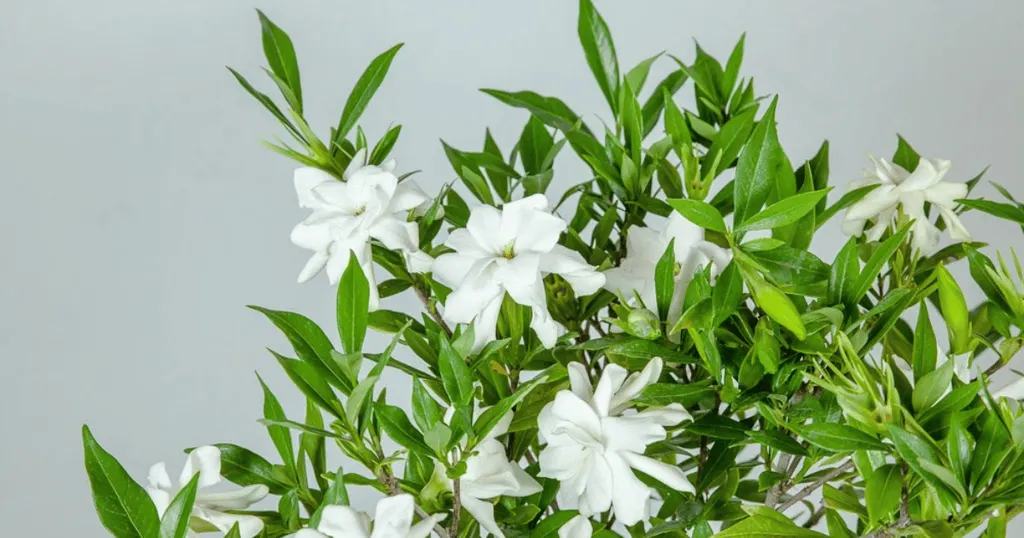
Gardenias are famous for their intense, beautiful fragrance. While they are more demanding than a ZZ plant or a Snake plant, they can thrive in an office if placed in a bright, indirect light spot near a window. They require consistent moisture and higher humidity than typical office air provides, so placing them on a pebble tray with water can help them maintain the health needed to produce their signature white, highly aromatic flowers.
Scented Geranium
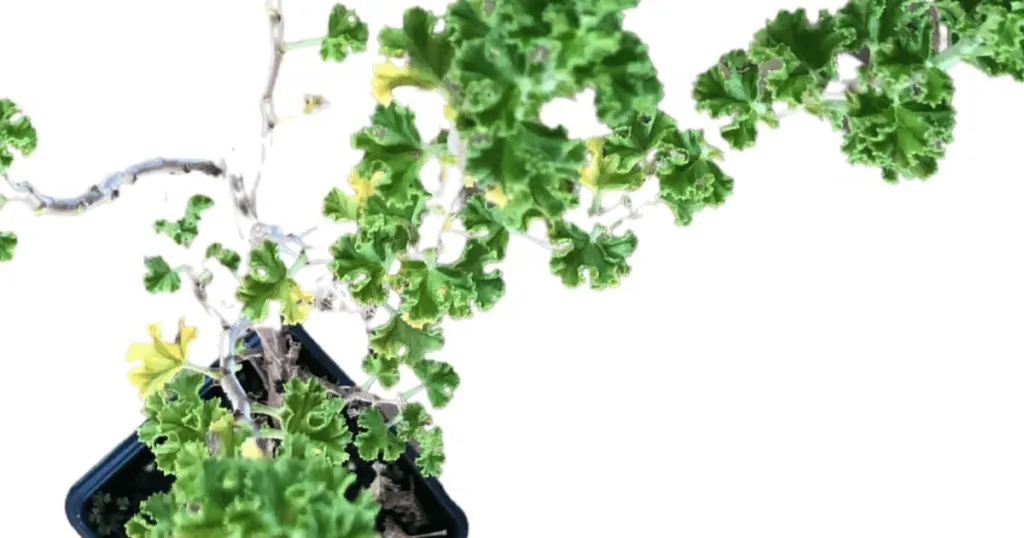
Unlike standard garden geraniums, scented geraniums are grown primarily for the aromatic oils in their foliage. Varieties like ‘Lemon’ or ‘Rose’ release a refreshing scent when you gently brush the leaves. They are excellent for offices because they are relatively tough and can handle the occasional missed watering, provided they receive enough light to keep their growth compact and sturdy.
Strategic Selection Logic for Office Managers
When selecting plants for a shared office, the decision-making process should move beyond personal preference to encompass the collective workspace experience. Start by auditing your available light. If your office relies heavily on LED or fluorescent lighting, prioritize plants with aromatic foliage over those that require high-intensity light to bloom. Foliage-based scent is a more consistent, reliable, and manageable strategy for indoor environments.
Consider the “interaction threshold” of your office. In high-traffic areas like reception desks or breakrooms, plants that release scent only upon contact – such as scented geraniums or certain herbs – are superior to heavy-flowering species. This prevents the scent from becoming a distraction during meetings or long periods of focused work. Conversely, in a private office, you have more freedom to experiment with flowering species like Hoya, provided you can maintain the necessary light levels.
Finally, evaluate the maintenance burden. Fragrant plants are often “fussy” compared to the standard office workhorses like the Snake Plant or ZZ Plant. If your office management team does not have a dedicated plant care schedule, choose species that are forgiving of missed waterings. A plant that dies due to neglect will not provide any scent, and the resulting decay can actually introduce unpleasant odors to the workspace.
Managing Humidity and Air Quality in Offices
The primary challenge for any fragrant indoor plant is the dry, climate-controlled air typical of modern office buildings. HVAC systems are designed to remove moisture, which is the antithesis of what most flowering, fragrant plants require. To bridge this gap, you must implement localized humidity solutions. A simple pebble tray filled with water beneath the pot can create a micro-climate that keeps the plant healthy enough to produce its aromatic compounds.
Avoid placing fragrant plants directly under air conditioning vents. The constant airflow not only dries out the soil rapidly but can also cause “scent dissipation,” where the aroma is blown away before it can be enjoyed. Instead, place these plants in “still zones” – corners or areas away from direct drafts – where the fragrance can linger gently. This placement also protects the plant from the temperature fluctuations that often lead to leaf drop or bud blast in sensitive species.
The Role of Lighting in Fragrance Production
It is a common misconception that any plant will smell good if it is healthy. In reality, the production of essential oils and floral perfumes is an energy-intensive process. If a plant is not receiving enough light, it will prioritize survival over reproduction (flowering). In an office, this means that a plant might look green and healthy but never produce a single bloom. If you are determined to have a flowering, fragrant plant, you must ensure it receives bright, indirect light. If your office lacks this, consider using a dedicated full-spectrum LED grow light. These are now available in sleek, unobtrusive designs that can be clipped to a desk or integrated into a planter, providing the necessary energy for your plant to produce its signature scent without requiring a prime window location.
Expanding Your Fragrant Collection: Additional Considerations
Beyond the primary selections, office managers should consider the long-term viability of their green assets. Fragrant plants often require more frequent monitoring of soil moisture. In an office setting, where HVAC systems constantly pull moisture from the air, the soil in a small pot can dry out faster than expected. Using a moisture meter or simply checking the soil depth with a finger can prevent the premature wilting of delicate, scented blooms.
Another aspect to consider is the seasonal nature of scent. Many plants will only bloom during specific times of the year. If you are looking for a year-round aromatic presence, you might consider pairing a flowering plant like a Hoya with a foliage-scented plant like a Scented Geranium. This creates a layered sensory experience where the foliage provides a consistent, subtle background note, while the flowers offer seasonal bursts of fragrance.
Placement and Use-Case Strategies
The placement of your fragrant plants significantly impacts their success and the overall office atmosphere. For reception areas, larger, more architectural plants like a well-placed Gardenia can create a welcoming, professional impression. In these high-traffic zones, ensure the plant is positioned where it will not be knocked over and where its scent can circulate naturally without being trapped in a stagnant corner.
For individual desks, smaller, leaf-scented plants like Scented Geraniums are ideal. Since you are in close proximity, you can enjoy the aroma by simply touching the leaves during a break. This interaction can serve as a small, sensory-based stress reliever during a busy day. Avoid placing highly fragrant flowering plants directly next to a colleague who may have sensitivities to strong perfumes or pollen, as workplace etiquette suggests keeping shared air spaces as neutral as possible.
Limitations and Practical Trade-offs
It is important to acknowledge that the best smelling plants for office environments often require more attention than foliage-only staples like the Snake Plant or Pothos. Fragrance is an energy-intensive process for a plant, meaning that flowering species often require more light and more frequent fertilization to maintain their bloom cycle. If your office lacks natural light, you may find that these plants struggle to flower, effectively turning them into non-fragrant foliage plants.
Furthermore, consider the potential for allergies. While many office plants are safe, some people have sensitivities to specific floral scents or the pollen produced by certain blooms. If your office is a shared space, it is a professional courtesy to check with your immediate neighbors before introducing a plant known for its strong aroma. A safer approach in a dense office setting is to stick to plants with mild, foliage-based scents that are only noticeable upon close contact.
Finally, remember that the most fragrant plants are rarely the most neglect-tolerant. If your office schedule involves frequent travel or long holiday closures, you may need to set up a basic self-watering system or ensure a colleague can provide the necessary care. Choosing a plant that fits your maintenance capacity is just as important as choosing one that fits your aesthetic or olfactory preferences.
Managing Environmental Stressors
Office environments are notorious for fluctuating temperatures and dry air. Fragrant plants, particularly those that bloom, are sensitive to these shifts. To mitigate stress, avoid placing your plants directly in the path of air vents or near heat-generating office equipment like printers or servers. These locations can cause rapid moisture loss and leaf drop, which will inevitably diminish the plant’s ability to produce its fragrant oils or flowers.
If you find that your plant is struggling despite adequate light, consider the quality of the water you are using. Many office buildings use treated water that may contain high levels of chlorine or fluoride. While hardy plants like the Snake Plant or ZZ Plant might not notice, more sensitive, fragrant varieties can develop brown leaf tips or experience stunted growth. If you notice these signs, switching to filtered or distilled water can make a significant difference in the plant’s overall health and vitality.
A Note on Office Plant Maintenance
This information is provided for educational purposes to help you select plants that are suitable for indoor office conditions. Please note that plant health depends on your specific office environment, including light levels, temperature, and humidity. We do not provide commercial services or product recommendations. Always research the specific toxicity of any plant if you have pets or children who may have access to your workspace, as many common indoor plants can be harmful if ingested.
FAQ
Are there any low-light plants that smell good?
Most fragrant plants require bright, indirect light to produce flowers. In low-light offices, you are better off choosing plants with aromatic foliage, such as certain scented Geraniums, which are more likely to maintain their scent profile without needing intense sunlight.
Can I keep a Gardenia in a windowless office?
Gardenias generally require bright, indirect light to thrive and bloom. In a windowless office, they will likely struggle to produce flowers and may decline in health. Consider using a full-spectrum grow light if you are committed to keeping a flowering plant in a low-light area.
Do fragrant plants cause allergies in the office?
Some people are sensitive to strong floral scents or pollen. To maintain a professional and comfortable environment, opt for plants with subtle, foliage-based scents rather than heavy, perfume-like flowers, and always check with nearby colleagues before introducing a highly aromatic plant.