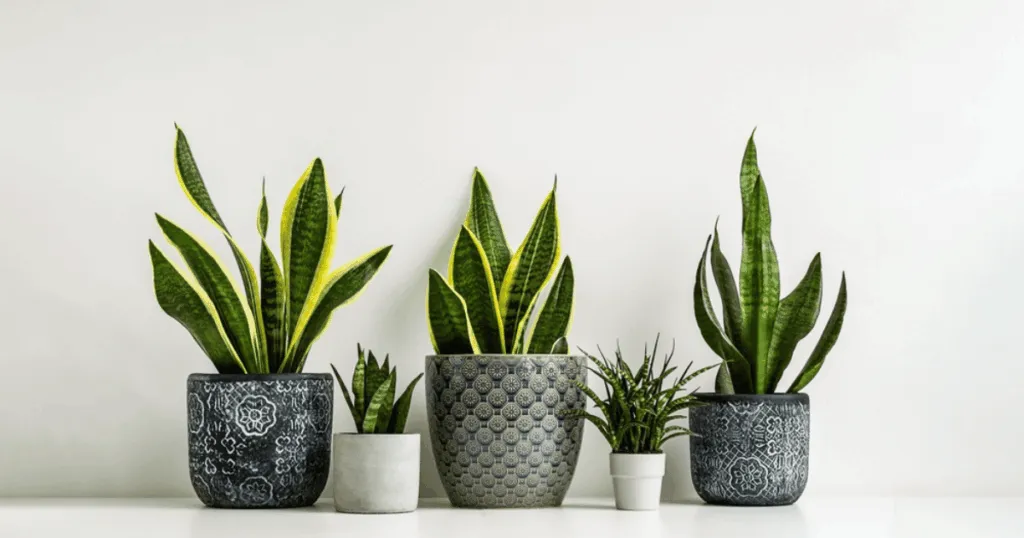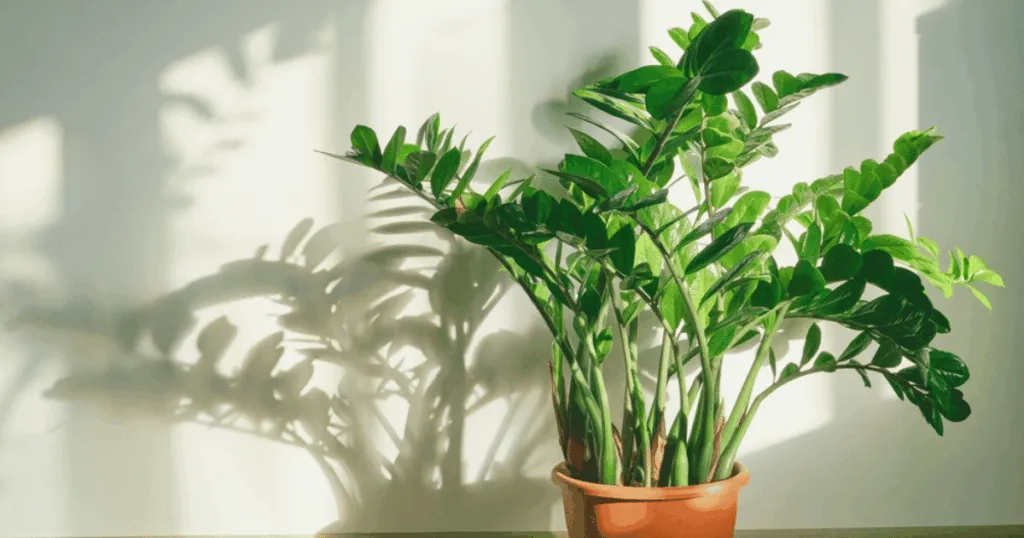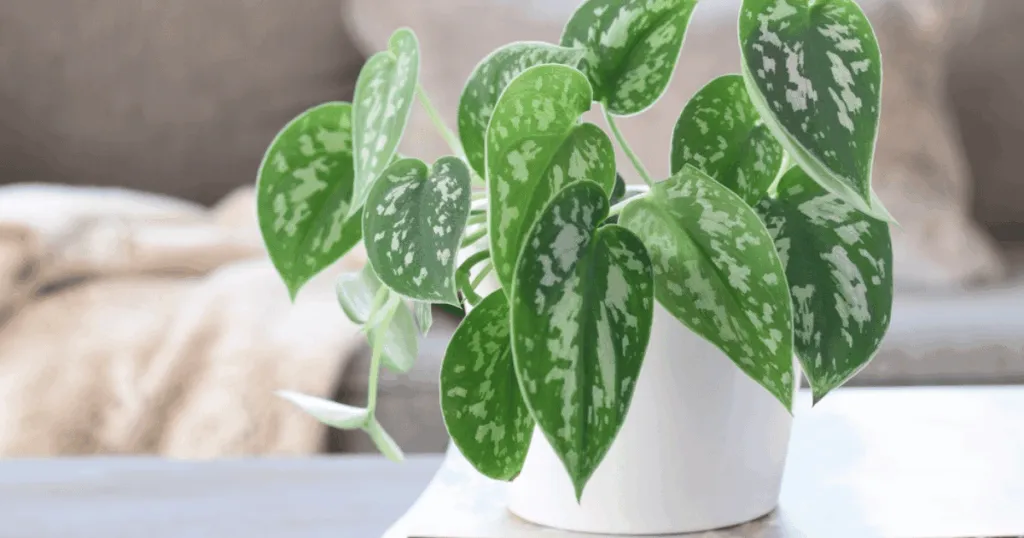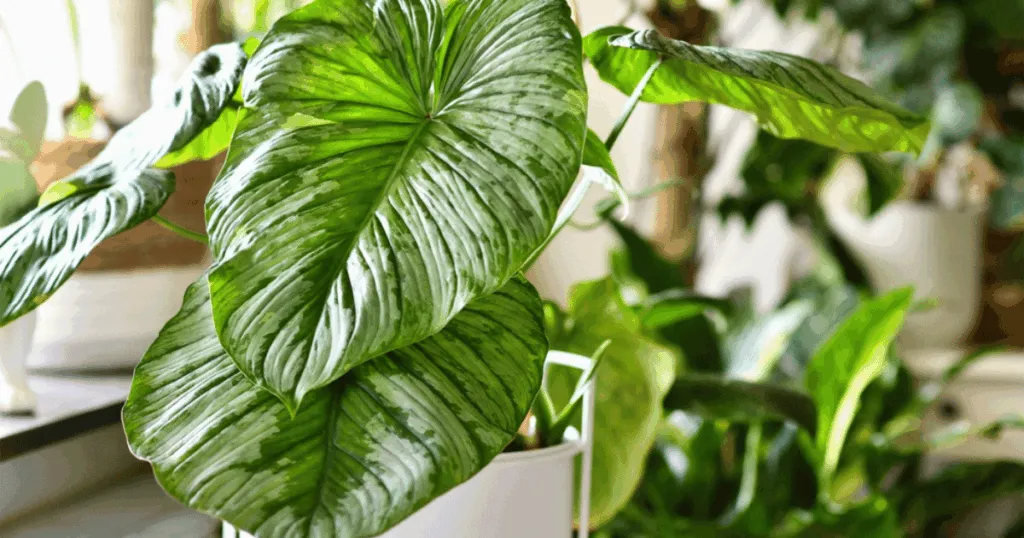
The Yucca is a highly resilient, drought-tolerant architectural plant that thrives in bright office spaces with minimal intervention.
- Requires bright, direct or indirect light to maintain structural integrity.
- Extremely drought-tolerant; allow soil to dry completely between waterings.
- Tolerates low-humidity office air without requiring supplemental misting.
- Contains saponins; keep away from pets if your office is animal-friendly.
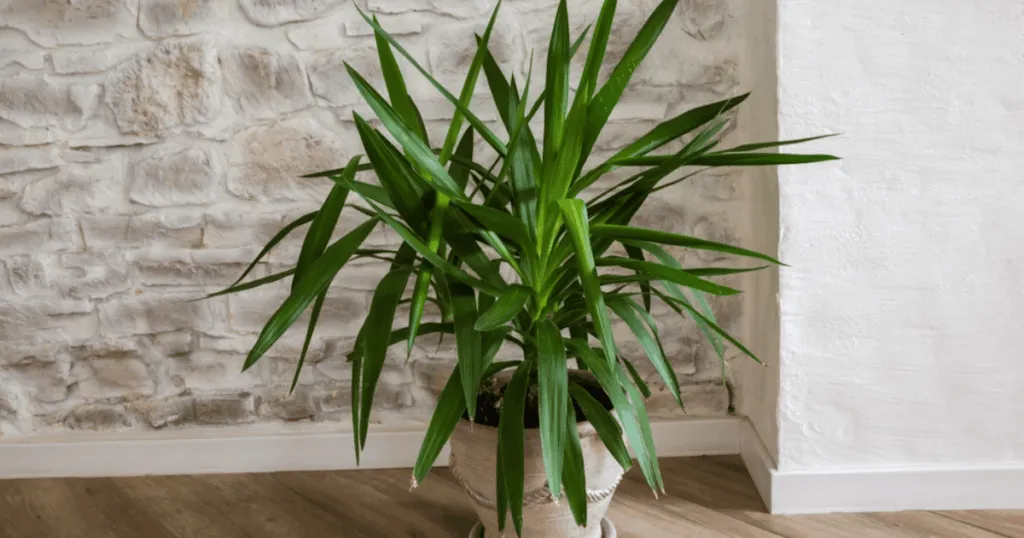
Defining the Yucca in the Workplace
For office managers seeking a plant that balances a striking, sculptural aesthetic with genuine low-maintenance requirements, the Yucca is a standout candidate. Unlike more delicate tropical foliage that wilts at the first sign of an HVAC fluctuation, this plant is built for endurance. It brings a desert-inspired, vertical presence to reception areas and meeting rooms, offering a clean, modern look that fits well within professional design schemes.
The plant is defined by its rigid, sword-like leaves that radiate from a sturdy, woody trunk. In an office setting, this growth habit is a significant advantage; the plant occupies vertical space rather than sprawling across desk surfaces or walkways. Because it is naturally adapted to arid environments, it handles the dry, climate-controlled air of modern office buildings better than many common indoor plants, making it a reliable choice for spaces that lack a dedicated maintenance team.
Appearance and Structural Growth
The Yucca is characterized by its dramatic, architectural silhouette. Depending on the variety, you will typically see either a single, thick cane or a cluster of multiple stems of varying heights. The foliage is stiff, often ending in a sharp, pointed tip that gives the plant a distinct, aggressive beauty. This structural rigidity is what makes it a favorite for minimalist office decor; it does not require constant pruning to maintain its shape, nor does it lose its form as it ages.
Growth is relatively slow, which is a major benefit for office planning. You do not need to worry about the plant outgrowing its designated corner within a few months. When placed in a stable environment, it maintains its upright, statuesque appearance for years. The leaves are typically a deep, matte green, sometimes featuring creamy variegation depending on the specific cultivar. Because the plant is slow-growing, it is less demanding of nutrients and root space than faster-growing indoor species, allowing it to thrive in the same pot for extended periods.
Managing Care Needs in Office Conditions
The primary rule for keeping a Yucca healthy is to mimic its natural, arid-zone environment. This plant is a master of water conservation, and the most common mistake in an office setting is over-attentiveness. You should allow the soil to dry out completely between waterings. If the soil remains damp, the root system will quickly succumb to rot, which is often irreversible. In a typical office, this might mean watering only once every few weeks, depending on the ambient temperature and light exposure.
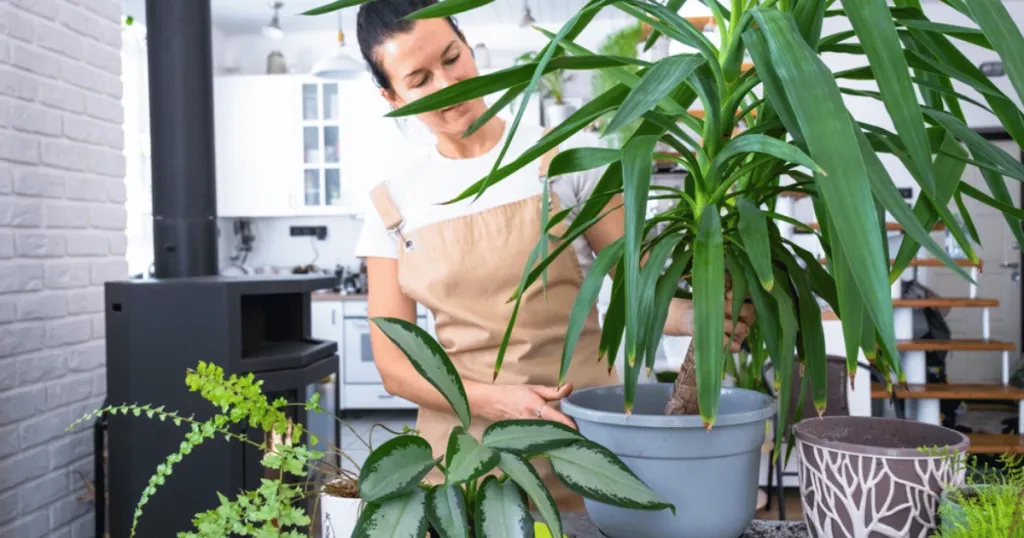
Light is the other critical factor. While some plants can survive in the dim corners of a cubicle farm, the Yucca demands bright light to stay healthy. It thrives best near south- or west-facing windows where it can receive direct or high-intensity indirect light. If the plant is kept in a low-light environment, it will eventually become leggy, lose its structural rigidity, and begin to lean toward the nearest light source. If your office lacks natural light, you may need to supplement with dedicated LED grow lights to maintain its health.
Placement Strategy and Traffic Considerations
Because of its sharp leaf tips, placement is a safety and comfort consideration. In high-traffic areas like narrow hallways, reception desks, or tight meeting rooms, the Yucca can be a physical hazard if placed at eye or shoulder level. We recommend positioning it in corners, behind lounge furniture, or in decorative planters that keep the foliage elevated above the reach of passersby. This prevents accidental scratches and ensures the plant remains undisturbed.
The plant’s verticality makes it an excellent choice for filling empty corners or framing doorways. It does not require a wide footprint, which is ideal for maximizing floor space in open-plan offices. When choosing a location, prioritize areas with consistent light. Avoid placing the plant directly in the path of cold air vents or heating ducts, as constant temperature fluctuations can stress even the most resilient species. A stable, bright location is the secret to long-term success.
Safety and Saponin Concerns
When considering the Yucca for an office that allows pets or has visiting animals, it is important to be aware of its chemical profile. According to guidance from the ASPCA and various veterinary poison-control resources, Yucca species contain saponins. These compounds are toxic to cats and dogs if the leaves are chewed or ingested, potentially causing gastrointestinal distress. If your office is a pet-friendly environment, ensure the plant is placed in an area that is physically inaccessible to animals. For offices without pets, this is not a concern, but it remains a standard safety check for any workplace greenery program.
Handoff to Care and Troubleshooting
While the Yucca is remarkably easy to live with, it is not immune to neglect or improper care. If you notice yellowing leaves, soft stems, or a loss of verticality, these are usually signals that the light or watering balance has been disrupted. Rather than attempting to force a recovery through drastic measures, it is best to consult a dedicated care guide that covers specific diagnostic steps, such as how to assess soil moisture at the root level or how to safely prune damaged foliage without compromising the plant’s structural integrity. By understanding these specific symptoms, you can keep your office greenery thriving for the long term.
Optimizing Potting and Soil for Office Longevity
Choosing the right potting medium is essential for the long-term health of a Yucca in an office. Because these plants are highly susceptible to root rot, the soil must be exceptionally well-draining. Standard potting soil often retains too much moisture for a desert-native species. For the best results, use a cactus or succulent mix, which typically includes perlite, pumice, or coarse sand to facilitate rapid drainage. When repotting, ensure the container has adequate drainage holes; a heavy ceramic or stone pot is often preferred in office settings to provide a low center of gravity, preventing the plant from tipping over if bumped in a busy corridor.
Seasonal Adjustments in the Workplace
Even in climate-controlled offices, seasonal changes can impact plant health. During winter months, when the sun angle is lower and days are shorter, your Yucca may receive significantly less light than in the summer. If your plant is positioned near a window, you might notice a slight slowdown in growth or a need for even less frequent watering. Conversely, during the summer, if the office air conditioning is running at full capacity, the plant may dry out faster. Monitoring the soil moisture every two weeks is a good habit to maintain, regardless of the season, to ensure you are not over-watering during periods of lower light.
Integrating Yucca into Modern Office Aesthetics
The Yucca’s aesthetic appeal lies in its clean, uncluttered lines. It pairs perfectly with modern office furniture, such as glass-topped desks, metal filing cabinets, or minimalist lounge seating. Because it does not have the soft, drooping leaves of many other indoor plants, it maintains a professional, tidy appearance that is easy to keep clean. Dusting the leaves occasionally with a damp cloth helps the plant photosynthesize more efficiently and keeps the office environment looking polished. This simple maintenance task also allows you to inspect the leaves for any signs of pests, such as scale or mealybugs, which, while rare on Yuccas, can occasionally occur in indoor environments.
Related Yucca Guides
- the full Yucca care breakdown
- troubleshooting a Yucca
FAQ
Can a Yucca survive in an office with only fluorescent lighting?
Generally, no. Standard office fluorescent or LED overhead lighting is rarely intense enough to support a Yucca long-term. Without access to bright, natural light from a window, the plant will eventually lose its vigor, become leggy, and likely decline. If you must place one in a windowless room, you will need to supplement with high-output LED grow lights.
How do I know if I am overwatering my Yucca?
The most reliable indicator of overwatering is the condition of the stem and leaves. If the base of the trunk feels soft or mushy to the touch, or if the leaves begin to yellow and drop prematurely, you are likely providing too much water. Always check that the soil is completely dry throughout the pot before adding more water.
Are the sharp tips of the Yucca dangerous in a busy office?
The tips are indeed sharp and can cause minor scratches. In a busy office, the best practice is to place the plant in a low-traffic corner or on a pedestal where it is out of the direct path of employees. Avoid placing it at desk height in corridors where people might brush against it while walking.