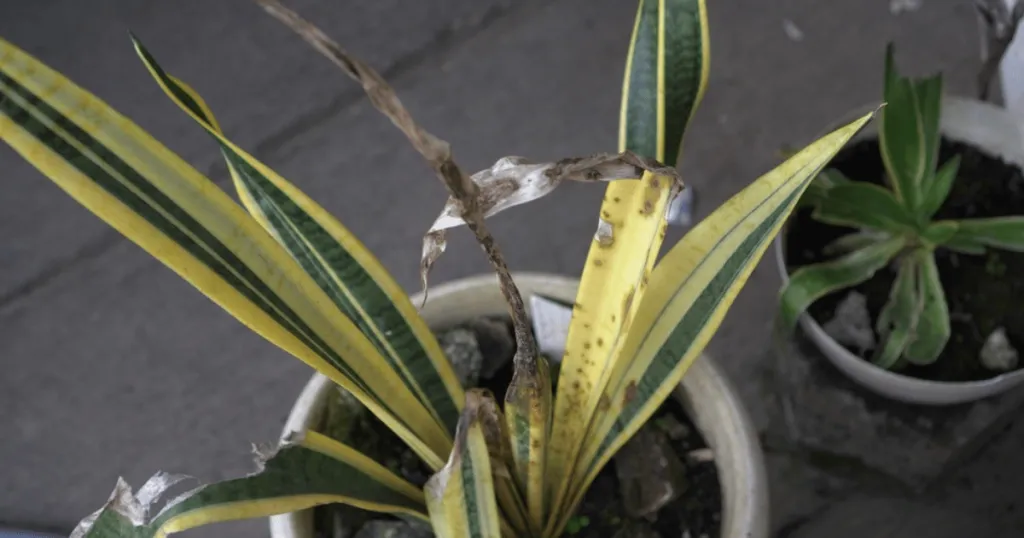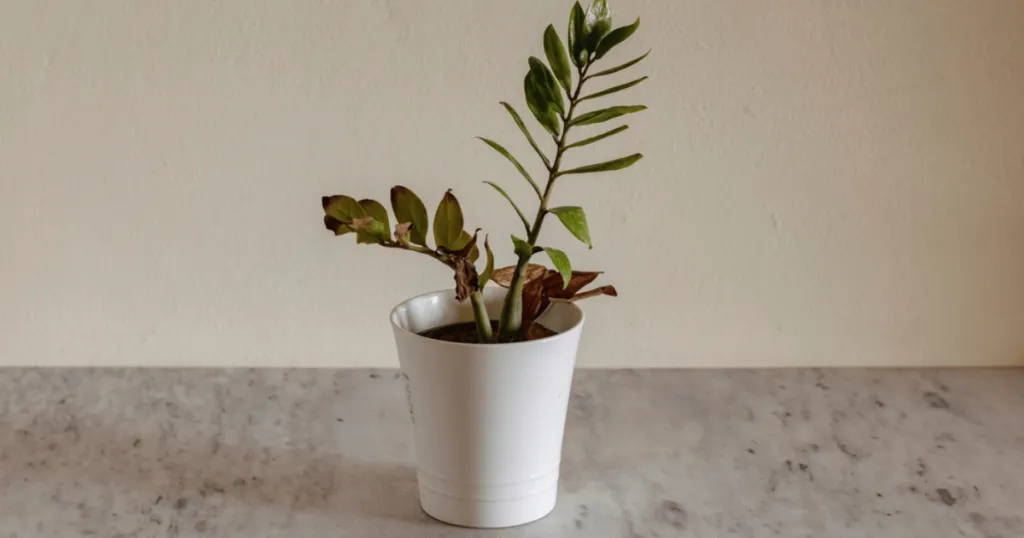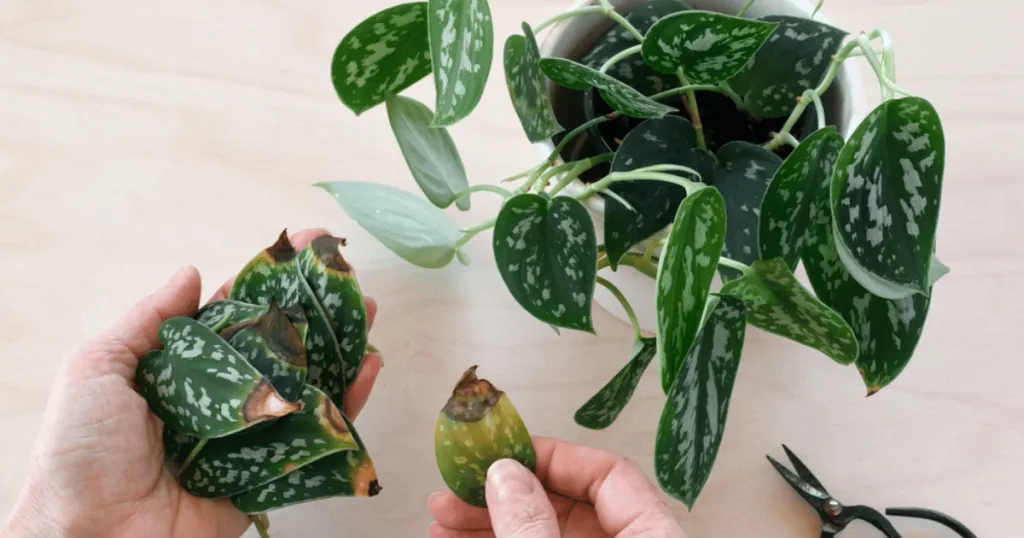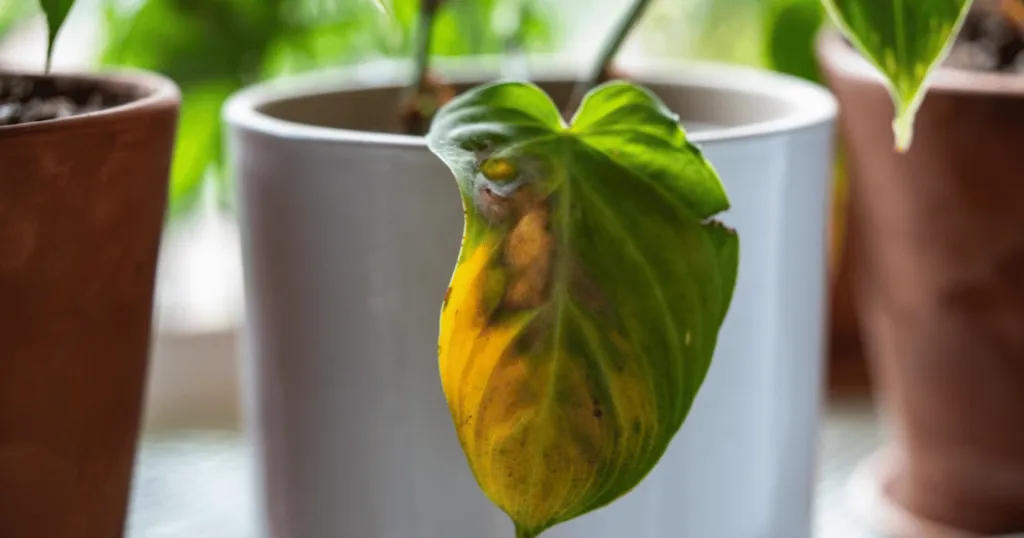
When you notice your office yucca struggling, the most common culprit is almost always excess soil moisture. Because yuccas are native to arid, desert-like environments, they are biologically programmed to store water in their thick, woody trunks. In an office setting, where light levels may be lower than in their natural habitat and HVAC systems keep the air dry, the soil often stays damp for too long. This creates an environment where the roots cannot breathe, leading to rapid decline.
Seeing your plant lose its vigor can be frustrating, especially when you have invested time in its placement. However, these plants are remarkably resilient once you identify the environmental mismatch. By adjusting your watering habits and ensuring the plant has enough light, you can usually reverse the damage before it becomes permanent.
Short Answer
The primary cause of yucca problems is overwatering, which leads to root rot. To fix this, allow the soil to dry out completely between waterings. Ensure your pot has drainage holes and avoid letting the plant sit in standing water, as yuccas thrive in dry, well-draining conditions.
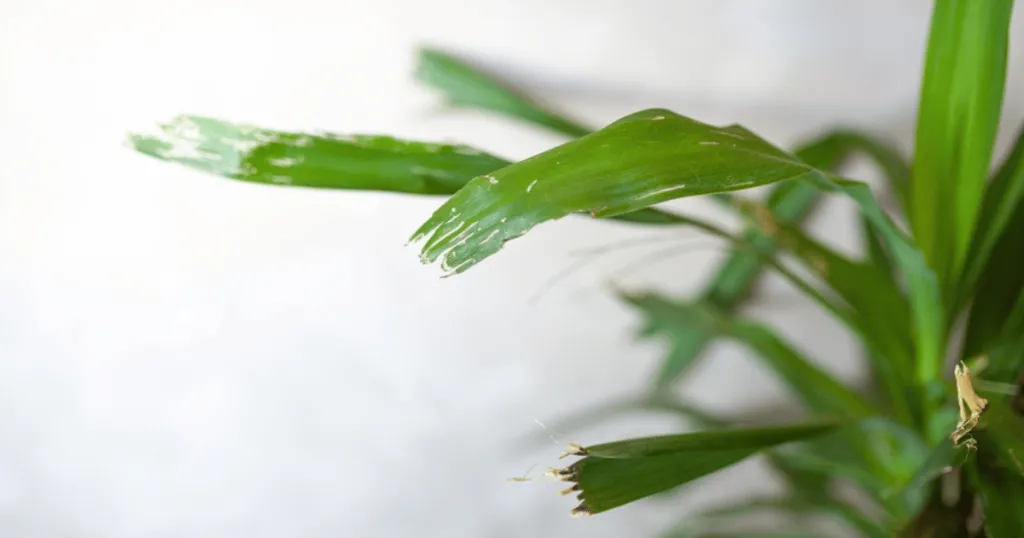
Quick Checks and Fast Fixes
Before you assume the worst, perform a quick physical assessment. Start by checking the soil moisture levels at least two inches deep. If the soil feels damp or cool to the touch, stop watering immediately. Many office managers make the mistake of watering on a calendar schedule rather than based on the plant’s actual needs. In a climate-controlled office, the evaporation rate is often slower than you might expect.
Next, inspect the drainage. If your yucca is sitting in a decorative pot without a drainage hole, the water has nowhere to go. This is a critical error. Even if you water sparingly, the bottom of the pot can become a swamp. If you find standing water, tip the container to drain it, or carefully lift the plant out to check for mushy, foul-smelling roots. Healthy roots should be firm and light-colored, not dark or slimy.
Finally, evaluate the light exposure. Yuccas require bright, indirect light to thrive. If your plant is tucked into a dark corner or a windowless hallway, it will not have the energy to process water efficiently. Move the plant closer to a window or under a dedicated LED grow light. Improving the light-to-water ratio is often the fastest way to stabilize a struggling yucca.
Symptom Diagnosis Guide
| Symptom | Likely Cause | Action |
|---|---|---|
| Yellowing lower leaves | Overwatering | Reduce frequency; check drainage |
| Brown, crispy leaf tips | Low humidity or salt buildup | Flush soil; avoid tap water |
| Soft, mushy stem base | Advanced root rot | Repot; remove damaged roots |
| Stalled growth | Insufficient light | Move to brighter location |
| Drooping leaves | Underwatering or root damage | Check soil; inspect root health |
Addressing the Most Common Issues
The most frequent issue you will encounter is leaf yellowing, which usually signals that the plant is holding too much water. While it is normal for the oldest, lowest leaves on a yucca to eventually turn yellow and drop as the plant grows, a sudden or widespread yellowing is a red flag. When this happens, stop all watering for at least two weeks. If the soil is still wet after that, you may need to repot the plant into a fresh, fast-draining cactus or succulent mix to help it recover.
Root rot is the more severe progression of overwatering. If the base of the stem feels soft or spongy when you press it, the rot has likely moved from the roots into the trunk. This is a serious condition. You must remove the plant from its pot and inspect the root system. Use a clean, sharp blade to trim away any black, mushy roots, leaving only the firm, healthy ones. Replant the yucca in a clean container with fresh, dry, porous soil. Do not water the plant for several days after repotting to allow the cut roots to callous over.
Another common concern is brown, crispy tips on the leaves. While this can sometimes be mistaken for a disease, it is usually a reaction to environmental factors. In offices, this is often caused by the accumulation of minerals from tap water or, less commonly, very dry air. If your office water is heavily treated, try switching to filtered or distilled water. If the tips are dry but the rest of the leaf is green, simply trim the dead tips with clean scissors. This is purely cosmetic and does not harm the plant.
Managing Less Common Problems
While yuccas are generally robust, they can occasionally deal with pests like scale or mealybugs, especially if they are near other infested plants. Mealybugs appear as small, white, cottony masses in the crevices of the leaves. Scale looks like small, brown bumps on the stems. If you spot these, isolate the plant immediately to prevent the infestation from spreading to other office greenery. Wipe the leaves down with a soft cloth dipped in a mild solution of water and a drop of dish soap. For persistent cases, repeating this process weekly is usually effective.
Stalled growth is another issue that often confuses office managers. If your yucca has not produced a new leaf in months, it is likely lacking the intensity of light it needs to fuel its metabolism. Unlike some other office plants that tolerate low light, yuccas are desert plants. They need significant light to maintain their growth cycle. If moving the plant to a brighter spot is not possible, consider supplementing with a full-spectrum LED desk lamp.
Also, ensure the plant is not being over-fertilized. Yuccas do not require heavy feeding; once or twice during the growing season is sufficient. Excess fertilizer can cause salt buildup in the soil, which can burn the roots and inhibit growth.
Deep Dive: Environmental Stress and Office Dynamics
Beyond the immediate physical symptoms, office managers must consider how the built environment impacts plant physiology. Yuccas are highly sensitive to the “micro-climates” created by office architecture. For instance, a yucca placed directly under an HVAC vent will experience rapid moisture loss through its leaves, even if the soil remains damp.
This creates a physiological disconnect: the roots are drowning in wet soil, while the foliage is suffering from dehydration. This stress often manifests as leaf curling or premature browning. To mitigate this, assess the airflow in your office layout. If the plant is in a high-velocity air stream, consider moving it to a more stable location where the temperature and humidity remain consistent.
Furthermore, the issue of soil aeration is frequently overlooked in office settings. Over time, potting media can become compacted, especially if the plant has been in the same container for several years. Compacted soil prevents oxygen from reaching the root zone, which is essential for healthy root respiration.
If you notice that water sits on the surface of the soil for a long time before draining, your soil has likely lost its structure. Repotting with a high-quality cactus mix that includes perlite or pumice can significantly improve soil aeration, providing the roots with the oxygen they need to thrive. This is a proactive measure that prevents the onset of root rot before it even begins.
The Role of Light Quality in Yucca Health
While many office plants are labeled as “low light tolerant,” the yucca is not one of them. In the context of yucca problems, light deficiency is the silent killer. When a yucca does not receive enough light, its metabolic rate slows down significantly. It stops consuming water at a normal pace, which means the soil stays wet for much longer than it would in a bright environment. This leads to a cycle of overwatering that is almost impossible to correct without increasing the light intensity.
If you are managing a yucca in an interior office, you must be realistic about the light levels. If you cannot provide natural light, you must provide artificial light. Using a high-quality LED grow light for 8 to 10 hours a day can mimic the intensity the plant requires. This is not just about keeping the plant alive; it is about providing the energy required for the plant to maintain its natural defenses against pests and diseases.
Prevention Habits for Office Success
The best way to manage yucca problems is to prevent them through consistent, low-intervention habits. First, adopt a finger-test protocol. Before adding water, push your finger into the soil up to the second knuckle. If you feel any moisture, do not water. Wait another few days and check again. This simple habit prevents the vast majority of overwatering issues.
Second, be mindful of placement. Yuccas have sharp, pointed leaf tips that can be hazardous in high-traffic areas like narrow hallways or reception desks. Place your yucca in a spot where it can grow undisturbed, away from the path of people walking by. This protects both the plant from physical damage and your employees from accidental scratches.
Third, keep the leaves clean. Dust accumulation in an office environment can block light and reduce the plant’s ability to photosynthesize. Wipe the leaves down with a damp cloth every few weeks. This not only keeps the plant looking professional but also allows you to inspect for early signs of pests or health changes. Finally, remember that yuccas contain saponins, which according to the ASPCA, are toxic to cats and dogs if ingested. Keep this in mind if your office is pet-friendly, as the sharp leaves and potential toxicity make it a plant that should be placed out of reach of curious animals.
Related Yucca Guides
FAQ
Why are the lower leaves of my office yucca turning yellow?
Yellowing lower leaves are often a sign of overwatering. Because yuccas are drought-tolerant, they prefer to dry out completely. If the soil remains consistently moist, the roots struggle to function, causing the plant to shed older leaves. Check your soil moisture and reduce your watering frequency.
Is it normal for my yucca to have sharp leaf tips?
Yes, many yucca varieties naturally have sharp, pointed tips. In an office, this is a placement consideration. Avoid placing them in high-traffic areas where people might brush against them. If the tips are brown and crispy, it is likely due to low humidity or mineral buildup from tap water rather than a health issue.
How can I tell if my yucca has root rot?
Root rot is indicated by a soft, mushy stem base or a foul smell coming from the soil. If you suspect rot, remove the plant from its pot to inspect the roots. Healthy roots are firm and light-colored, while rotting roots will be dark, slimy, and break apart easily when touched.
Are yuccas safe for offices that allow pets?
According to the ASPCA, yuccas contain saponins, which are toxic to cats and dogs if ingested. While they make excellent office plants due to their low maintenance, you should place them in areas where pets cannot chew on the leaves or stems to ensure safety.