The Fittonia, widely known as the Nerve Plant, is a striking addition to any workspace, prized for its intricate, vein-like patterns that stand out against deep green or reddish foliage. While its aesthetic appeal is undeniable, its suitability for a professional office depends heavily on your ability to provide consistent environmental conditions. Unlike hardier office staples that thrive on neglect, the Nerve Plant is a communicative species that requires a more hands-on approach to maintenance.
- Light: Thrives in medium indirect light; tolerates lower office lighting.
- Watering: Needs consistently moist soil; wilts visibly when dry.
- Humidity: Requires high humidity; often struggles in dry HVAC air.
- Toxicity: Non-toxic to cats and dogs per ASPCA guidance.
- Difficulty: Moderate; best for attentive office managers.
In an office setting, the primary challenge with Fittonia is its sensitivity to moisture levels and ambient humidity. It is not a plant that can be ignored over a long weekend or left in a drafty corner without consequence. However, for those who appreciate a plant that signals its needs clearly, it can be a rewarding, non-toxic companion for a desk or a well-monitored reception area.
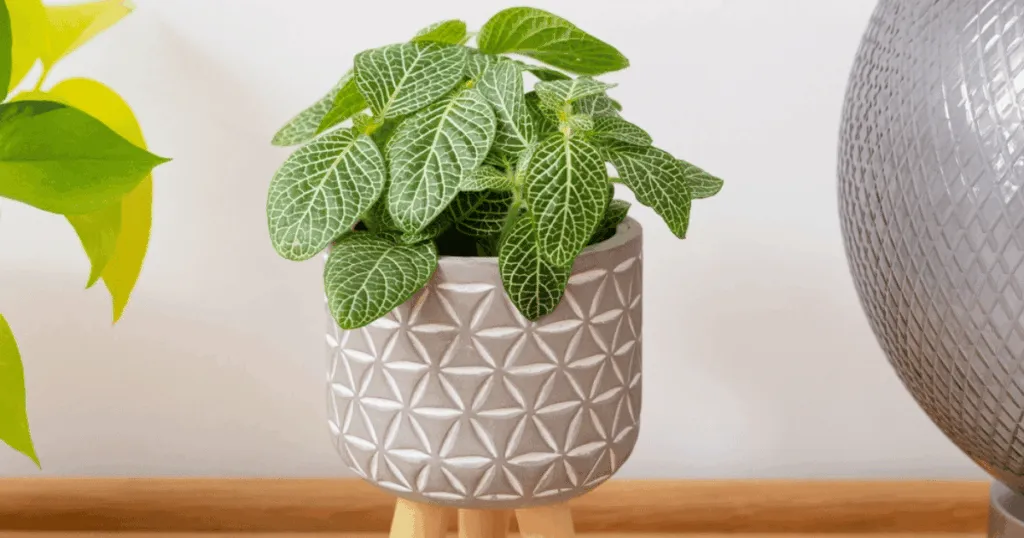
Appearance and Growth Habit
Fittonia is a low-growing, creeping tropical perennial that rarely exceeds six to eight inches in height, making it an ideal candidate for desktop displays, small bookshelves, or the base of larger office planters. Its defining feature is the stark contrast between its leaf color—usually a deep, forest green—and the vibrant, web-like venation that can appear in shades of white, pink, or deep red. This visual intensity makes it a popular choice for adding a pop of color to otherwise neutral office cubicles.
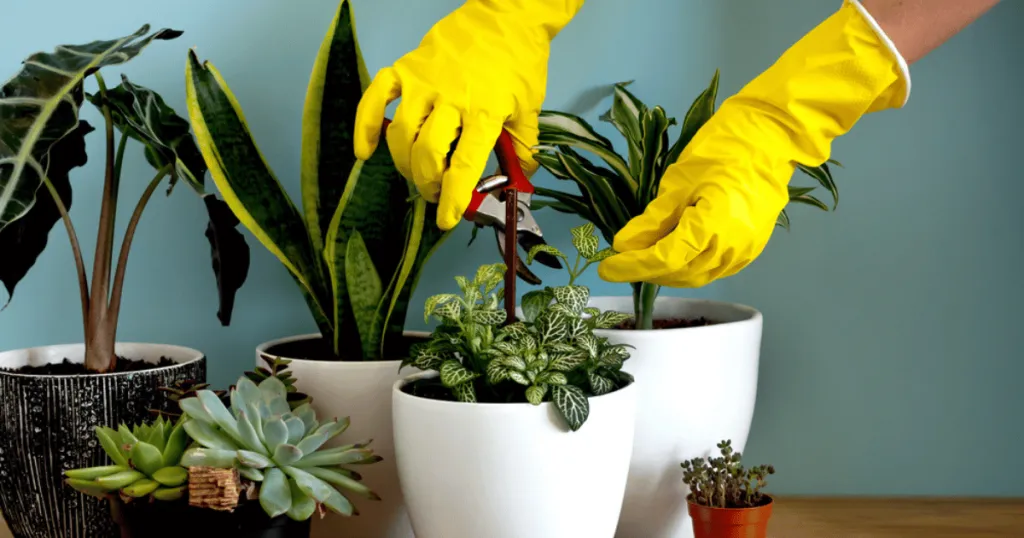
Because of its creeping growth habit, Fittonia tends to spread horizontally rather than vertically. In an office environment, this means you should choose a wider, shallower container rather than a deep pot. If left to grow unchecked, the stems can become leggy, especially in lower light conditions. Regular, light pruning is a standard practice for maintaining a compact, bushy shape. By pinching back the growing tips, you encourage the plant to branch out, which results in a fuller, more attractive specimen that fills its container effectively.
The leaves themselves are thin and delicate, which contributes to the plant’s overall refined look but also makes it susceptible to physical damage. In high-traffic areas, such as a busy reception desk or a shared meeting table, it is best to place the plant where it will not be brushed against or knocked over. Its growth rate is moderate, meaning it won’t outgrow its space quickly, but it does require occasional repotting every year or two as the root system fills the container.
Care Needs at a Glance
Managing a Fittonia in an office requires a shift in perspective from standard “set-it-and-forget-it” plant care. The most critical factor is soil moisture. Fittonia demands consistently moist soil, but it must never be soggy. The plant is famous for its dramatic wilting response; when the soil dries out, the entire plant will collapse as if it has suddenly died. This is an evolutionary survival mechanism, and while the plant usually recovers fully within an hour or two of watering, repeated cycles of extreme wilting will eventually stress the plant, leading to brown, crispy leaf edges and stunted growth.
Lighting requirements are relatively flexible, which is a major benefit for office environments. While it prefers medium indirect light, it is one of the few plants that can tolerate the lower light levels common in windowless offices or those lit primarily by fluorescent tubes. Avoid direct sunlight at all costs; the thin leaves of the Fittonia will scorch quickly, leaving unsightly brown patches that do not heal.
Humidity is the final piece of the puzzle. Most office buildings utilize HVAC systems that strip moisture from the air, creating a desert-like environment that is hostile to tropical plants. Fittonia will struggle in these conditions, often showing signs of stress through curled leaves or dry, brittle margins. If your office humidity is consistently low, you may need to place the plant on a pebble tray filled with water or group it with other plants to create a microclimate. Alternatively, Fittonia is an excellent candidate for a closed terrarium, which traps moisture and maintains the high humidity levels it requires to thrive.
Office Suitability and Placement Guidance
When deciding where to place a Fittonia, prioritize stability. This plant does not handle temperature fluctuations well. Avoid placing it near HVAC vents, radiators, or entryways where it might be exposed to cold drafts or hot blasts of air. These sudden shifts in temperature can cause the plant to drop leaves rapidly. A stable desk location, away from direct airflow, is usually the safest bet.
Because Fittonia is not a drought-tolerant species, it is best suited for office workers who have a consistent daily routine. If you are frequently away from your desk for travel or meetings, you may find that the plant suffers during your absences. If you manage an office space, consider assigning the care of the Fittonia to someone who is at their desk regularly. If the office shuts down for long periods, such as during holidays, you must ensure a plan is in place to keep the soil moist.
In terms of visual placement, Fittonia works best at eye level or slightly below. Because it is a low-growing plant, placing it on a high shelf where you cannot see the top of the leaves misses the point of its intricate patterns. It is a fantastic plant for a “living desk” setup, provided you have a small space cleared for it. If you are looking for a plant to fill a large, empty corner, this is not the right species; it is meant for intimate, close-up viewing.
Safety and Environmental Limitations
For office managers and pet owners, safety is often a primary concern. According to guidance from the ASPCA on plant toxicity, Fittonia is considered non-toxic to both cats and dogs. This makes it a safe choice for offices that allow pets or for shared spaces where you want to minimize risks. While the plant is non-toxic, it is still not intended for consumption, and keeping it out of reach of curious pets is always a good practice to prevent physical damage to the foliage.
The main limitation of Fittonia in an office is its lack of resilience. It is not a “tough” plant. If you are looking for something that can survive a week of neglect or a dark corner, you will likely be disappointed. The plant’s reliance on high humidity and consistent moisture makes it a high-maintenance choice compared to species like Snake Plants or Pothos. If your office environment is particularly dry or if you have a high-stress schedule that prevents regular plant care, you may find that the Fittonia requires more attention than it is worth.
Handoff to Care and Troubleshooting
This overview covers the essential traits and environmental needs of the Fittonia to help you decide if it is the right fit for your workspace. While we have outlined the core requirements—consistent moisture, indirect light, and high humidity—the nuances of long-term care often involve specific troubleshooting. For instance, determining the exact cause of yellowing leaves, managing pest issues like fungus gnats that thrive in moist soil, or understanding the best soil amendments for optimal drainage are topics that require more detailed, step-by-step guidance.
If you choose to bring a Fittonia into your office, we recommend consulting a dedicated care and troubleshooting guide. Such resources will provide specific instructions on how to revive a severely wilted plant, how to prune for maximum density, and how to identify the early warning signs of root rot caused by overwatering. By mastering these specific techniques, you can ensure your Nerve Plant remains a vibrant, healthy feature of your office for years to come.
Related Fittonia Guides
- how to care for a Fittonia
- common Fittonia problems
FAQ
Why does my Fittonia look like it has collapsed overnight?
Fittonia is famous for its dramatic wilting response when the soil dries out. This is a survival mechanism to reduce water loss through the leaves. If you find your plant collapsed, check the soil moisture immediately. If it is dry, a thorough watering will usually cause the plant to perk back up within a few hours. However, avoid letting this happen repeatedly, as it stresses the plant and can cause long-term damage.
Can I keep a Fittonia in an office with no windows?
Yes, Fittonia can survive in windowless offices, provided you have adequate artificial lighting. It thrives in medium indirect light, which can be replicated by placing the plant near a desk lamp or under consistent overhead fluorescent or LED lighting. If the plant begins to look ‘leggy’ or the stems become long and thin, it is a sign that it needs to be moved closer to the light source.
How do I increase humidity for my Fittonia at my desk?
Since office HVAC systems create dry air, you can increase local humidity by placing the plant on a pebble tray—a shallow dish filled with pebbles and a small amount of water. As the water evaporates, it creates a humid microclimate around the foliage. Alternatively, grouping the Fittonia with other plants can help, as plants release moisture into the air through transpiration, creating a more favorable environment for all of them.