The single most important factor for successful fittonia care in an office setting is maintaining consistent soil moisture. This plant is famously dramatic, often collapsing into a limp heap the moment its root zone dries out. While this behavior serves as a clear, immediate signal that the plant needs water, relying on this wilting cue as a regular part of your maintenance routine will eventually stress the plant, leading to stunted growth and leaf drop. In the climate-controlled, often dry air of a modern office, the goal is to intervene before the plant reaches its breaking point.
Because fittonia thrives in environments that are often the opposite of a typical cubicle or open-office space, success requires a proactive approach to its environment. By understanding how to balance its need for moisture with the reality of office lighting and HVAC systems, you can keep these plants vibrant and stable throughout the work week.
Decision Snapshot
- Light: Prefers medium indirect light; tolerates lower office lighting levels.
- Water: Keep soil consistently moist; avoid letting it dry out.
- Humidity: Requires high ambient humidity; misting or pebble trays help.
- Toxicity: Non-toxic to cats and dogs per ASPCA guidance.
- Recovery: Wilting is temporary, but chronic dryness causes long-term damage.
Optimizing Light and Placement
Fittonia, commonly known as the Nerve Plant, is an understory inhabitant in its native tropical habitat. This evolutionary history makes it highly adaptable to the lower light levels frequently found in office environments. While many indoor plants struggle under standard fluorescent or LED overhead lighting, fittonia often performs quite well in these conditions, provided it is not tucked into a completely windowless corner.
For the best results, place your plant in a spot that receives bright, indirect light. If your office has windows, a position a few feet away from an east-facing window is ideal. Avoid direct sunlight, especially during the afternoon, as the delicate, thin leaves of the fittonia will scorch quickly. If you are relying solely on artificial office lighting, ensure the plant is close enough to the light source to receive consistent illumination for the duration of the workday. If the plant begins to stretch or the leaf patterns lose their vivid, vein-like contrast, it is a sign that it needs to be moved closer to a light source.
Placement also involves considering the proximity to HVAC vents. Because fittonia is sensitive to temperature fluctuations and drafts, avoid placing it directly under or in front of air conditioning or heating vents. These vents create localized microclimates that can rapidly dehydrate the foliage, leading to crisp, brown edges even if the soil remains moist. A stable, draft-free location is far more important than finding the absolute brightest spot in the room.
Watering and Soil Management
The watering requirements for fittonia are the primary challenge for most office managers. The plant demands a consistently moist root zone, but it is equally susceptible to root rot if it sits in standing water. The key is to find the middle ground where the soil feels like a wrung-out sponge at all times. In an office, where you might be away for weekends or holidays, this can be difficult to manage.
When selecting soil, prioritize a mix that retains moisture but allows for adequate drainage. A standard peat-based or coco-coir-based indoor potting mix usually works well. If you find the soil dries out too quickly, you can mix in a small amount of vermiculite or perlite to improve water retention without sacrificing aeration. Never use heavy garden soil, as it will compact around the roots and prevent oxygen from reaching them, which is a common cause of failure for container-grown fittonia.
To manage the watering schedule, check the top inch of the soil every two days. If it feels dry to the touch, it is time to water. If you notice the plant starting to droop, water it immediately. The plant will typically recover within a few hours of receiving water, but do not make this a habit. If you are concerned about weekend drying, ensure the plant is thoroughly watered on Friday afternoon, but avoid leaving it sitting in a saucer of water, as this will lead to root decay by Monday morning.
Humidity, Temperature, and Feeding
Fittonia is a tropical plant that relies on high humidity to maintain its turgor pressure. Office environments are notoriously dry due to constant air circulation. To compensate, you may need to introduce supplemental humidity. Grouping plants together can create a localized pocket of higher humidity, or you can place the pot on a tray filled with pebbles and a small amount of water. Ensure the bottom of the pot is resting on the pebbles, not submerged in the water, to prevent the roots from rotting.
Temperature-wise, fittonia prefers the same range that humans find comfortable, generally between 65 and 80 degrees Fahrenheit. The biggest danger is not the temperature itself, but the rapid changes caused by office climate control. Keep the plant away from doors that lead to the outside during winter months, as cold drafts can cause immediate shock.
Regarding nutrition, fittonia is not a heavy feeder. During the growing season, which typically spans from spring through early autumn, a balanced, water-soluble fertilizer diluted to half-strength can be applied once a month. Do not fertilize during the winter months when growth naturally slows down. Over-fertilizing can lead to salt buildup in the soil, which will manifest as burnt leaf tips and yellowing foliage.
Repotting, Pruning, and Propagation
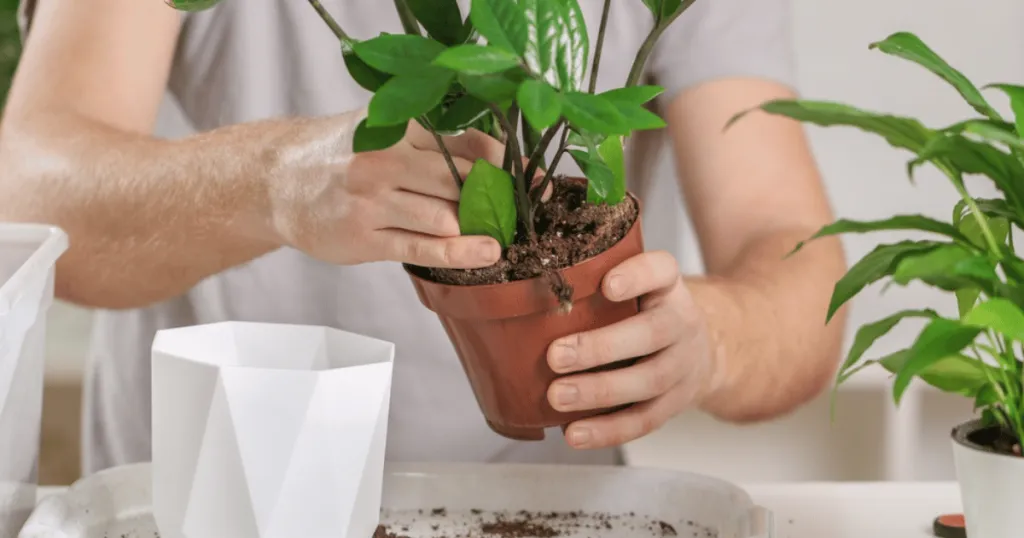
Repotting is rarely a frequent task for fittonia, as they have relatively shallow, modest root systems. You will likely only need to repot every two years, or when you notice the roots circling the bottom of the pot. When moving to a larger container, choose one that is only one or two inches wider in diameter than the current one to prevent excess soil from holding too much water.
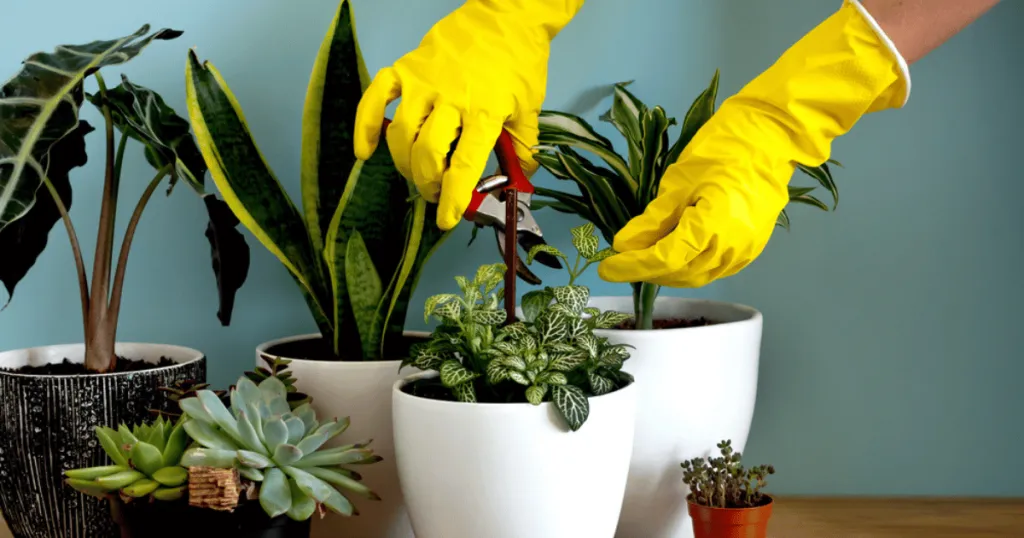
Pruning is essential for maintaining a compact, bushy appearance. Without regular trimming, fittonia tends to become leggy and sparse. Every few months, pinch back the tips of the stems. This encourages the plant to branch out, creating a fuller, more attractive shape. You can use clean, sharp scissors for this task, but pinching with your fingers is often sufficient for the soft stems.
Propagation is straightforward and a great way to keep your office greenery refreshed. The cuttings you remove during pruning can be easily rooted in water or moist soil. Simply place a stem cutting with at least two nodes into a glass of water, and roots will typically emerge within a few weeks. Once the roots are an inch long, you can transplant the cutting back into the main pot to fill in any bare spots, or start a new plant for another area of the office.
Seasonal Notes and Common Mistakes
While offices are climate-controlled, seasonal changes can still impact your fittonia. In winter, the air becomes significantly drier due to heating systems, and light levels often drop. You may need to increase your humidity efforts or move the plant to a slightly brighter spot during these months. Conversely, in summer, be mindful of increased evaporation rates that may require more frequent checking of the soil moisture.
The most common mistake is over-watering in an attempt to keep the soil moist. While the plant likes moisture, it must have drainage. If the pot does not have drainage holes, the plant is almost guaranteed to fail. Another frequent error is ignoring the plant’s need for humidity. If you see the leaves curling or the tips turning brown and crispy, the plant is likely suffering from low humidity rather than a lack of water. Finally, avoid the temptation to place the plant in a large, decorative pot without a drainage hole; always use a nursery pot inside a decorative cover to ensure you can easily manage water runoff.
Advanced Office Maintenance Strategies
For office managers overseeing multiple plants, establishing a standardized care protocol is essential. Fittonia, due to its specific needs, often requires a different schedule than more drought-tolerant species like snake plants or pothos. Create a simple log or digital reminder system to ensure that the moisture levels are checked mid-week. Because fittonia is a visual communicator, training staff to recognize the “wilting signal” can turn a potential loss into a quick recovery session. However, emphasize that this is a last-resort indicator, not a watering schedule.
Consider the aesthetic impact of the plant’s growth habit. Fittonia is a creeping groundcover in nature, meaning it will naturally spread outward rather than upward. In an office setting, this makes it an excellent candidate for wide, shallow bowls or terrariums. Terrariums are particularly effective for office environments because they naturally trap humidity, reducing the need for constant monitoring. If you choose to use a terrarium, ensure it is placed in a spot with bright, indirect light, as glass containers can magnify heat if placed in direct sun, leading to rapid plant decline.
When selecting varieties, look for those with high color contrast, such as the ‘Frankie‘ or ‘Pink Angel’ cultivars. These varieties bring a pop of color to neutral office palettes. However, keep in mind that the more variegated or colorful the leaves, the more light the plant may require to maintain that coloration. If you notice the pink or white veins fading to green, it is a definitive signal that the plant is compensating for lower light levels by producing more chlorophyll. Adjusting its position to a brighter area will help restore its decorative appeal.
Finally, address the issue of pests. While fittonia is generally robust, it can occasionally attract common indoor pests like fungus gnats if the soil is kept consistently wet, or spider mites if the air is too dry. Regularly inspect the undersides of the leaves. If you spot webbing or tiny, flying insects, isolate the plant immediately to prevent spread to other office greenery. Proper air circulation, while avoiding direct drafts, is your best defense against these issues.
Related Fittonia Guides
- what the Fittonia is like as an office plant
- troubleshooting a Fittonia
FAQ
Is fittonia safe for office pets?
Yes, according to ASPCA guidance, the Nerve Plant is considered non-toxic to both cats and dogs. This makes it a safe choice for office environments where pets might be present, as it poses no threat if accidentally ingested.
Why are the leaves on my fittonia turning yellow?
Yellowing leaves are often a sign of over-watering or soil that remains too wet for too long. Ensure your pot has drainage holes and that you are not letting the plant sit in standing water. It can also be a reaction to cold drafts or improper fertilizer application.
Can fittonia survive in a windowless office?
Fittonia can survive in a windowless office if it is placed under consistent, high-quality LED or fluorescent lighting. If the plant begins to lose its vibrant color or looks spindly, it is likely not receiving enough light and should be moved closer to the source.
How do I know if my fittonia is getting enough humidity?
If your fittonia is receiving enough humidity, the leaves will look lush and supple. If the edges of the leaves are becoming crispy, brown, or curling inward, the ambient air is likely too dry, and you should consider using a pebble tray or a humidifier nearby.