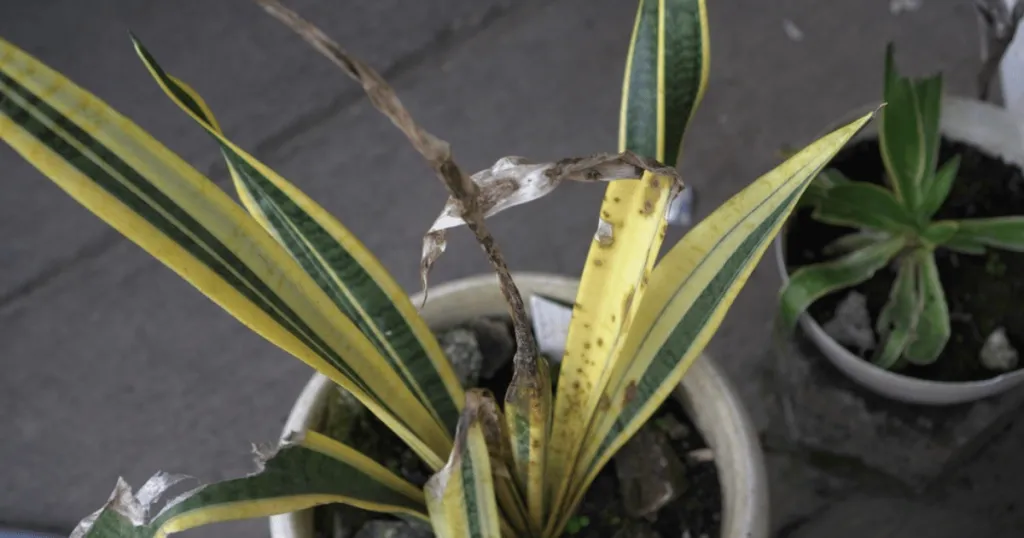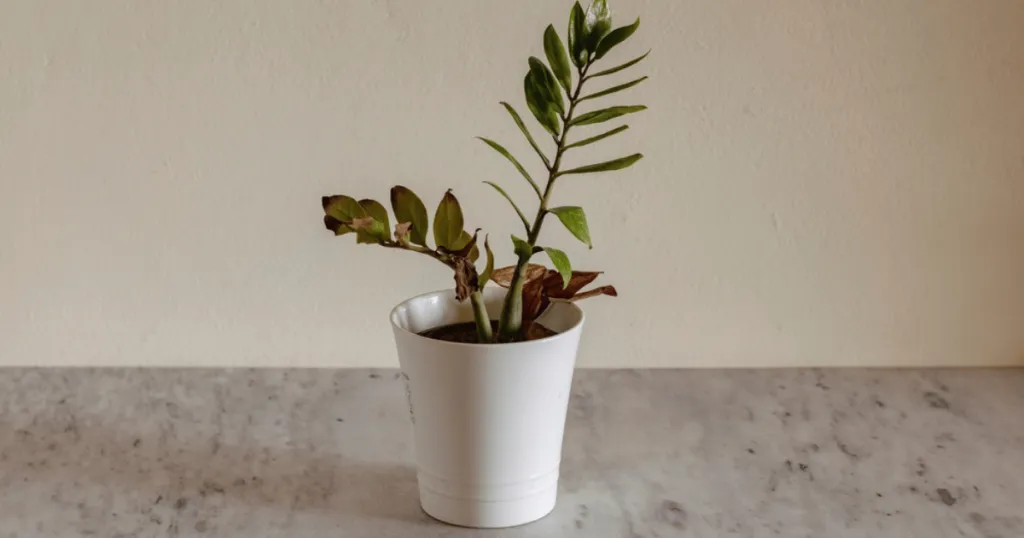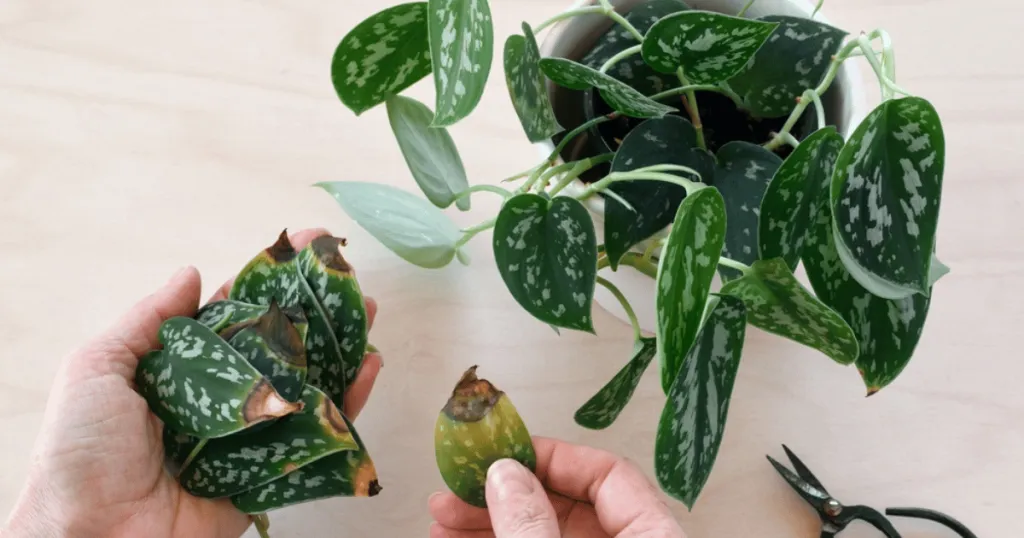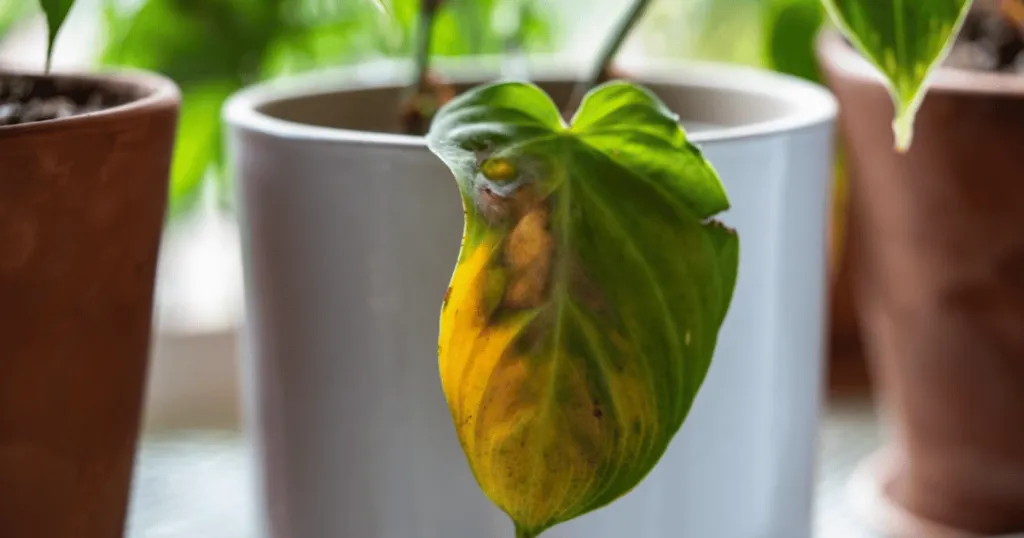
When you walk into your office and notice your Nerve Plant looking limp, ask yourself one simple question: Did I water this plant within the last three days, and does the soil feel wet or dry to the touch? This immediate self-check is the most effective way to distinguish between simple dehydration and more systemic health issues. Because Fittonia are native to tropical rainforest floors, they are biologically programmed to react instantly to moisture deficits, but they are equally sensitive to the stagnant conditions often found in climate-controlled office environments.
Short Answer
Most fittonia problems stem from moisture inconsistency. If your plant is drooping, it is likely signaling a need for water or a lack of ambient humidity. Check the soil moisture first; if the soil is damp but the plant remains limp, you are likely dealing with root rot or cold drafts. When you notice your Nerve Plant looking less than vibrant, start by checking the soil moisture level with your finger. If the top inch feels dry to the touch, your plant is simply telling you it is thirsty.
Fittonia are famous for their dramatic, sudden wilting, which serves as a built-in alarm system. Before you panic or reach for fertilizer, provide a thorough watering and observe the plant for a few hours. In most cases, a healthy, well-rooted Fittonia will perk back up within a few hours of receiving adequate moisture. If the plant does not recover after a thorough soaking, the issue is likely more complex than simple dehydration.
The office environment often presents unique challenges for these tropical plants. Fluorescent lighting, while sufficient for growth, does not provide the same spectrum as natural light, and the constant hum of HVAC systems can strip the air of necessary moisture. If you find yourself watering your plant every few days, you might be fighting a losing battle against low humidity. Before assuming the plant is sick, consider the proximity of your desk to air vents or radiators. A plant placed directly in the path of a forced-air vent will dry out much faster than one tucked into a more sheltered corner of the office.
Symptom-Based Troubleshooting
Identifying the root cause of your plant’s distress requires looking at the specific visual cues it provides. Use this guide to narrow down the most likely culprits behind common Fittonia problems.
| Symptom | Likely Cause | Immediate Fix |
|---|---|---|
| Sudden, whole-plant wilting | Dehydration | Water thoroughly and mist leaves |
| Yellowing lower leaves | Overwatering | Check soil drainage; pause watering |
| Crispy, brown leaf edges | Low humidity | Group with other plants or use a tray |
| Soft, mushy stems | Root rot | Repot into fresh, well-draining soil |
| Stalled growth | Insufficient light | Move closer to a window or light source |
Addressing the Most Common Issues
The most frequent issue office workers face with Fittonia is chronic wilting. While these plants are resilient enough to recover from a single dry spell, repeated cycles of extreme wilting and rehydration cause long-term stress. This stress weakens the plant, making it more susceptible to pests and fungal issues. To prevent this, aim for consistent moisture rather than waiting for the plant to collapse before you act. If your office schedule makes daily monitoring difficult, consider using a self-watering pot or a wick system to maintain a stable moisture level in the root zone. This is particularly useful for office managers who may be away from the workspace during weekends or extended holiday breaks.
Overwatering is the silent killer of Fittonia. Many people assume that because the plant loves moisture, it should sit in soggy soil. This is a mistake. When roots are submerged in water for too long, they cannot access oxygen, leading to plant root rot. If you notice yellowing leaves, especially near the base of the plant, stop watering immediately. Check the drainage holes of your container. If the pot lacks drainage, the water has nowhere to go, and the soil will remain anaerobic.
Repotting into a container with proper drainage holes is often the only way to save a plant suffering from waterlogged roots. When repotting, ensure you use a high-quality potting mix that includes perlite or pumice to enhance aeration, preventing the soil from becoming a dense, suffocating brick.
Humidity is the second most common hurdle. In an office setting, humidity levels often drop below 30 percent, while Fittonia prefers levels above 50 percent. If the edges of your plant’s leaves are turning brown and crispy, the air is likely too dry. While misting is a popular suggestion, it only provides a temporary spike in humidity.
A more effective approach is to place your plant on a humidity tray filled with pebbles and water. Ensure the bottom of the pot sits on the pebbles, not in the water itself, to avoid encouraging root rot. For larger office areas, grouping plants together creates a microclimate where transpirational moisture is shared, significantly improving the ambient humidity for every plant in the cluster.
Advanced Care and Long-Term Health
If you have addressed moisture and humidity but your Fittonia still struggles, look at your lighting and temperature conditions. Fittonia thrives in medium indirect light. If your office is dimly lit, the plant may grow leggy as it stretches toward the nearest light source. While it can tolerate lower light, it will not thrive or maintain its vibrant leaf patterns.
If the plant looks sparse, try moving it to a spot with brighter, indirect light. Avoid direct sunlight, which can scorch the delicate leaves, especially through office windows that can magnify heat. In an office, this means avoiding south-facing windowsills during the peak of the afternoon.
Temperature fluctuations are another hidden stressor. Fittonia prefers stable temperatures between 65 and 80 degrees Fahrenheit. If your office is kept very cold over the weekend or experiences significant temperature drops at night, the plant will react by drooping or dropping leaves. Keep your plant away from exterior walls or windows that might get cold during the winter months. If you must keep the plant in a drafty area, consider moving it to a more interior location during the colder seasons. Remember that even if the room temperature seems fine, a cold draft from a window or a hot blast from a heater can cause localized stress that manifests as leaf drop.
Furthermore, consider the impact of water quality. While Fittonia can tolerate standard tap water, the chemicals often found in municipal water supplies – such as chlorine and fluoride – can accumulate in the soil over time. This buildup often manifests as brown, crispy leaf tips that persist even when humidity levels are adequate. If you notice this, switching to filtered or distilled water can resolve the issue. This is a simple, low-cost adjustment that can significantly improve the aesthetic quality of your office greenery.
Prevention Habits for Office Success
The best way to avoid Fittonia problems is to establish a routine that accounts for the office environment. Start by checking the soil moisture every morning when you arrive at your desk. If the top of the soil feels dry, water it. If it still feels damp, leave it alone. This simple daily habit prevents the cycle of overwatering and extreme drying that leads to plant decline. By observing the plant daily, you become attuned to its specific water needs, which may change based on the season or the intensity of the office HVAC usage.
Another effective prevention habit is to clean the leaves regularly. Office dust can settle on the foliage and block the plant’s ability to photosynthesize. Gently wipe the leaves with a damp cloth every few weeks. This not only keeps the plant looking healthy but also allows you to inspect the underside of the leaves for common pests like spider mites, which thrive in dry office air.
If you spot any webbing or tiny spots, treat the plant immediately with a gentle insecticidal soap or a simple wipe-down with diluted neem oil. Early detection is the key to successful pest management in an office setting, where you want to avoid harsh chemicals that could affect your workspace air quality.
Finally, consider the soil medium. If you purchased your plant from a standard nursery, it is likely in a peat-based mix that can become hydrophobic if it dries out completely. If you find that water runs straight through the pot without soaking the soil, the medium has likely become compacted.
Repotting into a fresh, high-quality potting mix with added perlite will improve aeration and water retention, making your daily care routine much more effective and less prone to error. By prioritizing soil structure, you provide the roots with the oxygen they need to support the lush, colorful foliage that makes the Nerve Plant a favorite for office desks and reception areas.
Related Fittonia Guides
FAQ
Is my Fittonia toxic to my office pets?
According to the ASPCA guidance on toxic and non-toxic plants, Fittonia is considered non-toxic to both cats and dogs. This makes it a safe choice for offices that allow pets or for workers who are concerned about potential ingestion by animals.
Why are the leaves on my Fittonia turning yellow?
Yellowing leaves are almost always a sign of overwatering or poor drainage. When the roots sit in stagnant water, they begin to rot, which prevents the plant from absorbing nutrients properly. Check your soil and ensure the pot has adequate drainage holes.
Can I use tap water for my Fittonia?
While Fittonia can tolerate tap water, they are sensitive to high levels of chlorine and fluoride. If you notice brown tips on the leaves despite good humidity, try using filtered or distilled water to see if the condition improves over time.
How often should I fertilize my Nerve Plant?
Fittonia does not require heavy fertilization. A balanced, water-soluble fertilizer diluted to half-strength, applied once every month during the growing season, is sufficient. Avoid fertilizing in the winter when the plant’s growth naturally slows down.