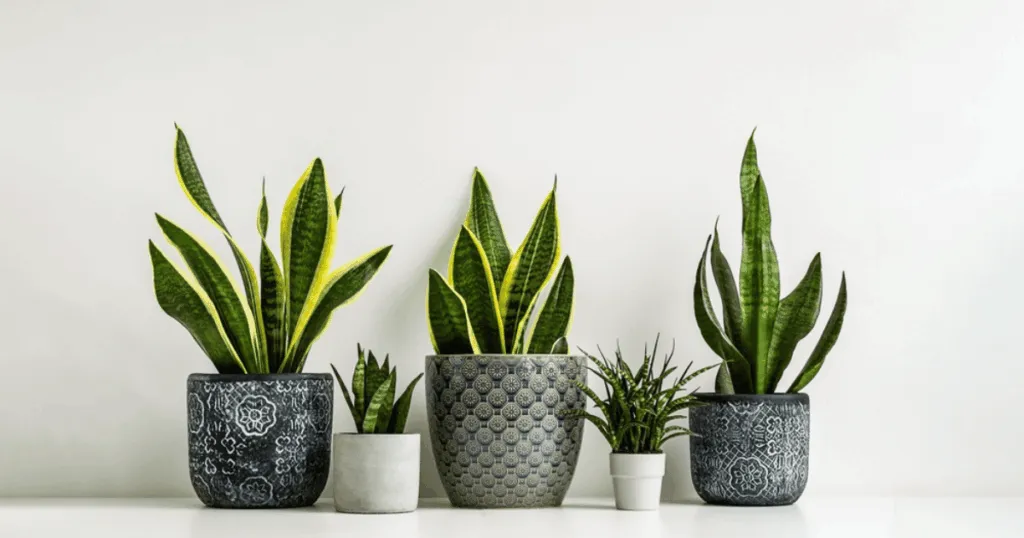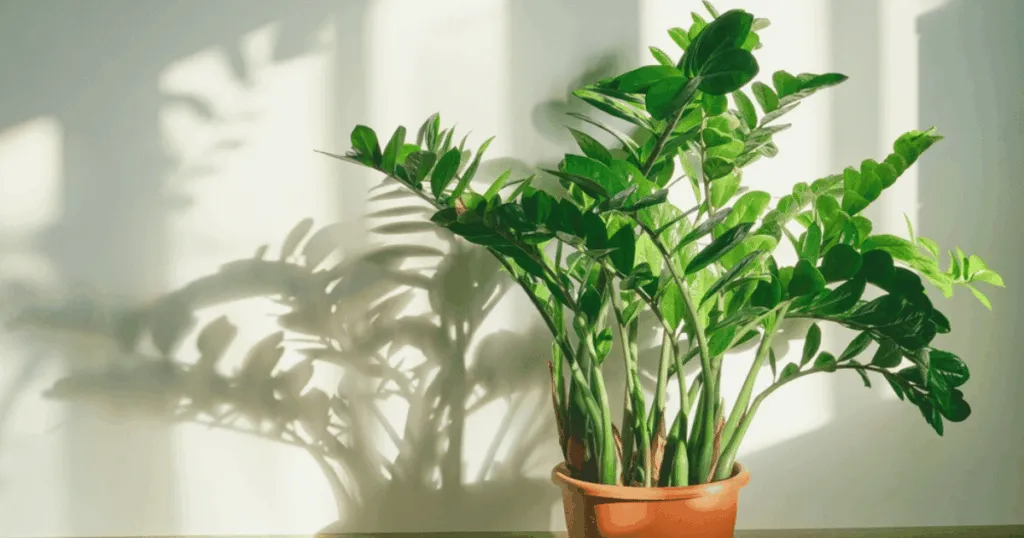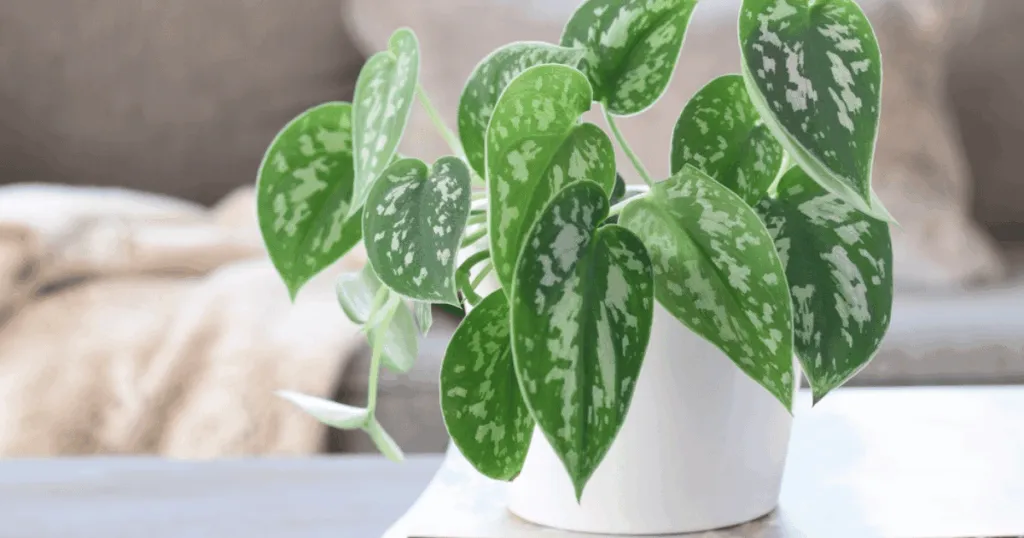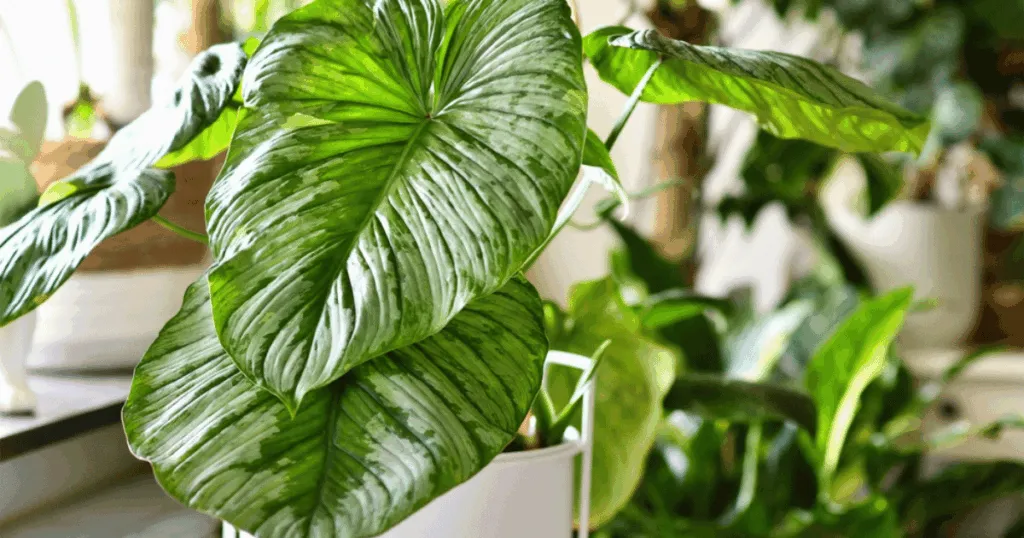
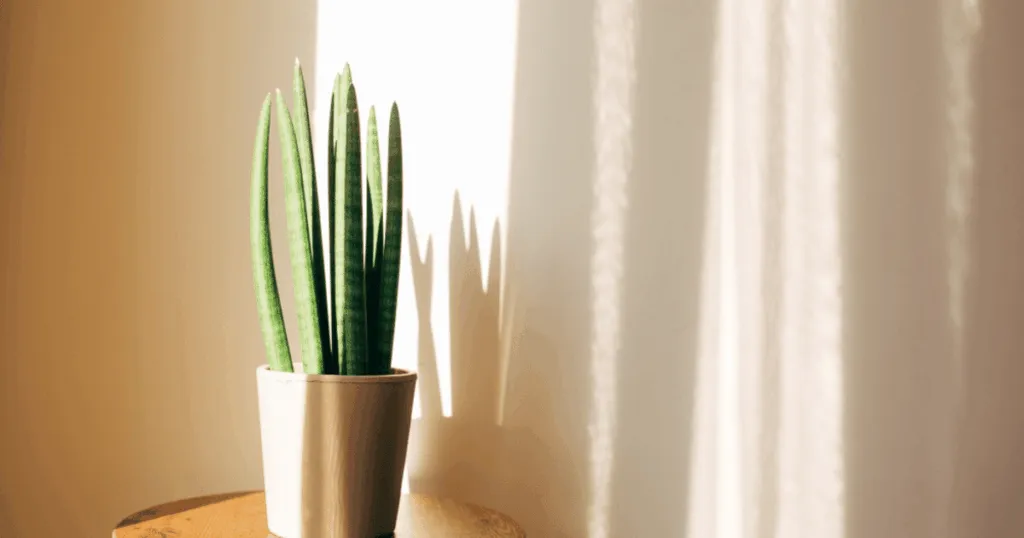
A snake plant cylindrica is a strong office choice if you want an upright, architectural plant that can handle missed watering better than most houseplants. It is usually sold under its former botanical name, Sansevieria cylindrica, though its accepted name is Dracaena angolensis. Its stiff, round leaves take up little floor space, making it useful beside a reception desk or on a bright workstation.
Its reputation for surviving low light is real, but there is a limit. It will stay healthiest in medium or bright indirect light, in a pot with drainage, and with soil allowed to dry fully between waterings. The most common office mistake is watering it on a calendar while it sits in a dark corner.
Is a snake plant cylindrica right for your office?
This plant has narrow, spear-like leaves that grow vertically from a rhizome beneath the soil. Mature plants can become a substantial floor specimen, but young plants have a tidy footprint. You may also see compact fan-shaped plants sold as starfish snake plant or Sansevieria cylindrica ‘Boncel’. Braided versions are common too. A braid is a training style, not a different plant with different care needs.
For most workplaces, its biggest advantage is drought tolerance. Thick leaves and underground rhizomes store water, so a properly potted plant can usually cope with a long weekend or a one to two week office closure without attention. It does not cope well with soil that stays wet after a watering round.
| Office factor | What this plant needs | What it means in practice |
|---|---|---|
| Light | Medium to bright indirect light is best | Place near a window with filtered light or under strong all-day office LEDs. |
| Water | Dry soil before watering | Usually every 2 to 4 weeks, and less often in winter or low light. |
| Temperature | 65 to 85°F [18 to 29°C] | Keep it away from cold glass, AC vents, and radiator blasts. |
| Space | Small footprint, upright form | Good for narrow corners, credenzas, and reception floors. |
| Pet safety | Not pet-safe | Keep it out of reach in pet-friendly offices. |
How much office light does it really need?
A snake plant cylindrica tolerates low light, meaning it may remain alive several feet from a window under ceiling LEDs. That is not the same as growing well there. In dim locations, growth slows, leaves may become less firm, and soil takes much longer to dry. A plant in a windowless room with lights switched off every night and weekend is often not getting enough usable light over time.
Medium indirect light is the dependable target. Think of a spot a few feet back from an unobstructed east, west, or south window, with no hard sun striking the leaves for hours. Near a north-facing or tinted window can also work if the plant is close to the glass but not pressed against it. Bright indirect light encourages the strongest growth.
Direct afternoon sun through a hot window can scorch leaves, especially after the plant has spent time in lower light. Pale tan or bleached patches do not turn green again. Move the plant back from the glass or soften the sun with a blind.
Why drainage matters more than a watering date
Use a pot with at least one drainage hole and a fast-draining cactus or succulent mix. A decorative cachepot without a hole is fine only if the plant remains in a draining nursery pot that you remove to water. Never leave runoff pooled at the bottom of the outer pot.
Before you water, push a finger or wooden chopstick about 2 inches into the mix. If it feels cool, damp, or has soil sticking to it, wait. If it is dry down that far and the pot feels noticeably lighter, water slowly until a small amount runs from the drainage hole. Empty the saucer or cachepot after about 10 minutes.
In a bright, warm office, this may mean watering every 2 to 3 weeks in spring and summer. In lower light, during winter, or near a cool window, every 4 to 6 weeks may be enough. These are ranges, not instructions to water automatically. For a broader routine that works across snake plant types, see snake plant watering routines.
What low maintenance does and does not mean
Low maintenance means this is a forgiving plant, not a plant that benefits from neglect. Dust dulls the cylindrical leaves and reduces the light they can use. Wipe them with a soft damp cloth every month or two. Skip leaf-shine sprays, which can leave residue and create an unnecessary cleaning task.
Fertilizer is optional in an office. If the plant is actively growing in spring or summer, use a balanced houseplant fertilizer diluted to half strength no more than once a month. Do not fertilize a stressed, newly repotted, or low-light plant. Fertilizer cannot make up for poor light or soggy soil.
Where a snake plant cylindrica works best at work
Place this plant according to the light it receives, not according to an empty spot that needs decoration. Its upright shape helps it fit areas where broad-leaf plants would spill into walkways, but stable placement still matters. Tall leaves can be knocked over if the pot is too light or the plant sits beside a busy chair path.
On a desk or cubicle shelf
A young plant in a 4 to 6 inch pot suits a desk with reasonable natural light or strong overhead lighting throughout the workday. Set it where paperwork, a monitor, or a partition does not block all light. Keep it off the direct line of an AC vent. Cold, dry moving air can cause brown tips even if the room temperature seems comfortable.
On a desk far from a window, choose a smaller plant and expect slow growth. Rotate the pot a quarter turn every month so one side does not lean toward the strongest light source. If the desk has weak lighting and the plant must remain there, a small grow light on a timer is more reliable than watering or fertilizing more.
At reception or in a meeting room
A larger specimen can anchor a reception corner near a bright window. Use a heavy, stable floor pot with drainage and a saucer concealed inside the planter. Put it outside the sweep of doors and away from heaters. In meeting rooms, check that lighting remains on enough during the week. A room used only occasionally, with blinds closed most of the time, is not a good long-term location.
Do not rely on a few plants to clean office air. The often-cited NASA Clean Air Study used sealed test chambers, not real ventilated workplaces. Plants may improve how a space looks and how people feel about it, but ventilation and building maintenance determine indoor air quality.
In shared spaces with pets, visitors, or children
Snake plants contain saponins. The ASPCA lists snake plants as toxic to cats and dogs, and chewing them can cause gastrointestinal upset. Keep a snake plant cylindrica out of reach in any pet-friendly office, and do not use it at floor level in a reception area where visiting children may handle leaves or soil.
For adults, normal handling is generally not a major concern, but avoid letting anyone ingest plant material. Facilities teams should also consider the practical risk: a tall, top-heavy plant in a public area needs a stable pot and a location that cannot become a trip hazard.
Fix common snake plant cylindrica problems before they spread
Soft, yellow, or collapsing spears
This usually points to excess moisture, especially if the base feels soft or smells sour. Stop watering immediately. Remove the plant from its pot and inspect the roots and rhizome. Cut away black, mushy tissue with clean tools, let healthy cuts dry briefly, then repot in fresh dry, fast-draining mix. If much of the rhizome has rotted, recovery may not be possible.
Do not place the recovered plant in a dark room and water it to help it settle. Give it medium indirect light and wait until the mix is fully dry before watering. Our detailed guide to office snake plant problems can help you separate overwatering symptoms from light and temperature issues.
Wrinkled or inward-curving leaves
Wrinkling can mean the plant has been dry for too long, but check the roots before assuming it needs water. A plant with rotted roots cannot take up moisture and may look dehydrated while sitting in wet soil. If the soil is completely dry and roots are firm, water thoroughly once. If soil is wet, inspect for rot instead.
Brown tips or dry leaf edges
Brown tips often come from dry HVAC air, inconsistent watering, mineral buildup, or a nearby vent. Trim only the brown area with clean scissors, following the natural point of the leaf. Move the plant away from forced air first. If your office water is heavily softened or mineral-heavy, occasional watering with filtered water may reduce crust on the soil, though consistent drainage matters more.
Leaning growth or fading color
Leaves leaning strongly toward one direction need more even light. Move the pot closer to indirect daylight and rotate it monthly. Solid green leaves can tolerate lower light than variegated forms, but all forms grow more slowly in dim conditions. A plant that keeps stretching or leaning is asking for brighter placement, not more water.
A simple care system for a shared office
Assign one person or team to check the plant, but make the check conditional rather than calendar-only. Put a small label inside the cachepot: “Check soil every other Friday. Water only when dry 2 inches down. Empty runoff.” This prevents three well-meaning coworkers from watering the same plant.
- Choose a pot with drainage and a saucer or removable nursery pot.
- Place the plant in medium or bright indirect light, away from vents and heat sources.
- Check soil every 2 weeks, then water only after it has dried well below the surface.
- Before holidays, do not water “just in case.” Water only if the soil is dry.
- Wipe leaves periodically and inspect the base for soft tissue or pests.
Repot only when roots fill the pot, push it out of shape, or rhizomes are crowded. Spring is the easiest time. Move up just 1 to 2 inches in pot diameter, since an oversized pot holds extra wet soil. For a wider view of why this plant suits busy workplaces, see snake plants for offices.
What to do next with your snake plant cylindrica
Start by checking its current light and pot drainage. If your snake plant cylindrica is in a dark corner or a container that traps water, solve those issues before changing your watering routine. For a desk or reception area with medium indirect light, a stable draining pot and a simple soil check will give this plant the best chance of staying neat, upright, and easy to manage.
FAQ
How fast does a snake plant cylindrica grow indoors?
A snake plant cylindrica is generally a slow grower indoors, especially in low office light. Growth is most noticeable in spring and summer when it receives bright indirect light and is watered correctly. New spears emerge from the rhizome at the base. Do not try to speed growth with frequent fertilizer, since excess fertilizer can damage roots.
Can I cut the braided leaves apart?
You can remove ties that are constricting the leaves, but do not expect individual braided leaves to straighten quickly. Mature leaves tend to hold their trained shape. If a tie is cutting into tissue, remove it carefully. New growth from the base will grow in its natural upright form unless it is trained again.
Will a cylindrical snake plant flower in an office?
It can produce a tall flower stalk with small, pale, fragrant flowers, but flowering indoors is uncommon and not a sign that it needs special treatment. It is more likely on a mature plant receiving good light. Do not reduce watering or stress the plant on purpose to force blooms, because this raises the risk of root damage.
Can snake plant cylindrica be propagated from a leaf cutting?
Leaf cuttings can root, but division is usually the more reliable method for this plant. Divide a healthy rhizome during repotting so each section has roots and at least one growing point. Leaf-cutting results can be slow, and variegated plants may not reproduce the same leaf pattern from a cutting.