Affiliate Disclosure: As an Amazon Associate, I earn from qualifying purchases.
When selecting the best plants for men’s office environments, the primary constraint is rarely aesthetic preference alone. Instead, it is the intersection of architectural presence and high-functioning resilience. Office spaces, particularly those managed by busy professionals, require greenery that thrives under fluorescent lighting, tolerates irregular watering schedules, and maintains a clean, professional profile without requiring constant pruning or specialized care.
The most effective office plants are those that provide a sense of structure and calm without demanding a significant portion of your daily focus. Whether you are looking to soften a stark corner, add life to a reception desk, or improve the air quality in a private office, the goal is to choose specimens that adapt to the specific limitations of HVAC-controlled, indoor environments. This guide focuses on selections that balance durability with a distinct, often bold, visual impact.
At a Glance
- Snake Plant: Virtually indestructible, thrives in low-light office corners.
- ZZ Plant: Tolerates extreme neglect and low-light, fluorescent-heavy rooms.
- Cast Iron Plant: Slow-growing, exceptionally tough, and requires minimal water.
- Rubber Plant: Offers bold, dark foliage for a professional, architectural look.
- Parlor Palm: Provides soft, tropical texture without needing high humidity.
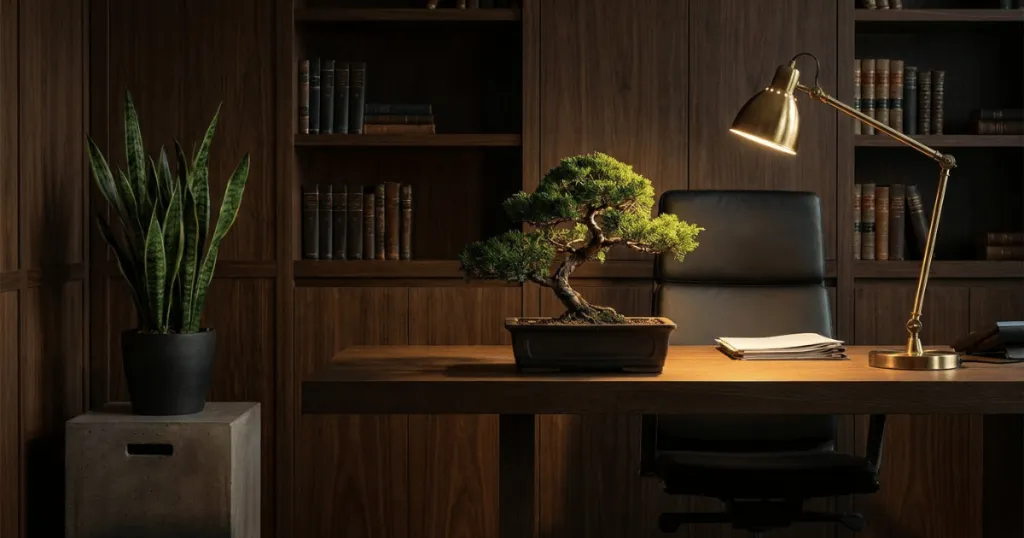
Criteria for a High-Performance Office Plant
Selecting the right plant for an office starts with understanding the environmental reality. Most offices are designed for people, not plants, meaning they feature low, inconsistent light, dry air due to HVAC systems, and temperature fluctuations that occur over weekends or holidays. A plant that thrives in a greenhouse will likely struggle in a cubicle, while a plant that has evolved to handle shade and drought will often flourish.
The best plants for men’s office settings are those that offer a high return on investment in terms of visual impact versus maintenance effort. We prioritize species with thick, waxy, or succulent-like leaves, as these adaptations allow them to store water and survive the occasional missed watering session. Furthermore, we look for plants that maintain a tidy growth habit, avoiding varieties that drop leaves frequently or require constant staking and training to remain upright.
Consider the placement before selecting the species. A desk plant should have a compact footprint, while a floor-standing specimen in a meeting room or reception area can afford to be larger and more sculptural. The goal is to integrate the plant into the existing office design rather than forcing it to compete for space or attention. By selecting for durability and structural form, you ensure that your office greenery remains an asset rather than a chore.
Top Selections for Men’s Workspaces
Snake Plant
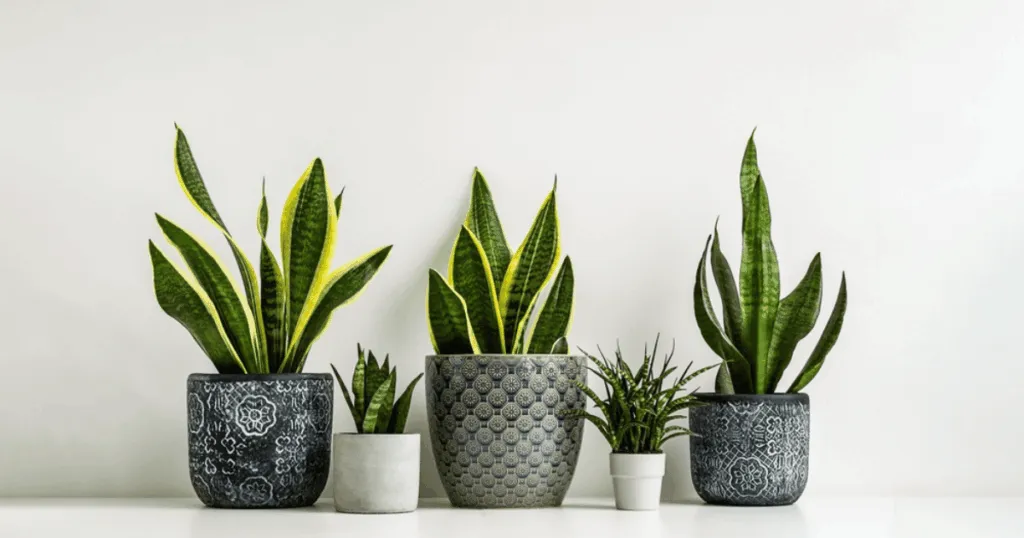
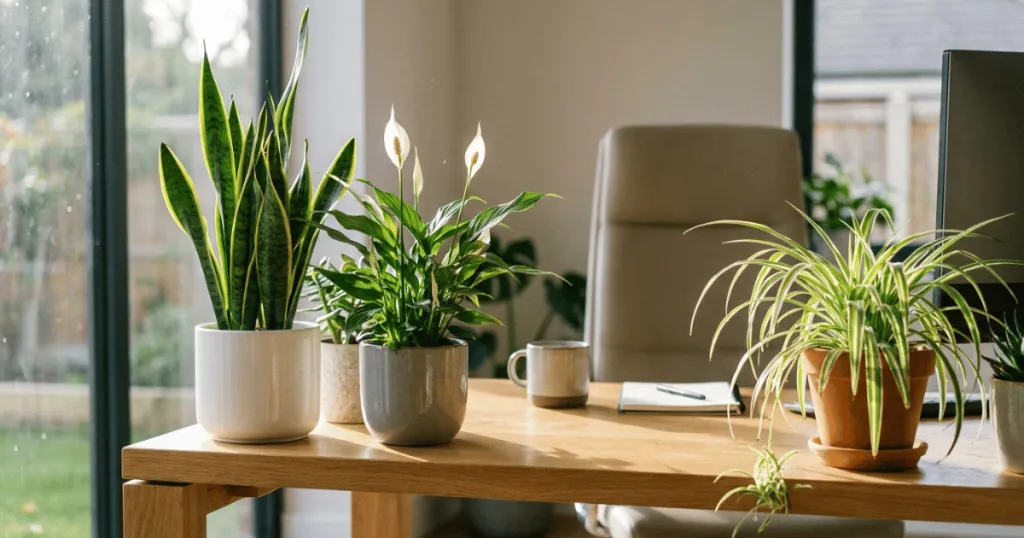
The Snake Plant is perhaps the most reliable choice for any office. Its vertical, sword-like leaves provide a clean, modern aesthetic that fits perfectly in professional settings. It is incredibly forgiving, tolerating low light and even long periods of neglect. Because it stores water in its leaves, it is far more likely to suffer from overwatering than underwatering, making it an ideal choice for those who are not always in the office.
ZZ Plant
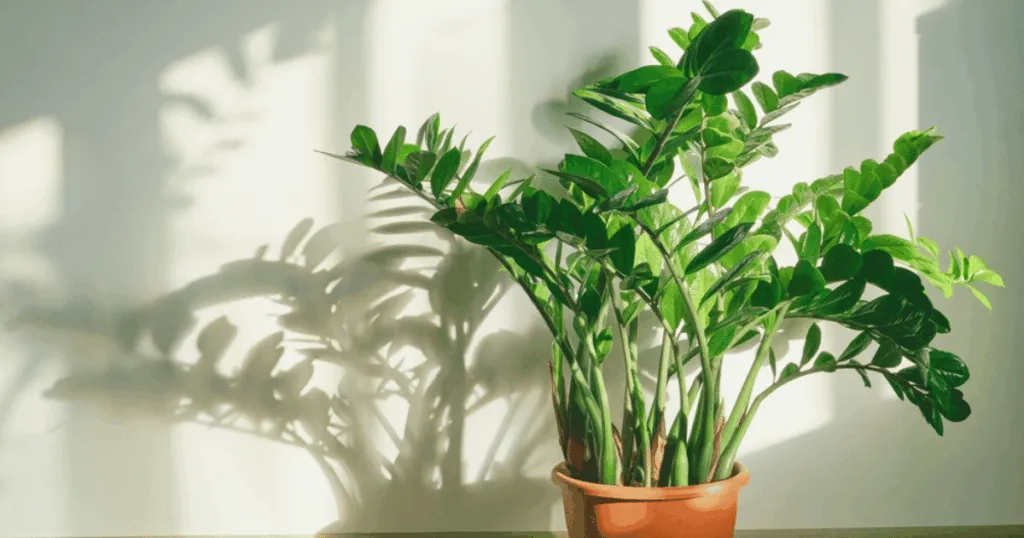
If you have a corner with very little natural light, the ZZ Plant is your best candidate. It features glossy, dark green leaves that look almost artificial in their perfection. It is exceptionally tolerant of fluorescent lighting and can go weeks without water. Its rhizomes, which are potato-like structures under the soil, store water efficiently, allowing the plant to survive in the driest office conditions.
Cast Iron Plant
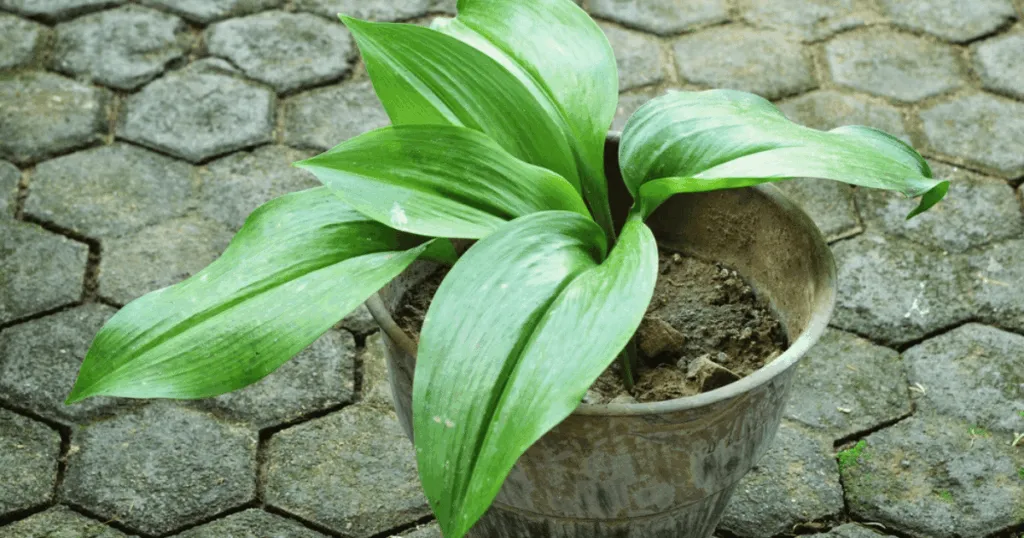
True to its name, the Cast Iron Plant is nearly impossible to kill. It is a slow grower, which means it will not outgrow its designated spot on a shelf or desk quickly. It handles low light and temperature swings with ease, making it a staple for offices that might get chilly during off-hours. It offers a lush, deep green presence that feels substantial without being fussy.
Rubber Plant
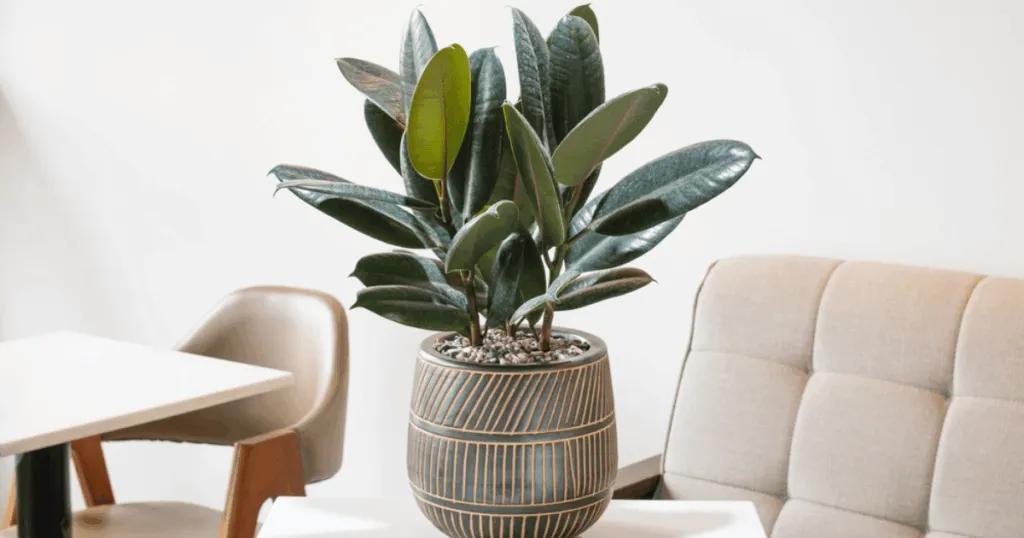
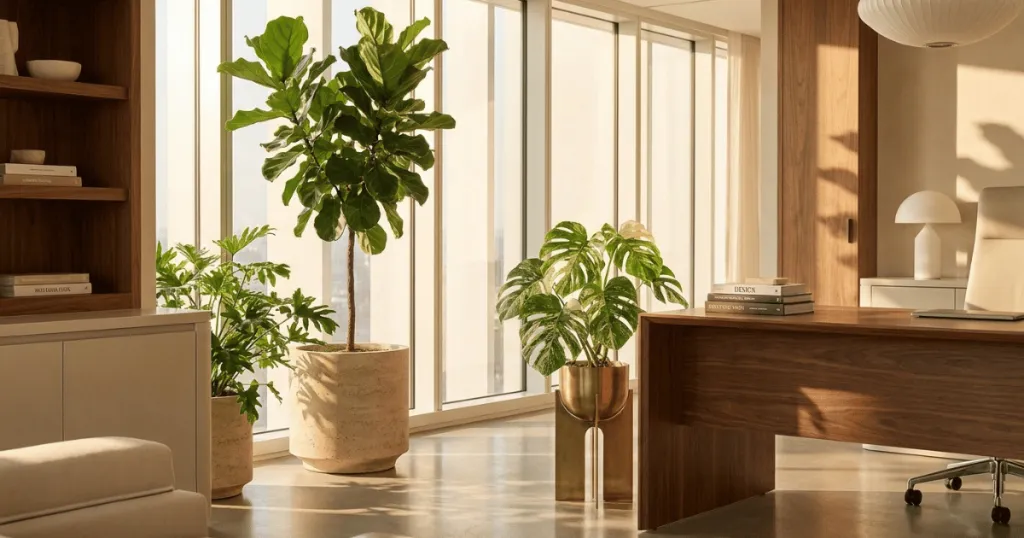
For a more dramatic, bold statement, the Rubber Plant is an excellent choice. Its large, thick, dark leaves add a sense of weight and sophistication to a room. While it prefers brighter indirect light than the Snake or ZZ plant, it is quite sturdy once established. It works best as a floor-standing plant in a corner or near a window where it can serve as a focal point.
Parlor Palm
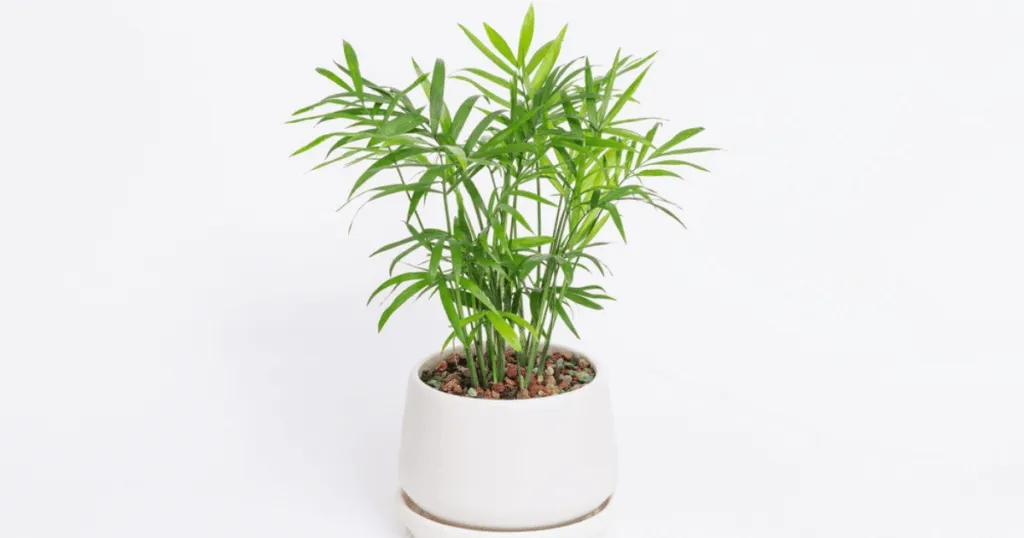
If you want to introduce a softer, more organic texture to your office, the Parlor Palm is the standard. It is one of the few palms that genuinely tolerates low-light, indoor conditions without developing brown tips or struggling with the dry air common in modern office buildings. It grows slowly and maintains a compact, elegant shape that works well in both private offices and common areas.
Chinese Evergreen
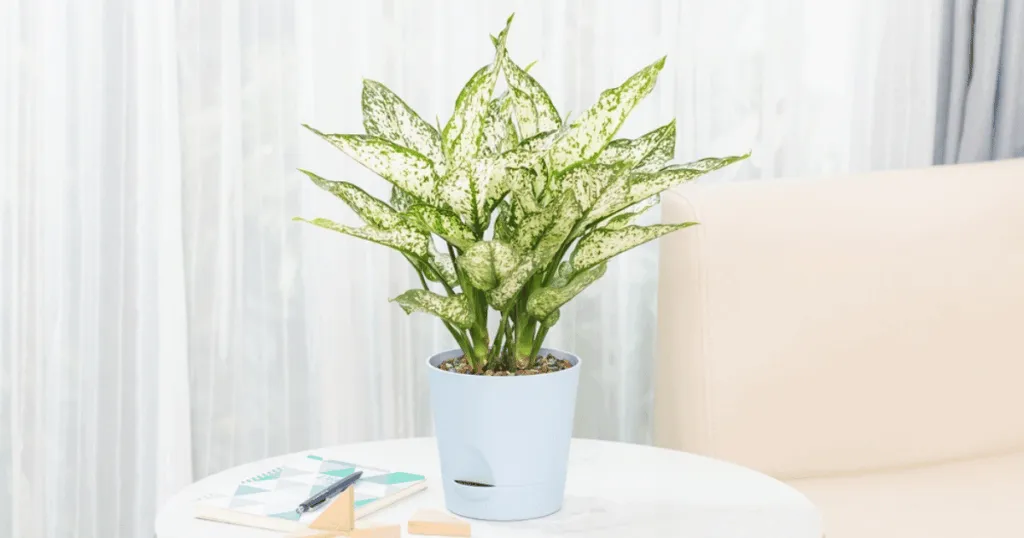
The Chinese Evergreen is prized for its variegated foliage, which can add a touch of color to a monochrome office palette. It is highly adaptable to various light conditions and is generally low-maintenance. It is a great choice if you want something that feels a bit more decorative than a solid green plant while still retaining the toughness required for a workspace.
Monstera
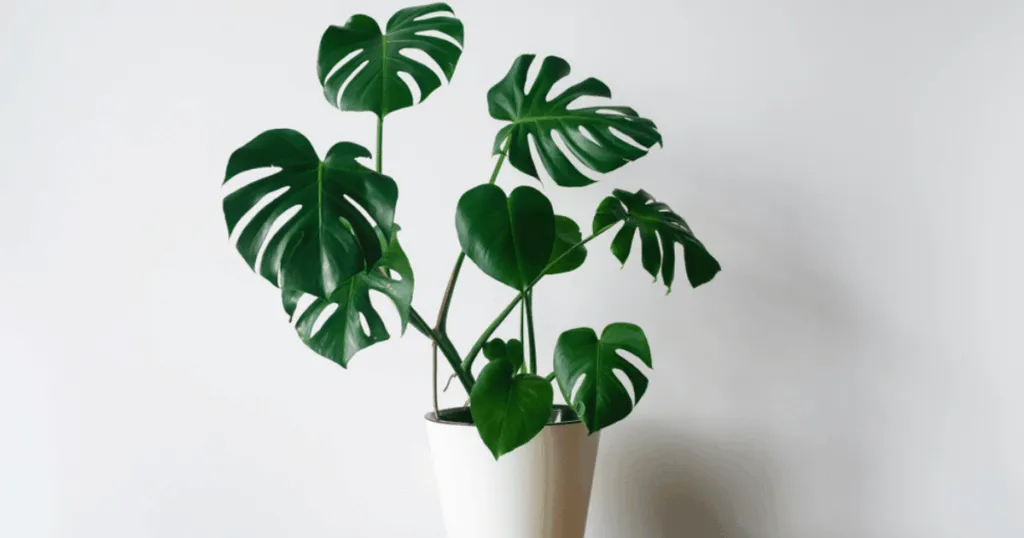
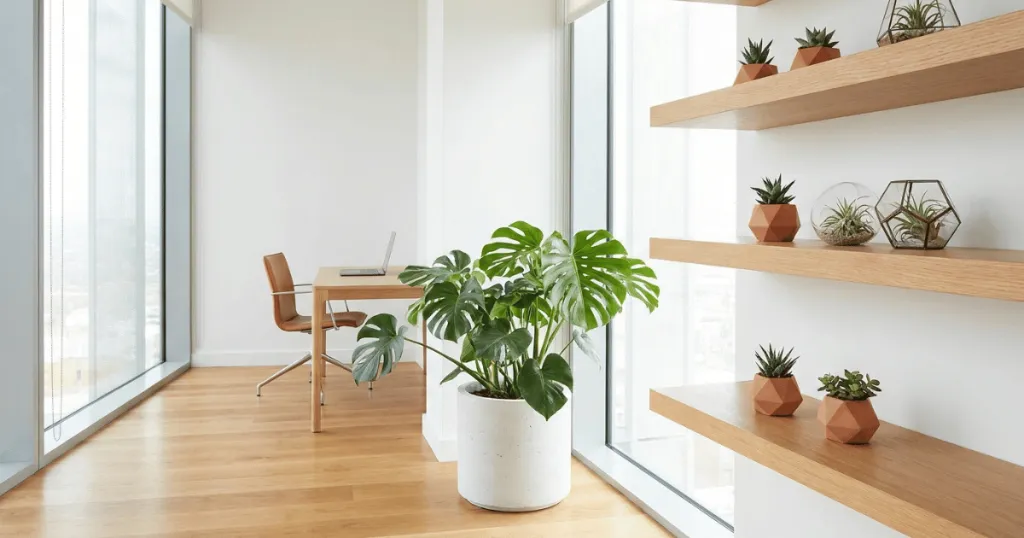
The Monstera is a popular choice for those who want a plant with character. Its iconic split leaves create a striking visual silhouette. While it does require bright indirect light to maintain its signature fenestrations, it is surprisingly resilient. It is best suited for larger offices or open-plan areas where it has enough room to spread out as it matures.
Dracaena
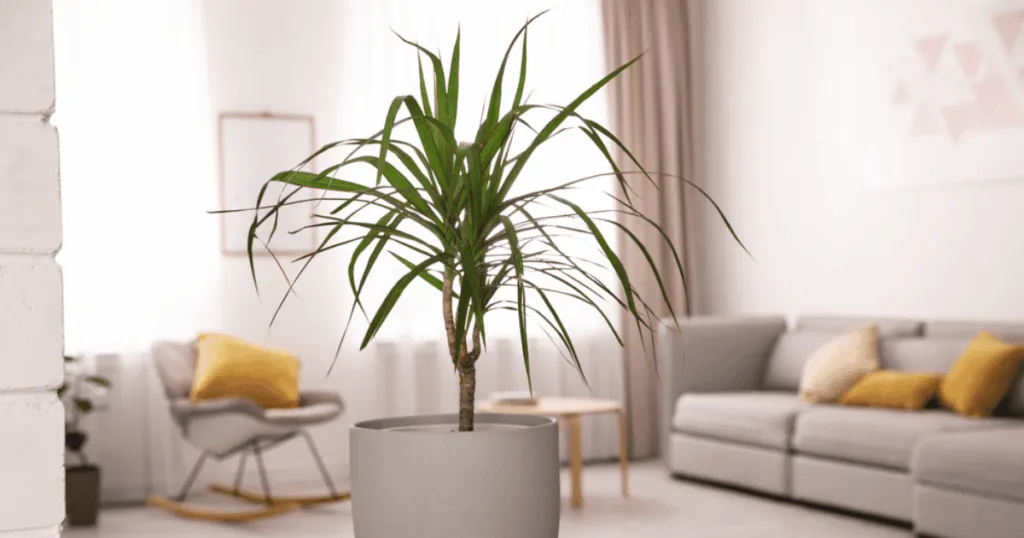
Dracaena varieties, such as the Corn Plant, offer an upright, tree-like appearance that works well in corners. They are highly efficient at filling vertical space. Be mindful that they can be sensitive to fluoride in tap water, which may cause brown tips. Using filtered water can mitigate this, maintaining the plant’s sharp, clean look.
Pothos
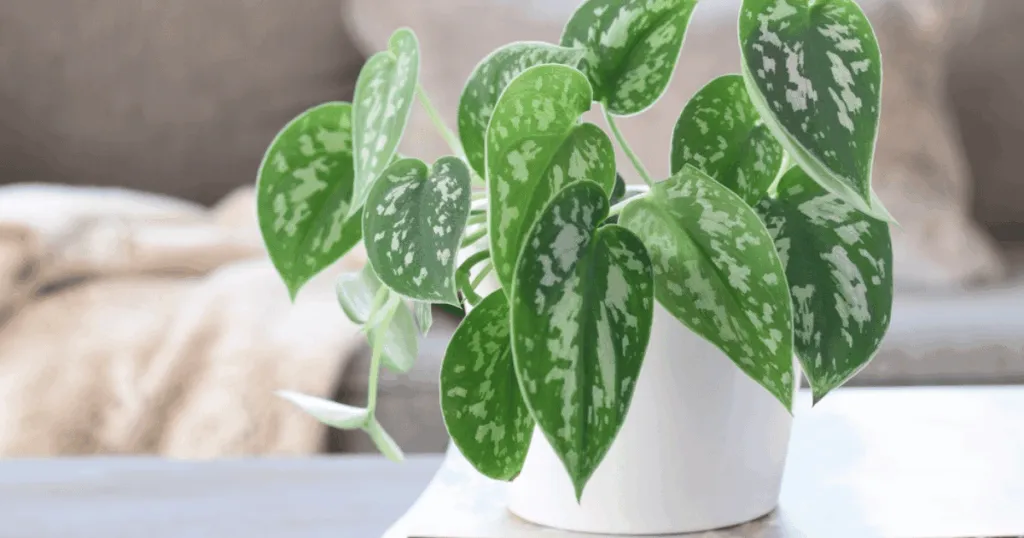
For shelves or filing cabinets, Pothos is the ultimate trailing plant. It is incredibly fast-growing and can be trained to climb or trail down. It is highly communicative, as its leaves will droop slightly when it needs water, taking the guesswork out of your care routine.
Advanced Considerations for Office Plant Management
Beyond the initial selection, long-term success in an office environment requires you to treat plant care as a form of facility maintenance rather than traditional gardening. Unlike home environments, office plants are subject to the rigid schedules of building operations. For instance, many office buildings reduce HVAC output during weekends, leading to temperature spikes or dips. Choosing plants that are physiologically adapted to these fluctuations – like the drought-tolerant succulent-like species mentioned above – is a strategic decision.
Light quality is another critical factor. While many plants are described as ‘low light,’ this is a relative term. Fluorescent tubes provide a specific spectrum of light that may not be optimal for photosynthesis. If your office lacks natural windows, consider placing your plants directly under or near the light source. If you notice a plant leaning heavily toward a window, rotate the pot 90 degrees every time you water it to ensure even growth and prevent the plant from becoming lopsided.
Watering in an office setting should be treated as a scheduled task. Because office humidity is often lower than residential settings, the top inch of soil may dry out faster than expected. However, the most common error remains overwatering. Always check the soil moisture with your finger or a moisture meter before adding water. If the soil is still damp, wait. Overwatered roots in a container without proper drainage will quickly succumb to rot, which is the leading cause of office plant mortality.
Strategic Placement and Use-Case Breakdowns
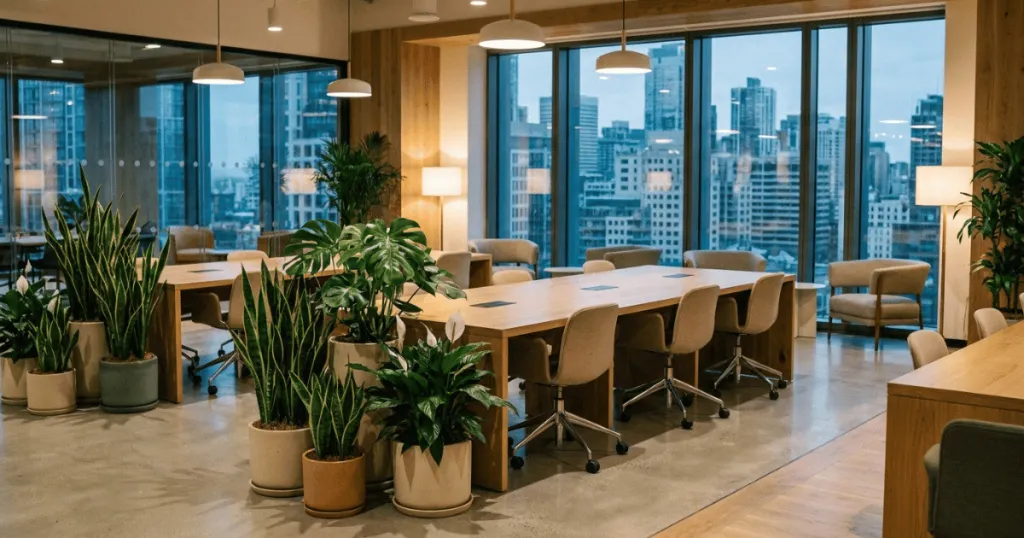
Where you place your plant is as important as the species you choose. For desk-bound plants, focus on compact, upright species like the Snake Plant or Peperomia. These do not obstruct your workspace and are less likely to be knocked over during daily tasks. In reception areas or meeting rooms, larger floor plants like the Rubber Plant or Kentia Palm create a sense of scale and professionalism that can help frame the space.
Consider the light availability at your specific location. If your office has floor-to-ceiling windows, you can support more demanding plants like the Rubber Plant or even a Fiddle Leaf Fig. However, if your desk is in the interior of the building, stick to the low-light champions like the ZZ Plant or Cast Iron Plant. Matching the plant to the light level is the single most effective way to ensure long-term success.
Finally, think about the traffic flow. Avoid placing delicate or wide-spreading plants in narrow hallways or high-traffic zones where they might be brushed against or damaged. A sturdy, upright plant in a heavy ceramic pot is a safer bet for high-traffic areas, as it is less likely to tip over and easier to keep clean.
Limitations and Trade-offs
Even the most resilient office plants have their limits. The most common mistake is assuming that low-maintenance means no maintenance. All plants require some attention, primarily in the form of occasional dusting of the leaves, which helps them photosynthesize more efficiently in low-light conditions. If you find yourself unable to commit to even a monthly check-in, consider that even the hardiest plant will eventually decline.
Another factor to consider is toxicity. Many of the most popular office plants, including the Snake Plant, ZZ Plant, and Pothos, contain calcium oxalate crystals or saponins. If your office is pet-friendly or if you are concerned about accidental ingestion, you should prioritize non-toxic options like the Parlor Palm, Cast Iron Plant, or Spider Plant. While these plants are generally safe, they are still not meant to be consumed, so keep them out of reach of anyone who might be tempted to chew on the foliage.
Finally, be realistic about the environment. If your office is kept at extremely low humidity levels or experiences significant temperature drops over the weekend, some of the more sensitive tropical varieties may struggle. In these cases, sticking to the most robust species is the best way to avoid the frustration of a failing plant.
Evaluating Plant Longevity and Maintenance Cycles
When curating an office environment, it is helpful to categorize plants by their maintenance cycle. Some plants, like the Snake Plant and ZZ Plant, operate on a ‘set and forget’ cycle, requiring attention only once every few weeks. Others, like the Peace Lily or Fittonia, serve as ‘indicators’ – they will physically wilt when they require water, providing a visual cue that is helpful for managers who might otherwise forget to check soil moisture. Understanding these behavioral traits allows you to match the plant to your personal or team capacity for maintenance.
Furthermore, consider the growth rate of your chosen greenery. Fast-growing plants like Pothos or Syngonium will eventually require pruning or repotting, which adds a layer of long-term labor. If your goal is to minimize administrative overhead, prioritize slow-growing species such as the Cast Iron Plant or the Parlor Palm. These plants maintain their size and shape for extended periods, reducing the need for frequent intervention or space reallocation.
Lastly, consider the aesthetic impact of the container. In a professional office, the pot is as much a part of the design as the plant itself. Using a high-quality, neutral-toned ceramic or metal cachepot not only elevates the visual appeal of the plant but also provides stability, especially for taller, top-heavy varieties like the Dracaena or Rubber Plant. Ensure that the inner pot has adequate drainage, and use a saucer or a moisture-barrier tray to protect office furniture from water damage, which is a common concern in professional settings.
This guide is intended for informational purposes regarding plant selection and care in office environments. We do not provide professional interior landscaping services or product endorsements. The health and longevity of your plants depend on local environmental factors, including light quality, ambient temperature, and consistent care. Always inspect your plants for signs of pests or disease upon arrival, as these can spread to other plants in your office. When in doubt, consult a local nursery for advice specific to your regional climate and building conditions.
FAQ
Which of the best plants for men’s office spaces is the most difficult to kill?
The ZZ Plant and the Cast Iron Plant are widely considered the most resilient options. Both can handle low light, irregular watering, and the dry air typical of office buildings, making them ideal for busy professionals.
Do I need to fertilize my office plants?
Generally, office plants grow slowly due to lower light levels. You can apply a balanced, water-soluble fertilizer at half-strength once or twice during the spring and summer, but avoid fertilizing in the winter when the plant is dormant.
How do I know if my office plant is getting enough light?
Signs of insufficient light include leggy, stretched growth, smaller-than-normal leaves, or a loss of variegation in patterned plants. If you notice these signs, move the plant closer to a window or consider adding a dedicated LED grow light.
What should I do if my plant leaves are turning yellow?
Yellowing leaves are most often a sign of overwatering. Check the soil moisture; if it feels soggy or water is pooling in the saucer, allow the soil to dry out completely before watering again. Ensure your pot has proper drainage holes.
Are there non-toxic options for office plants?
Yes, if you need pet-safe or non-toxic greenery, consider the Parlor Palm, Cast Iron Plant, Spider Plant, or Peperomia. These species are safe for cats and dogs, unlike many other common office plants that contain irritating crystals or sap.