Affiliate Disclosure: As an Amazon Associate, I earn from qualifying purchases.
Finding the best small plants for home office setups involves a careful trade-off between aesthetic appeal and the realities of a workspace. Unlike a greenhouse or a sun-drenched sunroom, your office is likely defined by consistent HVAC-controlled air, limited natural light, and a schedule that may leave plants unattended over weekends or holidays. The goal is to select greenery that remains healthy despite these constraints, rather than species that demand constant humidity or direct, intense sunlight.
Quick Facts
- ZZ Plant: Extremely drought-tolerant, thrives in low light.
- Snake Plant: Forgiving, architectural, and compact for desks.
- Pothos: Versatile trailing plant, handles irregular watering well.
- Peperomia: Diverse leaf textures, fits perfectly on small shelves.
- Parlor Palm: Adds height without a wide footprint.
When choosing, prioritize plants that tolerate lower light levels and occasional neglect. A plant that requires daily misting or specific temperature fluctuations will quickly become a burden rather than a source of calm. By focusing on species that are naturally adapted to the stable but dim conditions of an office, you ensure your workspace remains vibrant without adding to your daily to-do list.
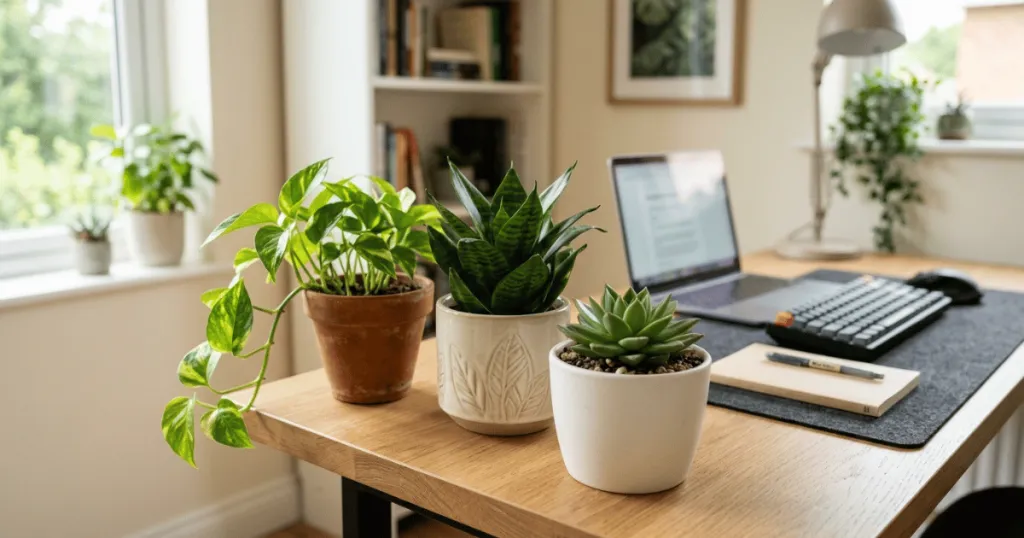
Best Small Plants for Home Office Spaces
ZZ Plant
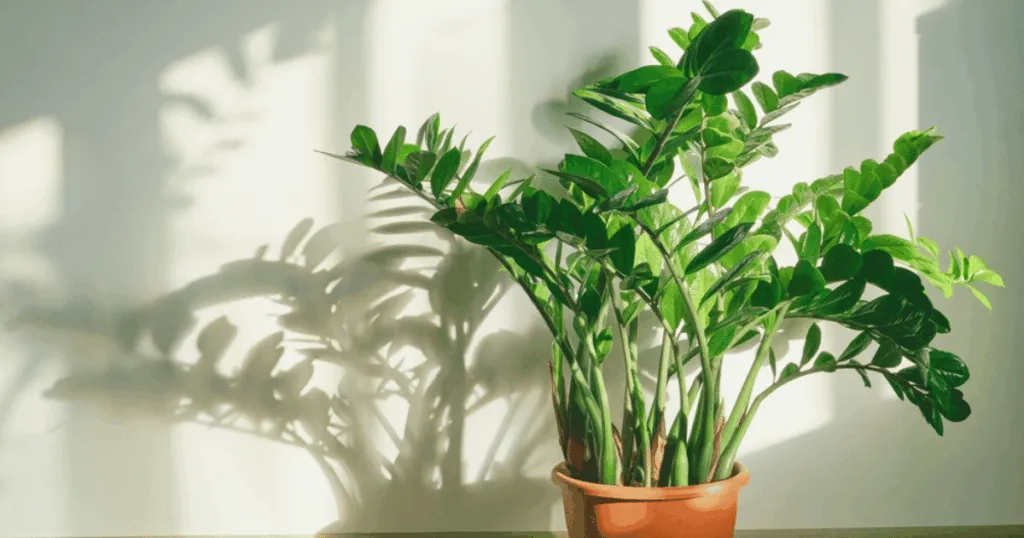
The ZZ plant is a top-tier choice for any desk. Its waxy, deep green leaves reflect light, and it is remarkably tolerant of the artificial fluorescent lighting common in many home offices. Because it grows from rhizomes that store water, it can survive long periods of drought, making it ideal for those who occasionally forget to water their plants. It is a slow grower, meaning it will not outgrow your desk space for years.
Snake Plant
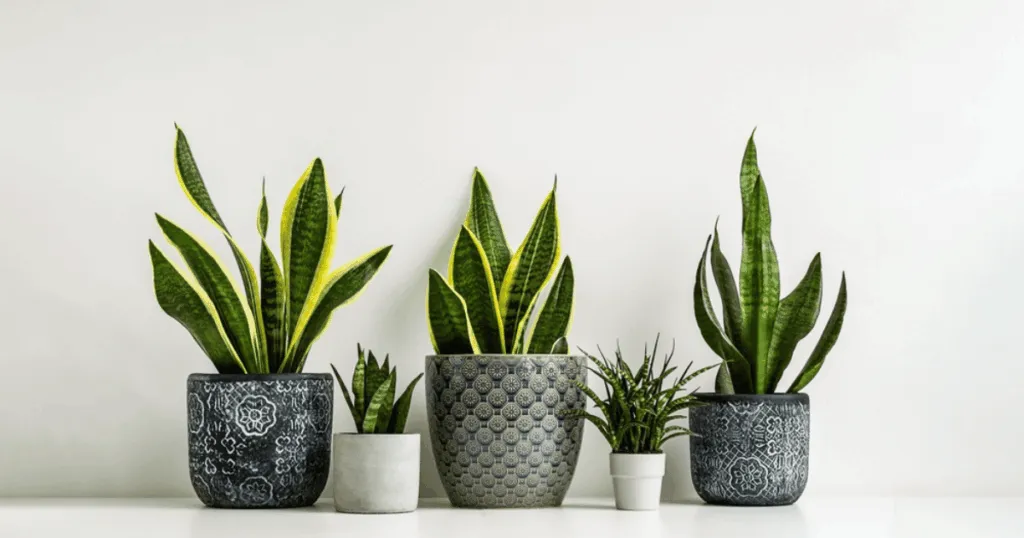
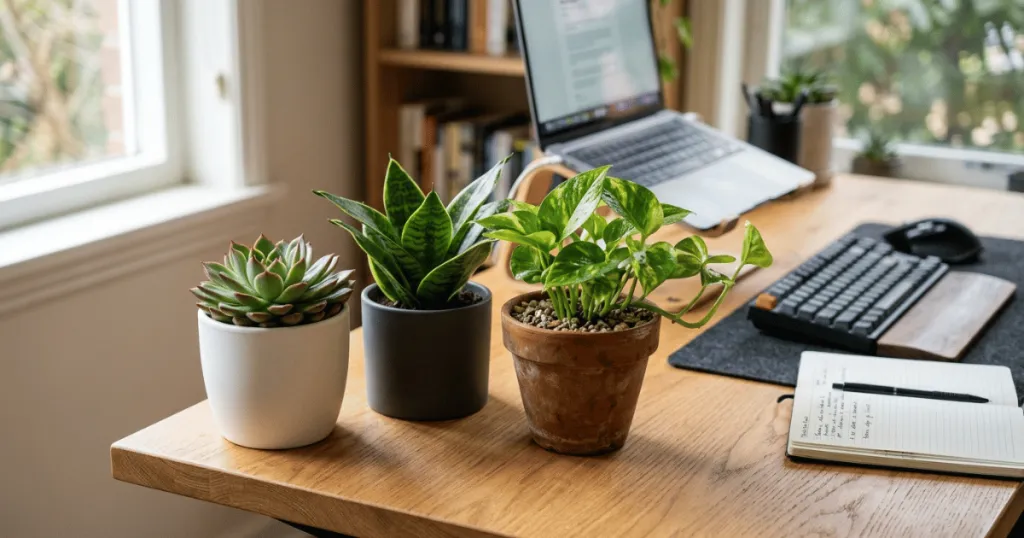
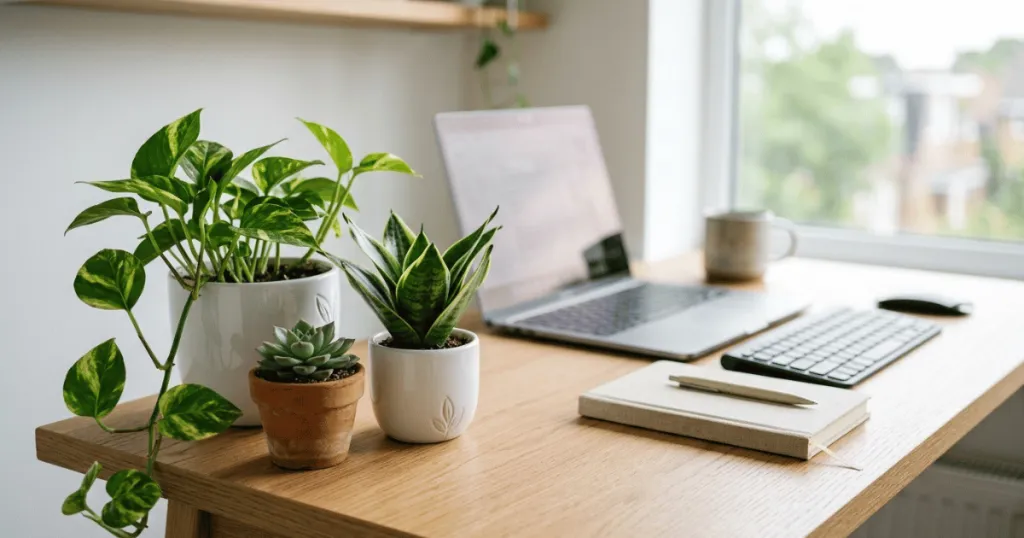
If you want a plant that adds vertical interest without taking up horizontal surface area, the Snake Plant is the standard. Its upright, sword-like leaves are architectural and clean, fitting well into modern office aesthetics. It thrives in a wide range of light conditions, from dim corners to bright windowsills. Like the ZZ plant, it prefers to dry out completely between waterings, which is a significant advantage for a plant that lives on a busy desk.
Pothos
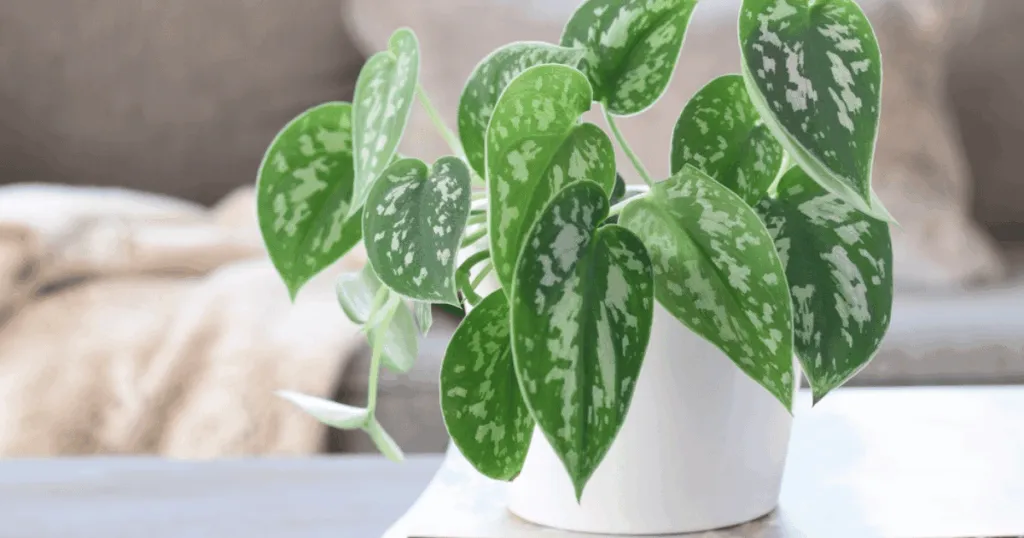
Pothos is perhaps the most versatile trailing plant available. It can be kept in a small pot on a shelf and allowed to cascade downward, or trained up a small stake. It is highly communicative, as the leaves will begin to droop slightly when it needs water, providing a clear signal before the plant suffers any real damage. It handles the low-humidity air of an office better than most tropicals.
Peperomia
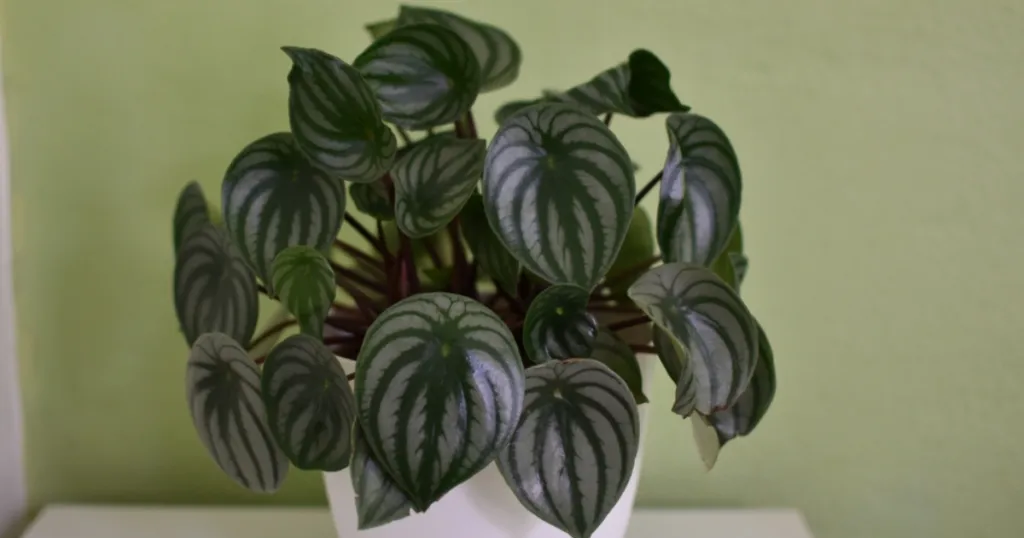
For those with limited surface area, the Peperomia genus offers an incredible variety of textures and patterns. These plants are naturally compact and rarely exceed a foot in height. They are non-toxic to cats and dogs, which is a vital consideration if your home office is also a shared living space. They prefer medium indirect light and should be allowed to dry out slightly between waterings.
Parlor Palm
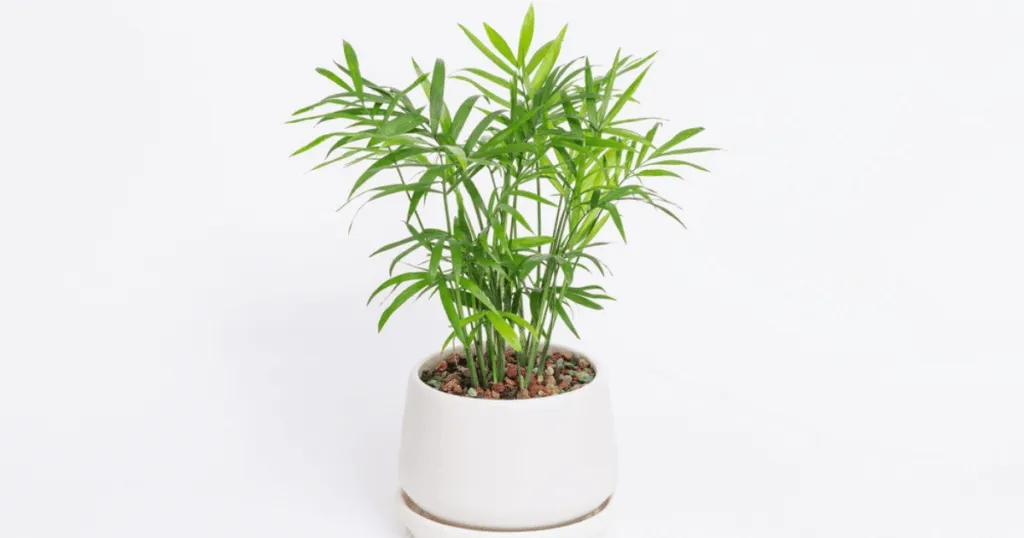
If you need to soften the hard lines of a computer monitor or a bookshelf, the Parlor Palm is an excellent choice. It is one of the few palms that genuinely tolerates low-light conditions. It grows slowly and maintains a manageable, upright shape that does not spread aggressively. It is non-toxic and helps add a sense of lushness to an otherwise sterile office environment.
Spider Plant
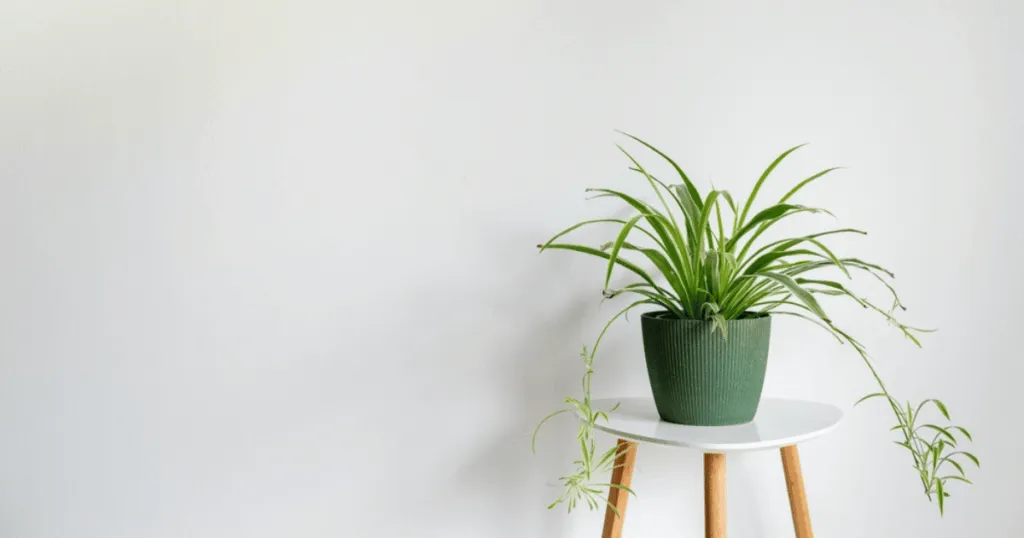
The Spider Plant is a classic for a reason. It is incredibly resilient and produces small plantlets that can be propagated easily. It is non-toxic to pets and handles a variety of light levels. In an office setting, it is best placed where its arching leaves have room to hang, such as on a corner of a desk or a floating shelf.
Chinese Evergreen
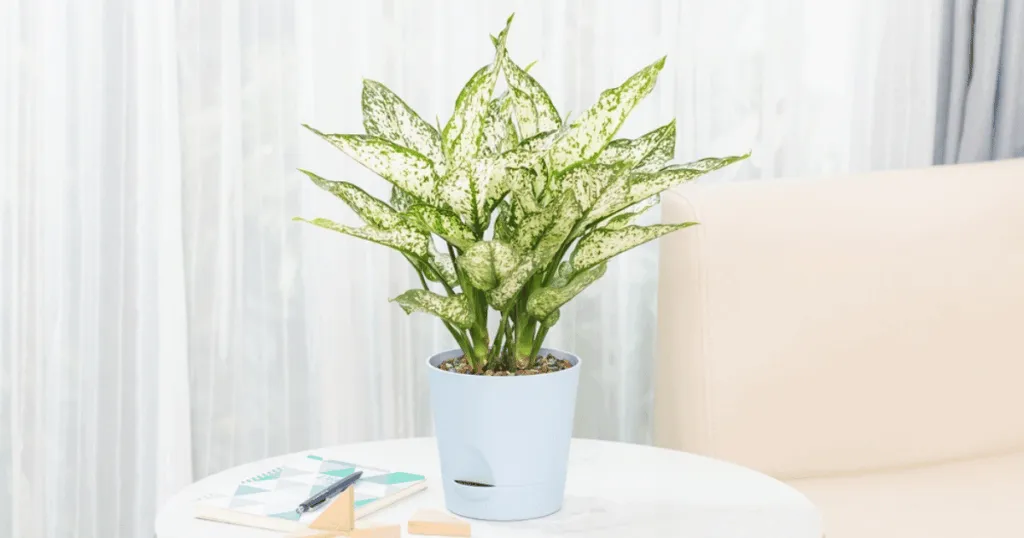
Aglaonema, or Chinese Evergreen, provides a splash of color with its variegated leaves. It is highly adaptable to the lower light levels found in interior offices. It is a sturdy plant that does not mind the occasional missed watering. While it grows slowly, it provides a consistent, lush appearance that holds up well in professional settings.
Syngonium
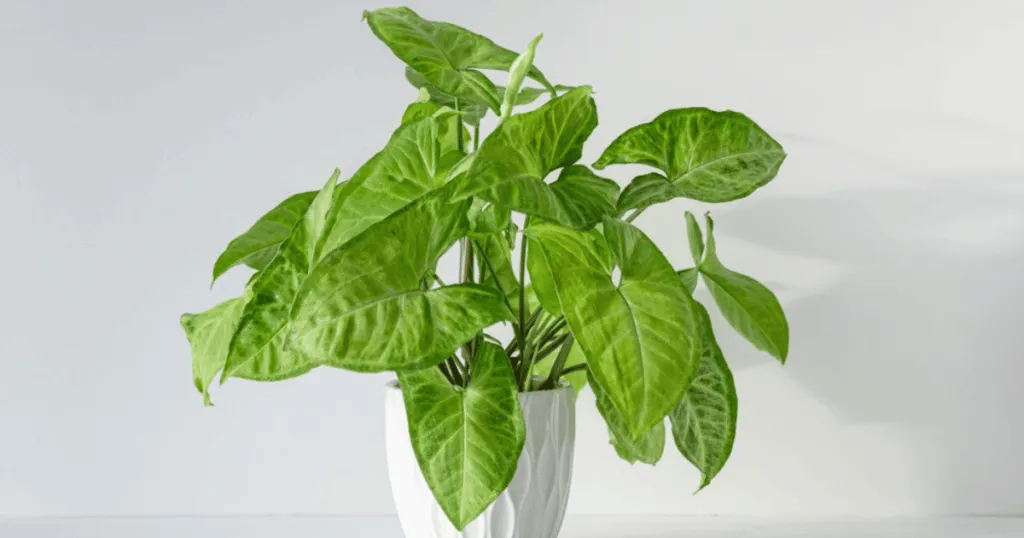
Also known as the Arrowhead plant, the Syngonium is a fast-growing, attractive option that changes leaf shape as it matures. It is very tolerant of the indoor environment and can be kept compact through occasional pruning. It thrives in medium indirect light and adds a unique, soft texture to a desk arrangement.
Bird’s Nest Fern
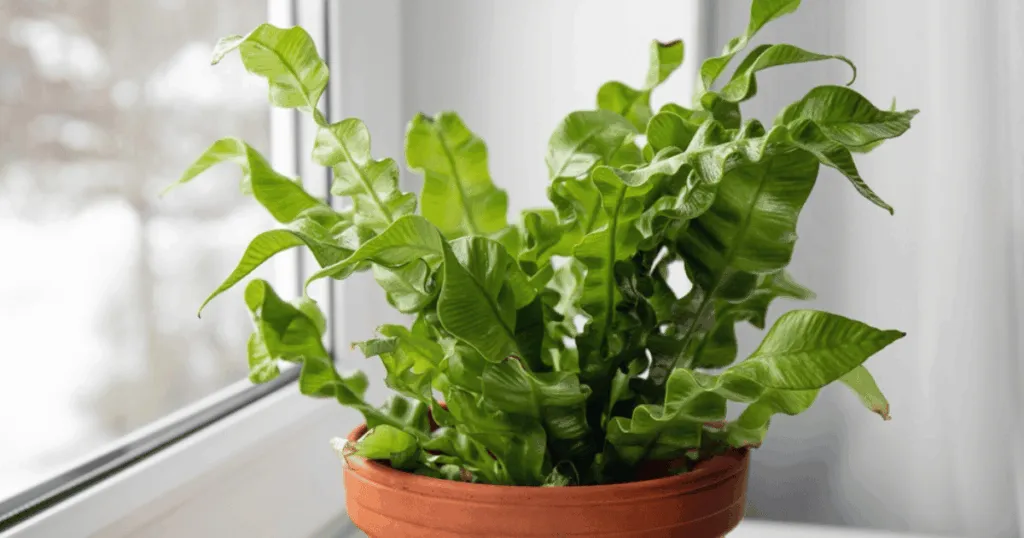
If you prefer a fern but struggle with the high humidity requirements of other varieties, the Bird’s Nest Fern is a more forgiving alternative. Its rosette of crinkly, bright green leaves is compact and visually striking. It prefers lower light and does not require the constant misting that other ferns demand, making it a practical choice for a desk.
Hoya
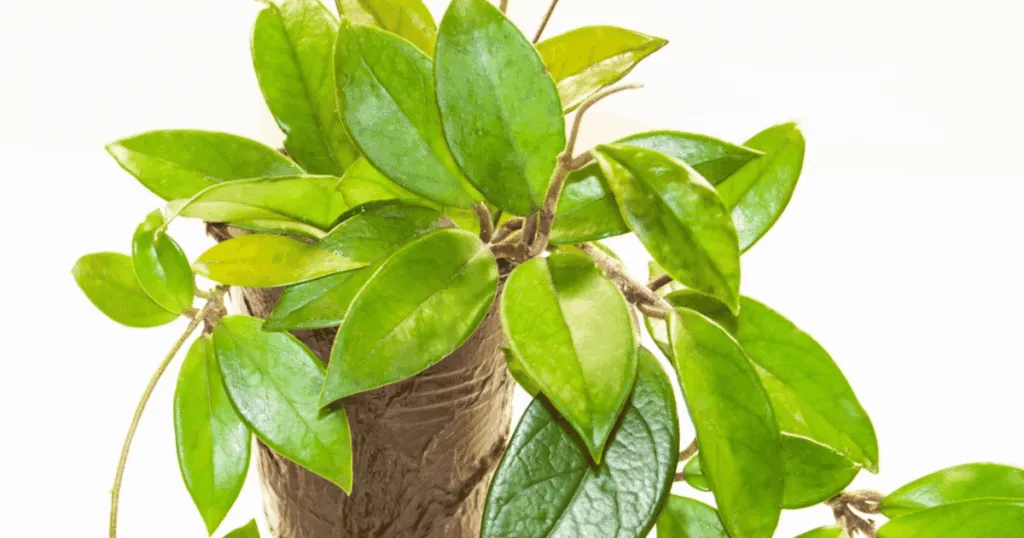
Hoya is a slow-growing, succulent-like vine that is perfect for a low-maintenance office. Its thick, waxy leaves are built to store water, allowing it to withstand inconsistent care. Some varieties have beautiful, fragrant flowers if given enough light, but even without blooms, the foliage is dense and attractive. It is a great choice for a hanging basket or a small pot on a bookshelf.
Additional Compact Selections for the Workspace
Beyond the primary list, several other species excel in office conditions. The Cast Iron Plant earns its name through extreme durability, thriving in deep shade where other plants would languish. It is an excellent choice for corners that receive almost no natural light. For those seeking a flowering option, the African Violet is a compact, non-toxic choice, though it requires careful bottom-watering to avoid leaf spotting. If you prefer a succulent aesthetic, the Jade Plant is a classic, provided you have a bright windowsill; it stores water in its thick stems, making it perfect for those who prefer a “set it and forget it” care routine.
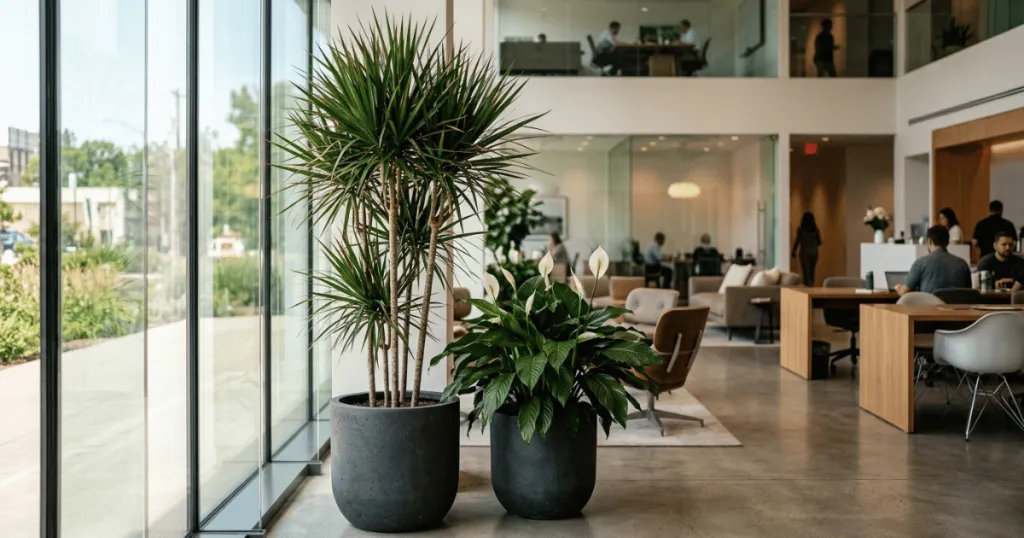
For those interested in unique forms, the Ponytail Palm is a fascinating conversation piece. Despite its name, it is not a true palm but a succulent that stores water in its bulbous base, allowing it to survive long periods of neglect. If you have a bit more vertical space, the Dracaena genus offers several varieties that grow upward rather than outward, keeping your desk surface clear. Always remember to use filtered water for Dracaenas to prevent brown leaf tips, which can occur due to sensitivity to fluoride.
Strategic Selection: Matching Plant Biology to Office Microclimates
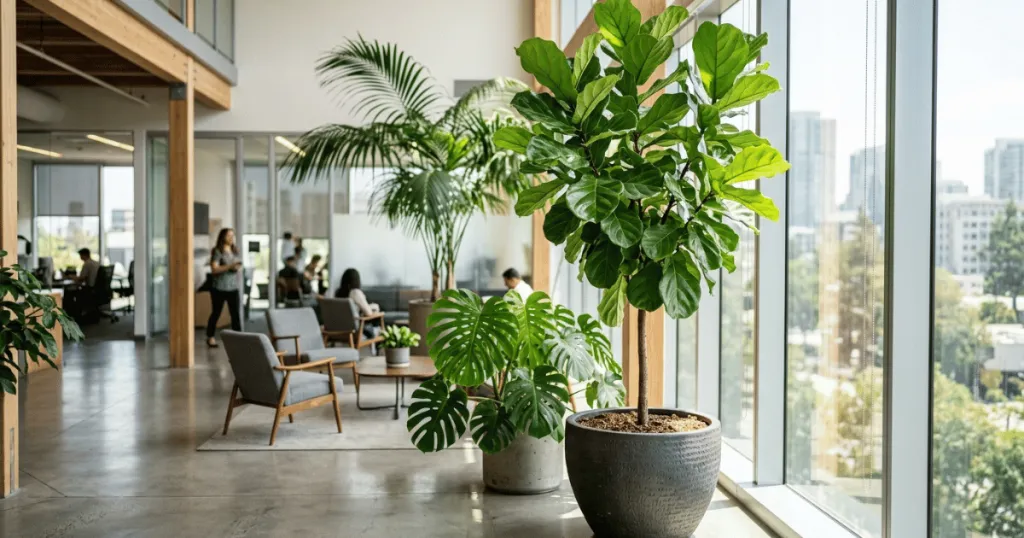
Selecting the right plant is not just about aesthetics; it is about matching the plant’s biological needs to the specific microclimate of your office. For instance, if your desk is located directly under a high-output LED task light, you have more flexibility to choose plants that enjoy brighter conditions, such as the Fiddle Leaf Fig (for those willing to manage its finicky nature) or the Anthurium. Conversely, if your desk is in a cubicle or a corner far from windows, you must prioritize low-light specialists like the Cast Iron Plant or ZZ Plant. Understanding that light intensity drops off exponentially as you move away from a window is a crucial decision-making factor for any office manager.
Another critical consideration is the “weekend gap.” In many office buildings, HVAC systems are dialed back or turned off during weekends, leading to temperature fluctuations. Plants like the Snake Plant and Hoya are particularly adept at handling these shifts because their succulent-like tissues provide a buffer against environmental stress. Avoid high-maintenance tropicals like the Calathea or Fittonia if your office environment experiences significant temperature drops or spikes, as these plants will show their stress through leaf curling or crisping edges almost immediately.
Managing Plant Health in Controlled Environments
Office environments are notoriously dry. While we often focus on watering, the ambient humidity is frequently the hidden culprit behind plant decline. When air is dry, plants lose moisture through their leaves faster than their roots can replenish it. This is why many office plants develop brown, crispy tips. To mitigate this, consider grouping plants together. This creates a small, localized zone of higher humidity as the plants release moisture through transpiration. This simple, non-commercial intervention is often more effective than individual misting, which can actually encourage fungal growth on leaves if done incorrectly.
Furthermore, consider the container choice. In an office setting, self-watering pots or pots with built-in reservoirs can be a lifesaver. These containers allow the plant to draw up moisture as needed, which is particularly helpful for plants like the Peace Lily or Boston Fern that prefer consistently moist soil. However, ensure that the pot has adequate drainage holes; even with a reservoir, the roots must not sit in stagnant, oxygen-deprived water, which is the fastest route to root rot. If you are using decorative cachepots, always lift the inner plastic nursery pot out to water it, ensuring that no excess water remains in the bottom of the decorative vessel.
The Role of Maintenance and Long-Term Care
Even the most resilient office plants require a baseline of maintenance. Dust accumulation is a frequently overlooked issue in offices. Because office plants are often stationary, dust settles on their leaves, blocking the stomata and hindering photosynthesis. A simple monthly wipe-down with a damp cloth not only improves the plant’s ability to process light but also keeps your workspace looking professional and clean. This is also the perfect time to inspect for pests like spider mites, which thrive in the dry, stagnant air of many offices.
Repotting is another necessary task. While many of these plants are slow growers, they will eventually exhaust the nutrients in their potting mix. Every 18 to 24 months, consider refreshing the top layer of soil or moving the plant to a pot one size larger. When repotting, use a high-quality, well-draining indoor potting mix. Avoid garden soil, which is too dense and can harbor pathogens that are detrimental to indoor container plants. If you notice the plant has stopped growing entirely or the roots are circling the bottom of the pot, it is a clear signal that it is time for an upgrade.
Optimizing Placement for Office Success
The success of your office plants depends almost entirely on placement. Most office workers make the mistake of placing plants in direct sunlight, which can scorch leaves, or in windowless rooms with zero light. The ideal spot for most of these selections is within three to five feet of a window, or directly under a desk lamp if natural light is absent. Remember that office lighting is often less intense than it appears to the human eye, so err on the side of brighter, indirect light whenever possible.
Humidity is another factor. HVAC systems are designed to strip moisture from the air, which can cause brown tips on sensitive plants. If you notice your plants struggling, a small pebble tray with water or grouping plants together can create a microclimate that raises local humidity without requiring a room-wide humidifier. Avoid placing plants directly in the path of air vents, as the constant draft can cause rapid moisture loss and temperature stress.
Limitations and Trade-offs
It is important to recognize that no plant is truly maintenance-free. Even the most resilient species require occasional cleaning of their leaves to remove dust, which can block light and hinder photosynthesis. Furthermore, while many of these plants are described as easy, they are still living organisms that will eventually outgrow their pots. Plan for repotting every 18 to 24 months to ensure the roots have enough space to support the plant’s health.
If you are prone to over-nurturing, you may find yourself struggling with plants that prefer to be dry, such as the Snake Plant or ZZ plant. In these cases, the primary risk is root rot. If you find yourself watering out of habit rather than necessity, consider choosing a plant that enjoys slightly more consistent moisture, such as the Pothos or Syngonium. Choosing the right plant for your specific care style is just as important as choosing the right plant for your office lighting.
Finally, always check the toxicity of a plant if you have pets or small children in your home office. While many of the plants on this list are safe, others contain calcium oxalate crystals or saponins that can cause irritation if ingested. If you have curious pets, prioritize non-toxic options like the Parlor Palm or Spider Plant to avoid unnecessary stress.
This list is intended to provide guidance based on the general characteristics of these species in indoor environments. We do not provide commercial recommendations or specific product endorsements. Always observe how your specific plant reacts to your unique office environment, as light, temperature, and humidity can vary significantly even within the same building. Proper care is a process of observation and adjustment rather than following a rigid schedule.
FAQ
Can I keep these plants in a windowless office?
While some plants like the ZZ plant and Snake Plant are highly tolerant of low light, they still require some level of illumination to thrive. In a windowless office, you will likely need to provide a dedicated LED grow light to keep the plant healthy over the long term.
How often should I water my office plants?
There is no universal schedule. Instead, check the soil moisture. For most of the best small plants for home office spaces listed here, wait until the top inch or two of soil feels dry to the touch before watering again. Overwatering is a much more common cause of plant death than underwatering.
Why are the tips of my plant leaves turning brown?
Brown tips are most often caused by low humidity, which is common in HVAC-controlled offices, or by using water with high mineral content. Try increasing local humidity with a pebble tray or allow your tap water to sit out overnight before using it to let chlorine dissipate.