Affiliate Disclosure: As an Amazon Associate, I earn from qualifying purchases.
Finding greenery that survives artificial lighting, weekend neglect, and the dry air of commercial ventilation systems can transform a sterile workplace into a welcoming environment. When floor space is limited by filing cabinets, mobile desks, and foot traffic, elevating your greenery utilizing vertical space is the most practical solution. This shortlist is designed for office managers, facility coordinators, and remote workers who want to introduce cascading foliage without cluttering shared surfaces. If your workspace lacks structural ceiling hooks or you work in a strict open-plan lease that forbids drilling, you may want to skip trailing species and evaluate desktop terrariums or tabletop specimens instead.
Choosing the right cascading flora involves understanding how indoor foliage interacts with office architecture, artificial light output, and fluctuations in indoor air quality. By integrating trailing office vines into meeting rooms, open cubicle clusters, and executive reception spaces, facilities management teams can enhance workspace vegetation without compromising functional floor layouts. This guide focuses on species that offer high visual impact with low maintenance requirements, ensuring your office greenery remains a benefit rather than a chore.
At a Glance
- Pothos thrives in low light and forgives erratic watering schedules.
- Heartleaf Philodendron trails gracefully under standard fluorescent office lighting.
- Spider Plant produces runners easily and tolerates variable indoor temperatures.
- Boston Fern demands high humidity and frequent monitoring in dry offices.
- English Ivy prefers cool corners but requires pest checks for spider mites.
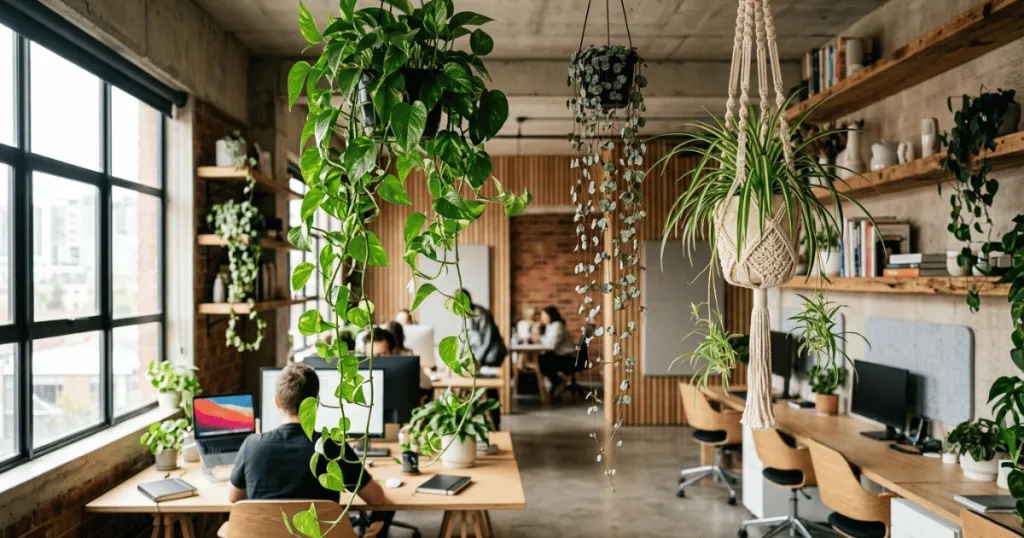
Criteria for Selecting Workplace Trailing Greenery
Office environments impose distinct physiological demands on vegetation that residential spaces rarely replicate. Fluorescent tubes and LED ceiling panels emit narrow light spectra that can stunt slow-growing foliage, while constant HVAC cycling pulls moisture directly from delicate leaves. Selecting the best hanging office plants requires prioritizing species that tolerate lower light compensation points and withstand occasional dry spells when staff members are away for long weekends or holidays.
When curating botanical decor for commercial leases, facility planners must balance aesthetic appeal with long-term survival metrics. Poorly matched selections often result in rapid leaf drop, increased labor costs for cleaning crews, and frustrated employees who expected a low-maintenance workspace enhancement. We evaluate trailing office greenery based on four operational pillars: Light Adaptability, Neglect Tolerance, Growth Habit, and Maintenance Overhead.
Curated Selections for Professional Workspaces
Pothos
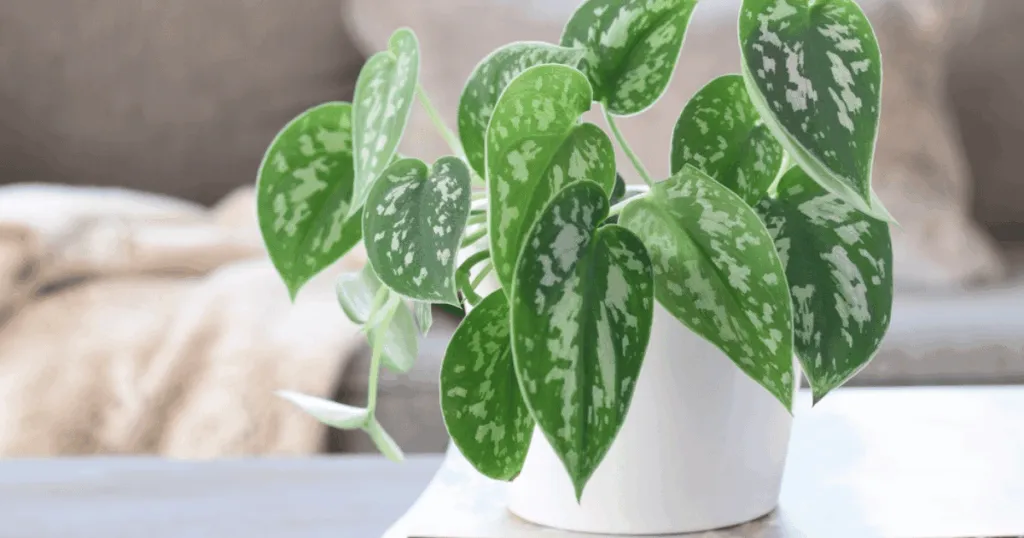
Pothos stands out as a dependable anchor for any corporate or home office setup. Its heart-shaped, waxy leaves tolerate low light conditions remarkably well, adapting to windowless interior conference rooms just as easily as bright perimeter cubicles. Overwatering remains the primary operational risk rather than underwatering, making it forgiving for hybrid teams that visit the office only a few days per week. You can let the soil dry out completely between waterings without risking permanent damage to the trailing vines.
As one of the most reliable options when looking for the best hanging indoor plants for office settings, Pothos produces long vines that can be pinned along cubicle walls or allowed to cascade freely from high ledges. Its adaptability to diverse indoor conditions makes it a staple for large-scale corporate greening initiatives.
Heartleaf Philodendron
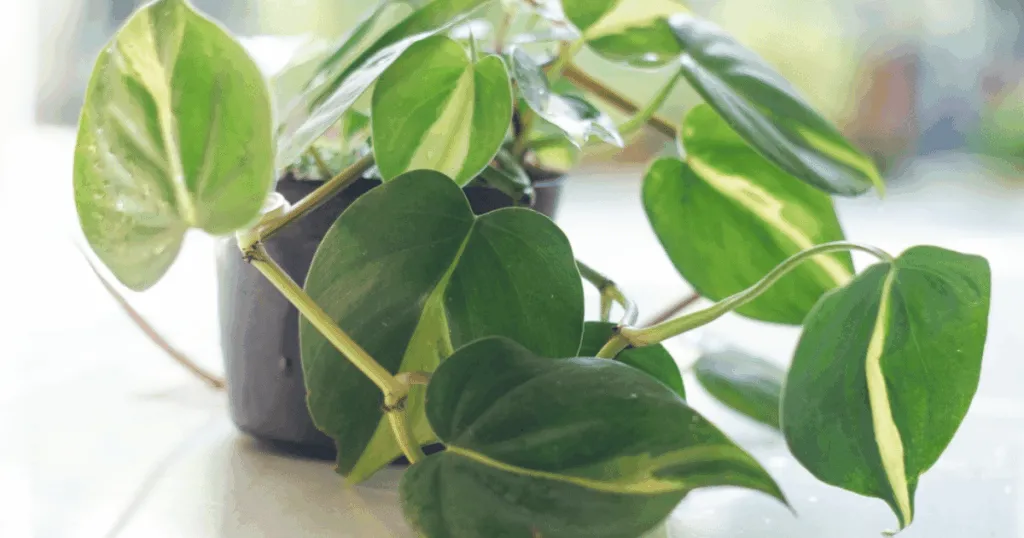
Sharing a similar growth profile to Pothos, the Heartleaf Philodendron features softer, slightly thinner foliage that drapes elegantly from ceiling hooks, high shelving units, or filing cabinet tops. It thrives in medium to bright indirect light, though it manages standard office fluorescent setups without losing its deep green luster. A practical note on maintenance is that its delicate vines can become tangled if allowed to rest against office machinery, so trimming the longest stems every few months keeps the plant looking tidy and dense.
For open-plan layouts seeking trailing plants for office cubicles, this species offers a lush, classic aesthetic. Its fast-rooting stems also make it simple for office volunteers to propagate extra cuttings in a simple glass of water right on a desk.
Spider Plant
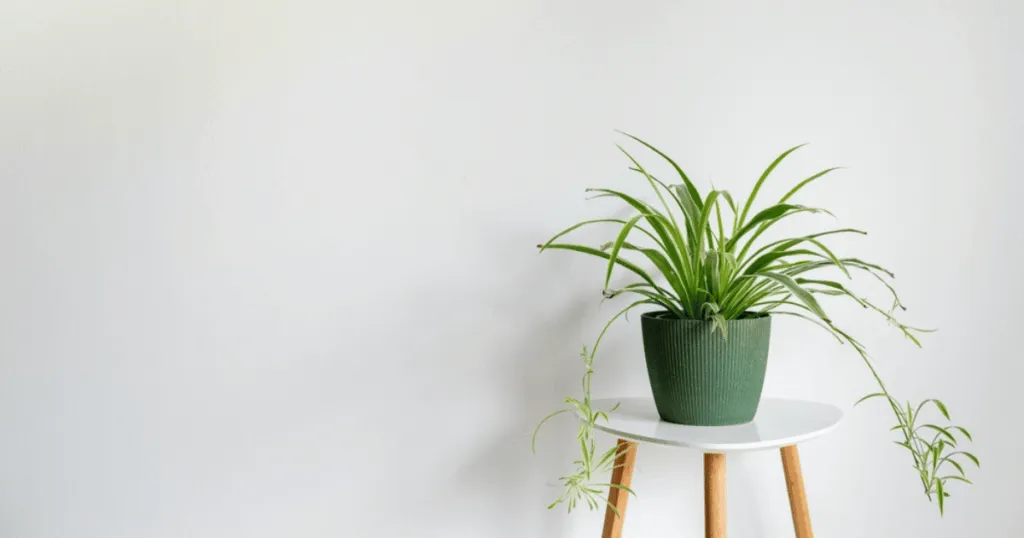
Spider Plant is recognized for producing numerous small plantlets on long, arching stems that add dynamic visual texture to open-plan ceilings and reception areas. This species is entirely non-toxic to cats and dogs, making it a safe choice for pet-friendly corporate campuses or veterinary waiting rooms. One important consideration is its sensitivity to fluoride and chlorine found in tap water, which frequently causes brown leaf tips in commercial buildings; using filtered water solves this issue easily.
Its resilience against variable indoor temperatures makes it a favorite among facility coordinators who manage buildings with erratic weekend climate control shutdowns.
Boston Fern
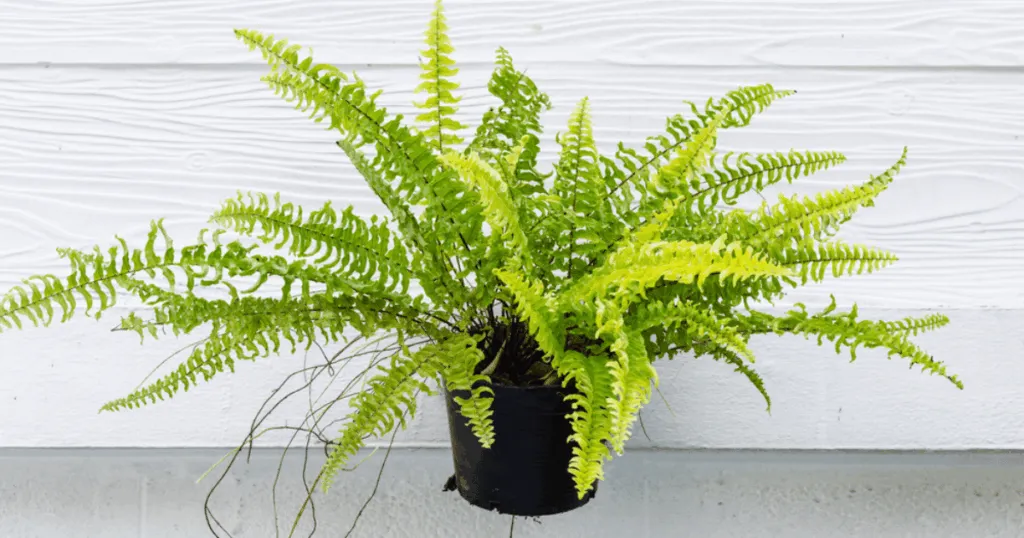
Boston Fern offers a lush, feathery aesthetic that softens harsh architectural lines in modern office lobbies. However, it requires a higher maintenance commitment than most trailing selections because it demands consistent high humidity. In air-conditioned offices where relative humidity often drops below comfortable thresholds, Boston Ferns quickly shed dry fronds unless placed near a humidifier or provided with a moisture tray. Facility managers should reserve this plant for areas where regular misting is part of the daily routine.
While challenging in dry winter months, pairing this plant with proper humidity control protocols ensures its delicate fronds remain vibrant and green throughout the corporate workweek.
English Ivy
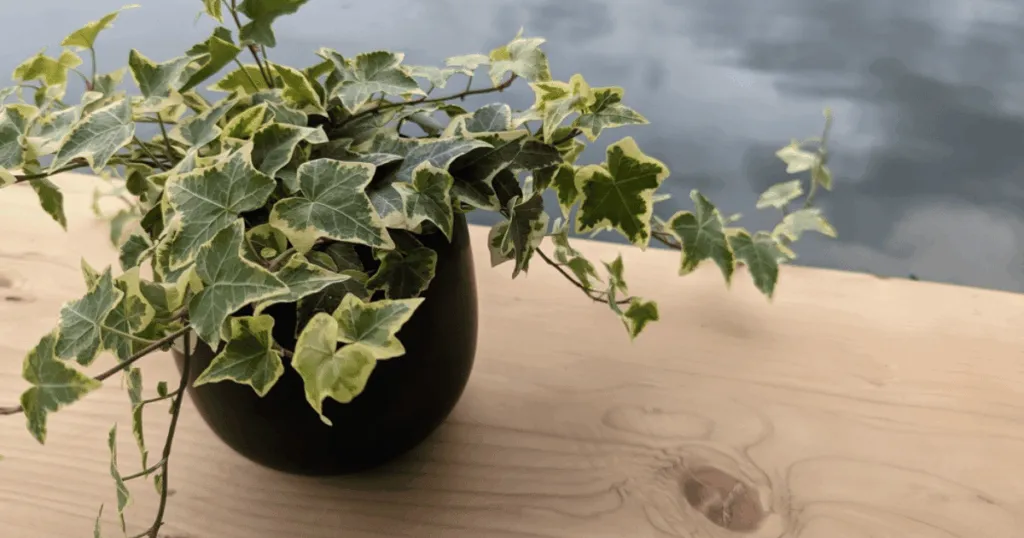
English Ivy creates dense, classic cascading curtains of lobed leaves that perform well in cooler, shaded transition zones such as stairwells and corridors. It prefers bright indirect light but accepts moderate shade without stalling completely. A notable challenge with English Ivy in office environments is its susceptibility to spider mites, which thrive in warm, dry HVAC-conditioned air. Regular leaf wiping and inspecting the undersides of the foliage help prevent minor pest outbreaks before they spread.
When searching for hanging office plants low light installations require, English Ivy serves as an effective choice if positioned away from intense heat vents that accelerate drying.
Hoya
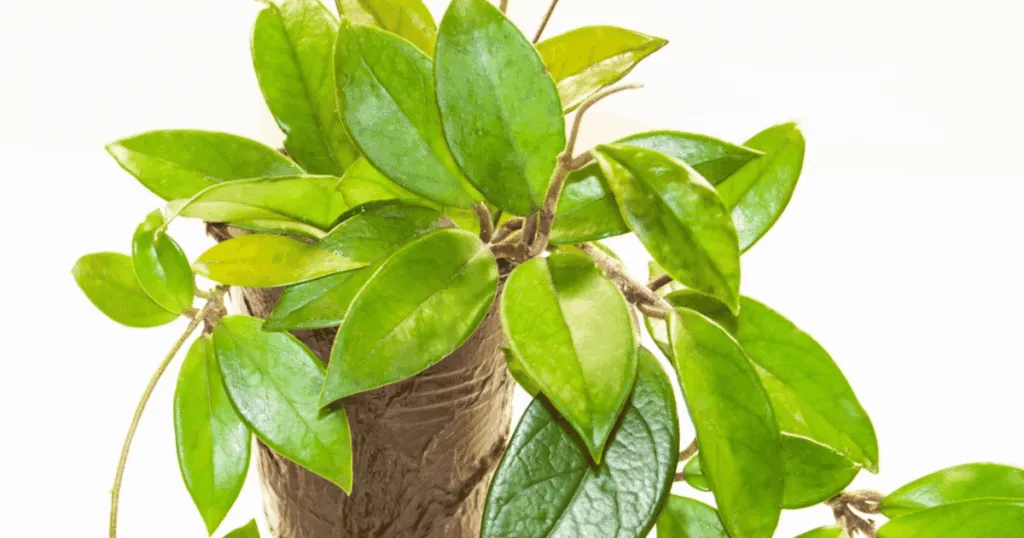
Hoya varieties, often referred to as wax plants, feature thick, succulent-like leaves that store moisture efficiently during busy work periods when watering is easily forgotten. They tolerate lower light levels, though they need bright indirect light to produce their distinctive porcelain-like flower clusters. Because of their slow growth rate, Hoyas require minimal pruning and rarely outgrow their hanging containers, making them a low-interruption addition to private offices and executive suites.
Prayer Plant
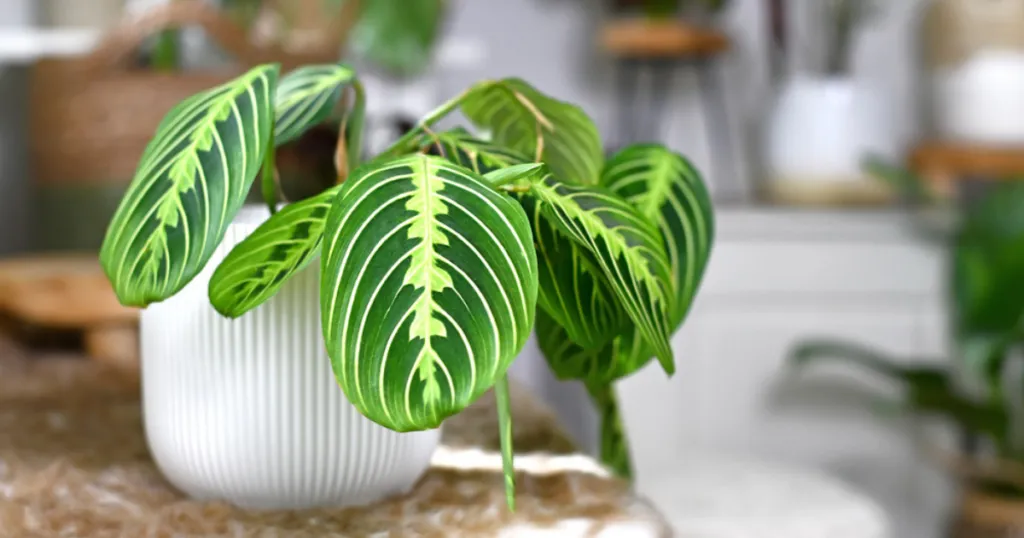
Prayer Plant earns its name from its fascinating habit of folding its leaves upward at night as part of its natural circadian rhythm. It prefers medium indirect light and avoids direct sun, which can scorch its patterned foliage. While visually striking, it reacts poorly to dry office air and irregular watering cycles, often developing crisp brown edges if the soil is allowed to stay dry for too long. Position it closer to desks where humidity can be monitored rather than high ceiling mounts.
Syngonium
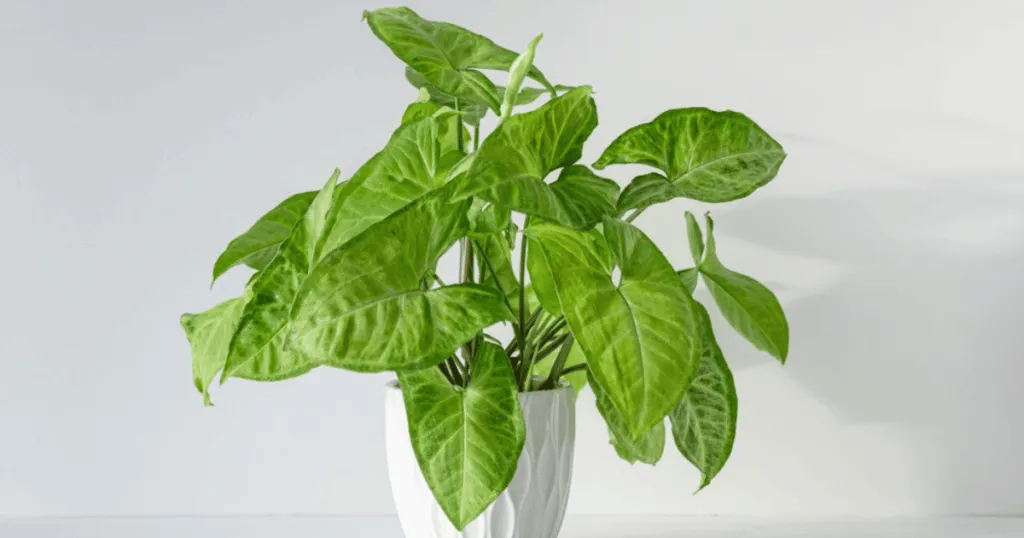
Syngonium, commonly called the arrowhead plant, transitions from a compact tabletop habit to a trailing vine as it matures, offering versatile display options for office shelving. It grows well in medium to bright indirect light and adapts quickly to typical indoor temperatures. One detail to keep in mind is that its sap contains calcium oxalate crystals, meaning it is toxic if ingested by pets or children, so hanging it well out of reach in high-traffic corridors is standard best practice.
Placement Strategies and Architectural Integration
Positioning hanging greenery effectively requires a focus on both aesthetic impact and practical maintenance access. Facilities teams should avoid hanging plants directly over expensive electronics, keyboards, or high-end office furniture where stray water drips during watering sessions could cause damage. Installing pulley systems or lowering hooks makes routine maintenance significantly safer and faster for staff members who cannot easily reach high ceilings with a standard stepladder.
Lighting zones dictate success across different architectural layouts. Perimeter offices with large windows accommodate sun-loving trailers like Hoya and English Ivy, while interior core spaces, windowless breakout rooms, and central hallways require shade-tolerant anchors such as Pothos and Heartleaf Philodendron. Matching the plant to the actual light level rather than the desired aesthetic prevents premature leaf drop and keeps maintenance overhead low.
When planning office ceiling plants, coordination with building engineers ensures that suspension hardware is anchored securely into structural supports rather than decorative drop-ceiling tiles, which cannot bear the wet weight of mature hanging baskets. Always verify the weight capacity of your ceiling grid before installing heavy ceramic pots, as saturated soil adds significant mass.
Trade-Offs, Maintenance Realities, and When to Choose Differently
Hanging plants introduce operational challenges that tabletop greenery avoids. Watering elevated specimens requires specialized tools such as long-reach watering wands or detachable nursery pots to prevent water from splashing onto staff below. Furthermore, gravity causes trailing stems to direct all their growth downward, which can leave the top of the container looking sparse if the plant is not occasionally pinched back or propagated to fill out the crown.
If your office experiences frequent weekend power shutdowns that turn off climate control systems, causing extreme temperature swings, delicate selections like the Boston Fern will struggle. In environments with unpredictable facilities maintenance and no dedicated plant care volunteer, choosing rugged, drought-tolerant species like Pothos or ZZ plants configured in trailing pots is a much safer investment than demanding tropical ferns or humidity-sensitive prayer plants.
Root rot prevention is another critical operational concern in commercial settings where well-meaning employees might water plants on overlapping schedules. Ensuring every hanging pot features an inner nursery liner with drainage holes prevents stagnant moisture from accumulating at the root base. If a plant is placed in a decorative cachepot, always remove the inner nursery liner to drain excess water before returning it to the display position.
Operational Guidelines for Workplace Greenery
Integrating hanging foliage into a professional setting calls for a standardized care schedule. Assigning a single responsible team member or rotating volunteer prevents the common issue of multiple people watering the same container, which quickly leads to root rot. Documenting watering intervals based on seasonal HVAC shifts ensures vegetation remains healthy through both heavy summer cooling and winter heating cycles.
Establishing a routine for wiping dust from leaves ensures that plants exposed to floating particulate matter and ventilation output maintain optimal photosynthetic efficiency. Simple preventive steps protect your workplace investment and keep cascading greenery thriving year-round. For large offices, consider grouping plants with similar water needs together to streamline the maintenance workflow, allowing the facilities team to treat an entire zone in one pass rather than spot-checking individual specimens.
Advanced Considerations for Long-Term Success
To ensure your hanging plants remain an asset for years, consider the long-term growth trajectory of your selected species. Pothos and Philodendron, while easy to start, can grow several feet in a single season. In a professional setting, this requires a plan for pruning or training. You can train these vines to climb up a moss pole or along a wall-mounted trellis if the hanging space becomes too crowded. This versatility allows you to adapt your green decor as the office layout changes or as the plants mature.
Furthermore, consider the impact of seasonal light changes. An office that receives bright, indirect light in the summer may become significantly darker in the winter as the sun’s angle shifts. Plants that were thriving in a specific corner in July may show signs of stress by December. Being prepared to rotate plants to brighter locations during the winter months or supplementing with dedicated LED grow lights can prevent the seasonal decline often seen in office vegetation. By treating your hanging plants as dynamic, living elements of your office design rather than static decor, you ensure they continue to contribute to a positive, productive work environment.
FAQ
How do you water hanging office plants without damaging desk equipment below?
Lower the plant using a pulley system or lift it down with a step stool to water it over a sink or catch basin. Alternatively, use a long-reach watering wand with a controlled nozzle and place a saucer inside the decorative cachepot to capture minor runoff.
Can hanging office plants survive over the weekend without HVAC systems running?
Most hardy trailing species like Pothos, Heartleaf Philodendron, and Hoya easily survive standard weekend temperature drops and dry office air because they store adequate moisture in their stems and root systems.
What is the best way to mount hanging planters in a commercial office lease?
Adhesive ceiling hooks rated for commercial loads work well for lightweight plastic pots if drilling is prohibited. For heavier ceramic containers, secure heavy-duty toggle bolts directly into ceiling joists or utilize existing drop-ceiling grid clips designed for hanging displays.
Why are the lower leaves of my hanging office plant turning yellow?
Lower leaf yellowing most commonly indicates overwatering and compacted soil preventing root oxygenation. Let the soil dry out significantly before the next watering cycle, and check that the pot has functional drainage holes.