Affiliate Disclosure: As an Amazon Associate, I earn from qualifying purchases.
Working in an environment without direct sun or expansive windows creates a specific set of challenges for plant health. In many commercial office buildings, light levels are dictated by the distance from the perimeter, the orientation of the building, and the intensity of overhead LED or fluorescent fixtures. When you are selecting vegetation for these spaces, the goal is to identify species that have evolved to thrive in the understory of dense forests or in stable, low-energy environments. Choosing the wrong plant here leads to rapid decline, yellowing leaves, and a frustrating cycle of replacement that drains your office management budget.
At a Glance
- Snake Plant: Virtually indestructible, thrives in low-light corners.
- ZZ Plant: Handles fluorescent lighting and long periods of neglect.
- Cast Iron Plant: Slow-growing, extremely tolerant of dim, stale air.
- Pothos: Versatile trailer that signals thirst by wilting slightly.
- Chinese Evergreen: Adds color patterns without needing high light.
The best plants for office with little natural light are those that prioritize survival and slow, steady growth over high-energy flowering or rapid expansion. These plants possess physiological adaptations, such as thicker, waxier cuticles or higher chlorophyll density, which allow them to photosynthesize efficiently even when light intensity is low. By focusing on these resilient varieties, you can maintain a professional, green workspace without needing to install expensive supplemental grow lighting or constantly rotating plants to a brighter window.
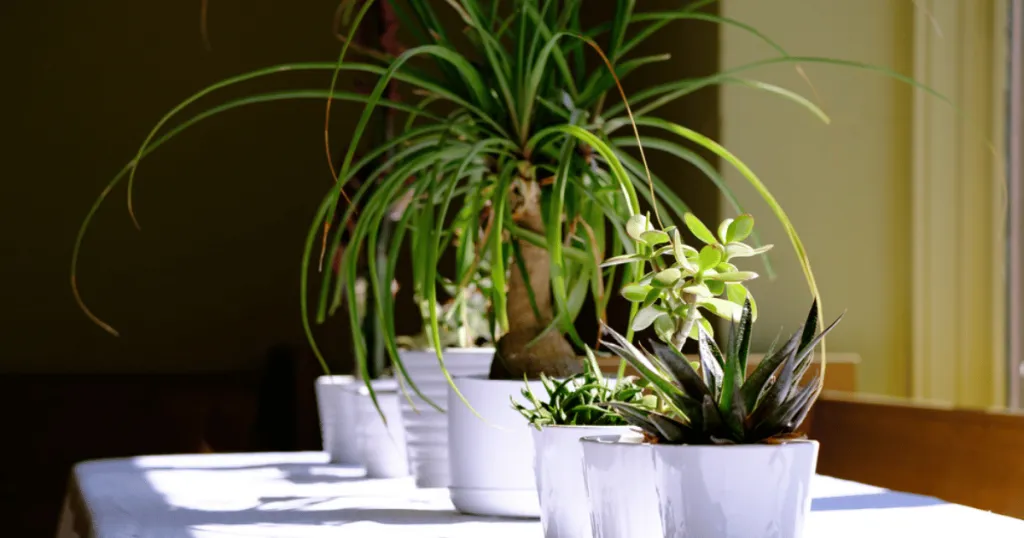
What Defines a Low-Light Office Plant
The primary constraint in an office setting is the lack of photosynthetically active radiation (PAR). While humans perceive a room as bright because of overhead lights, plants often perceive the same room as dim. Fluorescent and LED office lighting typically lacks the full spectrum of sunlight, meaning plants must rely on the limited intensity available.
A plant that is a fit for this environment is one that does not require direct sun exposure to maintain its structural integrity. If a plant is labeled as requiring “bright, indirect light,” it will often survive in an office, but it will grow significantly slower and may lose its variegation or leaf density over time.
Humidity and air circulation also play a critical role. Most office buildings utilize HVAC systems that keep humidity levels low, often below 30%. This creates a dry, desert-like microclimate that can stress plants that prefer tropical moisture. A suitable office plant must be able to tolerate this dry air without succumbing to immediate leaf-tip browning or pest infestations like spider mites.
Furthermore, the ability to tolerate inconsistent watering—often caused by weekend closures or holiday breaks—is a hallmark of a high-quality office plant. You want species that can handle a slightly dried-out root ball without suffering permanent damage.
Snake Plant
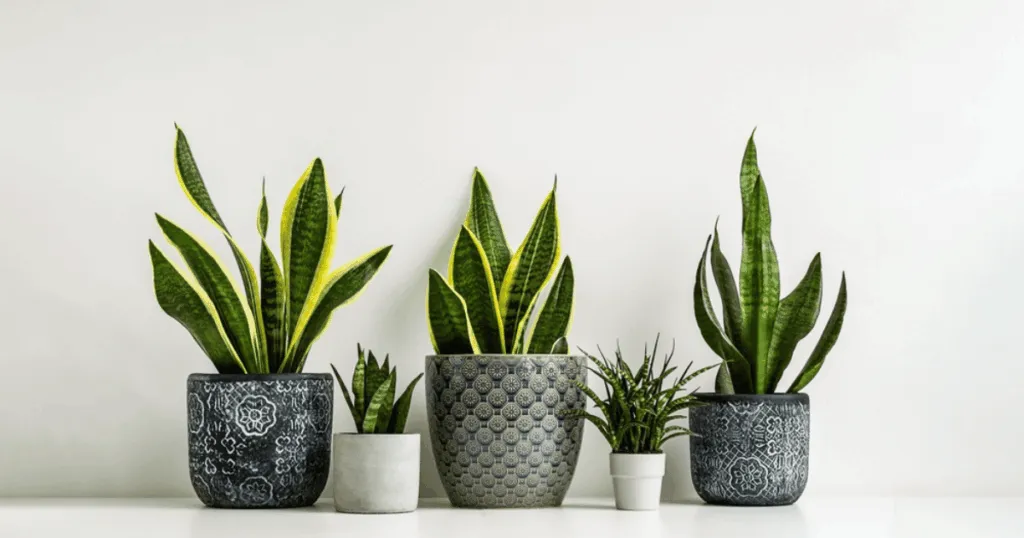
The Snake Plant is arguably the gold standard for dim, high-traffic office areas. Its architectural, upright leaves occupy a small footprint, making it ideal for tight desk corners or narrow reception shelves. Because it stores water in its thick, succulent-like leaves, it is incredibly forgiving if you forget to water it for two or three weeks. The main risk with this plant is overwatering, so ensure the soil is completely dry before adding more moisture. It is important to note that while it tolerates low light, it will grow more robustly if given a spot near a window, though it remains one of the most reliable choices for windowless cubicles.
ZZ Plant
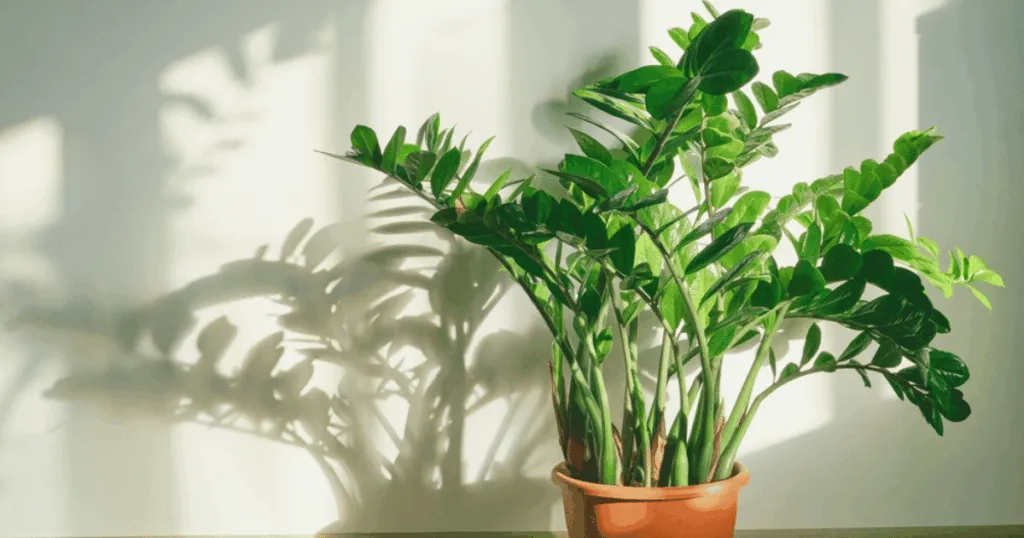
If your office has almost no natural light, the ZZ Plant is your most reliable choice. It is famously tolerant of fluorescent lighting and can survive in windowless rooms where other plants would struggle to keep their leaves. Its waxy, deep-green foliage reflects light well, and it requires very little maintenance. Like the Snake Plant, it prefers to be left alone; over-attentive watering is the only way to cause it significant harm. Its rhizomatous root system allows it to store water, making it perfect for offices that may go unmonitored during long holiday breaks.
Cast Iron Plant
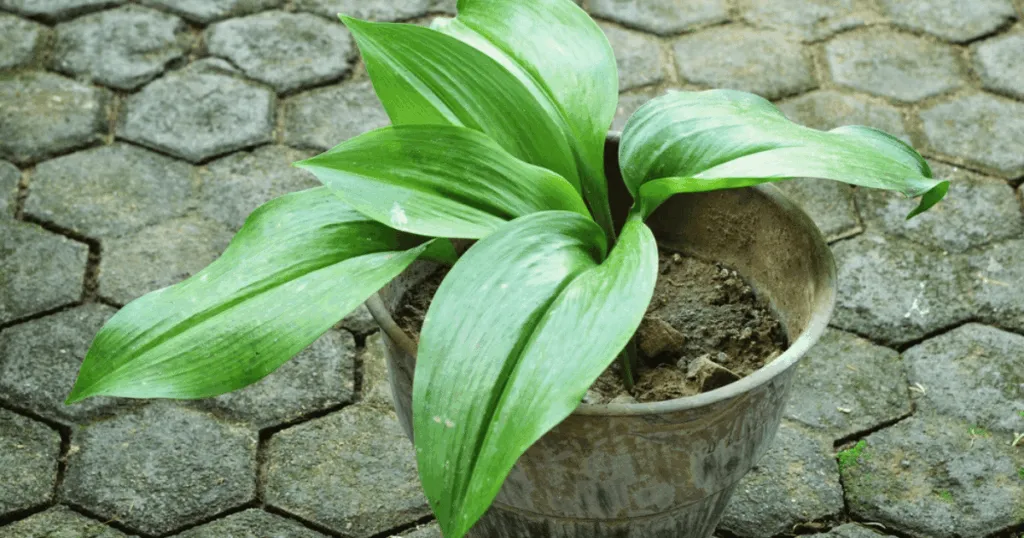
True to its name, the Cast Iron Plant is nearly impossible to kill. It is an excellent selection for high-traffic hallways or areas with poor air circulation. It grows slowly, meaning it won’t outgrow its container quickly, and it is highly resistant to the temperature fluctuations common in large office buildings. It is a non-toxic option, which provides peace of mind if your office is pet-friendly or if you are concerned about plant safety in common areas. Unlike many other foliage plants, it does not mind the slightly stale air found in older office buildings.
Pothos
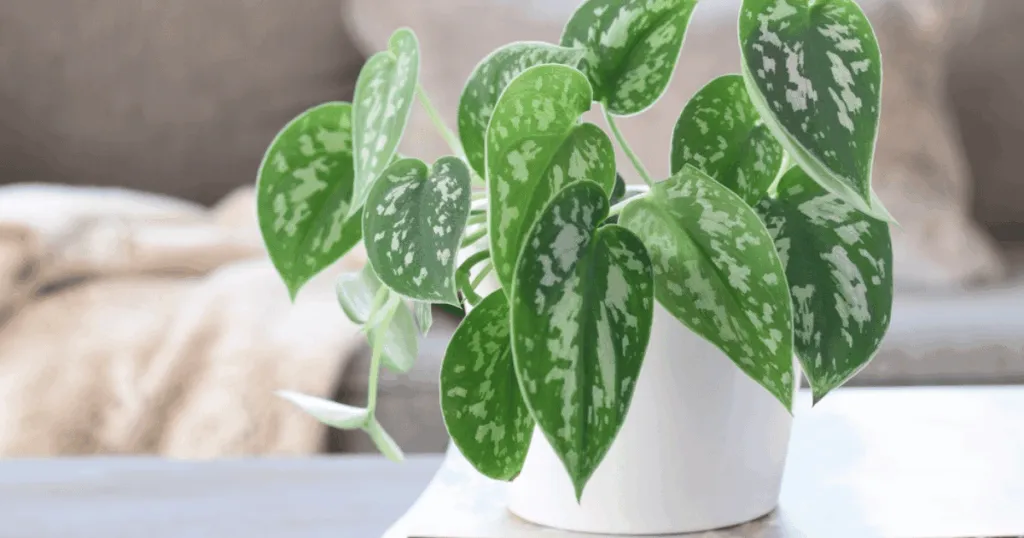
For a trailing option that can soften the look of tall filing cabinets or cubicle walls, the Pothos is unmatched. It is highly adaptable to various light conditions and will grow even in the dimmest corners of an office. A practical note: the Pothos is an excellent indicator plant. When it needs water, the leaves will droop slightly, giving you a visual cue before the plant suffers any real damage. It is a fast grower, so you can prune it back to keep it looking tidy. It is a classic choice for offices, though it is toxic if ingested, so keep it out of reach in areas where pets or children might be present.
Chinese Evergreen
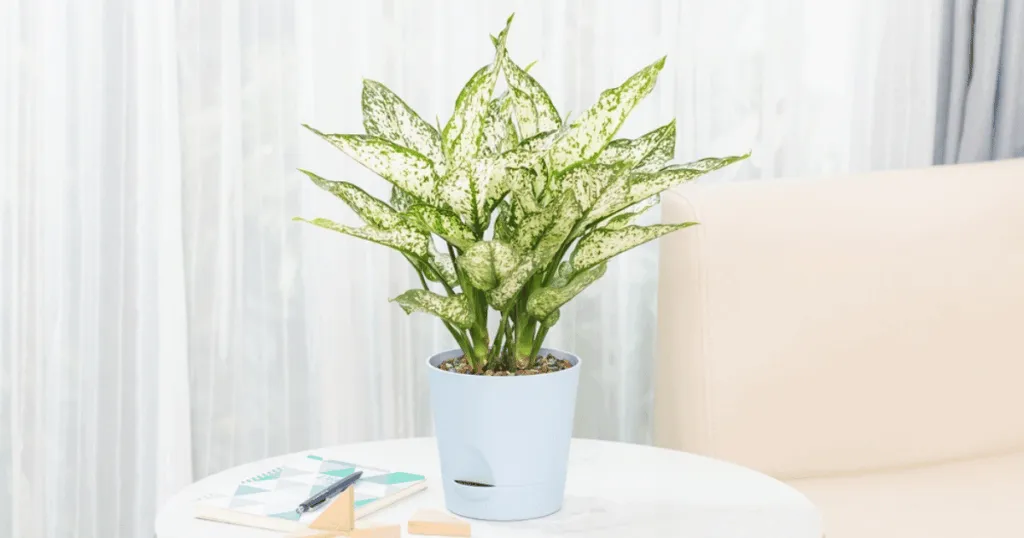
The Chinese Evergreen, or Aglaonema, offers a bit more visual interest than solid green plants, as many cultivars feature silver, white, or red variegation. While it prefers medium light to maintain its brightest colors, it is remarkably tolerant of lower-light office conditions. It is a sturdy, bushy plant that fills out a desk space well. Keep in mind that it prefers slightly more consistent moisture than the Snake Plant, but it still dislikes being waterlogged. It is an excellent choice for adding a splash of color to a monochrome office environment.
Parlor Palm
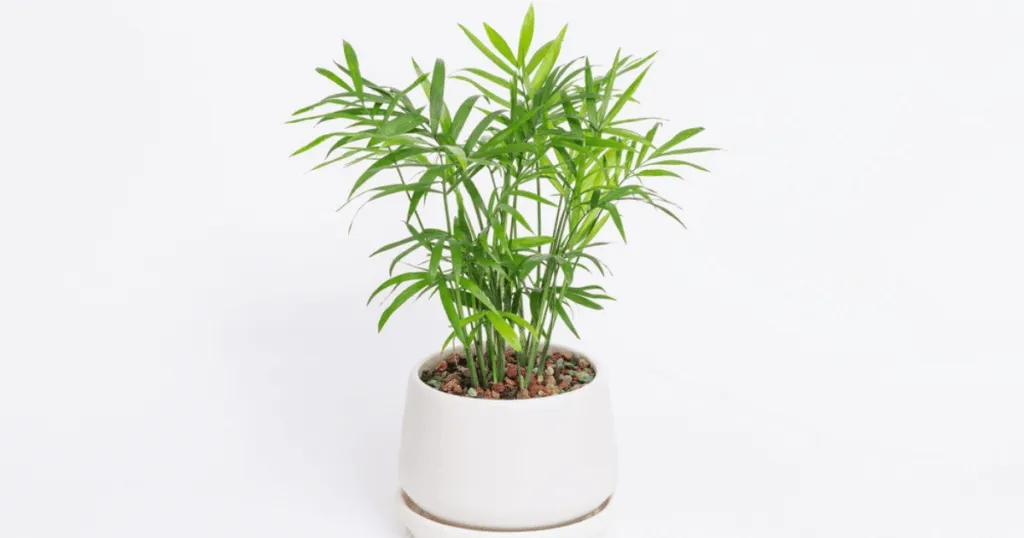
If you need a touch of greenery that feels more like a small tree, the Parlor Palm is the best choice for low-light offices. It is one of the few palms that actually prefers shade and will burn if placed in direct sunlight. It adds a soft, feathery texture to a room and is non-toxic. It is a slower grower, which is an advantage in an office where you don’t want a plant to suddenly take over a shared meeting space. It thrives in average room humidity, making it well-suited for the typical office climate.
Bird’s Nest Fern
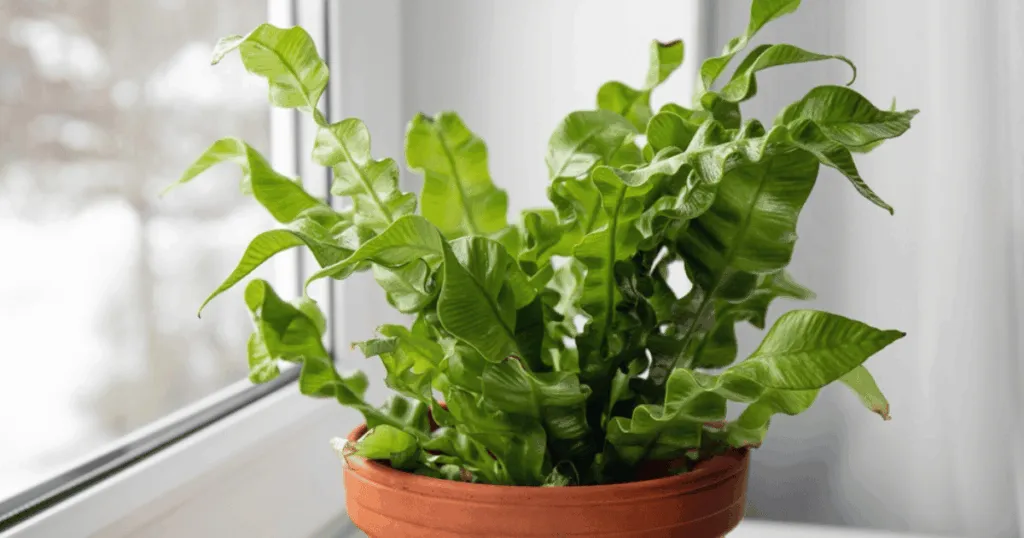
For a unique, sculptural look, the Bird’s Nest Fern works well in lower-light conditions where other ferns might fail. It has broad, wavy fronds that grow from a central rosette. It is more compact than the Boston Fern and significantly more tolerant of the dry air found in climate-controlled offices. It is a non-toxic plant, making it a safe choice for shared desks or reception counters. Ensure the center of the rosette is kept free of water to prevent decay, as this is a common issue with this specific species.
Syngonium
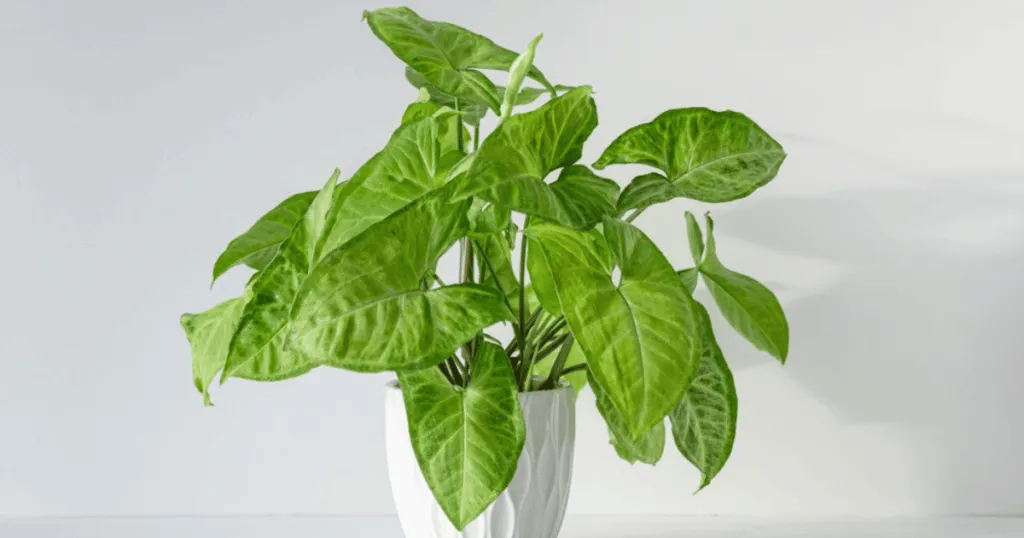
Also known as the Arrowhead Plant, the Syngonium is a versatile choice that can grow as a bushy plant or a trailing vine. It is very tolerant of the lower light levels found in interior offices. One of the most interesting aspects of this plant is how its leaf shape changes as it matures, moving from an arrowhead shape to a more lobed, complex leaf. It is an easy-care plant that thrives in standard office temperatures. It is a great option for those who want a plant that feels dynamic and changes over time.
Placement and Use-Case Breakdowns
Strategic placement is just as important as the plant choice itself. In an office with little natural light, you should aim to place your plants in areas where they can capture whatever ambient light is available. Reception desks are often the brightest spots in an office, making them suitable for plants that might need a bit more energy, like the Chinese Evergreen. Conversely, interior cubicles or hallways are better suited for the “hardy survivors” like the ZZ Plant or Snake Plant.
Consider the traffic flow of your office. Plants with long, trailing vines like the Pothos should be placed on high shelves or hanging planters where they won’t be brushed against or damaged by people walking by. Sturdier, upright plants like the Cast Iron Plant are better suited for floor placement in corners where they can provide a visual anchor without obstructing movement. Always ensure that your plants are not placed directly in the path of HVAC vents, as the constant stream of hot or cold air can cause rapid dehydration and leaf drop, regardless of how much light the plant is receiving.
Limitations and Trade-offs
It is important to manage expectations when working with low-light plants. Even the best plants for office with little natural light will not grow as quickly or as lushly as they would in a greenhouse or a sun-drenched home. You may notice that variegated plants lose some of their color and turn a solid, deep green; this is a natural response as the plant tries to maximize its chlorophyll production to capture more light. You should also expect a slower rate of new leaf production.
If you notice a plant is losing leaves at the bottom, it is often a sign that it is not getting enough light to support its current size, and you may need to move it to a slightly brighter spot or prune it back to encourage a more compact shape.
Another trade-off is the risk of pests. In dry, low-light environments, plants can become more susceptible to infestations if they are already stressed. Regularly wiping down leaves with a damp cloth not only keeps them looking professional but also removes dust that can block light and helps you spot potential pest issues early. If you are choosing a plant for a high-traffic area, prioritize those that are non-toxic to ensure that you are not creating a safety hazard for employees or visitors who might handle the plants.
A Note on Maintenance
We generally recommend establishing a consistent, low-frequency watering schedule rather than watering on a whim. Most of the plants listed here prefer to dry out between waterings. A common mistake is watering on a set calendar day, such as every Monday, regardless of whether the soil is still damp. Instead, check the soil moisture by inserting a finger or a wooden dowel two inches into the potting mix. If it comes out damp, wait a few more days.
This simple check prevents root rot, which is the most common cause of failure for office plants. Remember that in an office, the environment is often more stable than at home, meaning your plants will likely follow a very predictable water-consumption cycle.
Expanding Your Greenery: Additional Low-Light Options
Beyond the primary list, there are other species that can handle the rigors of office life. The Dracaena genus, for example, offers many varieties that are highly tolerant of low light, though they can be sensitive to fluoride in tap water. If you notice brown tips on your Dracaena, consider switching to filtered water.
Another excellent choice is the Peace Lily, which is famous for its ability to “tell” you when it needs water by drooping its leaves. While it prefers higher humidity, it can often adapt to office environments if placed away from direct drafts. For those looking for a small desk plant, the Peperomia is a fantastic, non-toxic option that comes in many leaf textures and is very forgiving of occasional neglect.
When integrating these plants into your office design, consider the aesthetic impact. Using uniform containers can make a collection of different plants look like a cohesive design element rather than a random assortment. Ensure that all containers have drainage holes, as excess water sitting at the bottom of a pot is the fastest way to kill a plant in a low-light environment. If you are using decorative cachepots without holes, keep the plant in its nursery plastic pot and remove it for watering, allowing it to drain completely before returning it to the decorative container. This simple practice significantly reduces the risk of root rot and ensures long-term plant health.
FAQ
Can I keep plants in a windowless office?
Yes, but you must choose species that are highly shade-tolerant, such as the ZZ Plant or Snake Plant. These plants can survive on standard office fluorescent or LED lighting, though they will grow very slowly.
How do I know if my office plant is getting enough light?
Watch for signs of stress like leggy growth (stems stretching toward the light) or yellowing leaves. If a plant stops producing new leaves or begins to lose its variegation, it is likely struggling with the low light levels.
Are these low-light plants safe for office pets?
It depends on the species. Plants like the Parlor Palm, Cast Iron Plant, and Pothos have different toxicity profiles. Always check the specific plant’s toxicity before placing it in an area accessible to pets.
Should I use fertilizer in a low-light office?
Use fertilizer sparingly. Because low-light plants grow slowly, they require fewer nutrients. Fertilizing too often can lead to a buildup of salts in the soil, which can damage the roots, especially in plants that are not actively growing.