Affiliate Disclosure: As an Amazon Associate, I earn from qualifying purchases.
When selecting greenery for a healthcare environment, the criteria shift significantly from standard office decor. The primary disqualifier for any plant in a medical office is the potential for pathogen growth. Traditional potting soil can harbor mold spores or bacteria, which poses a risk to immunocompromised patients. Consequently, plants that require high humidity or constant damp soil are generally unsuitable, as they encourage fungal development in stagnant air.
Beyond biological risks, physical safety is paramount. Plants with sharp, serrated leaves or those that produce toxic sap can cause injury or allergic reactions. Furthermore, strong-scented flowering plants are often inappropriate in waiting areas where patients may suffer from respiratory sensitivities or chemical sensitivities. Finally, any plant that drops significant debris—such as dead leaves or spent blooms—creates a housekeeping burden and a potential slip hazard, making high-maintenance, shedding species poor candidates for busy clinical corridors.
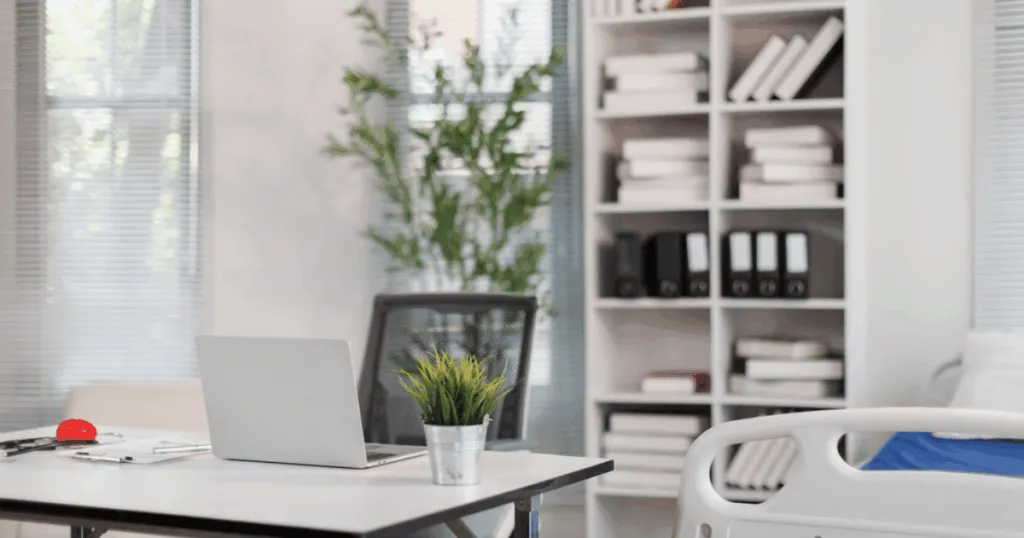
Criteria for Medical Office Greenery
The best plants for medical office spaces must bridge the gap between biophilic design and clinical hygiene. A successful selection is one that thrives on a predictable, low-maintenance schedule, as medical staff rarely have time for complex horticultural care. We prioritize plants that are structurally stable, meaning they won’t topple easily, and those that can survive the specific light conditions of a medical suite, which often relies heavily on fluorescent or LED overhead lighting rather than natural sunlight.
Watering requirements are another critical factor. Because medical offices are typically kept at a constant, dry temperature to maintain hygiene standards, plants must be drought-tolerant. We look for varieties that can go through a weekend or a holiday break without needing attention. Additionally, the choice of substrate is vital; moving away from traditional peat-based soil toward inorganic media like LECA (Lightweight Expanded Clay Aggregate) or high-quality hydroponic setups can significantly reduce the risk of mold and pest infestations, making these systems the gold standard for clinical environments.
Curated Selections of Best Plants for Medical Office
Snake Plant (Dracaena trifasciata)
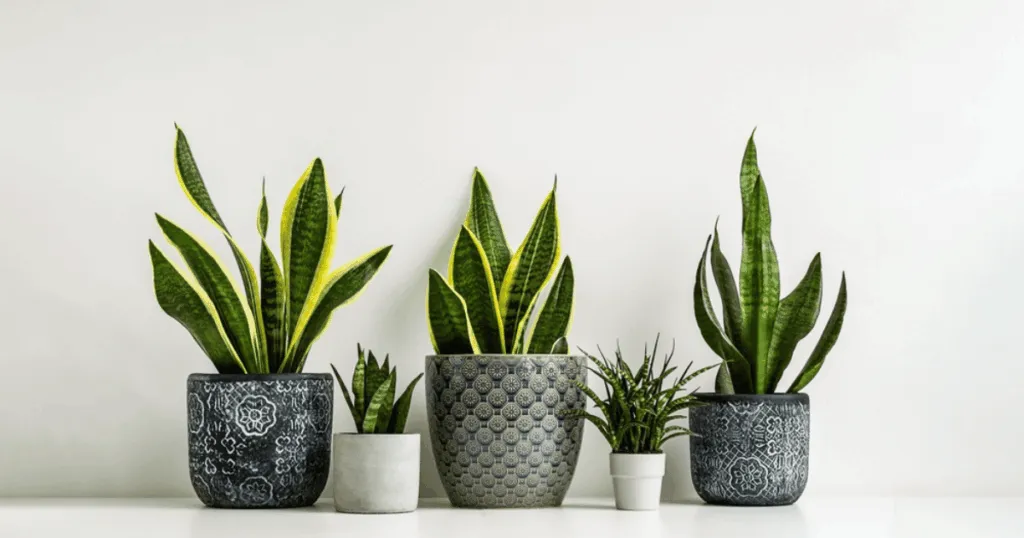
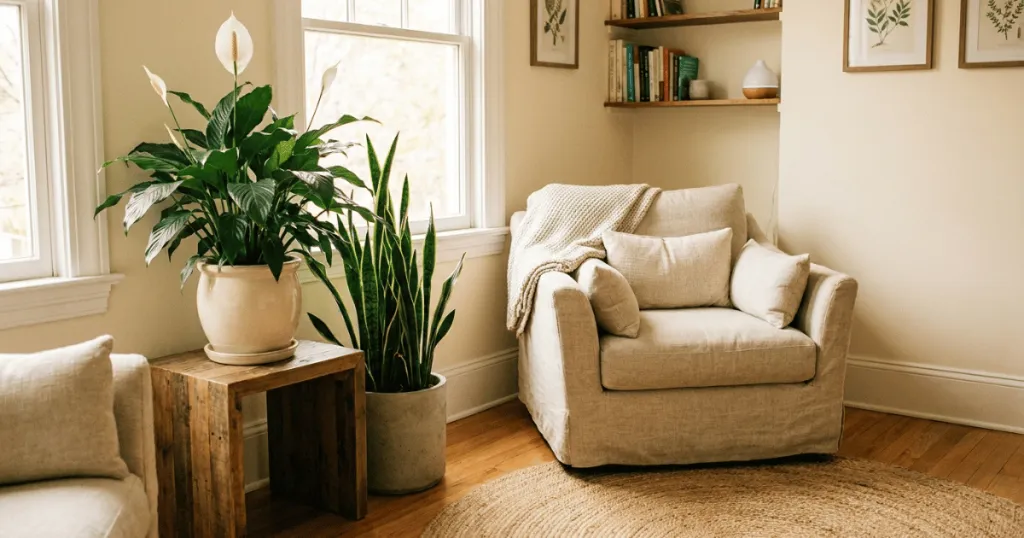
The Snake Plant is a top contender for medical offices due to its extreme resilience and upright growth habit. It occupies a small footprint, making it ideal for reception desks or narrow hallways. Because it requires very little water and thrives in low-light conditions, it is a low-effort addition that remains visually crisp for long periods without shedding. In practice, its vertical structure minimizes the surface area where dust can accumulate, which is a major advantage for infection control protocols.
ZZ Plant (Zamioculcas zamiifolia)
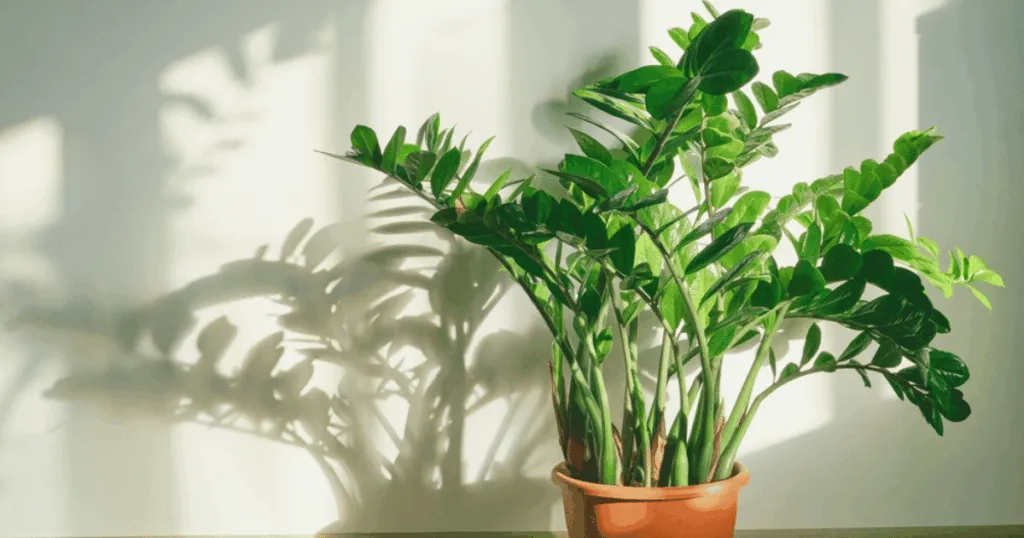
For areas with minimal natural light, the ZZ Plant is an exceptional choice. It is remarkably drought-tolerant, storing water in its rhizomes, which allows it to handle the dry air of an HVAC-controlled medical facility with ease. Its waxy, dark green leaves are easy to wipe down, ensuring they remain dust-free and aesthetically pleasing in a professional setting. Because it grows slowly, it does not require frequent repotting, which minimizes the risk of soil-related messes in clinical zones.
Cast Iron Plant (Aspidistra elatior)
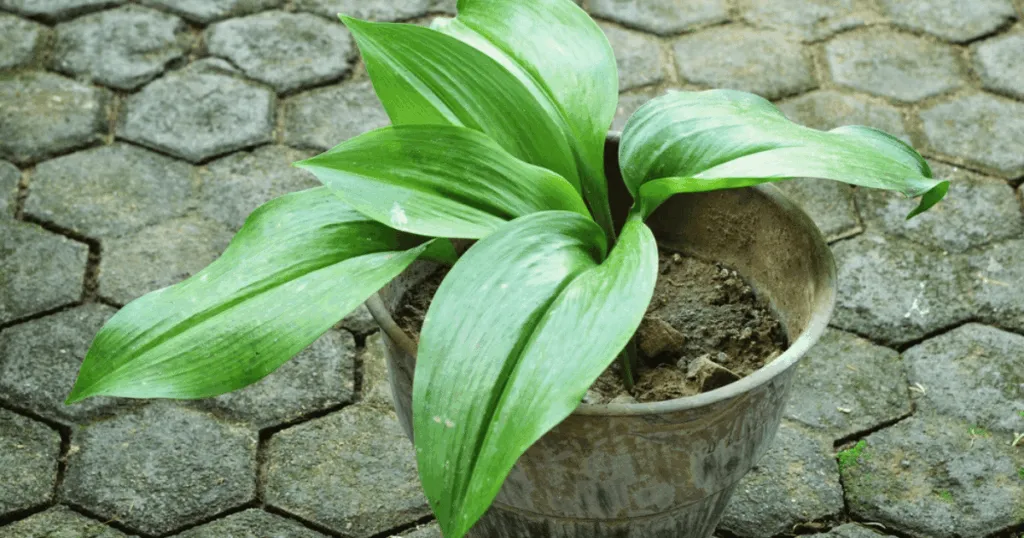
True to its name, the Cast Iron Plant is nearly indestructible. It is an excellent choice for waiting rooms where it might be bumped or overlooked. It handles temperature fluctuations better than most indoor plants and does not require high humidity, making it a reliable, long-term fixture for clinical spaces that lack optimal growing conditions. Its broad, dark leaves provide a calming, lush look without the need for constant grooming.
Pothos (Epipremnum aureum)
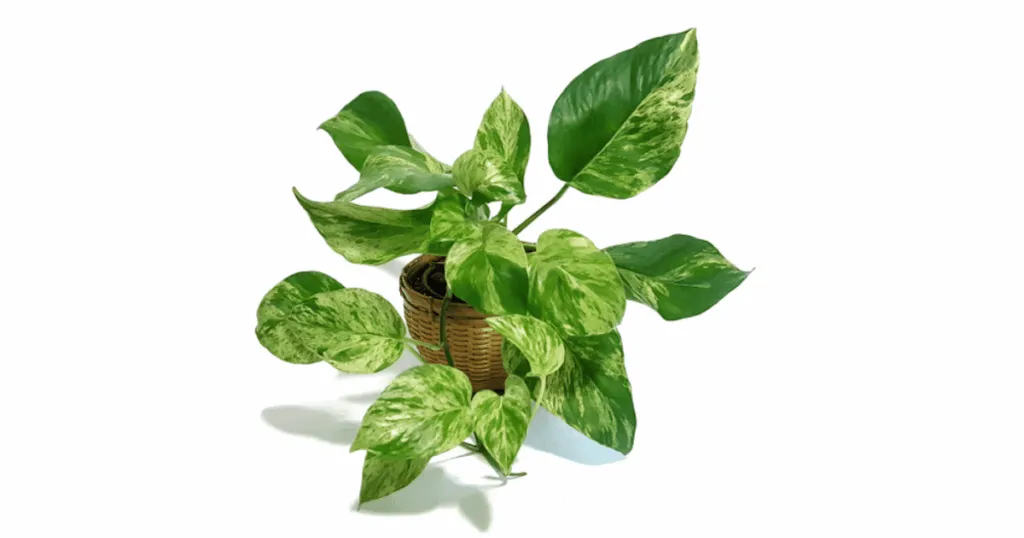
If you need a trailing plant for a high shelf or a reception partition, Pothos is a reliable, fast-growing option. It is highly adaptable to artificial lighting and signals its water needs clearly by drooping slightly. In a medical office, ensure it is placed out of reach of patients, as its leaves can be irritating if ingested, though it remains one of the most effective air-filtering choices for indoor environments. Use it in areas where it can be safely mounted away from patient contact points.
Strategic Placement and Use Cases
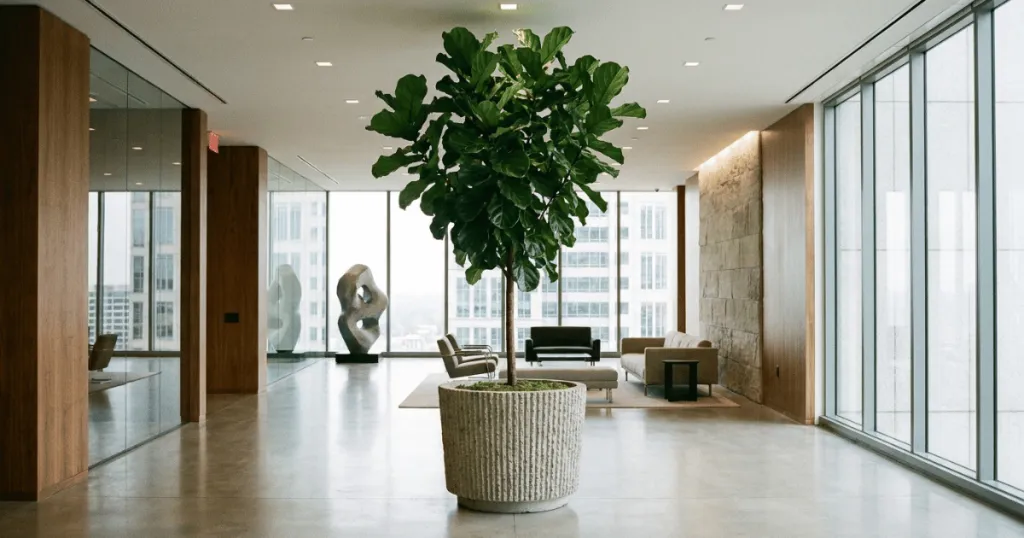
Placement in a medical office requires balancing patient flow with plant health. Reception areas are high-visibility zones where a single, well-maintained specimen like a large Snake Plant can provide a welcoming, calming effect without obstructing the workflow. In these areas, ensure the plant is placed in a heavy, stable container that cannot be easily tipped over by a patient or a rolling cart. Consider using weighted decorative pots to prevent accidental tipping in high-traffic corridors.
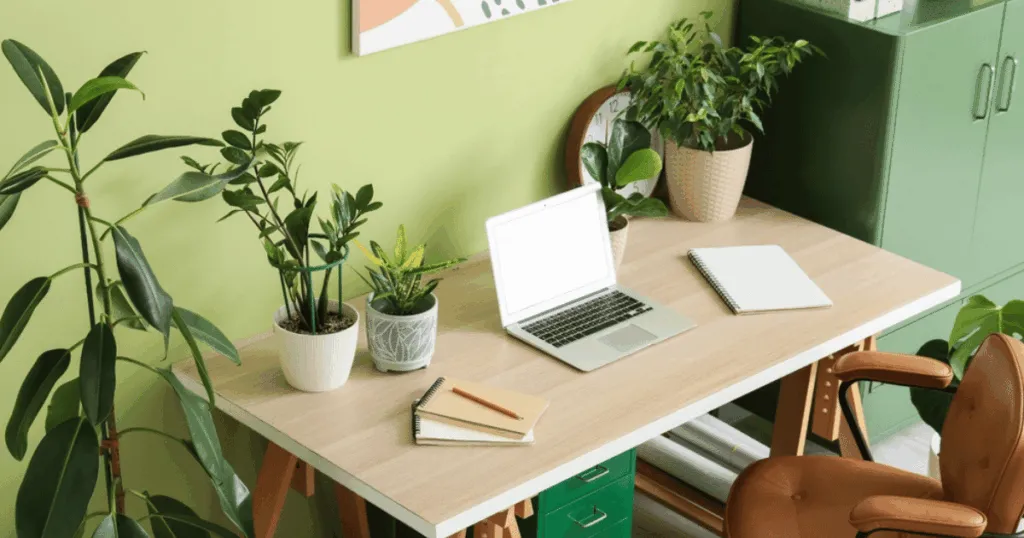
For consultation rooms or private offices, smaller, desk-top plants can provide a sense of visual relief. However, avoid placing plants directly on surfaces where medical instruments are staged. Instead, utilize wall-mounted planters or floor-standing units that keep the plant separate from the clinical workspace. This separation ensures that the plant does not interfere with sterilization protocols or the daily cleaning of surfaces. In waiting rooms, consider grouping plants in corners or along walls to create natural partitions. This can help define spaces and reduce the feeling of a crowded room. Always ensure that the placement does not block emergency exits or signage.
The Role of Substrate in Clinical Safety
The choice of growing medium is arguably the most important decision for a medical office manager. Traditional soil is a biological variable that introduces unnecessary risk. By switching to hydroponic systems or inorganic substrates, you eliminate the primary habitat for fungus gnats and mold. Sub-surface irrigation systems are particularly useful here; they allow for precise water delivery directly to the roots, preventing surface moisture that leads to bacterial growth. This approach aligns with broader facility management goals, as it reduces the frequency of manual watering and the potential for spills.
Limitations and Trade-offs
Even the most robust plants have limitations in a medical setting. The primary trade-off is the need for consistent, albeit infrequent, maintenance. Even the most drought-tolerant plant will eventually require cleaning, pruning, or repotting. If your office lacks a designated person to handle these tasks, consider a professional interior landscaping service. These services can ensure that plants are rotated, cleaned, and kept in peak health without placing the burden on medical staff.
Another consideration is the use of fertilizers and pesticides. In a medical environment, the use of chemical fertilizers or sprays should be avoided entirely to maintain air quality. Opt for slow-release, odorless, and organic options if feeding is necessary, though most of the plants recommended here require very little supplemental nutrition. If a plant shows signs of pest infestation, the most practical approach is to remove it from the office immediately rather than attempting to treat it on-site, as this prevents the spread of pests to other areas of the facility.
Clinical Hygiene and Maintenance
Maintaining a healthy indoor environment requires a proactive approach to plant care. Regularly inspect leaves for dust accumulation, as this can harbor allergens. A simple damp cloth is usually sufficient for cleaning. If you notice any signs of yellowing or decay, remove those leaves promptly to prevent the spread of mold. By keeping the plant clean and removing debris, you contribute to a cleaner, more professional atmosphere. Remember that the best plants for medical office use are those that look as clean and orderly as the rest of the facility. Establish a weekly checklist for staff to perform a quick visual inspection of all greenery, focusing on leaf health and container stability.
A Note on Professional Standards
While this information is intended to guide you toward the most suitable greenery for your medical office, it is not a substitute for facility-specific health and safety protocols. Always check your local healthcare facility guidelines regarding the use of live plants in patient-care areas. Some clinics may have specific restrictions on the type of media used or the total number of plants allowed in high-risk zones. When in doubt, prioritize the safety and comfort of your patients above the aesthetic benefits of indoor plants. By adhering to these standards, you can successfully integrate biophilic design into your practice without compromising the clinical integrity of the environment.
FAQ
Can I use real soil in a medical office?
It is generally discouraged. Traditional soil can harbor mold and bacteria. We recommend using inorganic substrates like LECA or hydroponic systems to maintain the best plants for medical office environments while ensuring clinical hygiene.
How often should I clean the plants in my office?
Wipe leaves with a damp cloth every two to four weeks to prevent dust buildup. This keeps the plants looking professional and ensures they do not become a source of allergens in your medical office.
Are there plants that actually improve air quality in a clinic?
While plants like the Snake Plant and Pothos are known for their air-purifying properties, their impact in a large, ventilated medical office is limited. Focus on their aesthetic and psychological benefits for patients and staff.
What should I do if a plant starts to look unhealthy?
In a medical office, the best practice is to remove the plant from the clinical area immediately. Attempting to nurse a sick plant back to health can introduce pests or mold, which is unacceptable in a healthcare setting.