Affiliate Disclosure: As an Amazon Associate, I earn from qualifying purchases.
Selecting the best oxygen plants for office desk environments requires moving past common gardening myths. In an office, you are not dealing with a greenhouse; you are managing a controlled climate defined by HVAC air circulation, minimal natural light, and the reality of weekend neglect. While all plants perform photosynthesis, certain species are particularly adept at thriving in the specific constraints of a cubicle or shared workspace, providing a sense of vitality and improved air circulation without demanding the attention of a full-time horticulturist.
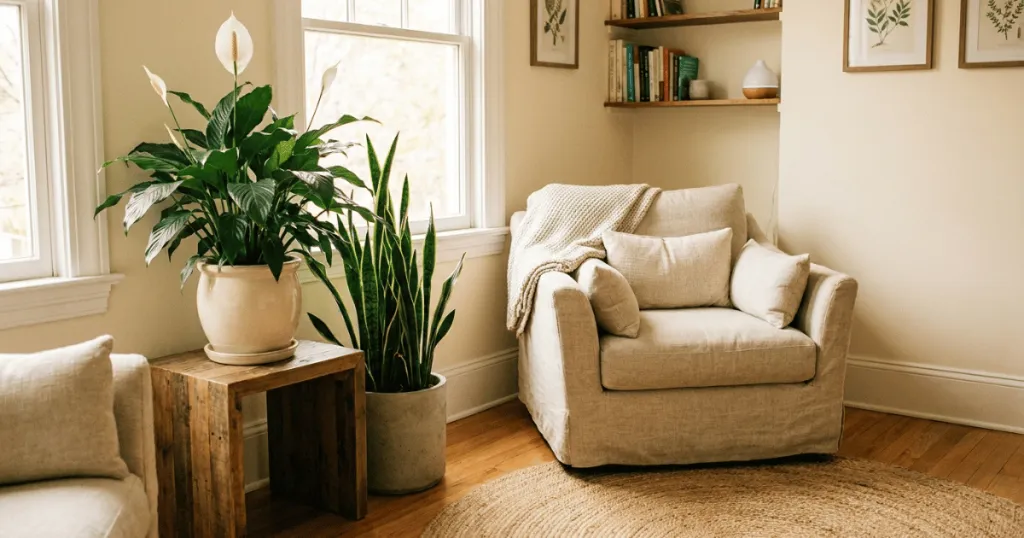
- Snake Plants thrive in low light and irregular watering schedules.
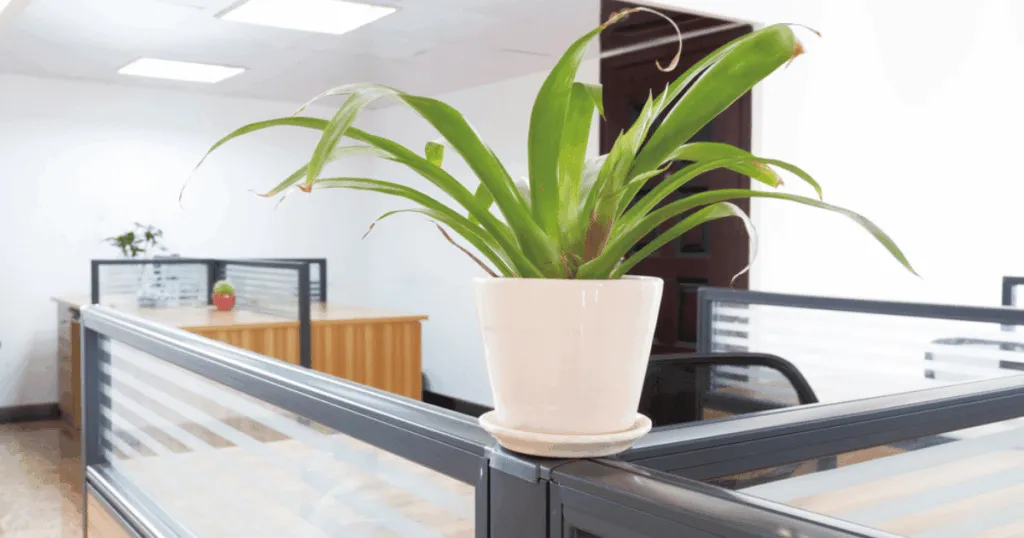
- Spider Plants are resilient, fast-growing, and safe for most offices.
- Pothos varieties offer trailing foliage that tolerates fluorescent office lighting.
- ZZ Plants handle neglect well, making them ideal for long weekends.
- Peace Lilies provide visual signals when they require immediate hydration.
The goal is to choose plants that function as reliable office companions rather than high-maintenance projects. When evaluating candidates, prioritize resilience over aesthetic trends. A plant that wilts after two days of a weekend break is a distraction, not an asset. The following selections focus on species that maintain their structural integrity and physiological function under artificial lighting, ensuring they remain a practical addition to your professional space.
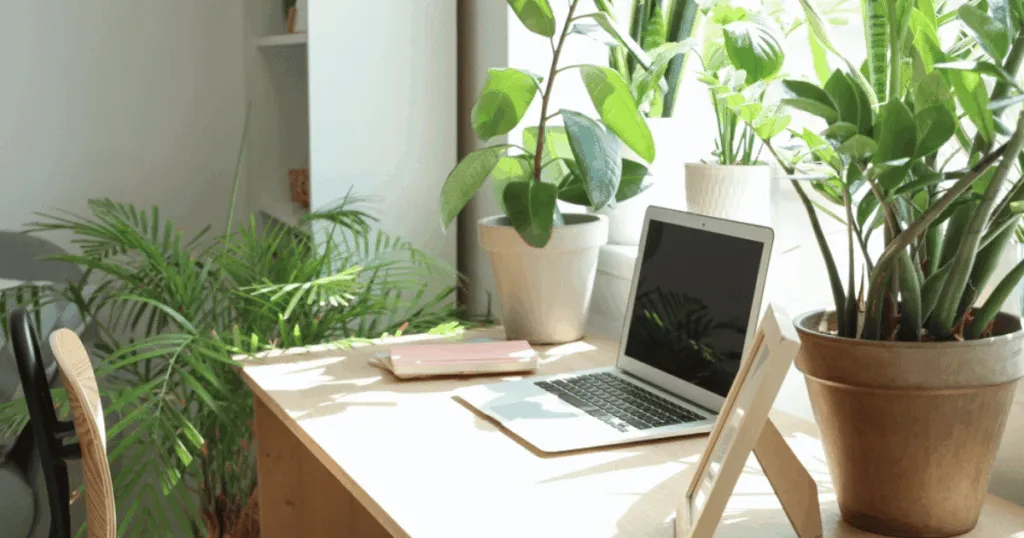
Criteria for Selecting Office-Ready Oxygen Plants
To identify the best oxygen plants for office desk placement, we must look at how plants adapt to indoor office stressors. Most office environments feature low-humidity air due to central heating and cooling, which can desiccate sensitive foliage. Furthermore, the light spectrum provided by standard LED or fluorescent fixtures is often insufficient for plants that require high solar exposure. Consequently, the ideal office plant must possess a high degree of photosynthetic efficiency in low-light conditions and a robust root system capable of storing moisture during periods of office closure.
Maintenance requirements are the primary filter. A plant that requires daily misting or precise temperature control is unsuitable for a desk. We prioritize species with low transpiration rates, which helps them retain moisture longer. Additionally, consider the physical footprint of the plant. A desk is a workspace first, and a plant should complement your workflow, not obstruct it. Compact, upright growers or trailing varieties that can be elevated on a shelf are generally superior to wide, bushy species that dominate desk real estate.
Top Selections for Best Oxygen Plants for Office Desk
Snake Plant (Dracaena trifasciata)
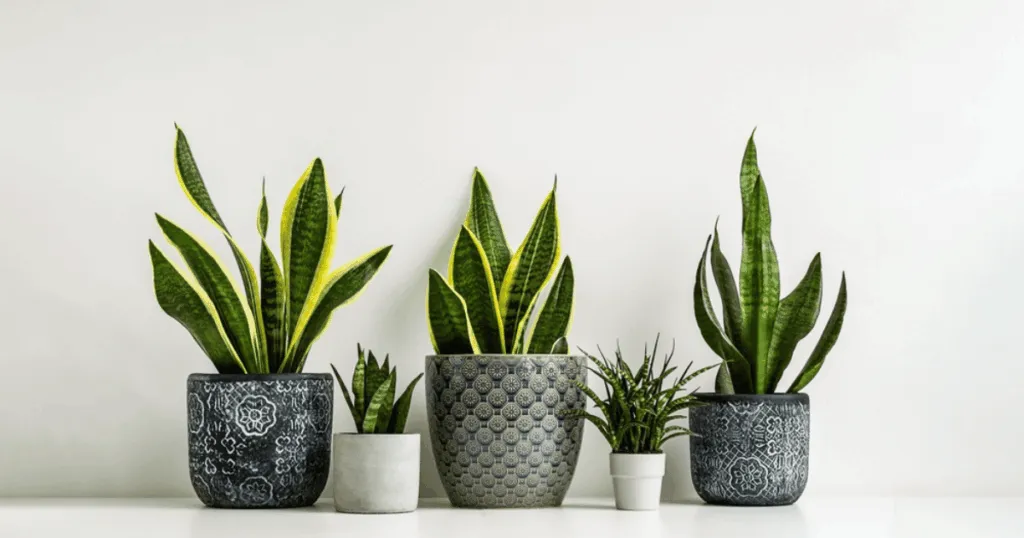
The Snake Plant is arguably the most reliable choice for a desk. Its thick, succulent-like leaves store water efficiently, allowing it to survive long periods without hydration. It is exceptionally tolerant of the low-light conditions typical of interior offices, making it a staple for windowless cubicles. Because it grows vertically, it occupies minimal surface area while providing a significant presence.
Spider Plant (Chlorophytum comosum)
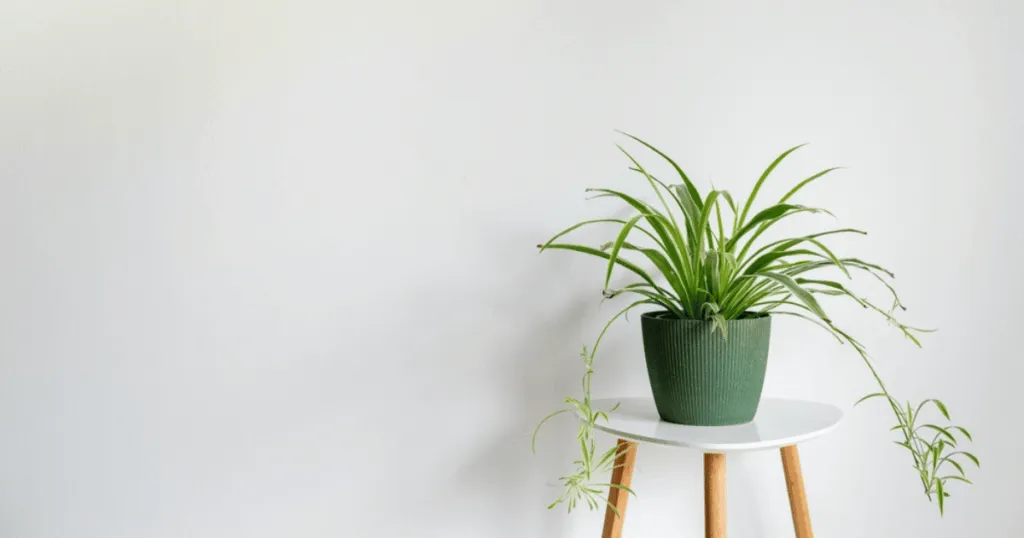
Spider Plants are known for their adaptability. They produce “pups” or offshoots that can be easily propagated, which is a useful feature if you want to expand your office greenery over time. They are forgiving of inconsistent watering and perform well in standard office temperatures, typically ranging between 65 and 75 degrees Fahrenheit.
Golden Pothos (Epipremnum aureum)
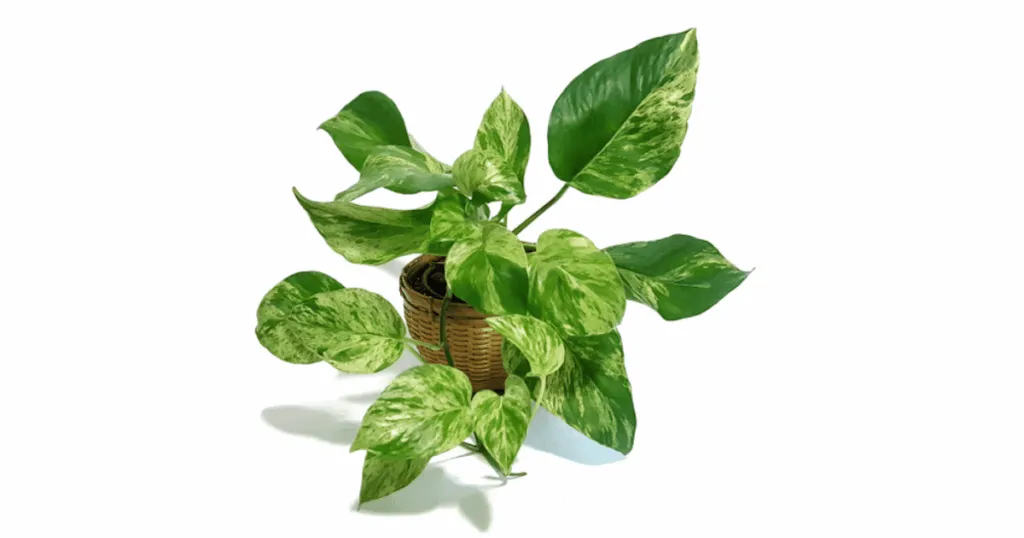
If you prefer a trailing aesthetic, the Pothos is unmatched. It is highly resistant to pests and can thrive in a wide range of lighting conditions, from dim corners to brighter spots near a window. Its ability to signal thirst—the leaves will droop slightly when it needs water—makes it an excellent entry-level plant for busy office managers.
ZZ Plant (Zamioculcas zamiifolia)
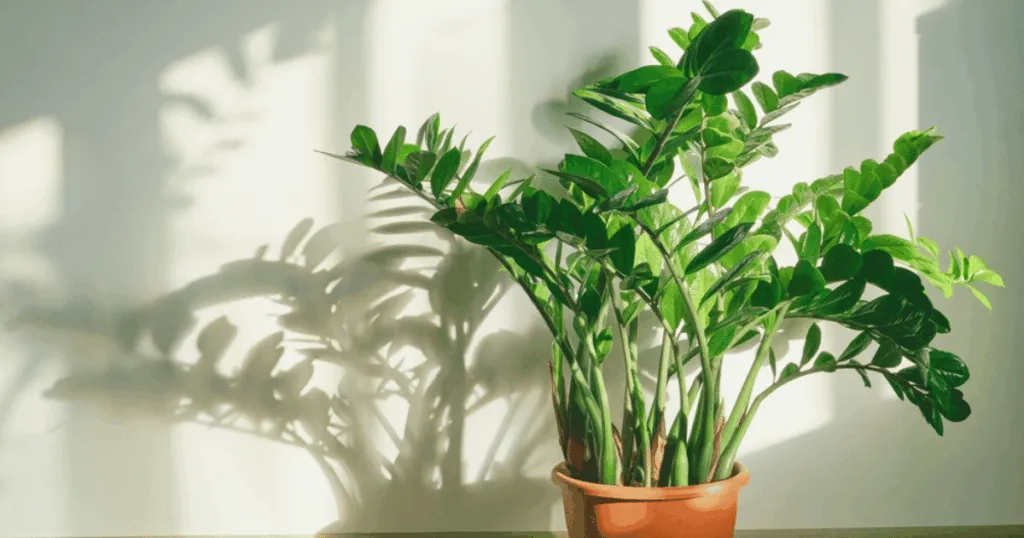
The ZZ plant is the ultimate “set it and forget it” option. Its rhizomes store water, allowing it to withstand significant drought. It is particularly well-suited for offices with very limited natural light, as it maintains its deep green, waxy foliage even in deep shade. It is a slow grower, meaning you won’t need to worry about frequent repotting.
Peace Lily (Spathiphyllum)
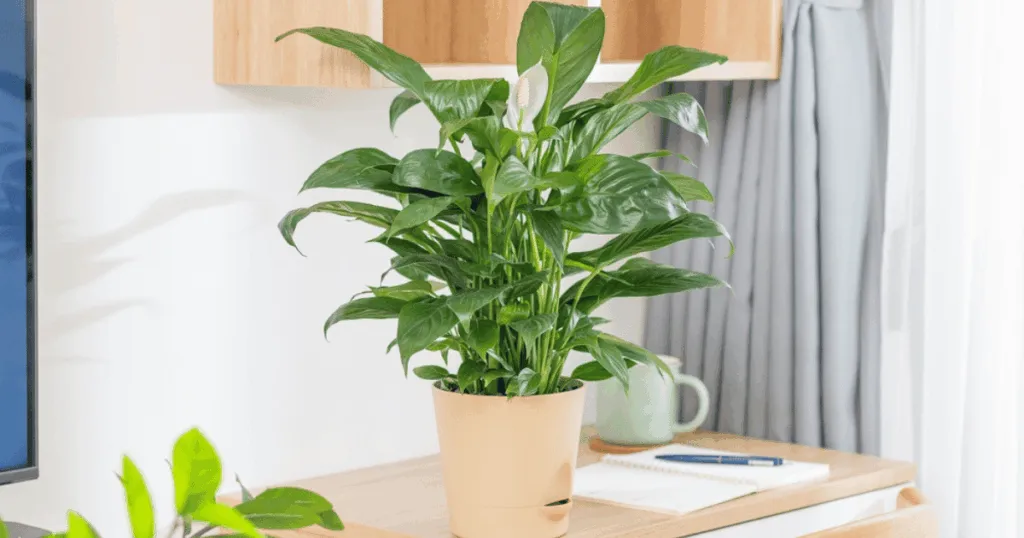
For those who prefer a flowering plant, the Peace Lily is a classic. While it requires slightly more water than the others on this list, it is incredibly communicative. It will visibly wilt when it is dry, effectively telling you exactly when it needs attention. It prefers consistent, indirect light and can help soften the harsh lines of office furniture.
Chinese Evergreen (Aglaonema)
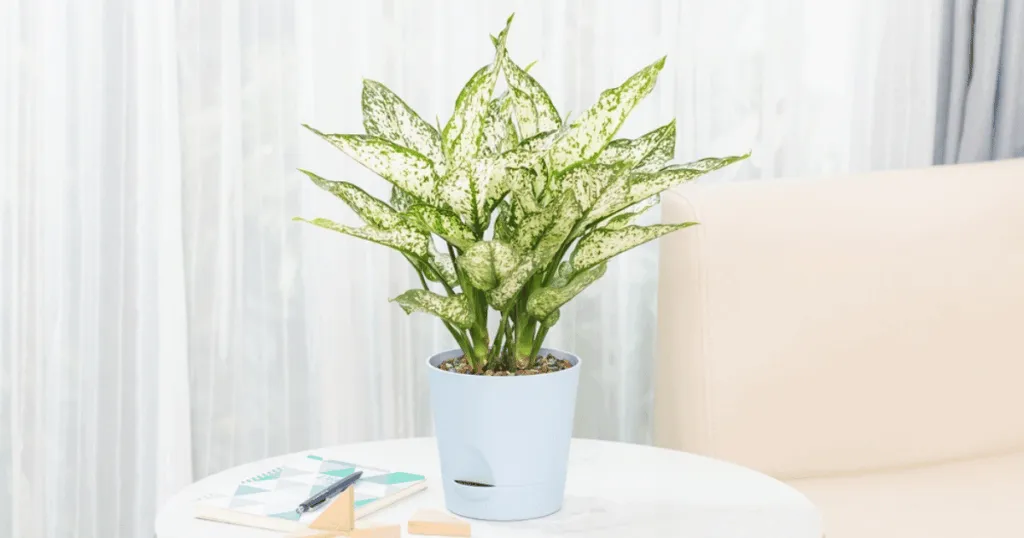
Chinese Evergreens offer a variety of leaf patterns and colors that can brighten a dull office aesthetic. They are slow-growing and tolerate low light well. They prefer to dry out slightly between waterings, which aligns perfectly with the typical office schedule where plants might be ignored for a few days.
Parlor Palm (Chamaedorea elegans)
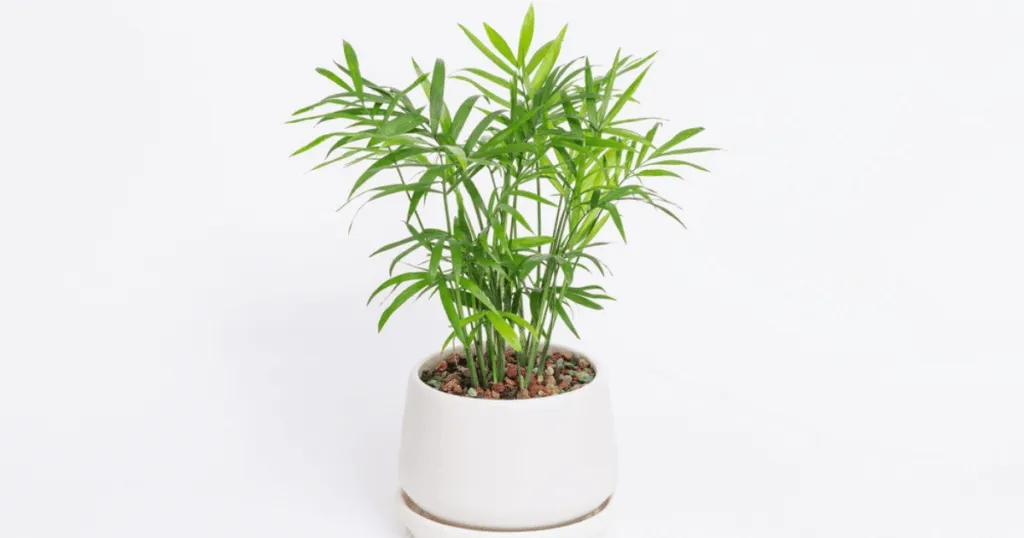
If you want to introduce a touch of height and texture to your desk, the Parlor Palm is a sophisticated choice. Unlike many other palms, this species is specifically adapted to low-light indoor environments. It is a slow grower that remains compact for years, making it ideal for a desk corner.
Strategic Placement and Environmental Management
Placement is as critical as the plant selection itself. Avoid placing any plant directly in the path of an HVAC vent, as the constant stream of forced air—whether hot or cold—will cause rapid moisture loss and leaf tip browning. Even the most resilient plants struggle with the constant buffeting of air currents.
Lighting should be assessed based on the distance from the nearest light source. If your desk is in a windowless room, ensure your plant is close enough to an overhead LED fixture to receive consistent light. If you find your plant is stretching or leaning aggressively toward a light source, it is a sign that it needs to be moved closer to the source or that the current light intensity is insufficient. Rotate your plants periodically to ensure even growth on all sides, preventing the plant from becoming lopsided.
Deep Dive: Physiological Adaptations for the Office
Understanding why these specific plants work involves looking at their evolutionary history. Many of these species originate from the forest floor, where they evolved to capture filtered light beneath a canopy. This makes them naturally suited for the “canyon” effect of modern office cubicles. Their ability to perform CAM photosynthesis—a process where plants open their stomata at night to minimize water loss—is a key trait for those surviving in dry, air-conditioned environments. This physiological efficiency means they are not just decorative; they are biological machines optimized for low-resource survival.
Managing Desk Real Estate and Workflow
A common mistake in office plant selection is choosing a plant that grows too rapidly or too wide. For a desk, consider the “verticality” of the plant. Snake Plants and ZZ Plants are excellent because they grow upward rather than outward. If you have limited desk space, consider using a hanging planter or a small shelf mount for trailing plants like Pothos. This clears your primary workspace for documents and hardware while still allowing you to enjoy the benefits of greenery. Always ensure that your chosen container has adequate drainage holes to prevent root rot, which is the leading cause of death for office plants.
Addressing Common Office Plant Myths
There is a persistent myth that office plants can significantly filter air pollutants in a standard office setting. While laboratory studies have shown that plants can remove volatile organic compounds (VOCs), the volume of air in an office is too large for a few desk plants to make a measurable difference. Instead, focus on the psychological benefits. The presence of nature in a sterile, high-stress environment has been shown to reduce cortisol levels and improve focus. Treat your desk plant as a wellness tool for your mental state rather than a high-tech air filtration system.
Trade-offs and Considerations
While adding greenery to a desk is beneficial, it is important to acknowledge the limitations. No plant can replace proper ventilation or air filtration systems. The oxygen output of a single desk plant is minimal compared to the volume of air in a typical office. The primary benefit of these plants is psychological and aesthetic, contributing to a more pleasant work environment rather than significantly altering the chemical composition of the room’s air.
Furthermore, consider the potential for mess. Plants in pots require soil, which can spill, and they require water, which can leak. Always use a saucer under your pot to protect desk surfaces from water damage. If you are in a shared space, be mindful of colleagues who may have allergies or sensitivities to specific plant types or the soil medium itself. A clean, well-maintained plant is a professional asset; a neglected, dying plant can detract from the overall appearance of your workspace.
A Note on Maintenance and Care
Maintaining these plants is straightforward if you follow a consistent routine. Avoid the common mistake of overwatering, which is the leading cause of plant failure in office settings. Most of these plants prefer their soil to dry out significantly between waterings. If you are unsure, use the finger test: insert your finger an inch into the soil; if it feels dry, water it. If it feels damp, wait a few more days. By keeping your care routine simple and observant, you ensure your desk plants remain healthy and vibrant for years to come.
FAQ
How often should I water my office desk plants?
Most office plants, such as Snake Plants and ZZ Plants, prefer to dry out between waterings. Typically, checking the soil once a week is sufficient. If the top inch of soil is dry, provide a moderate amount of water, ensuring the pot has drainage to prevent root rot.
Can these plants survive without natural sunlight?
Yes, many of the best oxygen plants for office desk setups are adapted to low-light conditions. Species like the ZZ Plant, Snake Plant, and Pothos can thrive under standard fluorescent or LED office lighting, provided they are within a reasonable distance of the light source.
Do I need to fertilize my desk plants?
Fertilization is rarely necessary for office plants. Because they are often in low-light conditions, they grow slowly and do not require the high nutrient intake of plants in a greenhouse. A light application of balanced fertilizer once or twice a year is usually more than enough.
What should I do if my plant leaves start turning brown?
Brown tips are often a sign of low humidity or inconsistent watering. In office environments, HVAC systems dry out the air. You can mitigate this by keeping the plant away from direct air vents or occasionally wiping the leaves with a damp cloth to remove dust and improve respiration.