If you are looking for a plant that bridges the gap between striking visual interest and absolute resilience, the Ponytail Palm is often the top recommendation for office environments. It is not a true palm at all, but rather a succulent member of the Asparagaceae family, which explains its unique ability to thrive in conditions that would cause other office plants to wilt. For the busy office manager or the employee seeking a desk companion that does not demand daily attention, this species offers a sculptural, architectural quality that stands out without requiring a green thumb or a complex maintenance schedule.
- Thrives in bright, indirect to direct light.
- Extremely drought-tolerant; water only when soil is bone dry.
- Perfect for dry HVAC environments and inconsistent care schedules.
- Non-toxic to cats and dogs according to ASPCA guidelines.
- Slow-growing, making it ideal for permanent desk or reception placement.
Appearance and Growth Habits
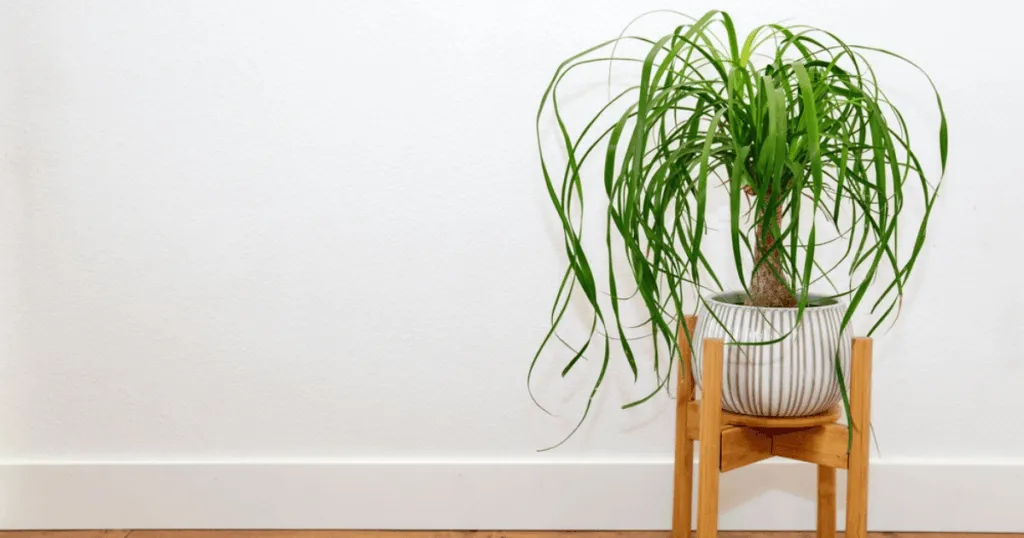
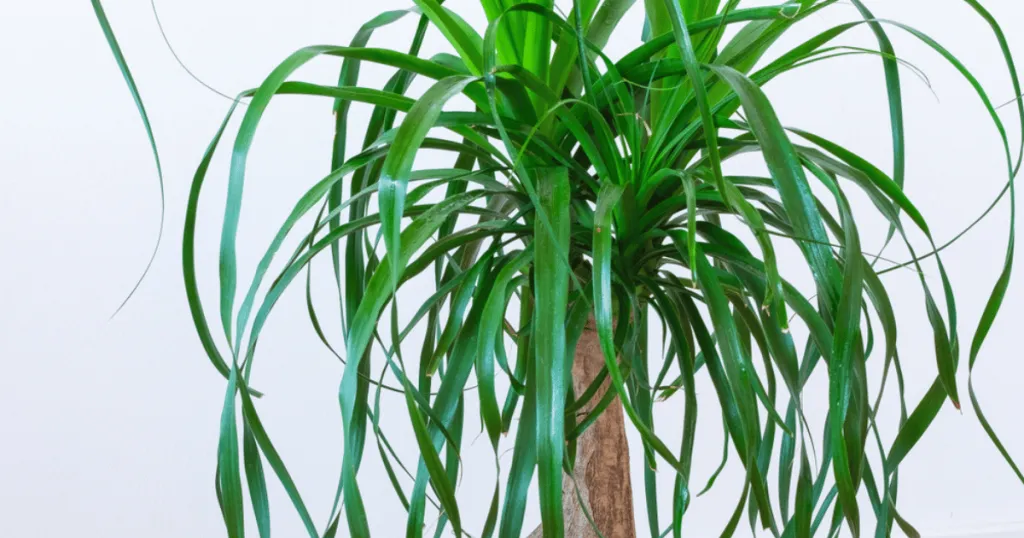
The Ponytail Palm, or Beaucarnea recurvata, is defined by its distinct silhouette. Its most recognizable feature is the swollen, bulbous base of its trunk, known as a caudex. This structure is an evolutionary adaptation designed to store water, allowing the plant to survive extended periods of drought. Above this woody base, thin, leathery, arching leaves cascade downward like a fountain, giving the plant its common name. In an office setting, this growth habit provides a sense of movement and softness that contrasts well with the rigid, linear nature of cubicle walls, filing cabinets, and modern office furniture.
Because it is a slow-growing species, the Ponytail Palm is an excellent long-term investment for a workspace. You will not find yourself needing to prune it back or repot it every few months to keep it from taking over a desk or meeting room. While specimens in their natural habitat can grow quite large, the versions typically found in office settings remain compact for years. This makes them highly predictable; once you find the right spot for one, it will likely remain that size and shape for a long time, providing a consistent aesthetic element for your workspace.
Care Needs at a Glance
The primary reason this plant succeeds in professional settings is its simplicity. Unlike tropical foliage that requires constant misting or precise humidity levels, the Ponytail Palm is perfectly comfortable in the dry, climate-controlled air typical of modern office buildings. It does not suffer from the brown, crispy leaf tips that often plague ferns or peace lilies when office HVAC systems run on high.
Light Requirements
While the Ponytail Palm is forgiving, it performs best when placed in bright, indirect light. It can handle several hours of direct sunlight, which makes it a strong candidate for windowsills or bright corners near glass-walled conference rooms. If your office relies primarily on fluorescent or LED overhead lighting, ensure the plant is placed as close to a window as possible. While it may tolerate lower light levels, its growth will slow significantly, and it may lose some of the vibrant, fountain-like density of its foliage.
Watering Strategy
The cardinal rule for this plant is to let the soil dry out completely between waterings. Because it stores water in its caudex, the most common mistake is overwatering. If the soil remains damp, the roots can quickly succumb to rot. In an office, this makes the Ponytail Palm an ideal candidate for a “less is more” approach. If you are away for a long weekend or even a week-long holiday, this plant will not show signs of stress. When you do water, ensure the pot has proper drainage holes so that excess moisture can escape, preventing the roots from sitting in standing water.
Office Suitability and Placement
The Ponytail Palm fits almost any office role, from a small specimen on a manager’s desk to a larger floor-standing feature in a reception area. Its drought tolerance makes it a reliable choice for shared spaces where watering responsibilities might be unclear or neglected. Because it does not drop leaves frequently, it keeps the surrounding area clean, which is a major advantage for high-traffic zones or client-facing reception desks.
When choosing a location, prioritize light over proximity to water sources. A common mistake is placing the plant in a dark, interior hallway simply because there is space available. While it will survive there for a time, it will not thrive. Instead, look for spots that receive natural light. If you are placing it on a desk, ensure the pot is heavy enough to prevent tipping, as the plant can become top-heavy as it matures. Its sculptural form also makes it an excellent focal point for minimalist office designs, where a single, well-placed plant can provide more visual impact than a cluster of smaller, less interesting greenery.
Toxicity and Safety Considerations
For offices that maintain a pet-friendly policy, safety is a critical factor in plant selection. According to the ASPCA, the Ponytail Palm is considered non-toxic to both cats and dogs. This makes it one of the safest choices for workplaces that allow employees to bring their pets to the office. You do not need to worry about the plant causing gastrointestinal distress or other health issues if a curious pet happens to brush against it or chew on a leaf.
Beyond pet safety, the plant is also generally safe for human interaction. It does not produce irritating sap or sharp, toxic thorns, making it suitable for high-traffic areas where people might accidentally bump into it. While the leaf edges can be slightly rough, they are not sharp enough to cause injury. This combination of safety and low maintenance makes it a versatile, low-risk addition to any corporate or creative office environment.
Care and Troubleshooting Handoff
While the Ponytail Palm is famously easy to care for, every plant eventually faces challenges. If you notice the leaves turning yellow or the trunk feeling soft to the touch, this is almost always a sign that the plant has been receiving too much water. Conversely, if the leaves become extremely brittle or the caudex begins to shrivel significantly, it may be time for a thorough, deep watering. Because this plant is so resilient, it is often possible to correct these issues before they become terminal.
For those who want to master the long-term health of their plant, we recommend consulting our dedicated guides on repotting and soil selection. Using a well-draining, cactus-style potting mix is essential for long-term success, as it prevents the soil from compacting and holding too much moisture. Once you have established a routine that matches your specific office environment—considering your building’s unique light and humidity levels—the Ponytail Palm will likely become the most reliable, hands-off plant in your collection.
Related Ponytail Palm Guides
- how to care for a Ponytail Palm
- common Ponytail Palm problems
FAQ
Does the Ponytail Palm need to be repotted often?
No. In fact, the Ponytail Palm prefers to be slightly root-bound. You only need to repot it every few years when the roots begin to push the plant out of its container or when the soil has completely broken down and no longer drains effectively.
Can the Ponytail Palm survive in a windowless office?
It will not thrive in a windowless office. While it is tolerant of lower light, it requires some natural light to maintain its health. If your office has no windows, you would need to provide a dedicated full-spectrum grow light to keep the plant alive long-term.
Why are the tips of my Ponytail Palm leaves turning brown?
Brown tips are usually caused by either inconsistent watering or low humidity. While the plant handles dry air well, extreme fluctuations in moisture can cause the leaf tips to crisp. Ensure you are watering deeply when the soil is dry, rather than giving it small, frequent sips.