The Prayer Plant is a rewarding office companion for those who can provide consistent moisture and moderate, indirect light.
- Requires consistent soil moisture; never let it dry out completely.
- Thrives in medium indirect light; avoid harsh, direct sun exposure.
- Needs above-average humidity, often requiring a pebble tray or humidifier.
- Non-toxic to cats and dogs, making it a safe workplace choice.
Understanding the Prayer Plant at Work
Many office workers are drawn to the Prayer Plant (Maranta leuconeura) because of its striking, patterned foliage and its unique habit of folding its leaves upward at night. While it is often marketed as a standard desk plant, it is important to recognize that it has specific environmental requirements that differ from the rugged, drought-tolerant species typically found in corporate settings. In an office, this plant is not a ‘set-it-and-forget-it’ option; it is a living feature that responds dynamically to its surroundings.
The plant earns its common name from this nocturnal movement, which is a natural circadian rhythm rather than a sign of stress or illness. In an office, you will see the leaves flatten out during the day to catch available light and fold together like hands in prayer once the evening light fades. This behavior makes it an engaging desk companion, but it also means the plant is sensitive to its environment. It does not tolerate the dry, stagnant air often found in climate-controlled offices as well as more resilient tropicals like Snake Plants or Pothos.
Appearance and Growth Habits
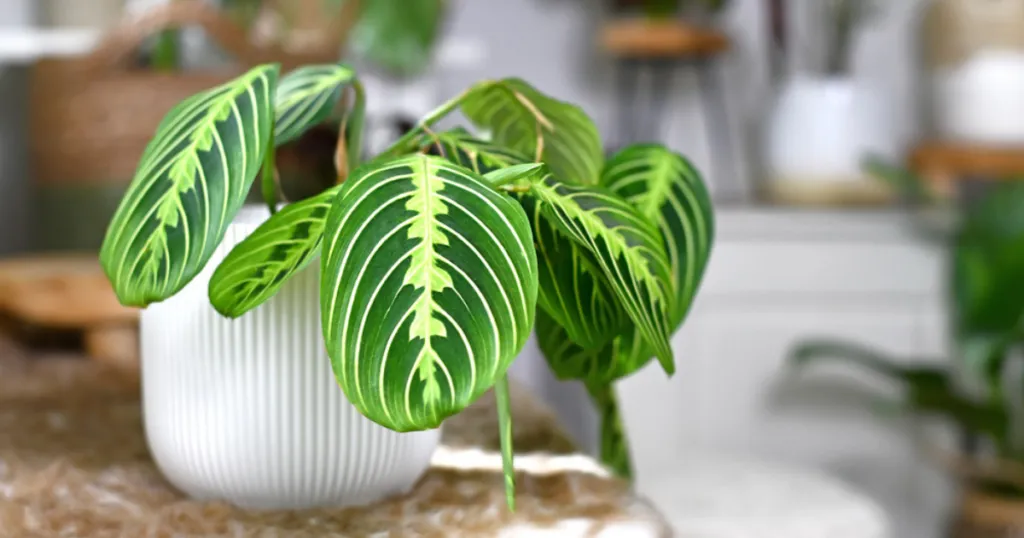
The Prayer Plant is a low-growing, spreading perennial that rarely exceeds 12 to 15 inches in height, making it an ideal candidate for desktops or low-profile credenzas. Its most notable feature is the intricate variegation on its oval leaves, which often display deep green, lime, and red veins. Because it grows horizontally rather than vertically, it provides a lush, ground-covering aesthetic that softens the hard lines of office furniture.
Growth Cycle
Unlike vining plants that trail long distances, the Prayer Plant maintains a clump-forming habit. It grows from a central root system, pushing out new leaves from the center. In a healthy office environment, you can expect a steady, moderate growth rate. It is not a fast grower, which is actually a benefit for office managers who want to avoid frequent pruning or repotting cycles. Over time, the plant may become slightly leggy if it is reaching for light, but regular, gentle grooming can keep it compact and full.
Visual Impact
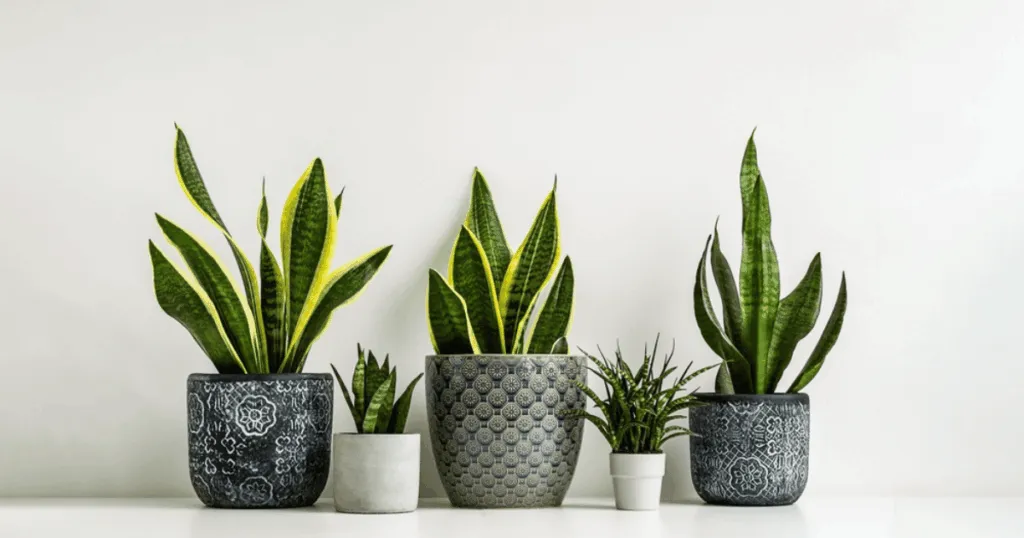
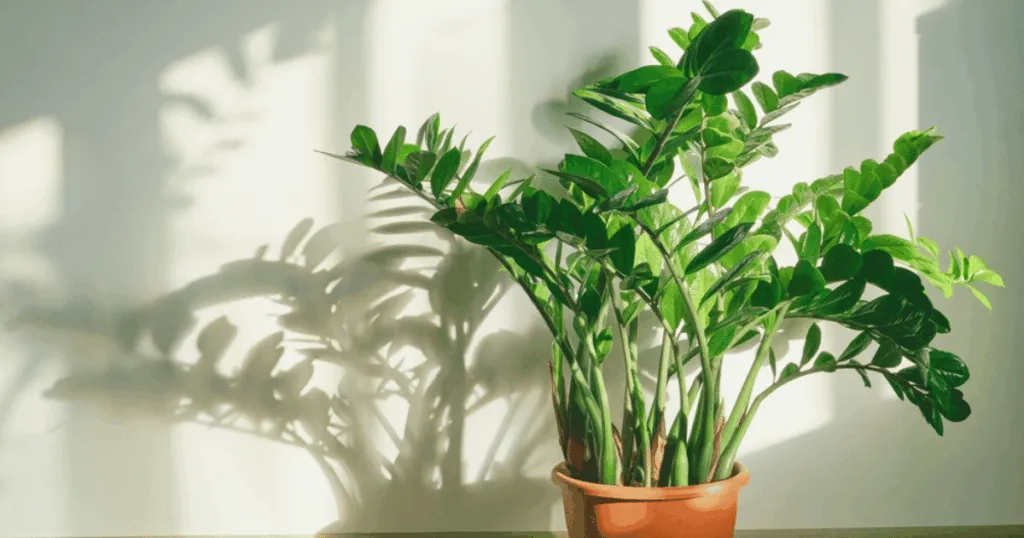
The visual appeal of the Prayer Plant lies in its bold, high-contrast patterns. In a sterile, neutral-toned office, these plants act as a focal point. Because they stay relatively small, they are perfect for grouping with other plants that have different textures, such as the smooth, dark leaves of a ZZ plant or the fine foliage of a fern. This creates a layered, professional display without requiring significant floor space.
Care Needs at a Glance
Successfully maintaining a Prayer Plant in an office requires a shift in mindset toward consistent, attentive care. It is a moderate-difficulty plant, primarily because it is less forgiving of neglect than other common indoor species.
Light and Water Requirements
The Prayer Plant performs best in medium indirect light. In an office, this means placing it near a window that does not receive direct sunlight, or under consistent, bright LED or fluorescent lighting. If the light is too dim, the plant will stop growing and the vibrant leaf patterns may fade. If the light is too harsh, the leaves will scorch and curl.
Watering is the most critical aspect of its care. You should aim to keep the soil evenly moist at all times. In an office, this often means checking the top inch of soil twice a week. If the soil feels dry to the touch, it is time to water. However, avoid waterlogging the roots, as this can lead to root rot. Using room-temperature water is recommended, as cold water can shock the plant’s delicate root system.
Managing Humidity
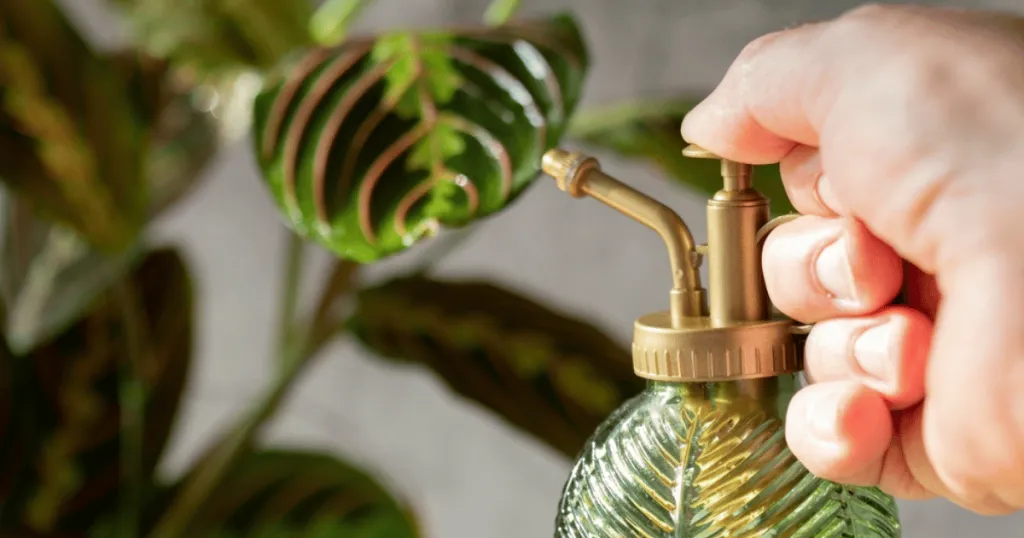
The biggest challenge in an office is the lack of humidity. HVAC systems are designed to strip moisture from the air, which can cause the edges of Prayer Plant leaves to turn brown and crispy. To mitigate this, consider placing your plant on a tray filled with pebbles and a small amount of water. As the water evaporates, it creates a localized microclimate of higher humidity around the plant. Avoid placing the plant directly in the path of an air vent, as the constant airflow will dry it out rapidly.
Office Suitability and Placement
The Prayer Plant is a sophisticated choice for reception areas, private offices, and meeting rooms where you can ensure consistent care. It is not the best choice for high-traffic areas or communal spaces where watering schedules are inconsistent. Its need for stable conditions means it is best suited for a dedicated desk or a controlled environment where one person is responsible for its upkeep.
Placement Considerations
When choosing a spot, prioritize stability. Avoid areas near heaters, air conditioning vents, or doors that lead outside, as temperature fluctuations will stress the plant. A shelf or desk that receives bright, filtered light is ideal. If your office lacks natural light, the Prayer Plant can do surprisingly well under standard office lighting, provided the light is on for at least 8 to 10 hours a day.
Maintenance Expectations
Expect to spend a few minutes each week monitoring the soil and wiping dust from the leaves. Dust accumulation is common in offices and can inhibit the plant’s ability to photosynthesize. A soft, damp cloth is all you need to keep the foliage clean and vibrant. If you notice yellowing leaves, it is often a sign of overwatering or poor drainage, so ensure your pot has adequate drainage holes to prevent water from pooling at the base.
Toxicity and Safety Considerations
For office managers concerned about workplace safety, the Prayer Plant is an excellent choice. According to guidance from the ASPCA on non-toxic plants, the Prayer Plant is considered safe for both cats and dogs. This makes it a worry-free addition to pet-friendly offices or shared spaces where you cannot guarantee that animals or children will not come into contact with the foliage.
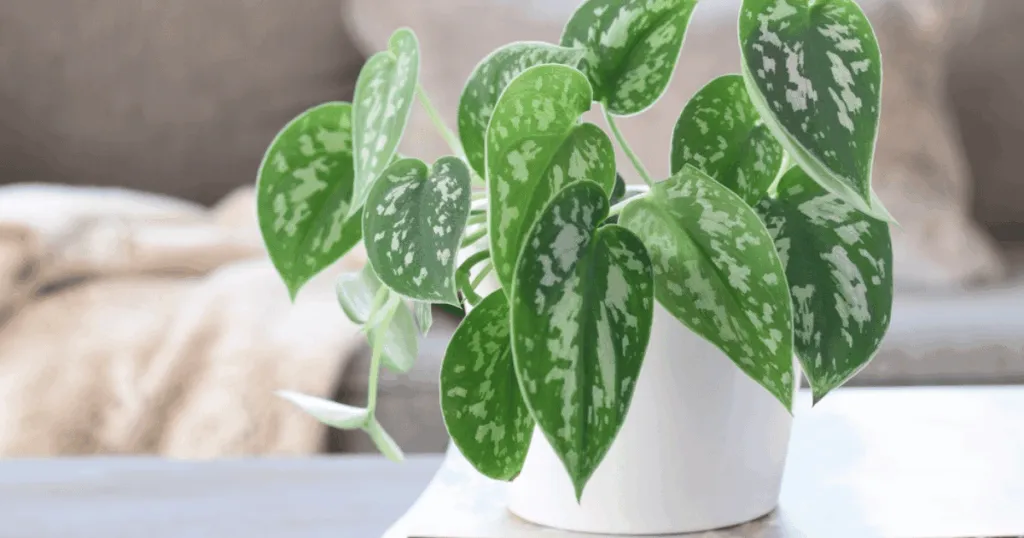
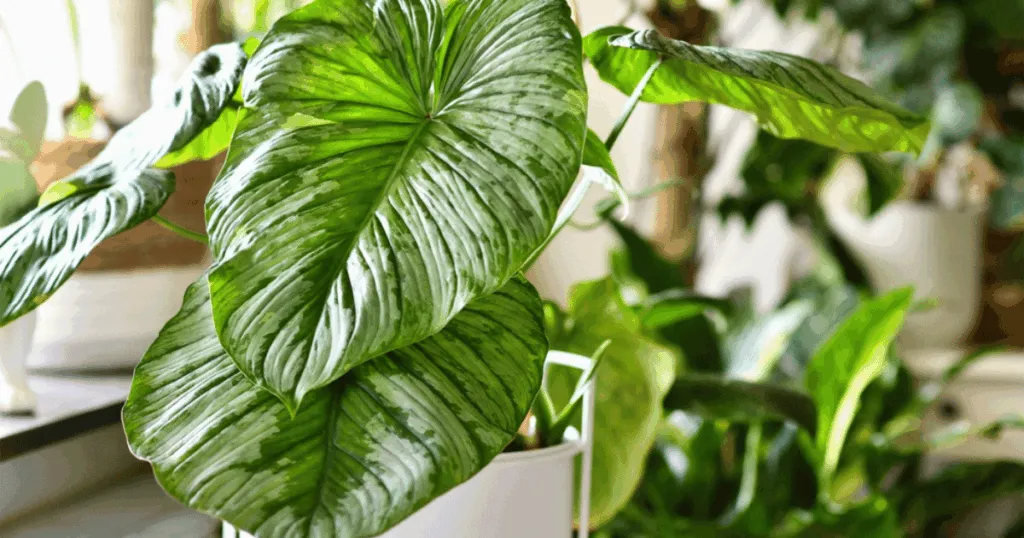
While the plant is non-toxic, this does not mean it should be consumed. It is always a good practice to keep plants out of reach of pets or small children to prevent physical damage to the plant and to avoid any potential digestive upset that can occur when any non-food plant material is ingested. From a safety perspective, you can place this plant in any part of the office without the need for the specialized containment or warning labels required for toxic species like Philodendrons or Dieffenbachia.
Care and Troubleshooting Handoff
While this overview provides the essential parameters for keeping your Prayer Plant healthy, individual office environments vary significantly. Factors such as specific light intensity, local water quality, and the exact configuration of your HVAC system can influence how your plant behaves over time. If you notice persistent issues like leaf curling, browning tips, or stunted growth, it is helpful to consult a more detailed troubleshooting guide.
We recommend focusing on consistency above all else. If you are struggling to keep the soil moisture balanced or if your plant is showing signs of distress despite your best efforts, look for resources that cover advanced repotting techniques, specific soil amendments for moisture retention, and how to identify common pests that might be introduced into an office environment. By mastering these nuances, you can ensure your Prayer Plant remains a vibrant, healthy feature of your workspace for years to come.
Related Prayer Plant Guides
- our Prayer Plant care guide
- why your Prayer Plant might be struggling
FAQ
Why are the leaves of my Prayer Plant curling inward?
Leaf curling is often a sign that the plant is either not receiving enough humidity or is being exposed to drafts. In an office, check if your plant is near an air vent or a heater, as the dry, moving air can cause the leaves to curl to protect themselves from moisture loss.
Can a Prayer Plant survive in a windowless office?
A Prayer Plant can survive in a windowless office if it is placed directly under bright, full-spectrum LED or fluorescent office lights. However, it will not thrive as well as it would with natural indirect light, and you may notice slower growth and less intense leaf coloration.
How often should I fertilize my office Prayer Plant?
Fertilize sparingly during the growing season, which is typically spring through early autumn. Use a balanced, water-soluble fertilizer diluted to half-strength once a month. Avoid fertilizing during the winter months when the plant’s growth naturally slows down.