The Jade Plant (Crassula ovata) is a staple in professional workspaces, and for good reason. With its thick, woody stems and fleshy, oval-shaped leaves, it offers a structural, tree-like aesthetic that fits perfectly on a corner desk, a reception counter, or a sunny windowsill. Unlike many tropical foliage plants that struggle with the fluctuating humidity and artificial lighting of a typical office, the Jade Plant is a succulent designed by nature to store water and endure periods of neglect. If you are looking for a long-term office companion that does not require a daily maintenance routine, this species is a top-tier candidate.
- Requires bright, direct or indirect light to thrive.
- Water only when soil is completely dry throughout.
- Tolerates dry, HVAC-controlled office air exceptionally well.
- Toxic to cats and dogs if ingested or chewed.
- Avoid overwatering; it is the primary cause of decline.
While many office plants demand consistent moisture and high humidity, the Jade Plant prefers the opposite. It thrives in the dry, stable air of climate-controlled office buildings. Because it is a slow grower, it won’t quickly outgrow its designated spot, making it a predictable and manageable choice for managers and employees alike. Understanding its specific needs—primarily regarding light and water—is the key to ensuring it remains a vibrant fixture in your workspace for years.
Appearance and Growth Habit
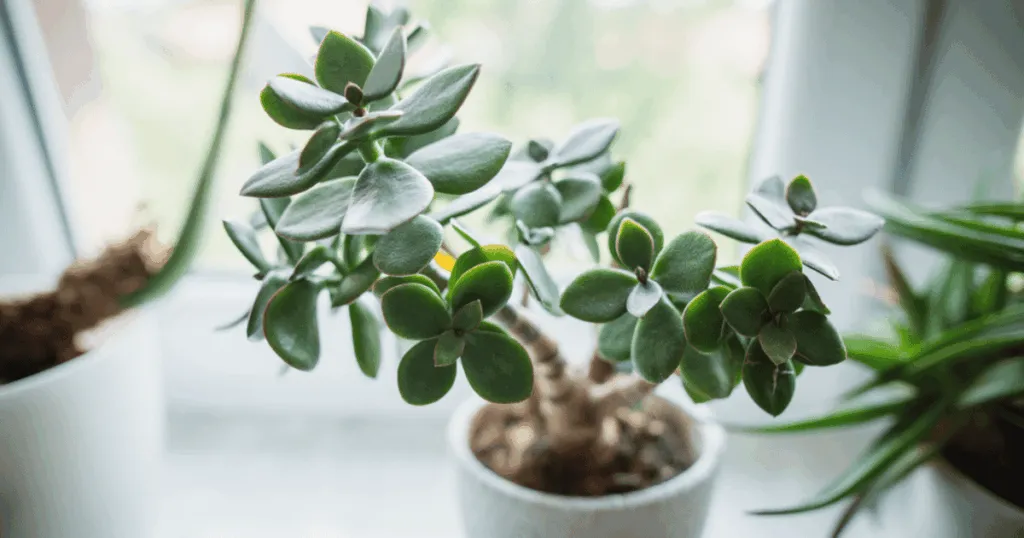
The Jade Plant is characterized by its succulent nature, which gives it a distinct, architectural look. In an office setting, you will typically find it as a compact, bush-like specimen, though it can grow quite large over several decades if given enough space and light. Its leaves are a deep, glossy green, sometimes featuring red edges when exposed to high light levels. These leaves are thick and rubbery, serving as the plant’s primary water storage reservoir.
The growth habit is upright and branching. As the plant matures, the main stems develop a woody, bark-like texture that mimics a miniature tree. This woody structure is one of the reasons the plant is so popular; it looks mature and established even in smaller pots. Because it grows slowly, you won’t need to worry about frequent repotting or the plant becoming unruly in a shared meeting room or open-office plan. It holds its shape well, maintaining a tidy, professional appearance without the need for constant pruning or training.
In terms of size, most office-grade Jade Plants are sold in 4- to 8-inch pots, standing between 6 and 18 inches tall. While they can reach several feet in height in ideal conditions, the limited light and pot size typical of an office environment will naturally keep the plant in a manageable, desk-friendly scale. This predictability is a major advantage for office managers who need to plan for space and aesthetics in common areas.
Care Needs at a Glance
Caring for a Jade Plant in an office environment is straightforward, provided you respect its succulent nature. The most common mistake in office settings is over-attentiveness. Because these plants are adapted to arid environments, they are far more likely to suffer from too much water than too little. When the soil stays wet for too long, the roots can quickly succumb to rot, which is often irreversible.
Light is the second pillar of Jade Plant care. These plants crave bright light. In an office, this means placing them near a south- or west-facing window where they can receive several hours of direct or very bright indirect light. While they can survive in lower light, they will often become “leggy,” stretching their stems toward the light source and losing their compact, robust structure. If your office lacks natural window light, consider placing the plant directly under or near high-output LED desk lamps, which can provide the necessary intensity to keep the plant healthy.
Watering should be approached with a “dry-first” mentality. Before adding water, check the soil depth. You should wait until the potting medium is completely dry from top to bottom. In a climate-controlled office, this might mean watering every two to four weeks, depending on the season and light levels. When you do water, ensure the pot has drainage holes so that excess water can escape. Never let the plant sit in a saucer of standing water, as this will almost certainly lead to root issues.
Office Suitability and Placement Guidance
The Jade Plant is uniquely suited for the office because it is largely indifferent to the low humidity levels caused by central heating and air conditioning. Many other indoor plants develop brown, crispy leaf tips in these conditions, but the Jade Plant’s waxy cuticle protects it from moisture loss. This makes it an excellent choice for reception areas or cubicles where air circulation is constant but humidity is low.
Placement should be determined by light availability. A sunny desk or a shelf near a window is perfect. If you are placing the plant in a meeting room, ensure it is in a spot that receives natural light during the day. If the room is dark or relies entirely on overhead fluorescent lighting, the Jade Plant may struggle to maintain its health over the long term. In such cases, it is better to choose a different species or supplement with a dedicated plant grow light.
Another practical consideration is the weekend factor. Because the Jade Plant is drought-tolerant, it is perfectly happy being left alone over long weekends or holiday breaks. You do not need to arrange for someone to water it while you are away. This resilience makes it a low-stress option for busy professionals who cannot commit to a strict daily or even weekly plant-care schedule.
Toxicity and Safety Considerations
When selecting plants for a shared office, it is important to consider the potential for accidental ingestion, especially in offices that allow pets or in spaces frequented by children. According to guidance from the ASPCA and various veterinary poison control resources, the Jade Plant is considered toxic to cats and dogs. Ingesting the leaves can cause symptoms such as vomiting, depression, and in some cases, a slowed heart rate.
If your office is a pet-friendly environment, or if you have concerns about employees or visitors who might handle the plant, it is best to place the Jade Plant in an area that is inaccessible to animals. High shelves, locked offices, or reception areas with restricted access are safer locations. If you are unsure about the safety of a specific area, it is better to choose a non-toxic alternative to avoid any risk. Always prioritize the safety of the office environment when selecting greenery, and keep in mind that even non-toxic plants can cause minor stomach upset if ingested in large quantities.
Care and Troubleshooting Guide Handoff
While the Jade Plant is remarkably easy to maintain, you may eventually encounter minor issues like leaf drop or slight discoloration. These are usually signs that your watering schedule or light exposure needs a minor adjustment. If you notice the leaves becoming soft or shriveled, the plant is likely signaling that it is thirsty. Conversely, if the leaves turn yellow or mushy, you are likely overwatering.
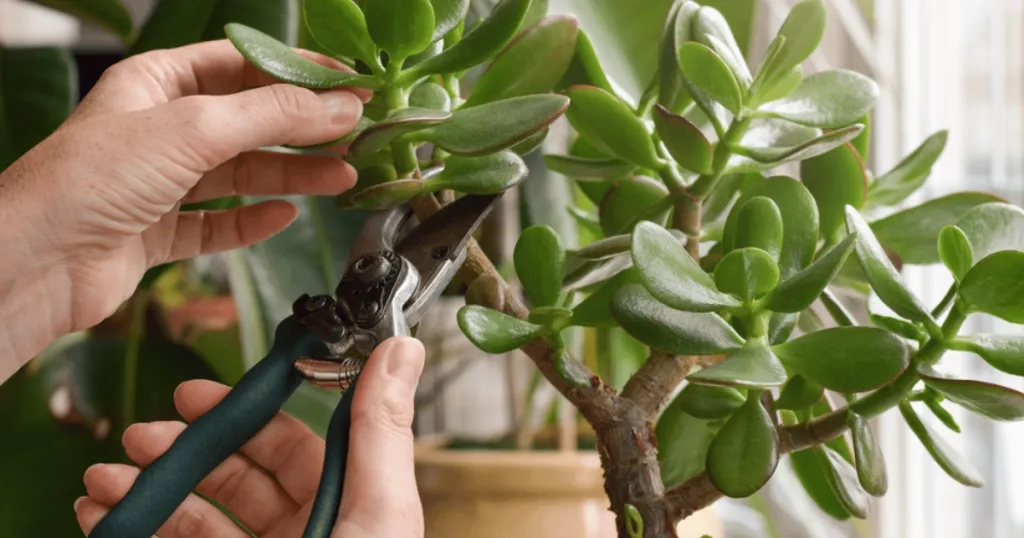
For those who want to dive deeper into the specifics of propagation, repotting, or identifying the early signs of pests like mealybugs, we recommend consulting our dedicated care and troubleshooting guides. These resources provide step-by-step instructions for managing long-term health, including how to select the right soil mix for optimal drainage and how to prune your plant to encourage a fuller, more aesthetic shape. By mastering these basics, you can ensure your Jade Plant remains a healthy, long-lasting feature of your office landscape.
Related Jade Plant Guides
- how to care for a Jade Plant
- common Jade Plant problems
FAQ
Can a Jade Plant survive in an office with no windows?
A Jade Plant will struggle in a windowless office. While it can survive for a short time in low light, it requires bright, direct or indirect light to maintain its health and compact structure. Without a natural light source, it will likely become leggy and weak. If you do not have a window, consider using a high-output LED grow light positioned close to the plant to mimic the intensity it needs.
How do I know if I am overwatering my Jade Plant?
The most common signs of overwatering include yellowing leaves, mushy or soft stems, and leaves that drop off with very little pressure. If you notice these symptoms, check the soil immediately. If the soil is damp or soggy, stop watering and allow the plant to dry out completely. Ensure the pot has proper drainage holes so that water does not pool at the bottom, as this is the most frequent cause of root rot.
Does the Jade Plant need fertilizer in an office environment?
Jade Plants are slow growers and do not require heavy fertilization. In an office setting, a light application of a balanced, water-soluble fertilizer diluted to half-strength once or twice during the active growing season (spring and summer) is sufficient. Avoid fertilizing during the winter months when the plant’s growth naturally slows down, as this can lead to salt buildup in the soil.