The Peace Lily is a highly expressive, low-light tolerant office plant that clearly communicates its hydration needs through visible wilting.
- Thrives in medium indirect light but tolerates low office lighting.
- Requires consistently moist soil; droops when it needs water.
- Contains calcium oxalate crystals, making it toxic if ingested.
- Prefers higher humidity levels than standard office HVAC provides.
The Peace Lily (Spathiphyllum) is perhaps the most recognizable office plant, favored for its lush, deep green foliage and elegant, white spathes. In a professional setting, its popularity stems from its ability to adapt to the often-dim conditions of cubicles and interior offices. Unlike many other foliage plants that suffer silently in poor light, the Peace Lily is famously communicative, providing a clear visual signal when it requires attention. This responsiveness makes it an excellent choice for office managers who need a plant that does not require guesswork to maintain.
While it is often labeled as a lily, it is important to note that the Peace Lily is not a true lily. It belongs to the Araceae family, which explains its unique flowering structure. For office environments, this distinction is vital because it changes expectations regarding growth cycles and seasonal maintenance. While it is a reliable performer, it is not a set-it-and-forget-it plant; it requires a consistent, albeit straightforward, routine to remain vibrant throughout the work week.
Appearance and Growth Habits
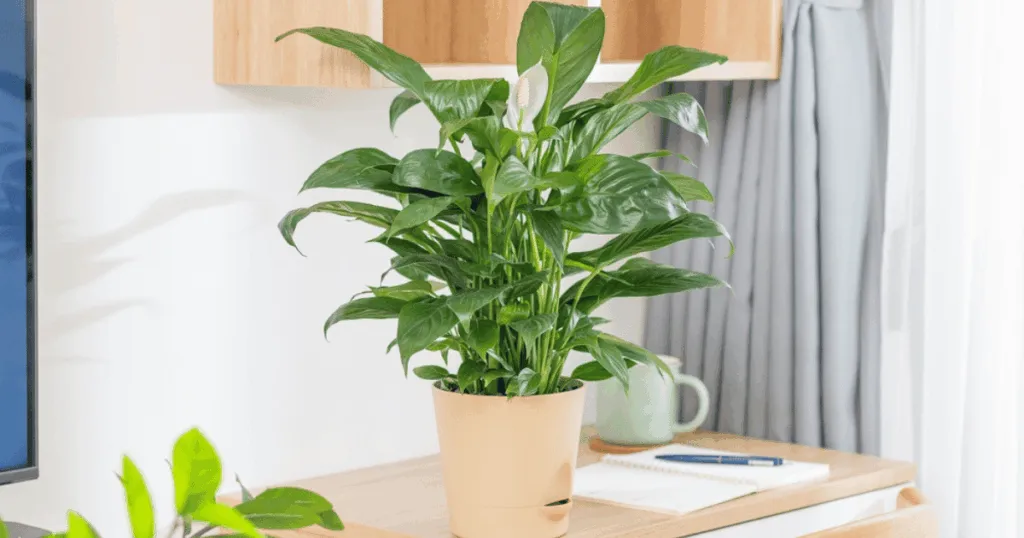
The Peace Lily is defined by its dramatic, lance-shaped leaves that grow directly from the soil in a clump-like habit. These leaves are typically a deep, glossy green, providing a rich aesthetic contrast to the neutral tones of office furniture and carpet. In optimal conditions, the plant produces white, hood-like flowers known as spathes. These structures are technically modified leaves that surround a central spike of tiny, true flowers.
In an office, growth is generally steady but rarely explosive. The plant typically reaches a height of 1 to 3 feet, making it well-suited for floor placements in corners or as a centerpiece on a large conference table. Because it grows in a bushy, upright form, it occupies a predictable footprint, which is helpful for space planning in open-plan offices. However, as the plant matures, it may require occasional repotting to prevent it from becoming root-bound, which can cause the foliage to lose its vigor.
One of the most appealing aspects of its growth habit is its tolerance for crowding. While it prefers space, it does not typically become leggy or sparse when placed in areas with limited natural light, provided the light is at least sufficient for reading. The leaves are naturally inclined to reach toward the light source, so rotating the pot periodically is a simple, effective practice to ensure the plant maintains a balanced, symmetrical shape.
Care Needs at a Glance
Managing a Peace Lily in an office requires understanding its relationship with water and light. The plant is remarkably tolerant of low-light environments, such as windowless offices or those reliant on fluorescent and LED fixtures. While it will survive in these conditions, it may produce fewer flowers. For the best results, place the plant where it can receive bright, indirect light, avoiding direct sun, which can scorch the foliage and cause unsightly brown patches.
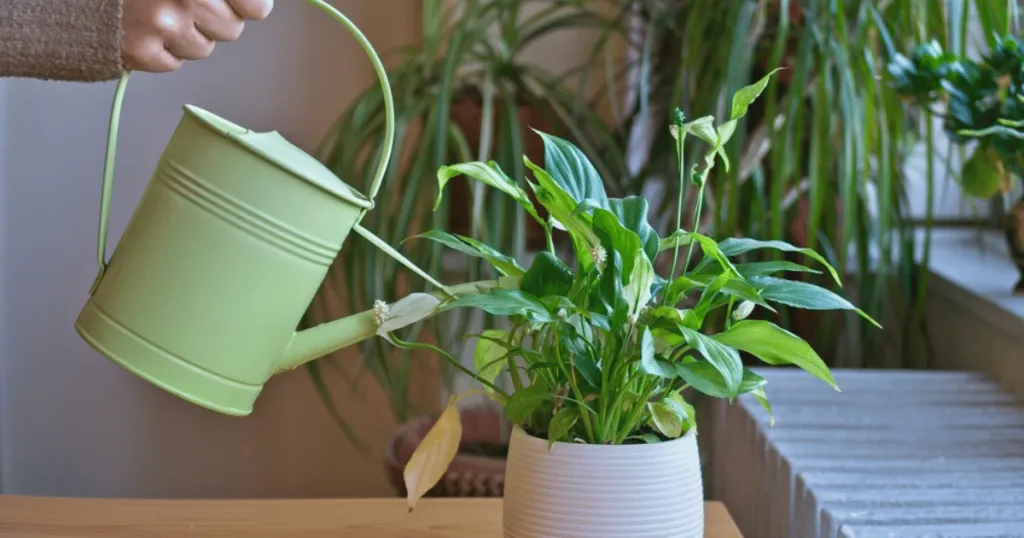
Watering is the most critical aspect of Peace Lily care. The soil should be kept consistently moist but never waterlogged. A common mistake in office settings is allowing the soil to dry out completely, which triggers the plant’s signature drooping response. While the plant is resilient and will usually recover after a thorough watering, frequent cycles of extreme dehydration can stress the plant and lead to yellowing leaves. Using a well-draining potting mix is essential to prevent root rot, especially since office temperatures can fluctuate over weekends.
Humidity is another factor to monitor. Most office HVAC systems are designed to keep the air dry, which can be challenging for a plant that prefers higher humidity. If you notice the tips of the leaves turning brown and crispy, the air is likely too dry. While you do not need to install a humidifier, occasionally wiping the leaves with a damp cloth can help remove dust and provide a minor boost to local humidity levels.
Office Suitability and Placement
The Peace Lily is a versatile candidate for various office zones. Its ability to thrive in lower light makes it ideal for reception areas or interior offices that lack large windows. In these spaces, it acts as a natural focal point, softening the hard lines of desks and filing cabinets. When placed in a meeting room, it adds a touch of organic texture without requiring the constant, specialized care that more temperamental tropical plants demand.
When selecting a location, consider the traffic flow. Because the leaves are somewhat broad and can be delicate, avoid placing the plant in narrow corridors or high-traffic walkways where the foliage might be brushed against or damaged. A corner of an office, a dedicated plant stand, or a wide windowsill (if shielded from direct sun) are ideal spots. If your office has significant temperature swings—such as being located directly under an air conditioning vent or near a heater-try to place the plant elsewhere, as constant drafts can cause leaf drop and stunted growth.
From a maintenance perspective, the Peace Lily is an excellent candidate for a rotating care schedule. Because it droops visibly when it needs water, an office manager can easily identify which plants need attention during a weekly walkthrough. This visual cue eliminates the need for strict, calendar-based watering, which often leads to overwatering in office environments where multiple people might attempt to care for the same plant.
Toxicity and Safety Considerations
It is essential to be aware that the Peace Lily contains calcium oxalate crystals. According to guidance from the ASPCA and various veterinary poison control resources, this compound can cause irritation if the leaves are chewed or ingested by cats or dogs. The crystals act like tiny needles, causing immediate discomfort, swelling of the mouth and tongue, and difficulty swallowing.
In an office environment, this means the plant should be placed in areas inaccessible to pets, if your workplace allows animals. Even in pet-free offices, it is good practice to be aware of this trait, especially if employees have small children visiting or if there is any risk of accidental ingestion. While the plant is not lethal in small quantities, the physical irritation is significant. If you are in a pet-friendly office, consider placing the Peace Lily on a high shelf or a secure plant stand where it cannot be reached by curious animals.
Care and Troubleshooting Handoff
While the Peace Lily is generally easy to manage, specific issues like leaf yellowing, browning tips, or a lack of flowering often require more nuanced troubleshooting. If you notice persistent yellowing, it is often a sign of overwatering or poor drainage. Conversely, brown, crispy edges usually point to low humidity or inconsistent watering. If your plant refuses to flower, it is likely not receiving enough light to support the energy-intensive process of bloom production.
For those managing multiple plants, keeping a simple log of when each plant was last watered can prevent the common cycle of over-attentiveness. Remember that the plant’s needs will shift with the seasons; it will require less water during the winter months when growth slows down. For detailed guidance on repotting techniques, specific soil amendments, and advanced troubleshooting for persistent foliage issues, please refer to our dedicated care and maintenance guides.
Related Peace Lily Guides
- the full Peace Lily care breakdown
- Peace Lily symptoms and fixes
FAQ
Why is my Peace Lily drooping even though the soil is moist?
If the plant droops while the soil is wet, it may be suffering from root rot caused by poor drainage. Ensure the pot has drainage holes and that the plant is not sitting in standing water, which prevents roots from absorbing oxygen.
Can a Peace Lily survive in an office with no windows?
Yes, it can survive, but it will not thrive. It will likely stop producing flowers and may grow more slowly. To keep it healthy in windowless spaces, ensure it receives consistent, high-quality artificial light from overhead LED or fluorescent fixtures for at least 8 to 10 hours a day.
How often should I fertilize a Peace Lily in an office setting?
In an office, the Peace Lily grows slowly, so it requires less fertilizer than a home plant. A balanced, water-soluble fertilizer applied at half-strength once every two months during the spring and summer is usually sufficient. Avoid fertilizing during the winter months.