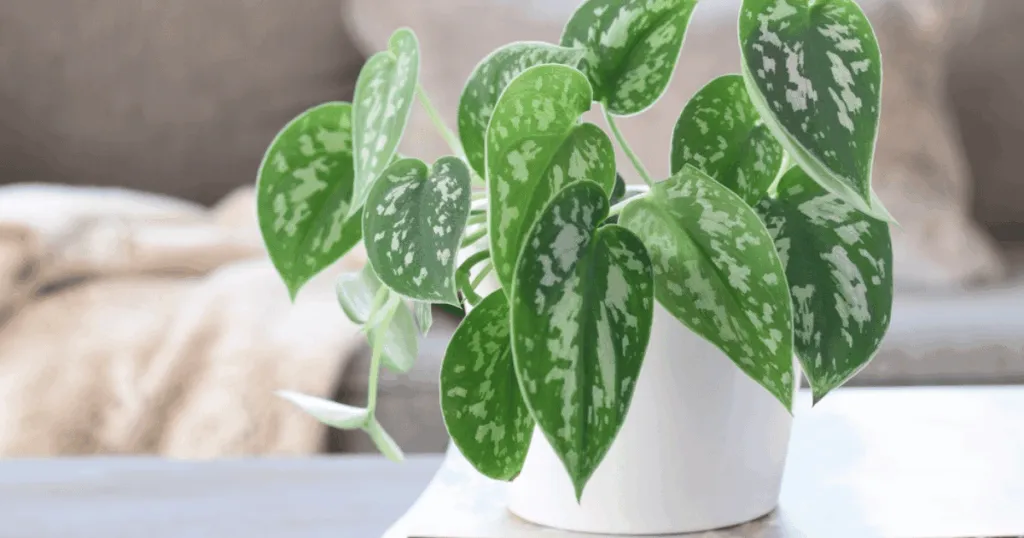
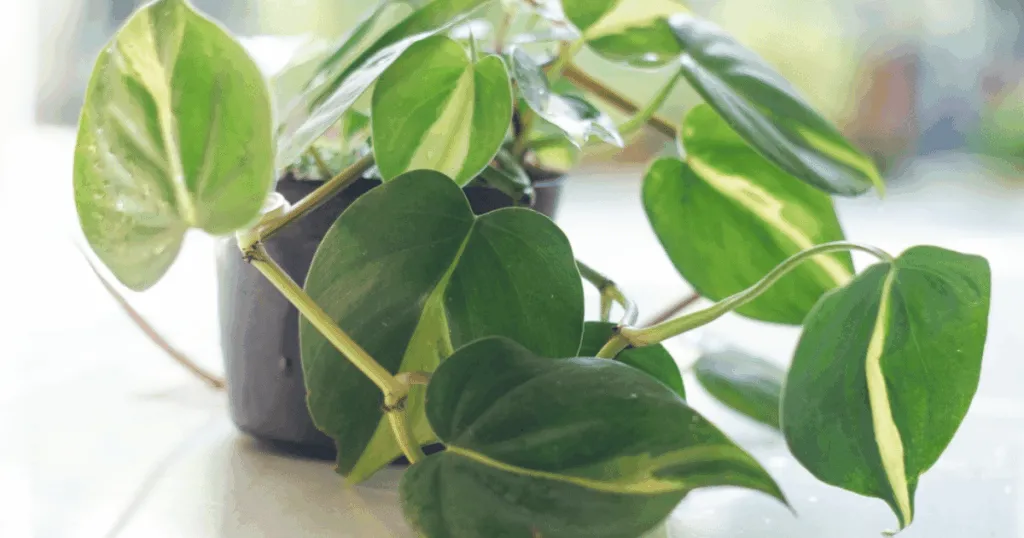
The Heartleaf Philodendron, scientifically known as Philodendron hederaceum, is perhaps the most recognizable trailing plant found in professional interiors. Its defining feature is its heart-shaped, deep green leaves that emerge on slender, flexible stems. In an office setting, this plant typically behaves as a vining specimen, capable of reaching several feet in length if provided with the right support or allowed to cascade gracefully from a bookshelf or high-traffic reception counter.
- Thrives in medium to bright indirect light.
- Water when the top inch of soil feels dry.
- Prefers average to above-average indoor humidity levels.
- Toxic to cats and dogs if ingested or chewed.
- Easy-care trailing habit perfect for shelves and desks.
Appearance and Growth Habit
Unlike plants that require strict structural pruning to maintain a professional look, the Heartleaf Philodendron is naturally tidy. Its growth habit is relatively consistent, producing new leaves steadily throughout the year under typical office lighting. While it can be trained to climb a moss pole or trellis, most office managers prefer its natural trailing form. This versatility allows it to soften the rigid lines of cubicle walls or add a touch of organic texture to minimalist meeting rooms without demanding constant intervention.
The foliage itself is smooth and slightly glossy, which helps it resist the accumulation of dust-a common issue in climate-controlled office environments. Because it does not require a dormant period in the way many flowering plants do, it maintains its lush, green appearance year-round. This visual reliability makes it a staple for workspaces where a consistent, professional aesthetic is required without the need for seasonal plant rotation.
Care Needs at a Glance
Managing a Heartleaf Philodendron in an office environment is straightforward, provided you understand its core requirements. The plant is highly adaptable to the artificial lighting found in most commercial buildings. While it prefers bright, indirect light, it is notoriously tolerant of lower-light conditions, such as those found in interior offices or cubicles away from windows. Keep in mind that while it will survive in dim corners, its growth rate will slow significantly, and the stems may become leggy as they reach for a light source.
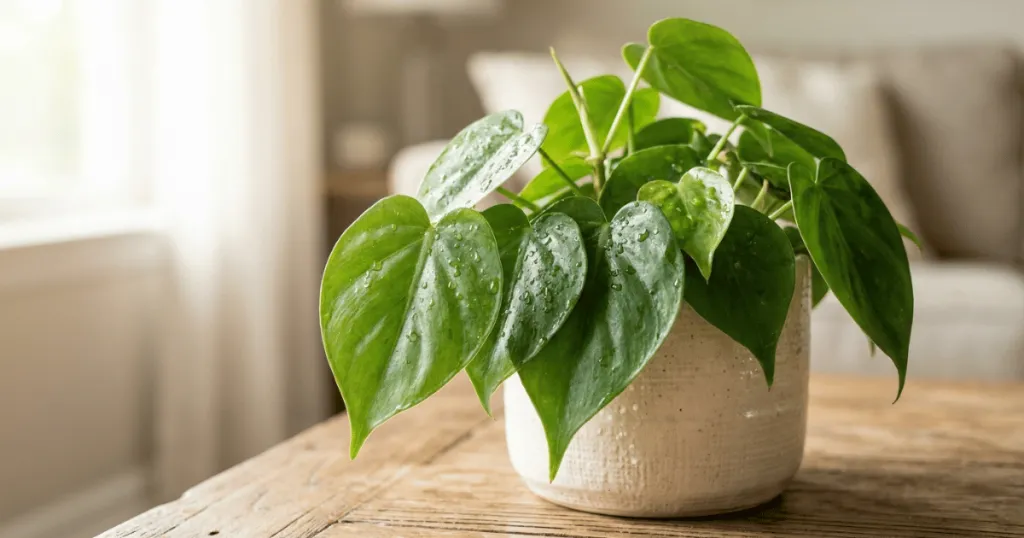
Watering is the most critical aspect of long-term maintenance. The rule of thumb for this species is to allow the top inch of soil to dry out completely before adding more water. In an office, where HVAC systems often create dry, arid air, soil moisture can evaporate faster than in a home environment. Check the soil moisture weekly; if the top inch feels dry to the touch, it is time for a thorough watering. Avoid letting the plant sit in standing water, as this can lead to root rot-a common mistake that is difficult to reverse once the damage is done.
Humidity levels in modern offices are frequently lower than what a tropical plant prefers. While the Heartleaf Philodendron is resilient, it will appreciate occasional misting or being placed near other plants to create a microclimate. If you notice the tips of the leaves turning brown or crispy, this is a clear signal that the ambient humidity is too low for the plant’s comfort. In such cases, moving the plant away from direct air vents or heaters is a simple, effective fix.
Office Suitability and Placement Guidance
The Heartleaf Philodendron is an ideal candidate for offices because it is remarkably forgiving of the irregular care schedules often found in busy workplaces. If a team member forgets to water it over a long weekend, or if the office temperature fluctuates during holiday shutdowns, this plant is unlikely to show immediate signs of distress. Its ability to bounce back from minor neglect makes it a low-risk investment for reception areas, shared breakrooms, and individual desks.
When selecting a placement, prioritize locations that offer consistent, indirect light. A spot on a bookshelf or a filing cabinet top is usually perfect. Avoid placing the plant directly in the path of cold drafts from air conditioning vents or the intense, scorching heat of a radiator. These extremes can cause leaf drop and stress the plant, forcing it to focus on survival rather than growth. If your office has limited natural light, the Heartleaf Philodendron is one of the few species that will perform well under standard fluorescent or LED office lighting, provided the light is on for a significant portion of the workday.
Consider the growth speed when choosing a location. Because it is a vigorous grower, you will eventually need to trim the vines to keep them from tangling or interfering with office equipment. A quick trim with clean shears is all that is required to maintain a neat appearance. This maintenance task is minimal and can easily be incorporated into a routine office cleaning schedule.
Calcium Oxalate and Safety Considerations
It is important to address the biological reality of this plant: the Heartleaf Philodendron contains calcium oxalate crystals. According to veterinary resources such as the ASPCA, these crystals are toxic to cats and dogs if the plant material is chewed or ingested. The reaction typically involves oral irritation, swelling of the mouth and tongue, and excessive drooling. While this plant is a popular choice for offices, it is not suitable for workplaces that allow pets, or for areas where an office pet might have unsupervised access to the foliage.
For offices that are strictly pet-free, the toxicity is not a concern for human employees, provided the plant is not ingested. It is a common misconception that simply touching the leaves is harmful; however, the risk is strictly tied to ingestion. If you are managing a space where children or pets are present, it is a safer approach to choose a non-toxic alternative or ensure the plant is placed well out of reach in a hanging planter or on a high, inaccessible shelf. Always prioritize the safety of your specific environment when deciding on plant placement.
Care and Troubleshooting Handoff
While the Heartleaf Philodendron is remarkably easy to maintain, even the most resilient plants can occasionally encounter issues. Common problems such as yellowing leaves, slowed growth, or pests like spider mites are usually indicators that the plant’s environment has drifted too far from its needs. If you find that your plant is not thriving despite following the basic guidelines outlined here, it is time to look at more advanced troubleshooting steps.
Detailed guides on pruning techniques, soil amendments, and how to identify and treat specific pests are essential for long-term success. We recommend consulting specialized care documentation that covers these nuances in depth. By addressing minor issues early, you can ensure your plant remains a vibrant, healthy part of your office decor for years to come. For specific questions regarding propagation or repotting, refer to our dedicated technical guides, which provide step-by-step instructions for these more involved maintenance tasks.
Related Heartleaf Philodendron Guides
- the full Heartleaf Philodendron care breakdown
- why your Heartleaf Philodendron might be struggling
FAQ
Can the Heartleaf Philodendron survive in an office with no windows?
Yes, it can survive in windowless offices, but it requires consistent artificial lighting. If the office lights are turned off during evenings and weekends, the plant will rely on the light it received during the day. It will grow much slower in these conditions, but it is one of the most shade-tolerant indoor plants available.
How often should I fertilize my office Heartleaf Philodendron?
In an office setting, less is often more. Fertilize only during the active growing season, typically spring and summer, using a balanced liquid fertilizer diluted to half-strength. Do not fertilize during the winter months or if the plant is in a very low-light area, as it will not have the energy to process the nutrients.
Why are the leaves on my Heartleaf Philodendron turning yellow?
Yellowing leaves are most commonly caused by overwatering. If the soil remains consistently soggy, the roots cannot breathe, leading to leaf discoloration. Check the soil moisture before your next watering; if it is damp, wait a few more days. Other causes can include extreme temperature fluctuations or a lack of adequate light.