When bringing greenery into a shared workplace, getting the moisture routine right is the single most important step for long-term success. Overwatering ruins more desk plants than any other office habit, making proper soil assessment the top priority before adjusting light or fertilizer. Heartleaf philodendron care is straightforward when you understand that this trailing tropical native prefers a predictable rhythm of hydration followed by a dry-down period. Whether you are placing a potted specimen on a filing cabinet or hanging a lush vine near a reception area, mastering the balance between moisture and drainage prevents the root rot that cuts indoor foliage short. Establishing this foundation ensures your workspace stays vibrant with minimal weekly effort.
Many workplace plant failures occur because caregivers apply domestic gardening intuition – such as rigid weekly watering schedules – to indoor environments governed by artificial lighting and aggressive HVAC systems. Understanding how philodendron hederaceum care differs in a corporate setting helps bridge the gap between tropical forest floors and climate-controlled cubicles. By treating moisture management as an ongoing tactile assessment rather than a calendar chore, office managers can maintain thriving, cascading displays across reception zones, executive suites, and collaborative workspaces without constant intervention.
Quick Facts
- Light: Medium to bright indirect light
- Watering: Let top inch of soil dry between waterings
- Humidity: Average to above-average humidity preferred
- Difficulty: Easy
- Toxicity: Toxic to cats and dogs if chewed or ingested
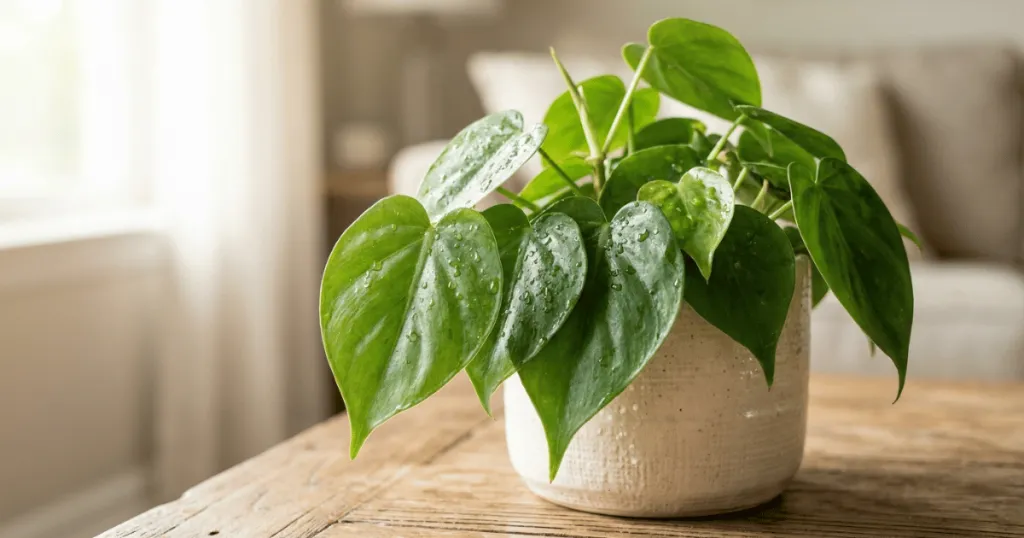
Light Requirements and Workplace Placement
Finding the right spot in a commercial or home office depends entirely on how natural and artificial light interact throughout the day. This tropical climber adapts well to typical indoor conditions, but placing it in the wrong zone leads to either scorched foliage or painfully slow, leggy growth.
Ideal Indoor Light Levels
The best environment provides medium to bright indirect light. In an office setting, this means sitting a few feet away from an east-facing or north-facing window, or directly beneath bright overhead LED fixtures that remain on for standard business hours. Direct sunlight hitting the glossy green leaves through glass will scorch the tissue, leaving permanent brown patches. Conversely, placing the trailing vines in a windowless interior room relying solely on intermittent desk lamps will cause the stems to stretch thin with pale, widely spaced leaves.
Assessing Office Lighting Conditions
Many workspaces feature fluorescent or modern LED troffers that run consistently. While these bulbs support the plant, they lack the broad spectrum of natural sunlight. If your desk sits far from exterior windows, consider a dedicated full-spectrum plant bulb in a standard desk fixture. A reliable rule of thumb is that if you can comfortably read a book without turning on extra lights, the spot has enough ambient brightness to keep your foliage healthy.
When evaluating philodendron light requirements for an open office layout, consider the directional orientation of windows. South-facing and west-facing glass exposures transmit intense, unfiltered solar radiation during afternoon hours, requiring sheer window treatments or positioning the potted philodendron deeper into the room footprint. North-facing glass or interior spaces relying on indirect light offer the safest margins against leaf scorch, provided office lights remain functional during standard working hours.
Watering Schedule and Soil Essentials
Watering is where most workplace plant routines succeed or fail. Because office environments feature climate-controlled air and varying temperatures, relying on a rigid calendar schedule often leads to trouble. Instead, use a physical check of the potting mix to guide your actions.
How to Test Soil Moisture
Insert your finger about one inch into the potting medium before picking up the watering can. If the soil feels dry and crumbly at that depth, it is time for a thorough soaking. If it still clings to your skin or feels damp, wait a few days and check again. Letting the top inch of soil dry between waterings prevents the roots from sitting in stagnant moisture, which is the primary cause of root rot in indoor spaces.
Drainage and Potting Medium Quality
No watering routine can save a plant housed in a container without drainage holes. Always ensure your decorative cachepot or nursery container allows excess water to escape freely. Standing water at the bottom of a pot suffocates the root system within days. A chunky, well-aerated soil blend containing peat moss, perlite, and pine bark mimics the natural forest floor habitat, allowing oxygen to reach the roots while retaining just enough moisture to sustain the vines.
Executing proper indoor philodendron watering in an office setting requires looking past the surface crust of the pot. Dry air from corporate climate control systems often bakes the topmost layer of soil into a hard crust while the lower root zone remains saturated. Mastering soil moisture depth checks ensures you never drown an otherwise healthy root ball. Incorporating high-porosity elements into your potting medium facilitates effective root rot prevention by ensuring that any excess moisture flows freely out of the drainage holes rather than pooling around delicate root hairs.
Humidity, Temperature, and Feeding
Maintaining a thriving office plant requires attention to ambient air conditions and occasional nutritional boosts. While these tropical species tolerate standard indoor climates remarkably well, extreme shifts in temperature or humidity will cause visible stress.
Managing Office Humidity and Drafts
Standard office buildings feature HVAC systems that pump out dry air, especially during winter heating cycles or peak summer air conditioning. Average to above-average humidity preferred by these vines can be hard to maintain in dry cubicles. Brown or crispy leaf tips often signal excessively dry air. Keep your trailing stems away from direct blasts of air conditioning vents or heating registers, which rapidly dehydrate the foliage.
Temperature Thresholds
Keep your workspace within a comfortable human temperature range between sixty and eighty degrees Fahrenheit. Avoid placing pots near exterior doors during winter months, where a sudden gust of freezing outdoor air can shock the foliage and cause rapid leaf drop.
Fertilizer Application
During the active growing seasons of spring and summer, feed your trailing vines once a month with a balanced, water-soluble houseplant fertilizer diluted to half strength. Skip fertilization entirely during autumn and winter when natural light levels drop and growth slows down naturally. Over-fertilizing in low light builds up mineral salts in the soil, which burns the root system.
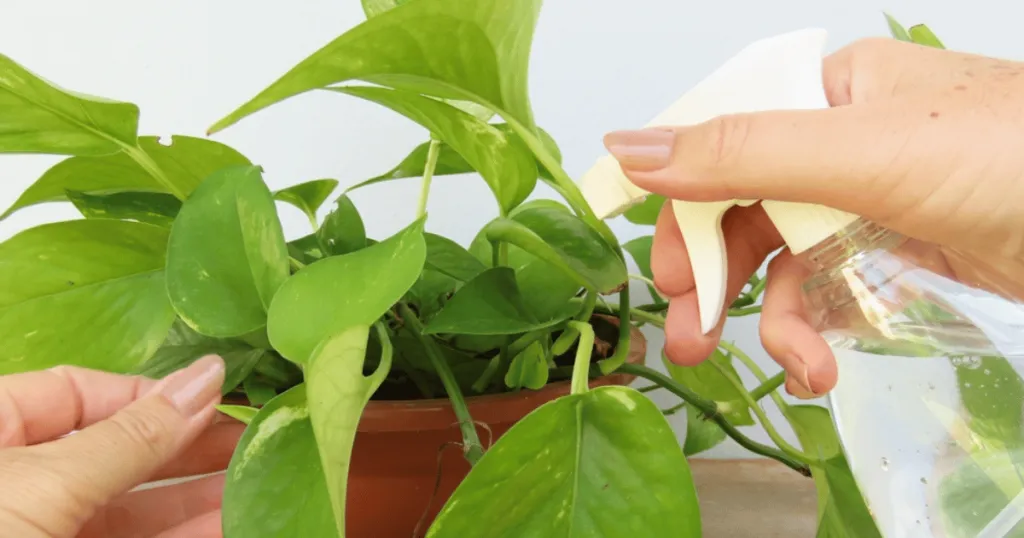
In tightly sealed commercial buildings, modern HVAC units continuously cycle and dehumidify indoor air, creating an arid microclimate that challenges tropical species. While daily misting provides temporary relief, grouping multiple desk plants together or placing containers on pebble trays filled with water creates a sustainable local humidity buffer. When administering nutrients, strictly adhere to proper fertilizer dilution ratios; over-concentrated formulas will quickly damage roots that are already working hard to navigate the fluctuating moisture levels typical of shared workspaces.
Repotting, Pruning, and Propagation
As your trailing stems grow longer and more lush, routine maintenance keeps the plant looking full rather than sparse at the top. Knowing when to step up a pot size or snip a stem ensures continuous vitality.
When and How to Repot
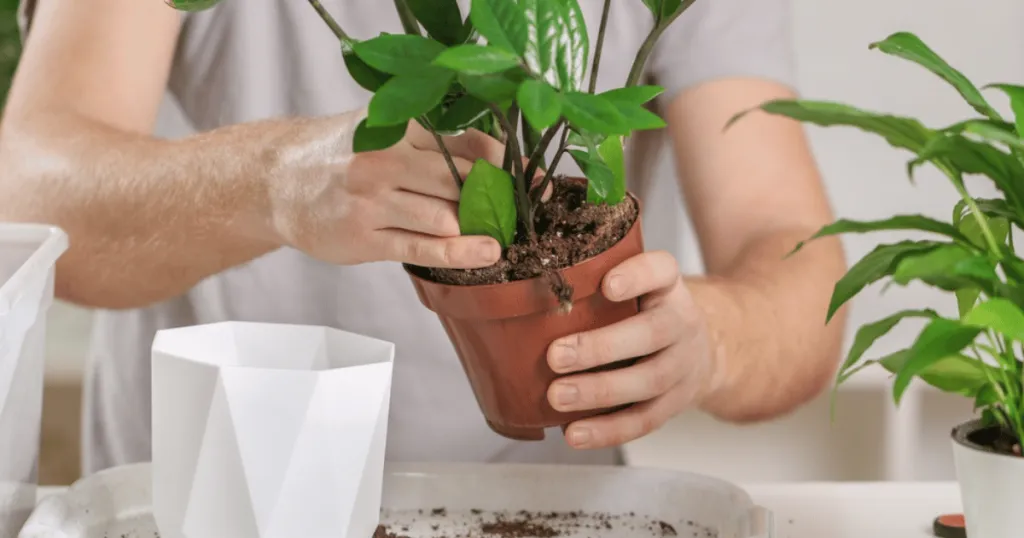
You will know it is time to repot when roots begin circling the bottom drainage holes or water runs straight through the pot without moistening the mix. Choose a new container that is only one or two inches wider in diameter than the previous one. Moving into an excessively large pot leaves too much wet soil around the root system, greatly increasing the risk of root rot.
Pruning for Bushiness
Left unpruned, the vines will grow long and bare near the base. Snip the stems just above a leaf node using clean shears. This triggers lateral buds to branch out, creating a fuller, denser canopy. You can take the severed stem tips and root them easily in water or fresh potting soil to share with colleagues.
Executing precise leaf node pruning is the secret weapon for turning a stringy, unkempt office vine into a lush, multi-stemmed specimen. Each cut stimulates dormant growth points just below the incision, encouraging new shoots to emerge and fill out the top of the container. This practice integrates seamlessly into general houseplant maintenance routines, transforming routine trimming sessions into propagation opportunities for fellow team members looking to decorate their own workstations.
Seasonal Adjustments and Common Mistakes
Office environments change across the calendar year, requiring subtle shifts in your care routine to match natural growth cycles.
Adapting to Seasonal Shifts
As daylight hours shorten in late autumn, water much less frequently because the soil stays damp significantly longer under lower light conditions. Resume your regular watering and feeding rhythm once spring daylight returns and new shoots begin to unfurl.
Avoiding Common Care Errors
The most frequent mistake is watering on a fixed weekly schedule regardless of weather or indoor heating changes. Another common pitfall is letting excess water sit inside a saucer beneath the nursery pot. Always empty saucers ten minutes after watering to keep roots healthy. Finally, do not ignore dust buildup on the large leaves; wipe them down with a damp cloth periodically so the foliage can absorb light efficiently.
Effective indoor vine care requires mindfulness during seasonal transitions, particularly as office buildings shift from aggressive summer cooling to intense winter heating. These shifts alter evaporation rates drastically, meaning your watering cadence must adapt accordingly. Neglecting these adjustments or failing to implement proper seasonal adjustments often invites opportunistic pests like spider mites, which thrive in stagnant, dry indoor air.
Pet Safety and Toxicity Guidelines
If your office allows pets or if you are growing this plant in a home workspace shared with animals, understanding toxicity is essential. According to veterinary guidance from resources like the ASPCA, this species is toxic to cats and dogs if chewed or ingested. The foliage contains insoluble calcium oxalate crystals, which release microscopic needles upon mastication, causing intense oral irritation, excessive drooling, and difficulty swallowing in pets. Place trailing vines safely out of reach on high shelves, tall filing cabinets, or inside hanging baskets to keep curious companion animals safe from harm.
Workplace wellness programs increasingly welcome dogs and cats into office environments, making pet safety a top-tier operational concern. Because ingestion of toxic foliage triggers severe physical distress mediated by calcium oxalate crystals, institutional and individual plant owners must verify placement strategies before installing trailing displays. Consulting institutional safety databases such as the ASPCA plant toxicity portal ensures your workplace remains compliant with animal welfare standards while enjoying the aesthetic and psychological benefits of indoor biophilia.
Related Heartleaf Philodendron Guides
- the Heartleaf Philodendron plant guide
- common Heartleaf Philodendron problems
FAQ
Why are the leaves turning yellow on my heartleaf philodendron?
Yellow leaves typically indicate overwatering or soil that stays wet for too long. Check the root zone to ensure drainage holes are clear and let the soil dry out further between watering sessions.
Can this plant survive in an office with zero natural sunlight?
While it tolerates low light better than many indoor species, complete darkness will cause the stems to stretch thin and lose their color. Pair it with fluorescent overhead fixtures or a dedicated LED desk lamp to keep it thriving.
How do I make my trailing plant look fuller at the top?
Prune the long vines back just above a leaf node. This encourages branching from the base and upper nodes, creating a denser, more compact appearance rather than a few sparse, stringy stems.
What should I do if the tips of the leaves turn brown and crispy?
Crispy leaf tips usually point to low humidity or drafts from office air conditioning vents. Move the plant away from direct airflow and consider grouping it with other plants to slightly raise local humidity.