Check your plant drainage tray right now before reading any further. If standing water sits at the base of the pot, lift the nursery container out immediately and empty the saucer to prevent suffocation at the root zone.
Managing indoor greenery in a workplace environment introduces unique hurdles for tropical species. While the heartleaf philodendron remains one of the most reliable trailing vines for office desks, reception counters, and conference rooms, it still reacts visibly to environmental stress. Fluorescent lighting, dry office HVAC cycles, weekend neglect, and erratic watering habits frequently trigger distress signals that catch workplace managers off guard. When foliage starts turning yellow, brown, or dropping altogether, identifying the root cause quickly prevents minor stress from turning into permanent damage.
The Short Version
Most heartleaf philodendron problems stem directly from watering imbalances or inadequate light levels in office settings. Letting the top inch of soil dry completely between drinks and adjusting placement away from direct AC vents resolves the vast majority of common leaf drop and discoloration issues.
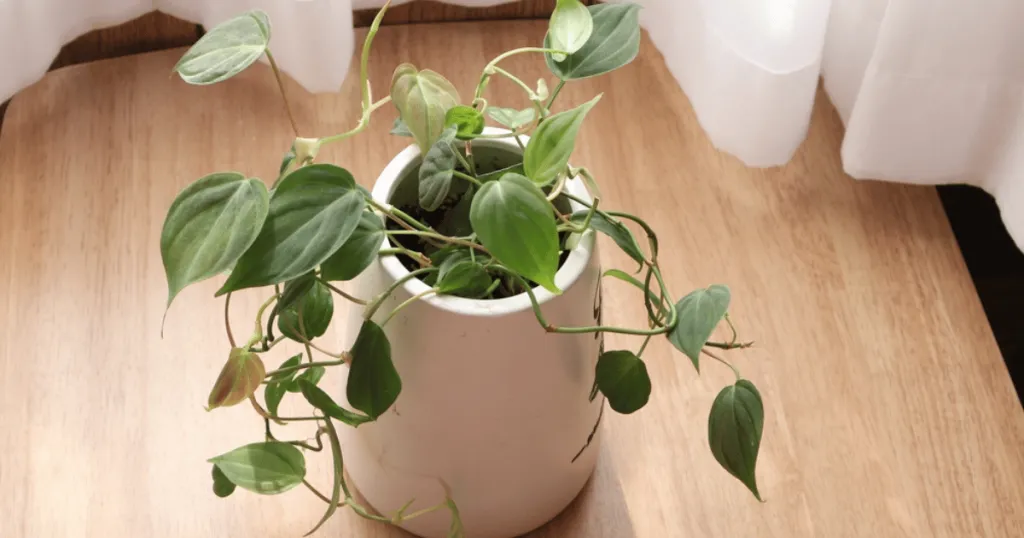
Symptom-to-Cause Diagnosis for Office Philodendrons
Different physical symptoms point directly to specific environmental or care errors. Reviewing the precise presentation of distress helps isolate the exact cause without resorting to guesswork or unnecessary interventions.
| Symptom | Likely Cause | Fast Fix |
|---|---|---|
| Yellow lower leaves | Overwatering or compacted soil holding too much moisture | Let soil dry further; check drainage holes |
| Brown, crispy leaf tips | Low humidity from office HVAC or underwatering | Relocate away from air vents; establish a steady routine |
| Leggy stems with tiny leaves | Insufficient light in deep office interiors | Move closer to a window or add a desk lamp with LED growth bulbs |
| Soft, blackened stem base | Advanced root rot from chronic waterlogging | Inspect roots, trim decay, and propagate healthy vine cuttings |
Root Causes and Targeted Fixes for Common Issues
Overwatering and Root Rot
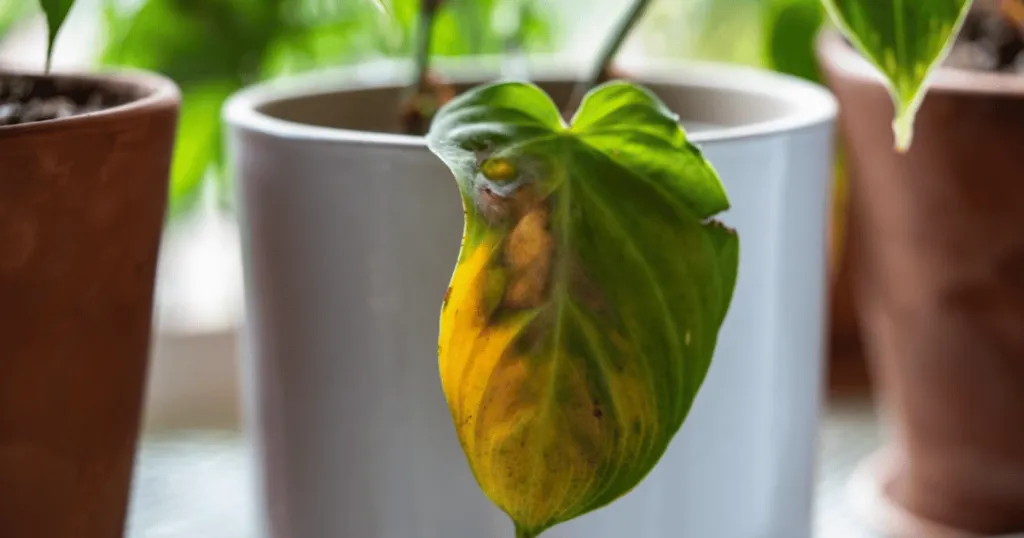
Root rot stands as the single most destructive issue affecting office plants. In many workplaces, well-meaning team members water plants on a rigid calendar schedule regardless of actual soil moisture. When soil stays saturated continuously, oxygen cannot reach the root system, causing roots to turn brown, mushy, and foul-smelling. The foliage above will often show pale yellow chlorosis, starting with the older leaves near the base of the stems. Addressing philodendron root rot requires swift intervention before the fungal pathogens spread entirely through the root system and collapse the vascular tissue of the trailing philodendron care routine.
To address early-stage overwatering, immediately cease all watering and allow the top two inches of the potting mix to dry out entirely. If the pot lacks drainage holes, transfer the plant into a container with proper bottom drainage to ensure excess moisture escapes freely. For severe cases involving heavy root decay, unpot the plant, rinse the root ball under lukewarm water, use clean shears to snip away rotted tissue, and repot in fresh, well-aerated potting soil enriched with perlite. This office plant troubleshooting step ensures that future moisture drains away efficiently, safeguarding against recurring philodendron yellow leaves.
In open office layouts, multiple individuals might quietly water the same decorative container throughout the workweek without realizing someone else already poured a cup of coffee or leftover water into the pot. This cumulative moisture overload catches managers by surprise because the topsoil looks deceptively dry while the lower root zone remains completely waterlogged. Establishing a strict single-caretaker protocol or implementing a communal tracking magnet on a filing cabinet eliminates this hidden risk entirely.
Underwatering and Dehydration Stress
While philodendrons tolerate occasional neglect better than excessive moisture, chronic underwatering leaves clear physical marks. When the potting mix goes bone dry for too long, cells collapse, resulting in drooping vines, curled leaves, and crisp, brown margins. This issue frequently occurs over long holiday weekends when office HVAC systems run continuously, drying out the ambient air and accelerating soil evaporation.
Reviving an underwatered vine requires more than a simple top splash. If the soil has pulled away from the inner walls of the container, submerge the entire nursery pot in a basin of water for fifteen minutes until the root ball is thoroughly saturated. Afterward, let the pot drain completely before returning it to its decorative outer container. Establish a simple routine: press a finger one inch deep into the soil each week, and only add water when that top layer feels completely dry.
When office buildings switch from heating to cooling modes seasonally, indoor humidity drops drastically, accelerating moisture loss from the root ball. If you notice the potting mix repelling water during routine hydration – where liquid simply runs down the sides of the pot without soaking in – the organic matter has likely become hydrophobic. Remedy this by soaking the entire container in a basin for up to thirty minutes to rehydrate the compressed peat or coir substrate thoroughly before resuming regular watering schedules.
Light Deficiencies and Leggy Growth
Office spaces lit entirely by fluorescent or overhead LED ceiling fixtures often fail to provide enough intensity for lush, compact tropical foliage. When heartleaf philodendrons lack adequate illumination, they stretch rapidly toward the nearest light source, resulting in long, bare vines with wide gaps between small leaves. This developmental pattern is known as etiolation. To evaluate this accurately during office plant troubleshooting, look for stems that are pale and spaced far apart rather than tightly clustered.
Relocating the plant closer to a west-facing or east-facing window generally restores normal growth habits. If natural daylight is entirely absent in an interior cubicle or windowless conference room, supplement the space with a dedicated LED desktop grow light operating on a timer for eight to ten hours daily. Pruning back overly leggy stems encourages the plant to branch out into a fuller, bushier shape once better lighting is established.
It is crucial to differentiate between natural downward growth and stretching caused by dim conditions. A healthy trailing vine will still produce normal-sized leaves along its length, whereas an etiolated stem features noticeably smaller, paler leaves with significant internodal spacing. If your office desk sits far from windows, relying solely on standard office lighting will eventually degrade the plant’s structural density, making preventative pruning and supplementary desk illumination necessary components of workplace plant management.
Managing Environmental Stress in Workspace Interiors
HVAC Drafts and Humidity Challenges
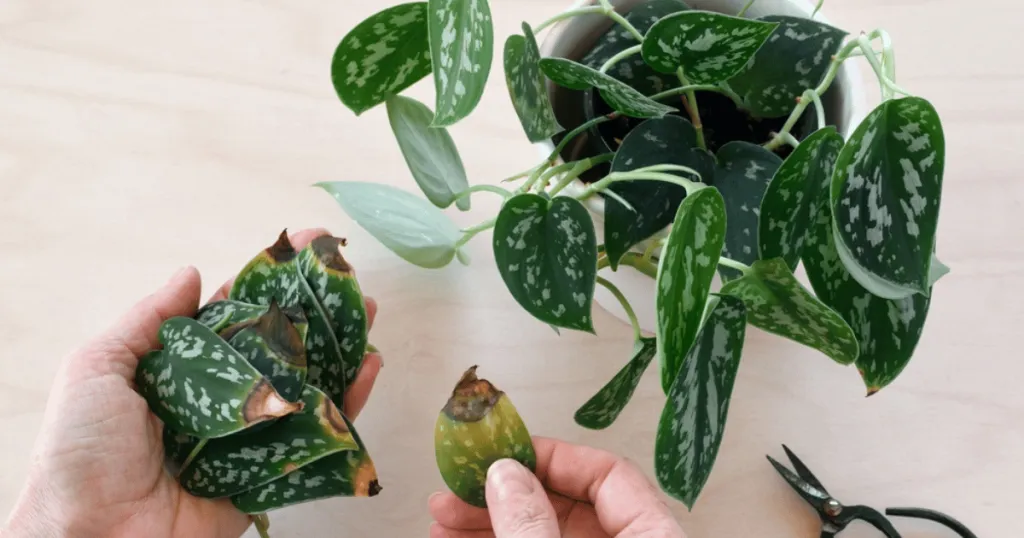
Office microclimates are notoriously harsh on tropical flora. Overhead heating vents and powerful air conditioning units create continuous air movement that strips moisture from foliage faster than the roots can replace it. This manifests as brown leaf tips and brittle margins. While setting up a bulky room humidifier in a shared office space is rarely practical, grouping multiple plants together creates a localized microclimate with slightly elevated ambient moisture.
Additionally, ensure the trailing vines do not directly touch heating or cooling ducts. Positioning the container slightly away from direct airflow channels prevents sudden thermal shock and reduces moisture loss.
Thermal drafts also cause rapid temperature fluctuations between day and night when office building climate control systems cycle down after hours. A philodendron placed directly beneath an unsealed window or a high-velocity supply vent will experience abrupt chilling or overheating, causing leaves to drop prematurely even when soil moisture levels are ideal. Inspecting the immediate ceiling and wall architecture around your desk setup helps identify invisible airflow hazards before they compromise leaf integrity.
Pest Pressures Indoors
Indoor office environments occasionally harbor common pests such as spider mites, mealybugs, and scale insects. These organisms thrive in the warm, stable temperatures found in modern buildings. Spider mites favor dry conditions created by office heating systems, leaving fine webbing along the undersides of leaves and a stippled, faded appearance on the foliage.
Inspect the stems and leaf joints regularly during routine office maintenance. If pests appear, wipe down the affected vines with a damp microfiber cloth dipped in a mild solution of water and a few drops of mild liquid dish soap. For persistent infestations, apply insecticidal soap spray according to package instructions, ensuring thorough coverage of all leaf surfaces.
Because office buildings are tightly sealed and share central ventilation ducts, pest populations can migrate quickly between different workspaces or cubicles if plants are brought in from home without prior inspection. Always quarantine new arrivals for at least a week, checking the leaf axils and undersides carefully for microscopic invaders before integrating them into shared meeting rooms or communal reception areas.
Prevention Habits for Long-Term Office Plant Health
Establishing consistent maintenance habits eliminates the guesswork that leads to declining plant health. Assigning a single caretaker for the office workspace prevents the common mistake of multiple people watering the same container throughout the week. A shared digital reminder or a physical soil moisture meter helps verify whether a plant actually needs water before anyone reaches for a watering can.
Prune away spent or damaged leaves promptly to direct the plant’s energy toward new, healthy shoots. During spring and summer months, apply a balanced, water-soluble houseplant fertilizer at half-strength once a month to support steady growth. Skip fertilization entirely during autumn and winter when natural light levels drop and the plant enters a period of slower metabolic activity. By matching care routines to the natural seasonal rhythms of the plant, heartleaf philodendron problems remain rare and easy to manage before they threaten the life of your workspace greenery.
Related Heartleaf Philodendron Guides
FAQ
Are heartleaf philodendrons safe to keep around office pets?
According to veterinary guidance from organizations like the ASPCA, heartleaf philodendrons contain calcium oxalate crystals, which are toxic to cats and dogs if chewed or ingested. If your office welcomes pets, keep trailing vines elevated on high shelving or secure hanging baskets well out of reach.
Should I cut off yellow leaves on my philodendron?
Yes, once a leaf turns completely yellow or brown, it will not turn green again. Snip it off close to the main stem using clean, sterilized shears to redirect the plant’s energy toward healthy new growth and improve overall air circulation.
Why are my philodendron leaves curling inward?
Inward curling usually indicates severe underwatering, low humidity, or heat stress caused by proximity to an office heating vent. Check the soil moisture immediately and relocate the pot if it sits in a strong thermal draft.
How often should I fertilize an office philodendron?
Fertilize once a month during the active growing season in spring and summer using a diluted liquid houseplant fertilizer. Stop fertilizing completely during fall and winter when reduced light slows down plant growth.