A large snake plant is one of the more dependable floor plants for an office, provided it has a stable spot, a pot with drainage, and a team that does not water it on a fixed weekly schedule. Its upright leaves use little floor space, so it works especially well beside a reception desk, in a meeting-room corner, or near a bright but indirect window.
Size does not make this plant harder to care for, but it does make poor placement more obvious. A tall specimen under a cold AC vent, in a decorative pot without drainage, or in a dim interior zone can decline slowly. Use this guide to decide where a large specimen belongs, how much light it actually needs, and whether it is appropriate for a shared workplace.
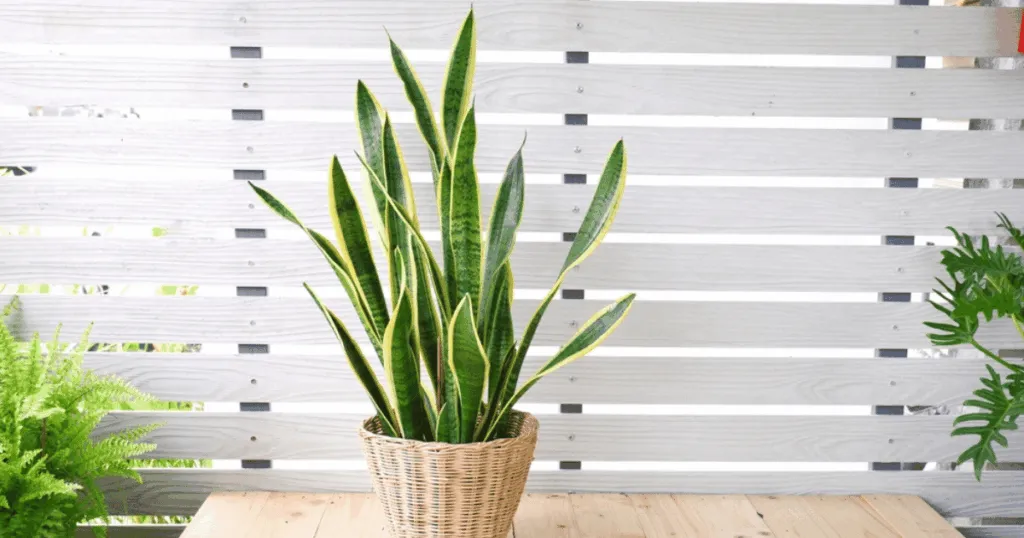
Where a Large Snake Plant Works Best in an Office
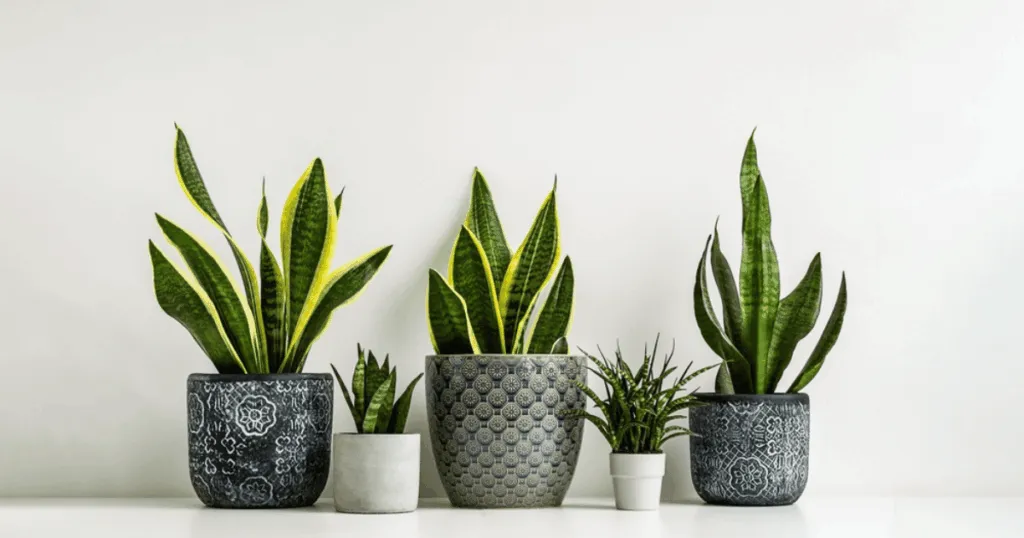
Snake plants are commonly sold under the older name Sansevieria trifasciata. Their accepted botanical name is now Dracaena trifasciata. Tall forms are often labeled simply as snake plant, mother-in-law’s tongue, or Sansevieria. Mature plants may stand 3 to 6 feet tall indoors, depending on the cultivar, pot size, and growing conditions.
For office use, their main advantage is their vertical shape. A plant that is 4 feet tall may take up only a 12 to 16 inch-wide footprint. That is much easier to accommodate than a broad, leafy floor plant in a narrow lobby or between workstations. Still, leave clearance around the leaves so people do not brush against them while carrying bags, carts, or boxes.
| Office location | Suitability | What to watch for |
|---|---|---|
| Within 3 to 6 feet of a bright window | Excellent | Sheer curtains or tinted glass can soften harsh afternoon sun. |
| Bright reception with daylight plus ceiling lights | Good | Turn the pot every month or two if one side faces the window. |
| Open office 8 to 15 feet from windows | Possible, but slow-growing | Use a spot with strong all-day LED lighting, or add a grow light. |
| Interior conference room with lights off overnight | Usually poor long term | Move it closer to daylight or provide a timed grow light. |
| Directly under an AC vent or beside a radiator | Poor | Cold blasts and hot, dry air can mark leaves and stress roots. |
Light: tolerant does not mean no-light
A large snake plant tolerates low light better than many tropical houseplants, but it does not thrive in a windowless area lit only during business hours. In practical terms, it can hold its appearance in low light, yet new leaves will be sparse and the soil will dry very slowly. Slow drying is where overwatering problems start.
Medium to bright indirect light is the better target. This can mean a few feet from an east-facing window, set back from a south or west window, or near a large north-facing window. Direct hot sun through clear glass can bleach or scorch leaves, especially after a plant has been kept in lower light.
If the plant must sit far from a window, assess the light where the pot will stand, not at the nearest desk. Ceiling LEDs may support survival if they are bright and on for a full workday, but they rarely match useful window light at floor level. A small, timer-controlled grow light is more reliable than hoping general office lighting is enough.
Temperature, drafts, and office heat
Keep snake plants in ordinary indoor temperatures, ideally about 65 to 80°F [18 to 27°C]. They can cope with short periods slightly outside that range, but avoid temperatures below 50°F [10°C]. A loading-door draft in winter or an unheated office over a holiday weekend can cause soft, damaged tissue.
Do not place the container directly beneath a ceiling diffuser. AC airflow may leave dry brown patches or cause the plant to lean away from the stream. Keep it at least several feet from radiators, baseboard heaters, printer exhaust, and equipment that gives off sustained heat. The real concern is abrupt temperature change, not normal air-conditioned office humidity.
How to Water a Tall Snake Plant Without Root Rot
A large container holds much more wet soil than a desk pot. That means a tall snake plant often needs watering less frequently, not more frequently. In many offices, check it every 2 to 3 weeks and water only when the potting mix is dry well below the surface, usually at least the top half of the pot.
In brighter, warmer conditions, watering may be needed every 2 to 4 weeks. In low light, cool rooms, or winter, 4 to 8 weeks is common. These are checking intervals, not calendar appointments. Push a wooden chopstick or moisture probe deep into the pot near the root zone. If it comes out damp or carries dark soil, wait. A pot that feels noticeably lighter is another useful sign.
Use a drainage pot and empty the cachepot
Water thoroughly until a little water runs from the drainage holes, then let the pot drain completely. If the grow pot sits inside a decorative cachepot, empty the collected water after 10 to 15 minutes. Never leave roots standing in water. Heavy ceramic floor planters can hide this problem for weeks.
A self-watering reservoir is usually not our first choice for a snake plant, particularly in a low-light office. Constantly moist mix conflicts with the plant’s drought-tolerant root system. If your workplace uses a reservoir planter, let the reservoir run empty and allow the soil to dry substantially before refilling it.
Yellowing leaves, a soft base, a sour smell, or leaves that collapse near the soil line can point to excess moisture and root rot. Stop watering, check that drainage is open, and inspect the roots if the problem continues. For a fuller diagnostic checklist, see snake plant watering problems.
Create one shared watering rule
Large plants often fail because several well-meaning people water them. Put a small care card near the pot or in the facilities log: “Check every other Friday. Water only if the lower root zone is dry. Record the date.” One named person should make the final watering decision, even if others help.
Before a three-day weekend or office closure, do not add water “just in case.” A healthy, established specimen can tolerate dry soil for weeks. Water before a long closure only if the dry-depth check shows it is genuinely ready. This approach is safer than sending it into a dark, empty office with wet roots.
For a more detailed routine for smaller and larger containers, use this snake plant watering routine.
Choosing the Right Size, Pot, and Cultivar
Buy for the finished location, not the blank space you see today. A 4 to 5 foot plant needs a stable floor position, especially in a busy lobby. Allow room for new leaves, a saucer or liner, and access for watering. Do not wedge leaves behind furniture or between filing cabinets, where they collect dust and get bent.
For most office floors, a specimen in a 10 to 14 inch nursery pot inside a stable outer planter is manageable. A much larger container is heavy to move, hard to inspect for standing water, and awkward to repot indoors. Choose a planter with a wide base. Tall, narrow containers can tip if the root ball is top-heavy or someone catches a leaf with a bag.
Tall varieties and what their shape means
Common tall choices include ‘Laurentii’, with yellow-edged leaves, and upright green forms often sold as ‘Zeylanica’. Both can become substantial floor plants. A compact bird’s nest snake plant, often called ‘Hahnii’, is not a substitute if you need height. It stays much lower and fits a desk or credenza better.
Variegated leaves need more light than solid green leaves to retain strong color. If a yellow-edged plant is in deep shade, new growth may be less distinct and the plant will be slower to dry after watering. For a dim office corner, a solid green tall form is generally the more forgiving choice.
Repot only when the plant needs it
Snake plants prefer a snug root zone and do not need annual repotting. Repot when roots crack a plastic nursery pot, push the plant upward, fill the container so tightly that water runs straight through, or make the pot unstable. Move up only 1 to 2 inches in diameter. A much larger pot holds extra wet mix around a small root ball.
Use a fast-draining indoor potting mix amended with cactus mix, perlite, or pumice. Schedule this task during a quiet office day and protect nearby flooring. If there is no suitable indoor work area, ask a professional plant service or take the plant home for the repotting task rather than spilling soil in a shared lobby.
Pets, Children, and Shared Reception Areas
Snake plants are not a safe chewing plant for a pet-friendly office. The ASPCA lists snake plant as toxic to cats and dogs because it contains saponins. Chewing or swallowing plant material may cause drooling, nausea, vomiting, or diarrhea. If a pet has eaten leaves, contact a veterinarian or animal poison-control service promptly for case-specific advice.
For offices with visiting dogs, office cats, toddlers, or children in a reception area, choose a location behind a desk, inside a plant stand with a barrier, or skip this species. Placing it on the floor beside a waiting area is not a sensible risk-management choice. The pointed leaf tips can also be uncomfortable at face height for a crawling child, even though the leaves are not sharply woody.
Wipe leaves with a damp microfiber cloth every month or two to remove office dust. This improves appearance and lets you check for scale insects or mealybugs. Avoid leaf-shine sprays, which can leave residue and make dust stick more readily. Snake plants are usually a tidy choice, but broken leaves should be removed promptly from shared spaces.
Do not rely on a large snake plant to clean office air. The often-cited NASA Clean Air Study used sealed test chambers. A few plants do not measurably clean the air in a real ventilated office. Their more realistic value is visual comfort, a calmer-looking space, and a living focal point that can improve how people feel about their workplace.
Place Your Large Snake Plant This Week
Start by measuring the intended floor spot and checking how much daylight reaches it. Put the large snake plant in a drainage pot, keep it away from vents and heaters, and assign one person to check the soil every 2 to 3 weeks. If the only available space is dark, wet-prone, or accessible to pets, choose a different location or a different plant.
Once it is settled, resist frequent moving and routine watering. A stable location, bright indirect light, and dry intervals between watering will do more for its long-term appearance than extra attention. For broader placement ideas, see low-maintenance office snake plants.
FAQ
How fast does a large snake plant grow indoors?
Most snake plants grow slowly indoors, especially in offices with modest light. A large specimen may produce only a few new leaves in a year. Brighter indirect light and warm, stable conditions encourage more growth, while dim spaces keep the plant nearly the same size. Do not try to speed growth with frequent fertilizer or extra water.
Can I cut a tall snake plant leaf shorter?
You can cut a damaged leaf near the soil line, but cutting across the middle does not create a new pointed tip. The cut edge will remain blunt and may brown slightly. If a leaf is too tall for its spot, removing the whole leaf is usually neater than shortening it. Move the plant rather than routinely trimming healthy leaves.
Should a large snake plant be fertilized in an office?
Fertilizer is optional for a healthy office snake plant. If it receives medium or bright indirect light and is actively growing, use a balanced houseplant fertilizer diluted to half strength once in spring and once in summer. Do not fertilize a stressed, recently repotted, low-light, or dry plant. Too much fertilizer can leave damaging salts in the potting mix.
Why are my large snake plant leaves leaning outward?
Leaves may lean because the plant is reaching toward a window, has grown top-heavy, or has loose roots after overwatering. Rotate it gradually if one-sided light is the cause. If the base feels soft or the potting mix stays wet, check drainage and roots instead. Tying leaves tightly together is only a temporary cosmetic fix and can trap moisture.