Understanding the chemical balance of your plant’s growing medium is essential for long-term vitality, particularly when managing office plants that already face the challenges of low ambient humidity and artificial lighting. When foliage begins to yellow or growth stalls despite regular watering, the underlying issue is frequently nutrient lockout caused by an improper balance of alkalinity or acidity. Soil pH testing at home provides a direct window into this invisible chemical environment, allowing workplace managers and plant caretakers to diagnose root zone issues before they lead to plant decline.
While professional laboratory analysis offers extreme precision, several accessible methods allow you to measure alkalinity and acidity right at your desk or maintenance room. Knowing how to execute these checks correctly, understanding what the numbers signify in practice, and recognizing the limitations of consumer-grade testing kits will help you maintain healthy office greenery without guesswork.
Understanding the Chemistry of Growing Media
The measure of alkalinity or acidity in a growing medium dictates how efficiently roots can absorb essential minerals. On a logarithmic scale running from zero to fourteen, a reading of seven represents neutrality, while lower values indicate increasing acidity and higher values indicate alkalinity. Most tropical indoor species and common interior landscape plants thrive in a slightly acidic range between 6.0 and 6.5. When the balance drifts outside this optimal window, chemical reactions in the substrate bind crucial elements like iron, nitrogen, and phosphorus, rendering them completely unavailable to the root system even if abundant fertilizer is present.
Office environments introduce unique compounding factors that influence this chemical balance over time. Tap water in many municipal areas carries high levels of dissolved calcium and bicarbonate, which slowly neutralize acidic potting mixes and push the medium into alkaline territory. At the same time, the breakdown of organic peat-based potting soil naturally increases acidity as it ages. Recognizing these opposing forces helps explain why a stable watering routine can still result in nutrient deficiency symptoms after several months of growth. To maintain vibrant office plants under HVAC systems and fluorescent lighting, monitoring root zone chemistry is just as critical as managing your watering schedule.
When investigating potential nutrient lockout, facility managers should look beyond surface symptoms. For instance, interveinal chlorosis on new leaves often mimics a nitrogen or iron shortage caused by an incorrect chemical balance rather than an actual absence of fertilizer in the potting soil. By utilizing a soil acidity test kit or conducting a proper soil slurry test, caretakers can differentiate between true nutrient starvation and pH-induced chemical binding. Understanding this distinction prevents the common pitfall of continuously applying heavy doses of liquid fertilizer, which only serves to increase fertilizer salt accumulation and further destabilize the substrate.
Furthermore, the physical structure of office plant containers heavily influences how chemical changes manifest. Large decorative ceramic planters with limited drainage can trap mineral residues at the bottom of the pot, creating localized pockets of extreme alkalinity near the root tips while the upper layers remain relatively balanced. Regular monitoring helps catch these discrepancies before entire sections of the root system suffer from chemical burn or mineral toxicity. Recognizing these micro-environmental shifts ensures that your indoor greenery remains resilient despite the artificial constraints of a corporate workspace.
Methods for Checking Acidity and Alkalinity
Several distinct techniques exist for checking your substrate chemistry without professional laboratory equipment. Each approach relies on different principles, ranging from chemical color reactions to electrical conductivity. Selecting the right method depends on your available time, the scale of your interior landscape, and the level of precision required for your specific collection of office plants.
Colorimetric Indicator Dyes
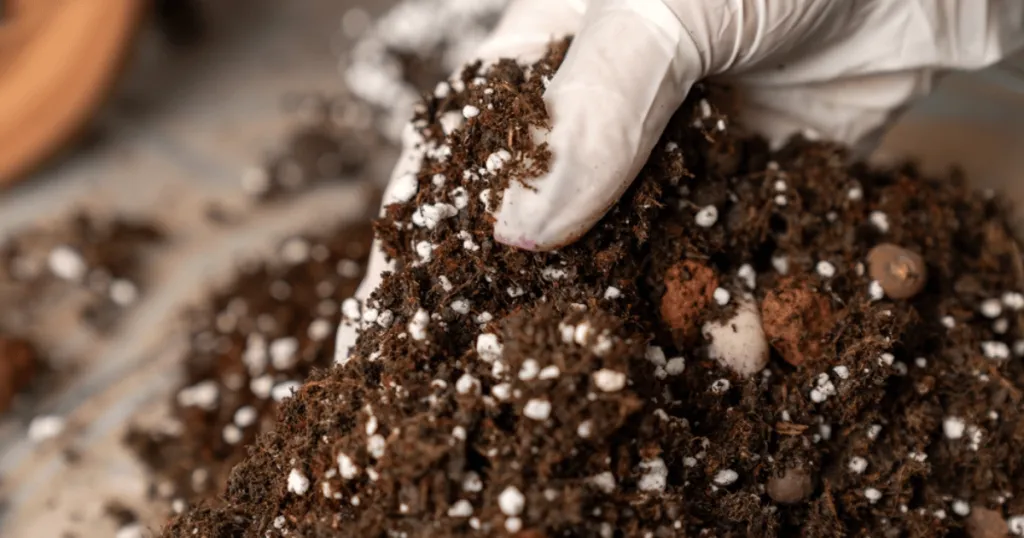
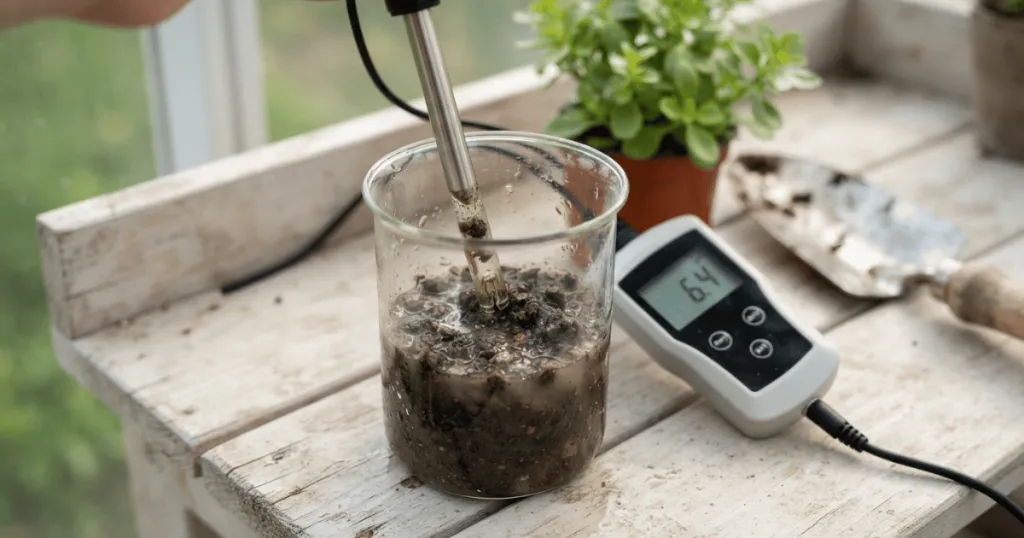
Liquid test kits and powder packets use chemical indicators that change color when mixed with a soil and water slurry. To perform this test, you collect a small representative sample from the root zone, mix it with distilled water according to specific instructions, add the indicator solution, and compare the resulting liquid color against a standardized chart. This method is inexpensive and provides a clear visual baseline, though reading subtle color gradients can sometimes introduce subjective interpretation errors. When evaluating indoor plant soil testing through colorimetric methods, always ensure you use a clear glass or white plastic vial to prevent ambient office lighting from distorting the color match.
To maximize the reliability of colorimetric tests in a busy workplace setting, always extract samples from the active root zone rather than the dry surface mulch. Surface amendments and top-dressed slow-release fertilizers can easily skew the sample and provide a false impression of the deeper growing medium chemistry. Taking core samples midway down the container yields a far more accurate representation of the root zone environment.
Direct Insertion Probes
Metal prong meters offer an instantaneous digital or analog reading when inserted directly into moist potting media. These devices measure electrical conductivity or electrochemical potential between two dissimilar metals. While highly convenient for quick routine checks across multiple office planters, inexpensive consumer probes are notoriously prone to calibration drift and can give misleading readings if the substrate is too dry, too compacted, or contaminated with residual fertilizer salts. A quality potting soil pH meter should be wiped clean between every single insertion to prevent cross-contamination from minerals left behind in previous containers.
When relying on insertion probes, office caretakers must account for soil moisture levels. Because electrical conductivity relies on moisture to complete the circuit, testing dry potting soil yields erratic or artificially high readings. It is best to perform direct insertions a few hours after a thorough watering session to ensure consistent electrical contact across the metal prongs.
The DIY Vinegar and Baking Soda Test
A quick qualitative assessment can be performed using common household ingredients. By placing a soil sample in a container and adding white vinegar, a fizzing reaction indicates alkaline conditions due to the presence of free carbonates. Conversely, adding baking soda to a separate damp sample that has been mixed with distilled water can reveal extreme acidity if bubbling occurs. While this method cannot provide a specific numerical value, it serves as a fast screening tool to confirm whether your medium leans heavily toward one extreme before investing in dedicated measuring soil alkalinity tools.
Interpreting Results and Taking Corrective Action
Once you obtain a numerical reading or chemical reaction from your assessment, translating those findings into practical adjustments requires careful judgment. If your test indicates that the medium has become too alkaline, common in offices using hard tap water, you may need to flush the soil thoroughly with filtered water or incorporate acidic amendments such as elemental sulfur or peat moss during repotting. If the medium has drifted into excessive acidity, which can occur as old organic matter decomposes, mixing in small amounts of horticultural lime or switching to a balanced, pH-neutral fertilizer formulation can restore stability.
A common mistake during this process is attempting drastic corrections too quickly. Sudden shifts in root zone chemistry shock delicate feeder roots, often causing more damage than a mildly suboptimal pH level. Instead, implement gradual adjustments over several watering cycles, and always verify that your drainage holes are completely clear to prevent salt accumulation from distorting subsequent readings. When managing large statement plants in reception areas, making incremental changes to your tap water quality management and incorporating targeted growth medium amendments ensures steady recovery without triggering leaf drop.
Another crucial factor is evaluating whether the growing medium has degraded structurally. Over time, organic components break down into fine silt that compacts tightly around roots, holding excess moisture and blocking oxygen exchange. If a pH test reveals severe, uncorrectable chemical imbalances alongside severe compaction, the most practical solution is complete soil replacement rather than chemical amendment. Fresh potting soil provides an immediate reset for stressed office specimens.
Establishing a Routine Check Schedule
Routine monitoring prevents minor chemical imbalances from escalating into severe nutritional deficiencies. Rather than testing every single container weekly, focus your efforts on high-value statement plants in the reception area or large floor specimens that are difficult to repot frequently.
Incorporate a quick check into your seasonal maintenance calendar, ideally during the active spring growing season and again in autumn before indoor heating systems activate. Keeping a simple log of your findings helps you track how tap water and fertilizers alter your specific office plant collection over time, ensuring your indoor ecosystem remains vigorous and resilient throughout the year. Regular observation paired with periodic chemical assessments bridges the gap between basic watering and professional interior plant care.
For large open-plan offices with dozens of individual desk containers, grouping plants by watering source and potting medium type simplifies testing protocols. If identical potting soil and tap water are used across an entire floor, sampling a representative subset of containers provides accurate insight into the broader collection without requiring exhaustive individual testing cycles. This strategic approach keeps maintenance efficient while protecting the overall health of your workplace greenery.
FAQ
Can I use regular tap water to mix my soil sample for a home test?
Using tap water for home testing slurries can significantly distort your results because municipal water often contains dissolved minerals and varying alkalinity levels. Always use distilled or deionized water for preparing soil slurries to ensure accuracy.
Why do direct insertion metal probe testers often give inaccurate readings?
Metal probes rely on moisture and electrical conductivity to estimate values. If the soil is dry, compacted, or contains concentrated fertilizer salts, the electrical current changes independently of the actual acidity, leading to false readings.
How often should office plants be checked for chemical balance issues?
Most healthy indoor plants only need a check once or twice a year unless they display unexplained chlorosis, stunted growth, or leaf drop that does not resolve with standard adjustments to light and watering.