Workplace greenery brings vitality to sterile cubicles and high-traffic boardrooms, but office plants operate under unique environmental constraints. Fluorescent lighting, dry HVAC air, and inconsistent watering routines mean desk specimens endure stressors unknown to outdoor counterparts. Over months and years, even the hardiest pothos or snake plant outgrows its container. Recognizing the physical indicators of root congestion helps office managers and staff intervene before health declines.
Understanding when to upgrade a container requires looking beyond surface foliage. While yellowing leaves or slowed growth often prompt concern, these symptoms also point to watering mistakes or seasonal dormancy. A reliable evaluation examines root architecture, soil integrity, and physical stability inside the container. Knowing what to look for prevents unnecessary plant stress and ensures your workplace flora remains vibrant throughout the year.
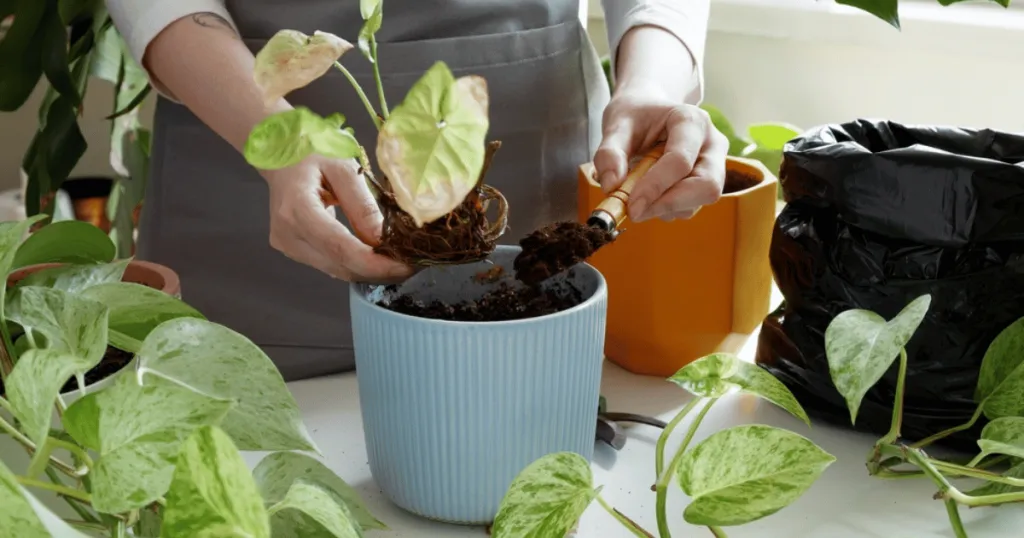
Physical Cues Above the Soil Line
When an indoor plant exhausts the capacity of its current container, the stress manifests visibly across stems, leaves, and overall structure. Office workers often notice subtle changes long before examining the root ball. Paying attention to these surface-level shifts helps you catch container congestion early.
Stunted Foliage and Slowed Growth
A healthy office plant typically produces active new leaves during spring and summer months. If your desk fern or office palm produces persistently small leaves or stalls entirely during peak growing seasons, restricted root space is a frequent culprit. Without adequate room for expansion, plants lack the resources required to sustain new cellular growth, diverting all energy into basic survival rather than canopy development.
In climate-controlled office spaces, this stagnation is often misattributed to a lack of natural sunlight or seasonal shifts. However, when foliage emergence slows to a complete halt despite standard watering and steady indoor temperatures, it signals a deeper physiological bottleneck. As roots crowd the internal volume, nutrient uptake plummets because there is simply not enough active soil surface area to absorb trace minerals and moisture. Identifying this foliage restriction early allows facilities teams to schedule maintenance before permanent damage occurs to the plant’s vascular network.
Frequent Wilting and Dryness
When a plant becomes root-bound, the root mass expands to occupy nearly the entire interior volume of the pot, leaving very little room for potting mix. In this scenario, pouring water into the container results in immediate runoff straight through the drainage holes without saturating the medium. If you notice your office plants drying out within a day or two of a thorough soaking despite a reliable watering schedule, the root-to-soil ratio is likely severely imbalanced.
This rapid desiccation catches many office managers off guard. Staff members may respond by increasing watering frequency, yet the plant continues to wilt because water fails to penetrate the densely packed root ball. Instead, the liquid channels down the narrow gap between the soil mass and the nursery pot sides. Understanding this dynamic prevents over-correcting with water when the true solution requires expanding the physical boundary of the container and replenishing the depleted medium.
Root System and Soil Indicators
The most definitive evidence of container congestion resides beneath the surface. Inspecting the root system requires gently lifting the plant or checking the base of the container. Recognizing these underground patterns prevents misdiagnosis.
Roots Emerging from Drainage Holes
One of the most obvious physical warnings occurs when thick, fibrous, or white roots push downward and emerge through the bottom drainage holes of the pot. While occasional fine root tips are normal, a dense cluster of roots escaping the container indicates that the internal volume is completely exhausted. In office environments, staff often trim these escaping roots to fit decorative outer cachepots, but this only offers a temporary fix that fails to resolve the underlying spatial restriction.
When roots exit the drainage holes, they signal that the plant has exhausted every available cubic centimeter of its current enclosure. Trimming these exploratory roots without upgrading the container forces the plant to redirect vital energy into wound healing and redundant root production, exacerbating foliage decline. Workplace caretakers should view escaping roots as an unmistakable eviction notice, prompting a transition into a suitably scaled container.
Circling Roots and Root Binding
Gently sliding the plant out of its nursery pot reveals the internal root architecture. If roots wrap tightly around the outer perimeter in a dense, tangled mat, the plant is severely root-bound. Left unchecked, this circular growth pattern strangles the plant, restricting nutrient uptake and causing water to channel down the smooth sides of the pot instead of penetrating the root ball.
This condition, known scientifically as root circling, develops because roots naturally follow the physical boundary of their container. In an indoor potting mix that has aged and lost its structural integrity, circling roots can fuse into a solid, impermeable barrier. When performing routine office plant maintenance, breaking apart this outer layer or gently teasing the root ball loose is essential during a transfer to ensure new roots branch outward into fresh media rather than continuing their circular path.
Salt Crusts and Soil Degradation
Office tap water often contains dissolved minerals and salts that accumulate in potting mix over time, appearing as a crusty white residue on the soil surface or along the rim of the pot. Furthermore, organic components in standard indoor potting soil break down over months, collapsing into a dense, compacted sludge that lacks adequate aeration. When the soil loses its structure, roots suffocate from a lack of oxygen, making a fresh soil transfer essential.
Soil compaction destroys the tiny air pockets that roots require for cellular respiration. In office settings, where watering is often performed rigidly on a calendar schedule rather than based on soil feel, compacted soil stays waterlogged at the bottom while drying out completely at the top. This dual stress promotes anaerobic conditions, increasing the likelihood of root rot even if the plant appears dry on the surface.
Evaluating Office Environmental Pressures
Workplace conditions influence how quickly plants outgrow their containers. Artificial lighting schedules and consistent indoor temperatures can trick plants into continuous, albeit weak, growth cycles. Additionally, plants left unattended over long weekends or holiday closures may experience sudden moisture depletion, making root-bound specimens significantly more vulnerable to irreversible desiccation.
A common mistake in office settings is moving a struggling plant into an oversized container immediately. A pot that is too large holds excess moisture around uncolonized soil, inviting root rot. When upgrading, select a container that exceeds the current diameter by only one to two inches. This gradual scaling supports steady root development without overwhelming the plant’s natural balance.
Office microclimates introduce distinct variables. Plants positioned directly under harsh HVAC vents experience accelerated evaporation rates, drying out root-bound media within hours. Conversely, specimens sequestered in interior conference rooms with minimal air circulation retain moisture longer, increasing the risk of overwatering if the container is already congested. Evaluating these spatial factors helps managers determine whether a plant requires a simple container upgrade or a relocation to a more balanced office zone.
Practical Decision Framework for Workplace Greenery
Deciding whether to repot involves balancing visual cues with seasonal timing. For most indoor office species, the optimal window for root expansion is early spring, when natural daylight increases and active growth resumes. However, emergency repotting may be necessary at any time of year if severe root binding threatens plant survival.
Use this practical checklist for signs it’s time to repot your office plants:
- Check drainage holes for escaping root tips or dense fibrous mats.
- Observe watering frequency; if soil dries out within 24 hours consistently, investigate the root mass.
- Inspect the surface for white mineral crusts indicating compacted, exhausted potting mix.
- Examine overall plant stability; top-heavy specimens that easily tip over often require a heavier or wider base container.
If multiple indicators align, plan a scheduled maintenance session to refresh the soil and provide a slightly larger home for your office flora. Addressing these spatial limits proactively ensures your workplace plants continue to filter indoor air and enhance office aesthetics for years to come.
FAQ
Should I repot an office plant immediately after purchasing it from a garden center?
Most newly acquired office plants do not require immediate repotting. Nurseries often grow plants in ideal conditions, and forcing an immediate transition into a new container while the plant is still adjusting to office HVAC systems and low light can trigger shock. Allow the plant to acclimate to its workplace environment for a few months unless you spot severe root binding or pests.
Can I simply top-dress the soil with fresh compost instead of repotting?
Top-dressing replaces surface nutrients and minerals, which helps temporarily, but it does not solve underlying root congestion. If roots have completely filled the interior volume or begun circling tightly, adding fresh soil to the top of the pot fails to provide the physical space required for healthy root expansion and water retention.
What kind of potting mix should I use for office plants?
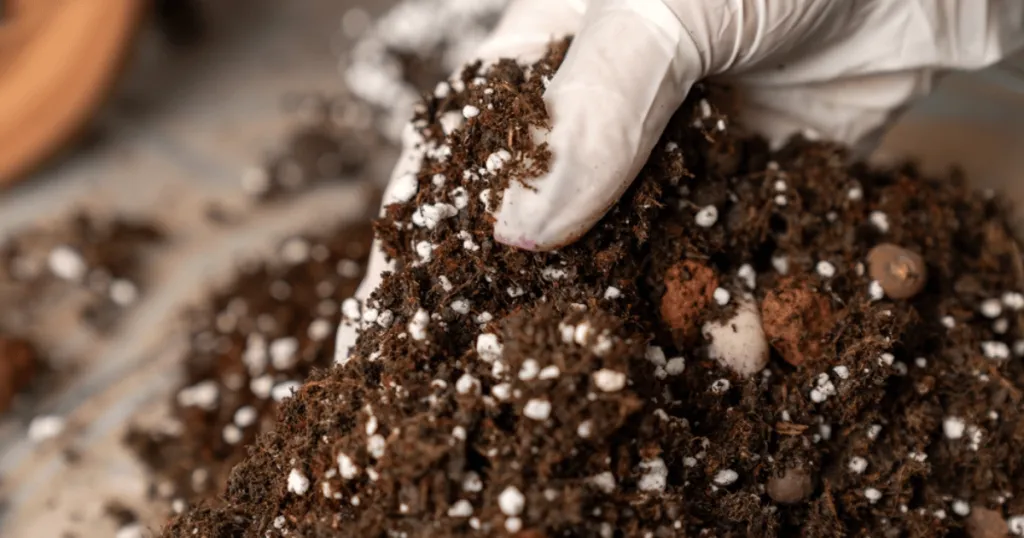
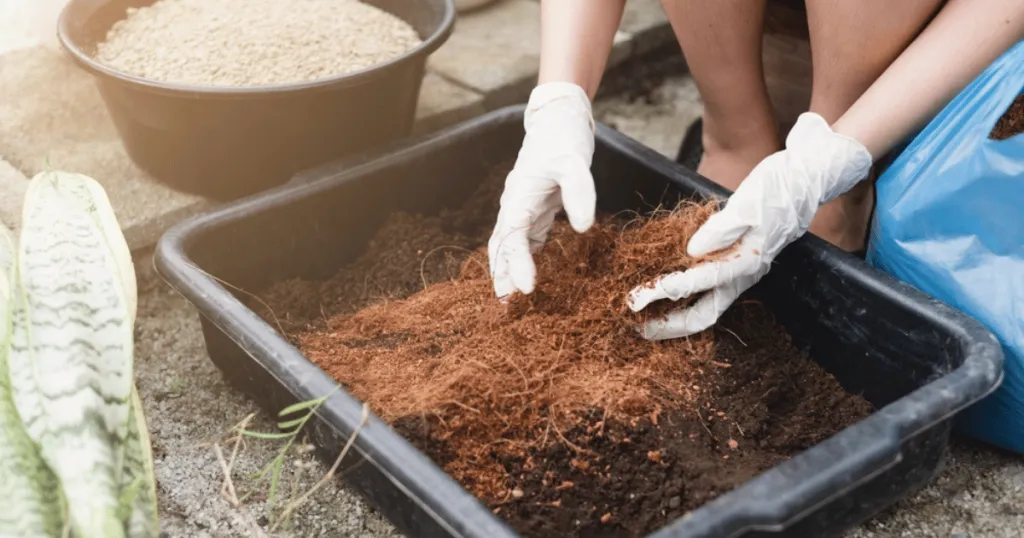
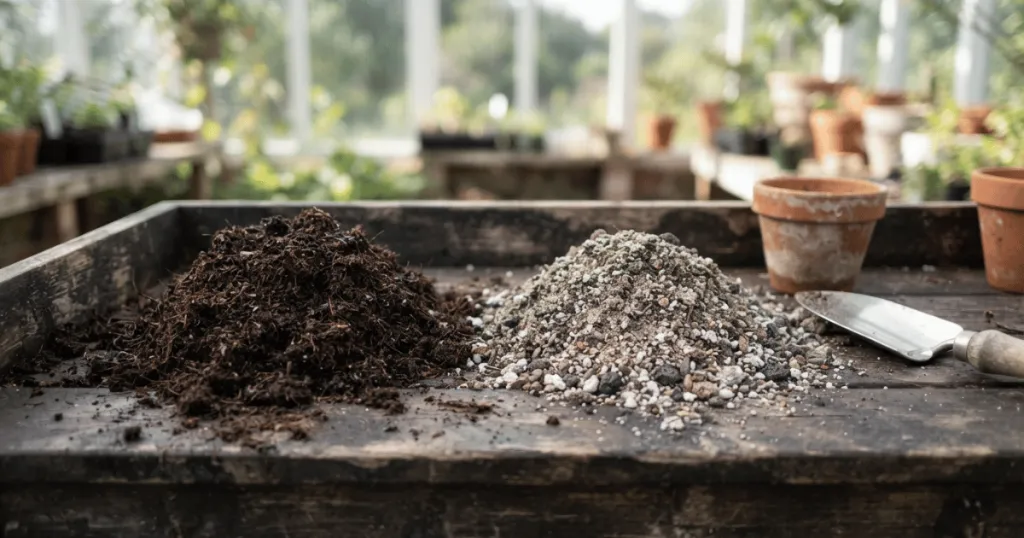
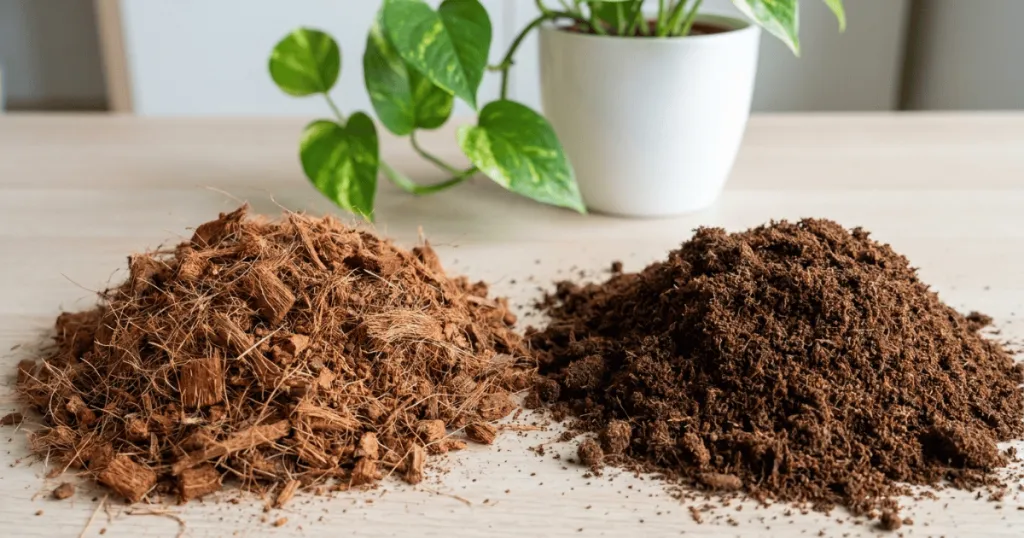
Standard garden soil is too heavy and compacts easily inside indoor containers, suffocating roots. Use a well-draining indoor potting mix formulated with ingredients like perlite, orchid bark, and peat moss or coconut coir to ensure proper aeration and moisture regulation in climate-controlled office environments.