If you are in a hurry, the single most important red flag to monitor is the presence of standing water in decorative containers, which is the primary cause of plant failure in professional settings. While it is tempting to treat office plants as static decor, they are living organisms that react negatively to the stagnant, oxygen-deprived conditions created by improper drainage. If you notice water pooling at the base of a cachepot, you must address it immediately to prevent root rot, as this condition is often irreversible once the root system begins to decay.
Maintaining indoor greenery in a professional environment requires a shift from traditional gardening habits. Unlike home environments, office spaces often feature consistent but artificial lighting, dry air from HVAC systems, and periods of neglect during weekends or holidays. A structured office plant maintenance checklist serves as the primary tool for workplace managers to ensure their living assets remain healthy rather than becoming a source of clutter or aesthetic decline.
Ignoring the specific needs of indoor plants in an office setting often leads to common issues like root rot from overwatering or leaf drop due to inconsistent environmental conditions. By establishing a routine inspection process, you can identify stressors before they cause permanent damage. This approach prioritizes plant health through consistent observation and timely intervention, ensuring your office remains a vibrant and welcoming space for employees and visitors alike.
Key Takeaway
Consistent observation and a standardized watering schedule are the most critical factors for long-term office plant success.
- Check soil moisture levels before adding water.
- Wipe leaves monthly to improve light absorption.
- Monitor for pests during every routine inspection.
Routine Inspection and Soil Management
The foundation of any effective maintenance plan is a regular, non-negotiable inspection schedule. In an office, it is easy to forget about plants until they show visible signs of distress. We recommend a weekly walkthrough where you treat each plant as an individual entity rather than part of a uniform display. During this time, you should verify the moisture level of the soil, as this is the most common point of failure in office plant care.
Verifying Soil Moisture
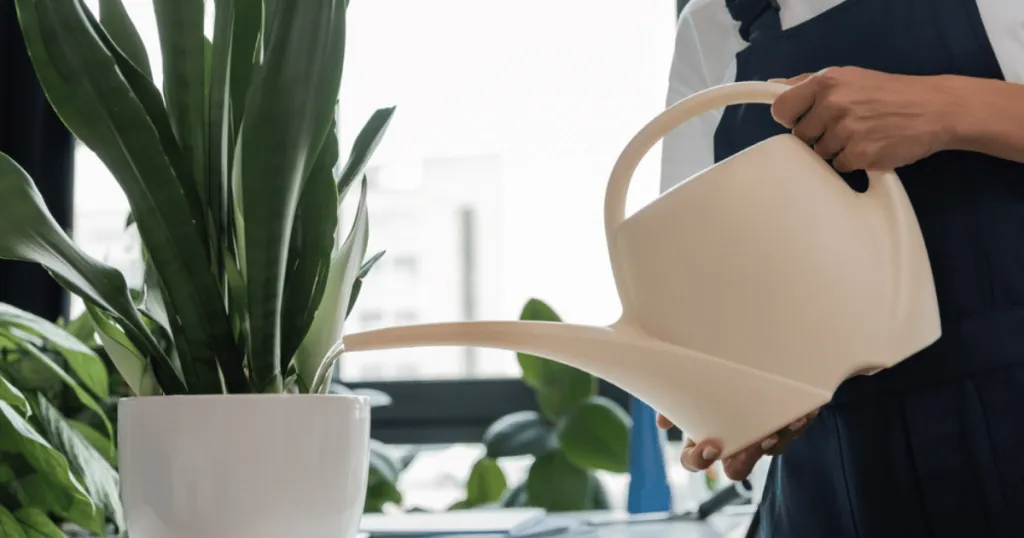
Never rely on a fixed calendar date for watering. Instead, use the finger test or a soil moisture meter to verify if the plant actually needs hydration. Insert your finger or a probe about two inches into the soil. If it feels damp, skip the watering for that week. Overwatering is significantly more damaging to office plants than underwatering, as saturated soil prevents oxygen from reaching the roots, leading to rapid decay in low-light conditions. When assessing soil, consider the ambient temperature; if the office thermostat is set lower over the weekend, the soil will retain moisture longer, necessitating a more cautious approach to hydration.
Assessing Drainage and Container Health
Ensure that every pot has functional drainage holes. If your office plants are in decorative cachepots without drainage, you must remove the inner nursery pot to water them in a sink or breakroom area. Allowing a plant to sit in standing water inside a decorative pot is a recipe for root rot. If you notice water pooling at the bottom of a container, drain it immediately and check the root system for signs of mushiness or a foul odor. If the roots appear brown and slimy, the plant is suffering from advanced root rot and may require repotting into fresh, well-draining soil to survive.
Environmental Monitoring and Foliage Care
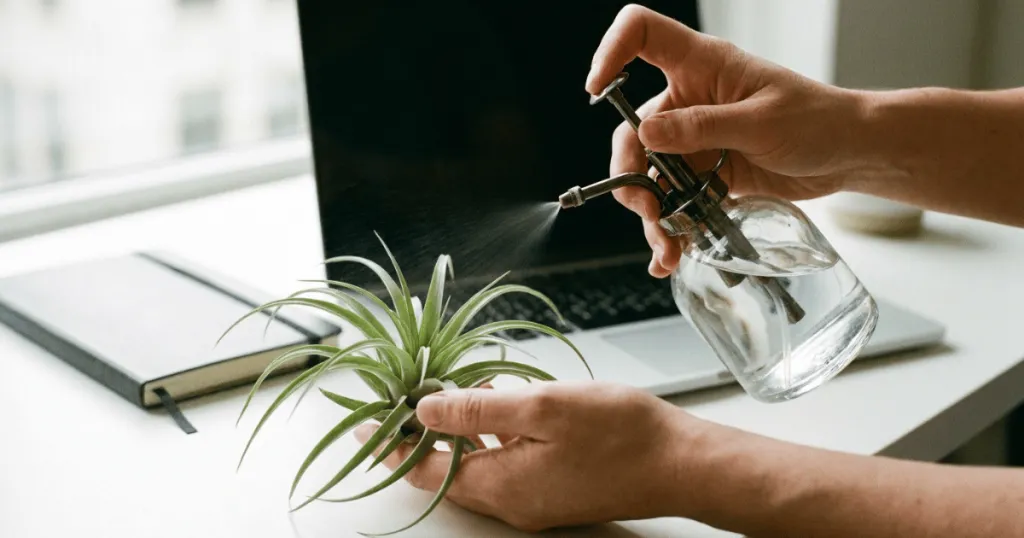
Office environments are often hostile to plants due to fluctuating temperatures and dry air. HVAC systems strip moisture from the air, which can cause leaf tips to brown on tropical species. While you cannot change the office climate, you can mitigate these effects through strategic placement and foliage maintenance.
Managing Light and Dust Accumulation
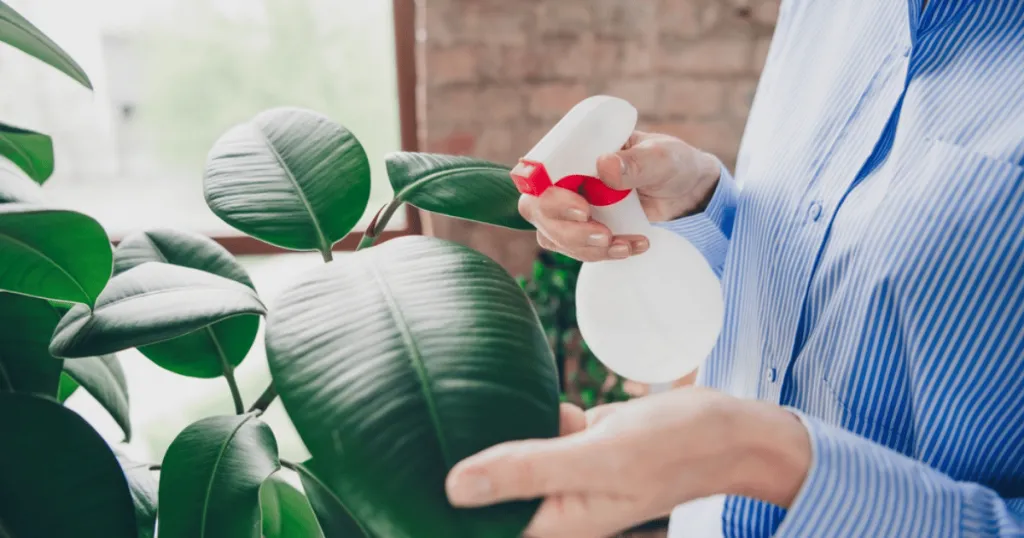
Dust acts as a barrier to photosynthesis, especially in offices with limited natural light. A layer of dust on the leaves prevents the plant from utilizing the available fluorescent or LED light efficiently. Make it a habit to wipe leaves down with a damp cloth every two to four weeks. This not only improves the plant’s ability to thrive but also keeps the office looking professional and clean.
If you notice a plant leaning heavily toward a window, rotate the pot a quarter turn each week to encourage even growth. For plants in windowless interior offices, ensure they are positioned to capture the maximum amount of overhead artificial light, as these plants are entirely dependent on the office lighting schedule for their energy production.
Identifying Environmental Stressors
Watch for signs of environmental stress such as crispy leaf edges, which often indicate low humidity or proximity to an air vent. If a plant is located directly under a supply vent, the constant airflow will dry it out rapidly. If possible, move the plant to a location with more stable air. If the plant must stay, increase your monitoring frequency to account for the accelerated evaporation caused by the airflow. Additionally, consider the impact of temperature fluctuations; plants placed near entryways may experience cold drafts in winter, which can trigger leaf drop even if the soil moisture is perfectly managed.
Red Flags and Diagnostic Checks
Certain indicators demand immediate action to prevent the loss of a plant. Recognizing these red flags early can save you from having to replace greenery frequently. When you perform your rounds, look for these specific warning signs that signal a need for intervention.
Pest Detection and Isolation
The most common office plant pests include spider mites, mealybugs, and scale. These insects thrive in the warm, dry conditions typical of modern offices. Inspect the undersides of leaves and the junctions where stems meet the main trunk. If you see fine webbing, sticky residue, or small cotton-like tufts, isolate the affected plant immediately. Moving it away from other plants prevents the infestation from spreading, which is critical in an open-office layout where plants are often grouped together.
For minor infestations, wiping leaves with a mild soap solution can be effective, but persistent pests may require the removal of the affected plant from the office environment entirely to protect the rest of your collection.
Yellowing and Dropping Leaves
While some leaf loss is natural as a plant matures, sudden yellowing or mass leaf drop usually points to a care error. If the lower leaves are yellowing, it often suggests overwatering. If the leaves are turning brown and crispy, it may be underwatering or excessive heat. Use these symptoms to adjust your care routine rather than simply removing the dead leaves and hoping for the best. If you see a sudden decline, check the soil moisture and the plant’s proximity to heat sources or drafts. Remember that plants often experience a period of acclimation when moved to a new spot; monitor them closely for two weeks before assuming a care error is the cause of leaf drop.
Advanced Maintenance Strategies for Workplace Managers
Beyond the weekly inspection, long-term success requires a proactive approach to plant health. This involves understanding the growth cycles of your specific plants and adjusting your care accordingly. During the winter months, when office heating is at its peak and natural light is at its lowest, most plants enter a period of dormancy. During this time, reduce your watering frequency significantly. Conversely, in the summer, when the office may be warmer and light levels higher, your plants will likely require more frequent hydration.
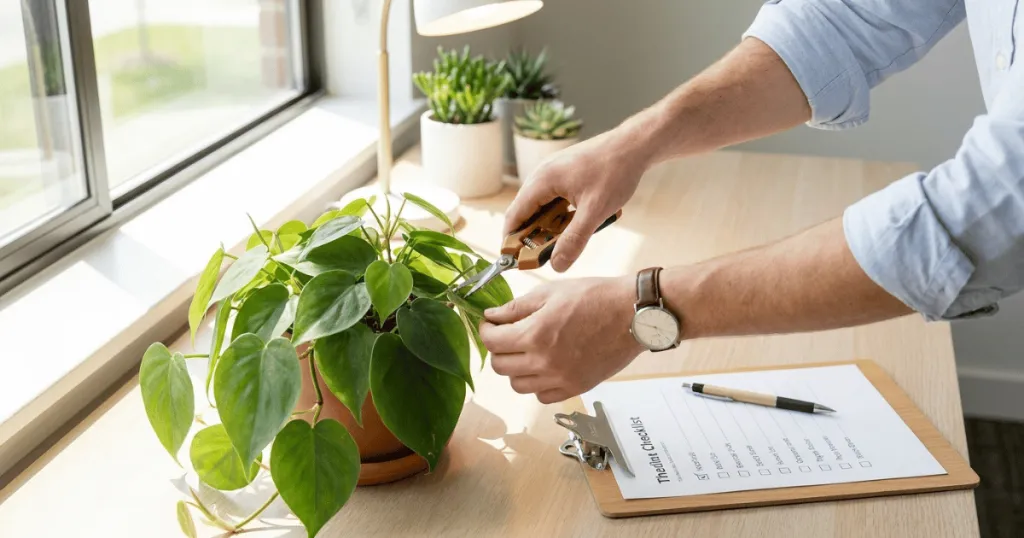
Consider the role of pruning in your maintenance routine. Removing dead or damaged foliage is not just for aesthetics; it redirects the plant’s energy toward healthy growth. Use clean, sharp shears to prune away yellowing leaves or stems that have become leggy due to low light. This practice keeps the plant compact and manageable, which is essential for maintaining a clean, professional look in a shared workspace. Always sanitize your tools between plants to avoid cross-contamination of potential pests or diseases.
Strategic Planning for Large Office Spaces
In larger corporate environments, the sheer scale of plant maintenance can become overwhelming. To manage this, categorize your plants by their specific light requirements. Create a map of your office floor plan that identifies “High Light,” “Medium Light,” and “Low Light” zones. This allows your maintenance team to prioritize plants that are in sub-optimal conditions. For instance, a plant in a dark corner will always be more susceptible to stress than one near a south-facing window. By grouping plants with similar needs, you can streamline your watering and fertilization schedule, reducing the risk of human error.
Furthermore, consider the impact of office traffic patterns. Plants placed in high-traffic corridors or near breakroom entrances are more likely to be bumped, brushed against, or accidentally knocked over. Use heavy-duty, stable containers for these locations to minimize physical damage. If a plant is frequently damaged by foot traffic, it is a clear signal that the location is unsuitable, regardless of the light quality. Relocating such plants to more protected areas of the office will significantly extend their lifespan and reduce the need for frequent replacements.
Long-Term Sustainability and Plant Rotation
To keep your office greenery looking fresh, implement a rotation schedule. If you have multiple identical plants in different parts of the office, swap their locations every few months. This practice ensures that no single plant is stuck in a “dead zone” for too long, allowing those in lower-light areas to recover in brighter spots. This is particularly effective for flowering plants or those with variegated foliage, which often lose their color intensity when deprived of adequate light for extended periods. Rotation also helps in identifying which areas of the office are truly conducive to plant life, providing data that can inform future plant purchases.
Final Go or No-Go Checklist
Before you commit to a long-term maintenance strategy, use this final checklist to verify your setup. This serves as your decision framework for whether a plant is viable in its current location or if it needs to be moved or replaced.
- Drainage Check: Does the pot have a hole? If not, do you have a plan to prevent standing water?
- Light Verification: Is the plant receiving enough light to cast a shadow? If not, it will likely struggle long-term.
- Airflow Assessment: Is the plant placed directly in front of an HVAC vent? If yes, expect higher water needs and potential leaf burn.
- Accessibility: Can you easily reach the plant for watering and cleaning? If the plant is tucked into a corner that is difficult to access, it will likely be neglected.
- Safety Check: Is the plant stable and unlikely to be knocked over by foot traffic?
If you find that a plant consistently fails these checks despite your best efforts, it is often more practical to swap it for a species better suited to the specific light and air conditions of that office zone. Do not force a high-light plant to survive in a dark reception area; instead, choose a low-light tolerant variety that will thrive with minimal intervention. Successful office plant management is about matching the plant to the environment, not changing the environment to suit the plant. By adhering to this checklist, you ensure that your office greenery remains a sustainable asset that enhances the workplace environment rather than a recurring maintenance burden.
FAQ
How often should I check my office plants?
We recommend a weekly inspection. This allows you to catch moisture issues, pest infestations, or environmental stress before they become severe problems that require plant replacement.
What is the most common mistake in office plant maintenance?
The most common mistake is overwatering. Many office managers water on a strict calendar schedule without checking the soil moisture, which leads to root rot in low-light office conditions.
Should I fertilize my office plants?
Fertilize sparingly. Office plants grow slower due to lower light levels, so they require less nutrients than plants in a greenhouse. A light application during the growing season is usually sufficient.
How do I handle office plants during long holiday breaks?
Ensure plants are well-watered before the break, but not waterlogged. If the office HVAC is turned off, the temperature may drop, which slows plant metabolism and reduces their need for water.