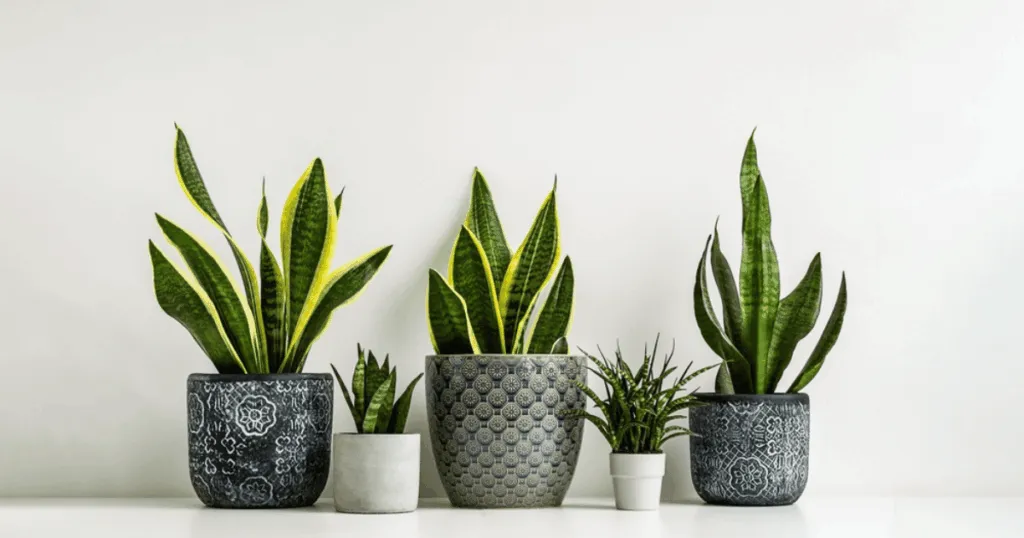
A siam silver snake plant can be a strong office choice if you need a tidy, upright plant that handles missed watering better than most houseplants. It is usually sold as a silvery cultivar of Dracaena trifasciata, the plant still widely called Sansevieria trifasciata or snake plant. Its stiff leaves take little desk space, and its drought tolerance makes it suitable for offices closed on weekends.
The catch is light and water. This plant survives low light, but it will look better and grow more evenly in medium or bright indirect light. Overwatering is the bigger risk in an office, especially when several people water it. Put it in a pot with drainage, keep it away from cold AC airflow, and let the potting mix dry well before watering again.
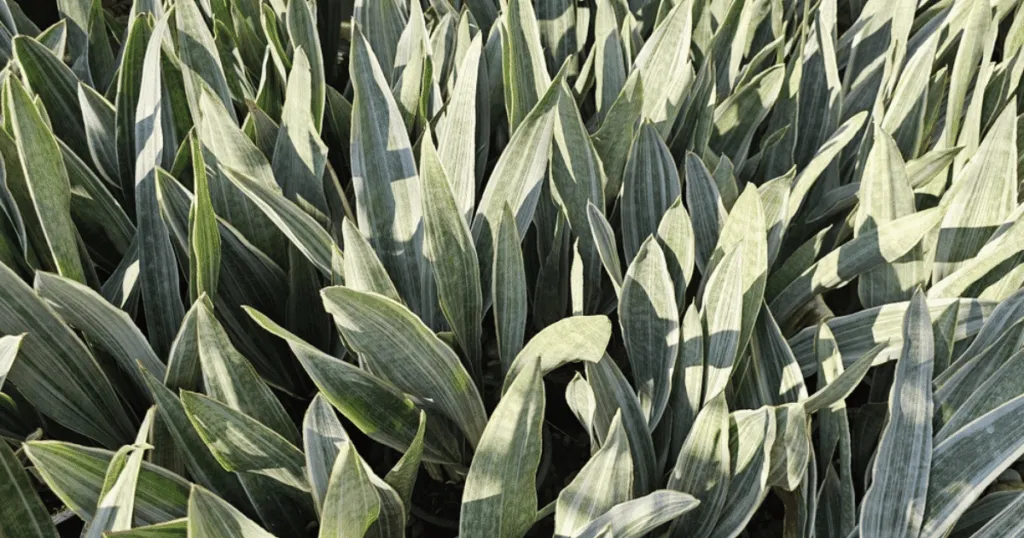
How to Care for a Siam Silver Snake Plant at Work
Plant labels are not always consistent with cultivated snake plants, so appearance can vary. A plant sold under this name generally has pale silver-gray to green-gray leaves with darker green markings. The care is the same as for other upright snake plant cultivars: slow growth, modest water needs, and a preference for stable indoor conditions.
| Office condition | What works best | What to avoid |
|---|---|---|
| Light | Medium to bright indirect light, near a shaded or north-facing window | Deep interior corners with only weak ceiling light |
| Watering | Every 2 to 4 weeks after soil has dried deeply | Weekly watering by habit |
| Temperature | 65 to 80°F [18 to 27°C], with normal office airflow | Cold drafts below 55°F [13°C], radiator heat, or an AC vent |
| Container | Small, stable pot with a drainage hole and saucer | Decorative cachepot that holds standing water |
| Space | Desk corner, credenza, reception counter, or floor stand | Busy walkways where leaves will be bumped |
How much office light does it need?
Snake plants tolerate lower light than many foliage plants, but tolerance is not the same as thriving. A windowless cubicle lit only by overhead LEDs may keep it alive for a while, yet growth will be very slow and the silver color may become less distinct. Ceiling lights also go off overnight and on weekends, so they do not provide the steady intensity of daylight.
For the best result, place it within a few feet of an east, north, or filtered west-facing window. A few feet back from a bright south-facing window can also work if direct afternoon sun does not strike the leaves. In a deep office floor, choose the brightest available shared area or add a properly positioned grow light. Do not assume a bright-looking room has enough plant light just because people can work comfortably in it.
Use a soil check, not a calendar alone
In a typical climate-controlled office, water about every 2 to 4 weeks in spring and summer, then every 4 to 6 weeks in winter. These are starting ranges, not instructions to water on schedule. Before watering, insert a finger or a thin wooden chopstick 2 to 3 inches into the mix. If it feels damp or soil clings to the stick, wait.
When the mix is dry, take the plant to a sink if possible and water until excess drains from the bottom. Let it drain fully before returning it to a saucer or outer pot. If moving it is impractical, pour in a measured amount slowly and make sure no water remains pooled in the decorative container. For a fuller routine, use this snake plant watering routine as a reference for the whole team.
Self-watering pots are usually a poor match for this plant in low office light. A reservoir keeps the root zone moist for too long, which raises the chance of root rot. A plain pot with drainage is simpler and safer.
Keep HVAC stress from looking like a watering problem
Dry indoor air is rarely a serious problem for this drought-adapted plant. Direct blasts of air are different. A cold AC vent can cause pale, soft, or damaged patches on leaves, while a radiator or hot equipment exhaust can dry the root ball unusually fast. Move the pot at least a few feet from vents, radiators, and printer exhaust where possible.
Do not mist the leaves. Misting does not solve HVAC stress and can leave mineral spots on the silver foliage. Wipe dust with a soft, damp cloth every month or two instead. Clean leaves look better in a reception area and use available light more effectively.
Where This Silver Snake Plant Fits Best in an Office
Its narrow, vertical form is the main practical advantage. A young plant can fit on a desk corner without covering a monitor, while a larger one can stand beside a reception desk or in a meeting room. Choose a heavy pot for taller plants. The leaves can snap if a rolling chair, bag, or cleaning cart catches them.
Desk and cubicle placement
On a desk, use a pot no wider than the clear surface you can dedicate to it. Leave room to rotate the plant a quarter turn every month, which helps prevent a one-sided lean toward a window. If your desk is more than about 8 to 10 feet from a window and receives only general room light, a smaller plant may remain presentable but should not be expected to grow much.
A cubicle with a high partition is often darker than it appears. Put the plant on the outer edge facing the room or relocate it periodically to a brighter shared space. Moving it every few days is unnecessary and can be forgotten. A stable location with adequate light is better.
Reception and shared-space placement
For a lobby or reception desk, the pale foliage can read as clean and modern without requiring a broad planter. Keep it out of reach if visitors bring dogs or young children. Snake plants contain saponins and are listed by the ASPCA as toxic to cats and dogs. Chewing can cause drooling, nausea, vomiting, or diarrhea. This is not a plant to place at floor level in a pet-friendly office or a child-facing waiting area.
It is also worth planning for who waters it. Put a small dated tag inside the cabinet or add a shared calendar note after each watering. The person who notices dry soil should not automatically water it if someone else may have done so yesterday. Many office snake plant failures come from duplicate care, not neglect. If leaves become soft, yellowing, or mushy at the base, pause watering and review office snake plant problem signs before adding more water.
What it can and cannot do for office air
A snake plant can make a workspace feel calmer and more finished, and many people value plants for mood, visual comfort, and perceived air quality. Those are reasonable workplace benefits. Do not buy or place one expecting it to clean indoor air in a measurable way.
The often-cited NASA Clean Air Study used sealed test chambers. A few plants cannot meaningfully remove pollutants from a real office with HVAC, doors opening, and active ventilation. Ventilation, source control, filtration, and building maintenance remain the tools for indoor air quality.
Common Siam Silver Snake Plant Problems and Quick Fixes
Leaves turning yellow or soft
Start with overwatering or trapped water in an outer pot. Remove the nursery pot, inspect for standing water, and let the mix dry. If roots are black, slimy, or foul-smelling, trim damaged roots with clean tools and repot in fresh, fast-draining mix. Use a pot only slightly larger than the root mass. An oversized pot stays wet too long.
Wrinkled leaves or a shrinking potting mix
Wrinkling often means the plant has stayed dry for too long, especially near a heater. Check whether the mix has pulled away from the pot sides. Water thoroughly once, allow drainage, then return to the dry-down check. Do not respond with frequent small sips, which can wet only the upper soil and leave roots unevenly hydrated.
Brown tips, scars, or faded markings
Brown tips can follow inconsistent watering, accumulated mineral salts, or physical damage. Scars do not heal, so trim only loose or fully brown tissue with clean scissors. Faded patterns are more likely in poor light. Move the plant closer to indirect daylight rather than fertilizing heavily. Fertilizer cannot make up for a dim location.
If growth is active in spring or summer, a diluted, balanced houseplant fertilizer once or twice is enough. Skip fertilizer in low light, during winter, or when the plant is stressed. The low-maintenance snake plant overview can help you decide if another location or cultivar would suit the space better.
Set Up a Care Routine That Survives Weekends and Closures
Before a long weekend or holiday closure, do not give this plant extra water as insurance. If the soil is already dry, water normally and let it drain. If it is damp, leave it alone. A healthy snake plant usually handles a closed office far better than a waterlogged root system.
- Place the pot where it receives indirect daylight and is not directly under an AC vent.
- Confirm that the inner pot has a drainage hole and that the outer pot is empty.
- Assign one named person to check soil every 2 to 4 weeks.
- Water only when the mix is dry several inches down, then record the date.
- Keep it above floor level in spaces used by pets or children.
For most offices, the siam silver snake plant is a sensible choice when you can offer a bright enough location, drainage, and restraint with the watering can. Start with the placement check today. If the intended spot is dim, cold, and shared by pets, choose a different location before bringing the plant in.
FAQ
Is a Siam Silver snake plant the same as a regular snake plant?
It is generally a named cultivar or trade name within the snake plant group, most often sold under Dracaena trifasciata or the older name Sansevieria trifasciata. Nursery naming is not always uniform, so leaf color and markings may differ slightly. Care needs remain very similar to those of common upright snake plants.
Can a Siam Silver snake plant live in a windowless office?
It may tolerate a windowless office with strong, long-running artificial light, but it will usually grow very slowly and may lose some of its crisp silver pattern. For a permanent windowless location, use a dedicated grow light or rotate the plant with one kept in brighter indirect light. Avoid placing it in a dark storage room.
How fast does a Siam Silver snake plant grow indoors?
Growth is usually slow, particularly in an office with moderate light. New leaves or offsets often appear during spring and summer when light is brighter and temperatures are stable. Do not use fertilizer to force faster growth. Consistent bright indirect light and correct watering are more useful, and a compact plant is often easier to manage on a desk.
Should I repot this plant after bringing it to the office?
Not automatically. Leave a healthy plant in its nursery pot until roots are tightly circling, pushing the plant upward, or emerging from drainage holes. Repot in spring or early summer into a container only 1 to 2 inches wider. Use a fast-draining houseplant or cactus-style mix and keep the drainage hole unobstructed.