For office managers and plant enthusiasts, the best time of year to propagate is almost always during the active growth phase, which typically spans from early spring through mid-summer. While plants in a home environment might experience distinct seasonal shifts, office plants often exist in a state of perpetual climate control. Despite the consistent temperature provided by HVAC systems, plants remain sensitive to the natural light cycles that filter through office windows. When you initiate propagation during the period of lengthening days, you provide the cuttings with the optimal hormonal response needed to transition from a severed stem or leaf into a self-sustaining individual plant.
Attempting to propagate during the dormant winter months often leads to frustration. In the office, winter usually brings shorter days and lower light intensity, even if the temperature remains stable. During this time, a plant is conserving energy rather than investing it in new root development. By aligning your propagation efforts with the natural surge of vitality that occurs as spring arrives, you ensure that your cuttings have the metabolic momentum required to establish a root system before the light levels drop again in the autumn. This timing is the single most effective way to improve your success rate with common office varieties like pothos, philodendron, and snake plants.
Why Timing Directly Impacts Rooting Success
The biological process of propagation relies on the plant’s ability to produce auxins, which are hormones that stimulate root growth. During the spring and summer, plants are actively moving nutrients from their leaves to their stems and root zones to support new foliage. When you take a cutting during this peak cycle, the plant is already primed for growth. In contrast, taking cuttings in late autumn or winter often results in a stagnant specimen that may sit in water or soil for weeks without showing any signs of progress, eventually succumbing to rot because it lacks the energy to heal the wound and push out new roots.
In an office setting, you must also account for the stability of your environment. While the calendar date is a useful guide, the actual health of your parent plant is the final arbiter. If your office plant has been neglected, is suffering from pest pressure, or is currently recovering from a bout of overwatering, it is not the right time to propagate, regardless of the season. A stressed plant lacks the stored energy reserves necessary to support a new cutting. Always prioritize the vigor of the parent plant over the calendar date. If you must propagate during a less-than-ideal time, you will likely need to supplement with artificial grow lights to mimic the intensity and duration of spring light, effectively tricking the plant into a growth phase.
The Role of Light and Humidity in Office Propagation
Office environments are notorious for low humidity and artificial light. Fluorescent or LED lighting, while sufficient for maintaining a mature plant, may not provide the specific spectrum or intensity required to jump-start root development in a cutting. If you are propagating in a windowless office or a cubicle, the season matters less than your ability to provide supplemental light. A small, full-spectrum desk lamp placed near your propagation vessel can make up for the lack of natural sunlight, allowing you to propagate successfully even when the external calendar suggests it is the wrong time.
Humidity is the second major factor. Most office air is kept dry to maintain comfort for employees, but cuttings need high humidity to prevent transpiration from outpacing their ability to absorb water. During the spring and summer, the ambient humidity is often slightly higher than in the winter when heating systems are running at full capacity. If you choose to propagate during the winter, you must create a micro-climate for your cuttings. Using a clear plastic cover or a glass cloche over your propagation container can trap moisture, protecting the cutting from the drying effects of the office HVAC system.
Practical Steps for Seasonal Propagation
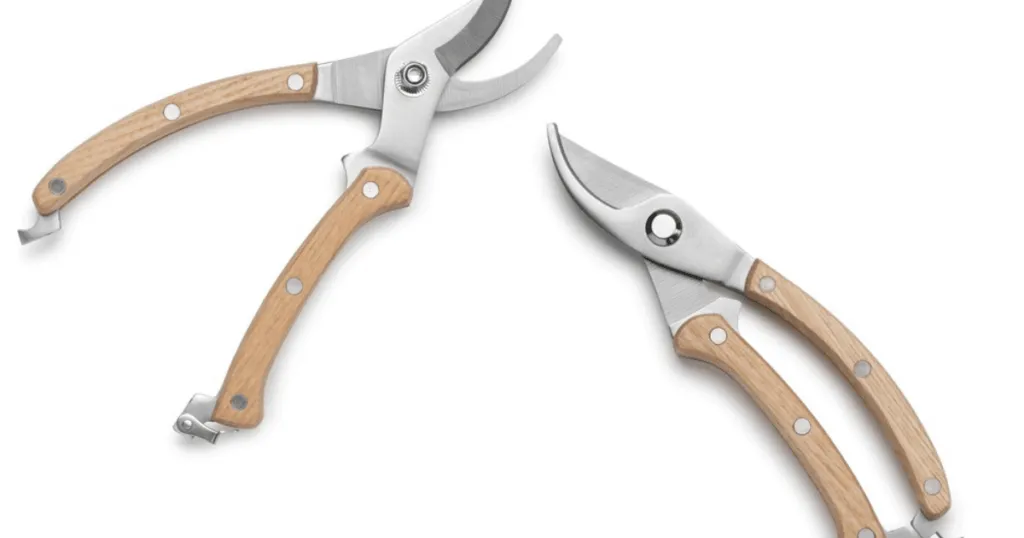
To maximize your success, follow a structured approach that respects the plant’s natural rhythm. Start by identifying the growth nodes on your parent plant. These are the small bumps or joints where leaves emerge. A cutting must include at least one node to produce roots. Using a clean, sharp pair of shears, make a clean cut just below the node. This minimizes the surface area of the wound and reduces the risk of infection or decay.
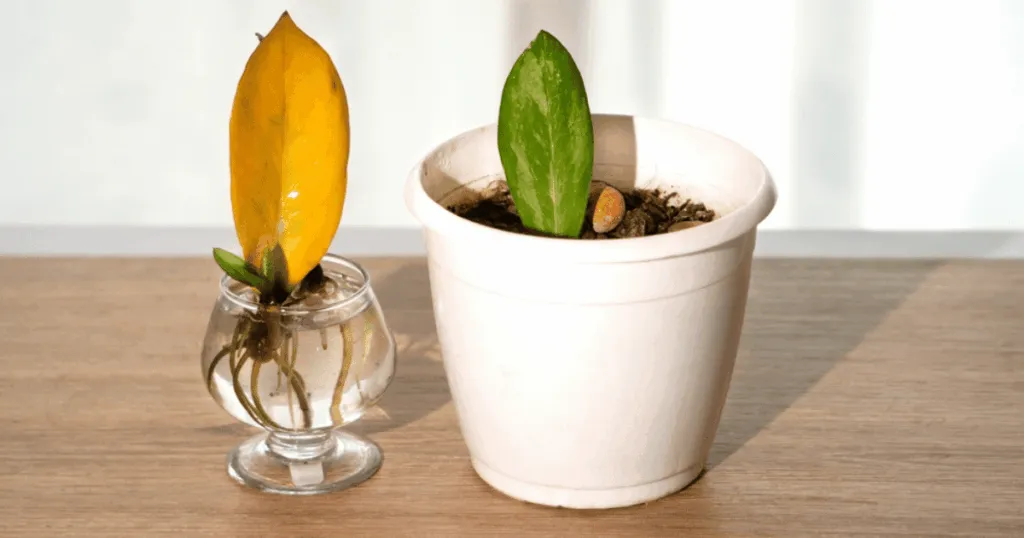
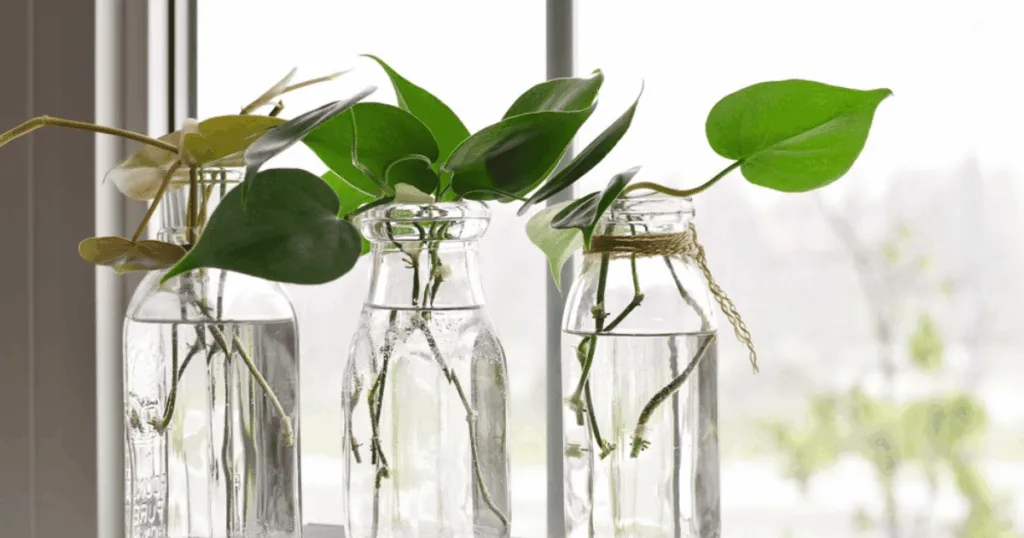
Once you have your cutting, place it in a clean vessel. If you are using water propagation, change the water weekly to ensure the cutting has access to oxygen. If you prefer soil propagation, use a well-draining potting mix that is slightly moist but not saturated. The key mistake many office workers make is burying the cutting too deep or using soil that is too dense. A light, airy medium allows the new roots to breathe as they emerge. Keep the cutting in a spot that receives bright, indirect light. Avoid direct sun, which can scorch the leaves and overheat the water or soil, leading to rapid bacterial growth.
Monitoring Progress and Troubleshooting
After you have set your cuttings, patience is essential. It can take anywhere from two weeks to two months for roots to become established. During this time, monitor the water or soil moisture closely. If the water becomes cloudy, it is a sign that bacteria are present, and you should rinse the cutting and the container immediately. If you are using soil, check the moisture by pressing your finger into the top inch of the medium. If it feels dry, add a small amount of water, but do not turn it into mud.
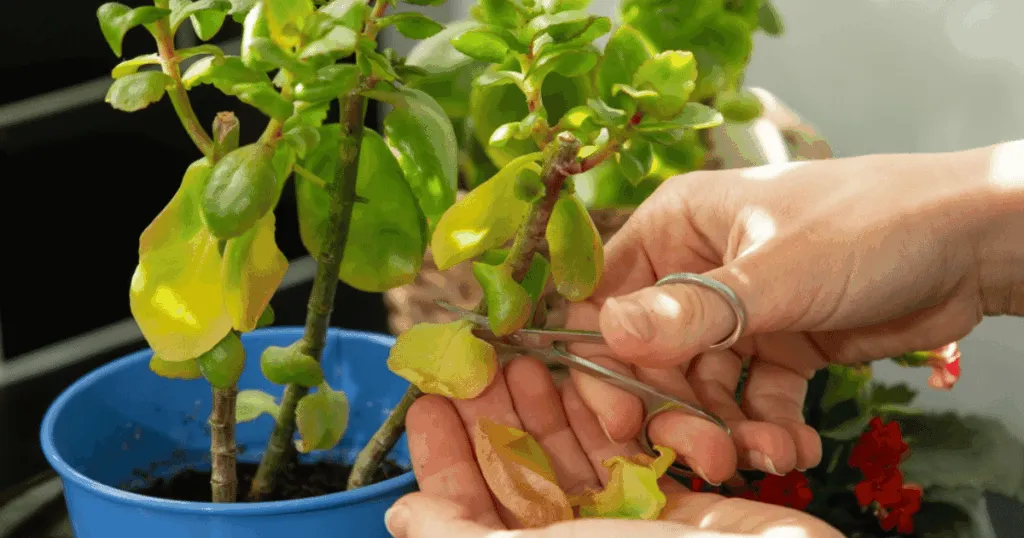
If a cutting begins to yellow or turn mushy at the base, remove it from the propagation setup. This is a sign of rot, and it will likely spread to other cuttings if left unchecked. Do not be discouraged if your first attempt fails. Propagation is a skill that improves with practice and observation. By paying attention to the specific needs of your plant species and adjusting your care based on the environmental conditions of your office, you will eventually find the rhythm that works best for your specific workspace.
Decision Guidance for Office Managers
When planning to propagate plants for a larger office space, treat the project as a phased rollout. Do not attempt to propagate all your plants at once, especially if you are working with limited desk space or inconsistent lighting. Start with a few hardy species like pothos or spider plants to gauge how your office environment supports root development. If these thrive, you can expand to more sensitive varieties. Always keep a few healthy, mature plants as a backup source for future cuttings.
Consider the weekend factor when choosing your propagation method. If your office is completely shut down over the weekend, ensure your cuttings are in a stable environment. Water-based propagation is often safer for long weekends because the water level is easy to monitor and replenish. Soil-based cuttings can dry out rapidly if the HVAC system runs continuously, so ensure they are placed in a location where they are shielded from direct air vents. By planning for these office-specific realities, you can maintain a thriving collection of plants throughout the year, regardless of the season.
Advanced Considerations: Beyond the Calendar
While the calendar provides a baseline, understanding the physiological state of your plants is paramount. In an office, you might notice that some plants continue to push out new leaves even in mid-winter. This is often due to the consistent warmth of the building. If you observe active growth, you can technically propagate, provided you compensate for the lack of natural light. The key is to observe the ‘plant vigor’ – if the leaves are firm and the stems are not leggy, the plant is likely healthy enough to support a cutting.
Another factor to consider is the ‘propagation vessel’ choice. In a professional setting, aesthetics matter. Using clear glass containers can be visually appealing, but they also allow you to monitor root development without disturbing the plant. However, clear glass can encourage algae growth if left in direct light. If you notice green slime in your water, move the vessel to a slightly darker spot or use an opaque container. This small adjustment can prevent the cutting from competing with algae for oxygen, significantly increasing your success rate.
Finally, consider the ‘seasonal rhythm’ of your office. Some offices experience significant temperature drops on weekends or during holiday closures. If your office temperature fluctuates wildly, propagation success will be lower. Try to place your propagation station in a room that maintains the most consistent temperature, such as a central breakroom or a manager’s office that is less affected by exterior wall temperatures. By controlling these variables, you can effectively extend your propagation window well beyond the traditional spring-to-summer timeframe.
FAQ
Can I propagate office plants in the winter if I use grow lights?
Yes, you can successfully propagate during the winter if you use artificial grow lights. The primary reason winter is considered a poor time for propagation is the lack of natural light, which triggers dormancy. By providing a full-spectrum LED light for 10 to 12 hours a day, you can simulate the conditions of spring and encourage the plant to continue growing roots despite the season.
What is the most common mistake when propagating in an office environment?
The most common mistake is failing to account for low humidity and airflow. Office HVAC systems create dry, moving air that can dehydrate a cutting before it has the chance to establish a root system. To avoid this, place your cuttings in a sheltered area away from direct air vents and consider using a humidity dome or clear plastic cover to maintain a stable micro-climate for the developing roots.
How do I know if my parent plant is healthy enough to propagate?
A healthy parent plant for propagation should have vibrant, turgid leaves and no signs of pests or disease. If the plant has been struggling with yellowing leaves, stunted growth, or recent overwatering, it is not the best time to propagate. The plant needs to be in a state of active, vigorous growth to provide the energy required for a new cutting to survive and thrive on its own.