Office plants live in a challenging environment. Between low-intensity fluorescent or LED lighting, recycled HVAC air, and settling electrostatic dust, indoor foliage accumulates a persistent gray film over time. Cleaning dusty leaves the right way is not merely an aesthetic choice to keep reception areas looking sharp. When dust builds up on a plant surface, it physically blocks microscopic pores called stomata and reduces the leaf’s ability to capture ambient light for photosynthesis. In an office setting where light levels are already a fraction of what plants experience outdoors, losing even twenty percent of light absorption due to grime can push a struggling desk plant into a slow decline.
Many office managers and employees default to quick fixes like feather dusters, dry microfiber cloths, or commercial leaf shine sprays. Unfortunately, these methods often cause more harm than good by smearing debris, clogging stomata with petroleum-based residues, or scratching delicate foliage. Proper foliar maintenance requires an understanding of leaf texture, plant physiology, and the specific limitations of indoor workspaces. A systematic approach to dust removal restores natural vigor without damaging the plant or creating a mess on office furniture.
Understanding Foliar Accumulation in Indoor Workspaces
Dust in commercial buildings is a complex mixture of carpet fibers, paper lint, dead skin cells, and microscopic particulate matter pulled through the ventilation system. Because modern offices maintain low relative humidity to keep equipment cool, airborne particles settle steadily onto horizontal and angled plant surfaces. Smooth-leaved species like the popular Ficus lyrata or ZZ plant reveal this film quickly, turning a glossy sheen into a dull matte gray. Fuzzy or textured leaves, such as African violets or certain ferns, trap these fine particles between microscopic hairs, making standard wiping techniques ineffective.
When dust layers thicken, they interfere with gas exchange. Plants require carbon dioxide absorption and oxygen release to manufacture food and maintain cellular health. A heavy crust of grime acts as a physical barrier, effectively suffocating the leaf tissue. Furthermore, this particulate layer can attract spider mites and other secondary pests that thrive in dry, warm office environments. Recognizing how debris impacts plant metabolism underscores why routine cleaning is a core component of indoor plant care rather than an optional chore. Without proper intervention, this steady accumulation inhibits natural transpiration, trapping heat within the cellular matrix and reducing the plant’s overall resilience against workplace stressors.
In practice, office spaces present unique microclimates that exacerbate this accumulation. For instance, plants stationed near conference room doors or heavy-traffic hallways experience constant air currents that deposit floating office dust at an accelerated rate. Similarly, open-plan workspaces equipped with commercial carpeting shed endless micro-fibers that are easily pulled into the electrostatic field of broad-leafed plants. Understanding these environmental vectors allows facility teams to anticipate which specimens will require the most frequent intervention before visible decline sets in.
Assessing Plant Foliage Before Cleaning
Before applying water or any physical tool, examine the physical structure of your office plants. Different leaf textures demand entirely different handling methods. Forcing a rigid cleaning protocol across every species in your workspace can tear delicate tissue, snap brittle petioles, or cause water-logging issues in vulnerable crowns. Evaluating each specimen’s physical properties ensures that your cleaning strategy aligns with its biological needs, minimizing shock and physical breakage.
Smooth and Glossy Foliage
Plants featuring thick, waxy, or leathery leaves tolerate firm handling and direct wiping. Species such as snake plants, pothos, and rubber trees possess tough outer cuticles that resist tearing. For these plants, a damp sponge or cloth method works exceptionally well because the smooth surface releases trapped particles easily under light friction. Their robust structural integrity makes them ideal candidates for routine office maintenance, even for staff members with minimal botanical experience.
When servicing smooth foliage, always inspect the margins and petiole junctions where dust pools away from the main surface. Because these areas are shielded from casual airflow, particulate matter tends to compact into a thick paste when moisture is introduced. Using a targeted approach ensures this compacted grime is lifted away rather than smeared deeper into the leaf crevices.
Velvety or Textured Foliage
Foliage covered in fine hairs, trichomes, or deep veins requires a delicate touch. Using a wet cloth on fuzzy leaves often leaves unsightly water spots or flattens the protective hairs, leading to rot. These plants benefit from dry dusting using a very soft artist brush or a gentle burst of air from a bulb syringe rather than moisture. Protecting these specialized surfaces prevents structural damage and avoids encouraging fungal pathogens that love trapped ambient moisture.
Compound and Fine Foliage
Palms, ferns, and plants with numerous tiny leaflets present a logistical puzzle. Individual wiping is tedious and impractical in a busy workplace. These plants are best managed through targeted rinsing techniques or misting combined with gentle physical agitation of the stems. Because their fronds break easily, care must be taken to support the main stalks while clearing away built-up dust from hard-to-reach crevices.
Step-by-Step Protocols for Dust Removal
Executing maintenance correctly prevents structural damage and keeps your workspace tidy. Depending on the size of the plant and your office layout, select the method that fits your environment.
The Damp Wipe Method for Large Desk Plants
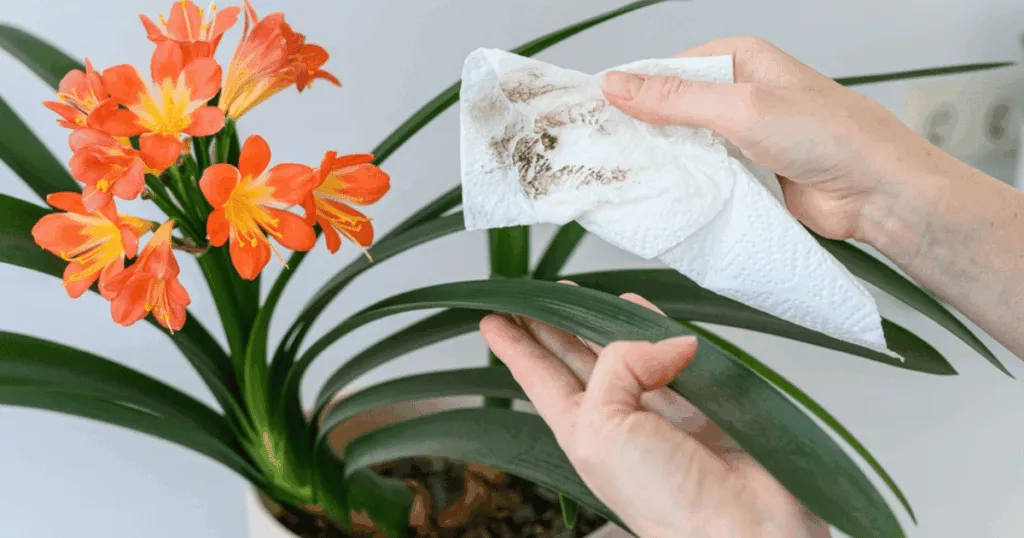
Support the underside of each leaf with one hand to prevent snapping the stem. Using a soft, lint-free microfiber cloth dampened with tepid filtered water, wipe gently from the base of the leaf out toward the tip. Support is critical when cleaning large specimens to avoid destabilizing the root ball in the container. Take care not to apply excessive pressure, which can bruise the underlying tissue or press abrasive dust particles directly into the cuticle.
The Rinsing Method for Portable Plants
For mid-sized plants in nursery pots that can be safely moved, a gentle shower in a restroom sink or breakroom utility tub provides a thorough cleanse. Tilt the container slightly at a forty-five-degree angle to prevent dirty wash water from soaking heavily into the potting soil and causing root rot. Use a gentle stream of lukewarm water, letting it wash away surface debris from top to bottom. Allow excess water to drain completely before returning the plant to its decorative outer container or desk placement.
The Dry Maintenance Method for Delicate Species
When dealing with fuzzy leaves or plants located far from a water source, use a clean, ultra-soft cosmetic brush or soft-bristled paintbrush. Sweep gently across the leaf surface to lift and scatter dust particles without introducing moisture that could foster fungal spores in stagnant office air. This technique works exceptionally well for open-plan workspaces where moving heavy containers to a sink is impractical.
Common Mistakes to Avoid in Workplace Plant Care
Well-intentioned office workers often damage their greenery through common procedural errors. Avoiding these pitfalls preserves plant health and keeps your indoor landscape thriving.
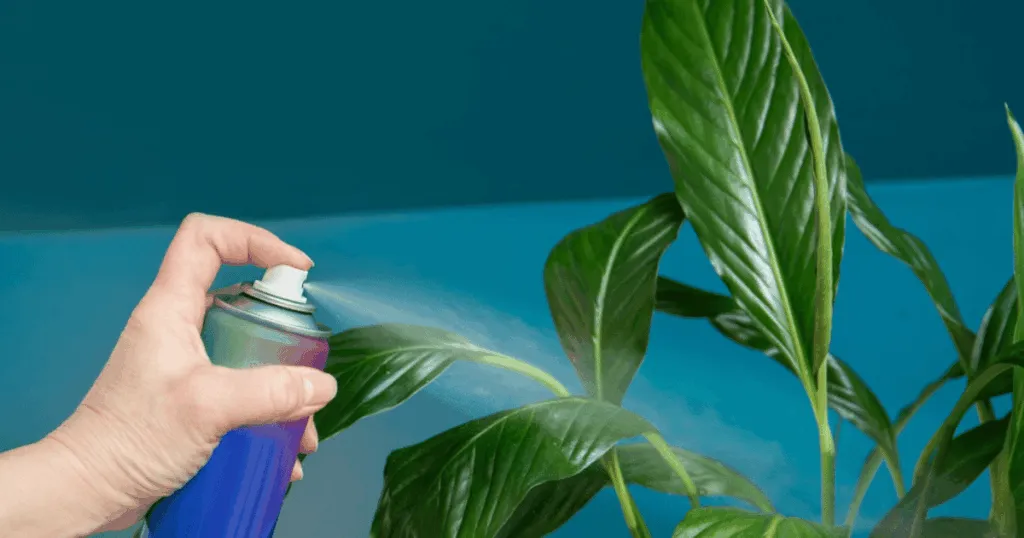
- Using Commercial Leaf Shine Sprays: Most commercial shine products contain oils or waxes that seal the stomata completely, suffocating the plant over time and attracting more dust to the sticky residue.
- Wiping with Dry Paper Towels: Dry paper creates friction and abrasive static charge, scratching delicate leaf cuticles and leaving behind microscopic paper fibers.
- Using Cold Tap Water: Cold water shocks cellular tissue, causing unsightly discoloration or curling, while hard tap water leaves mineral crusts behind as it dries.
- Ignoring the Undersides: Dust and pests congregate heavily on the lower surface of leaves. Always inspect and wipe both sides when possible.
Another frequent oversight involves neglecting the surrounding environment during maintenance. Splashing dirty runoff water onto office desks, conference tables, or shared flooring creates unnecessary cleanup tasks and can damage wooden furniture finishes. Always protect the immediate workspace with a absorbent towel or plastic barrier when executing cleaning tasks in communal areas.
Establishing a Routine Maintenance Schedule
Consistency matters more than intensity when managing indoor dust. In a typical climate-controlled office, inspect foliage every two to four weeks. High-traffic zones near entryways or printers accumulate particulate matter faster than private executive offices. Pairing your foliar cleaning routine with routine watering days ensures you never forget maintenance. Over time, keeping pores clear pays off with deeper green coloration, stronger growth, and greater resilience against the environmental stress of indoor commercial spaces.
Documenting these cleaning intervals within a shared office maintenance calendar ensures that plant care does not fall entirely on a single overburdened employee. When tasks are distributed or scheduled predictably, workplace greenery remains vibrant, contributing to a welcoming aesthetic and healthier indoor air quality for everyone in the building.
FAQ
Can I use household cleaning wipes on office plants?
Household disinfecting wipes contain harsh chemicals, alcohols, and artificial fragrances that strip the natural protective cuticle of a leaf and can cause severe chemical burns. Stick exclusively to tepid water and a soft cloth.
What should I do if white mineral spots remain after cleaning?
Mineral deposits from hard tap water appear as chalky white crusts after drying. To remove them safely, mix a solution of equal parts distilled water and mild white vinegar, dampen a cloth, and gently buff the affected leaves before wiping with plain water.
How do I clean office plants that are too large to move to a sink?
For heavy floor plants in heavy ceramic containers, wrap the top of the soil securely in plastic wrap to catch runoff, then use a hand-held pump sprayer or a damp sponge paired with a bucket of clean water right at the plant’s location.