The defining reality of office plant care is the unpredictable environment. Unlike a home garden, an office space is governed by climate-controlled HVAC systems that strip moisture from the air, fluorescent or LED lighting that rarely matches the intensity of the sun, and the inevitable reality of long weekends or holiday breaks where no one is present to provide water. The best office plants for beginners are those that do not just survive these conditions but maintain their aesthetic appeal without requiring a dedicated horticultural staff.
Quick Facts
- Snake Plants tolerate low light and infrequent watering.
- ZZ Plants thrive under fluorescent office lighting with minimal care.
- Pothos vines are highly adaptable to various office environments.
- Cast Iron Plants are nearly indestructible in dim corners.
- Spider Plants are non-toxic and produce easy-to-propagate plantlets.
When selecting your first office plant, prioritize resilience over appearance. A plant that looks stunning for a week only to wilt due to a change in office temperature or a missed watering cycle is a source of frustration rather than a benefit. By focusing on species known for their tolerance to low humidity and artificial light, you ensure that your workspace greenery remains a consistent, calming presence rather than a maintenance burden.
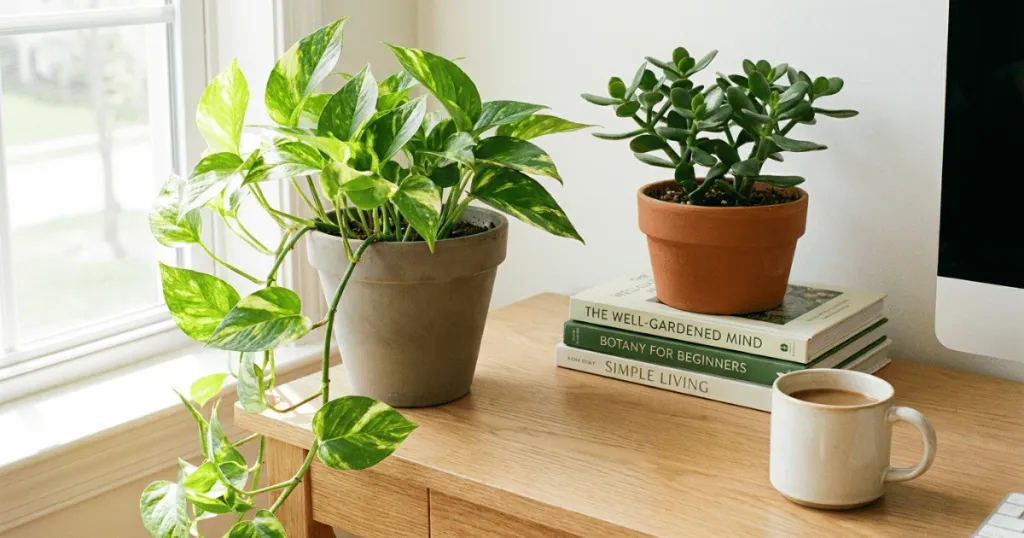
Criteria for Selecting The Best Office Plants for Beginners
Choosing the right plant for your office involves looking beyond the aesthetics of the foliage. The most important factor is the plant’s ability to handle the specific stressors of a corporate or small-office environment. First, consider the light quality. Most offices rely on overhead artificial lighting, which is often insufficient for plants that require direct, intense sun. You need species that can photosynthesize efficiently in medium to low indirect light.
Second, evaluate the water requirements. Office plants are frequently overwatered by well-meaning staff or underwatered during long absences. The best candidates for beginners are those that prefer to dry out between waterings. This creates a buffer zone, preventing root rot from excessive moisture while allowing the plant to remain healthy if you skip a week of care. Finally, consider the physical footprint of the plant. A desk plant should not interfere with your keyboard, phone, or monitor, while a floor plant in a reception area should be stable and not prone to tipping.
Snake Plant
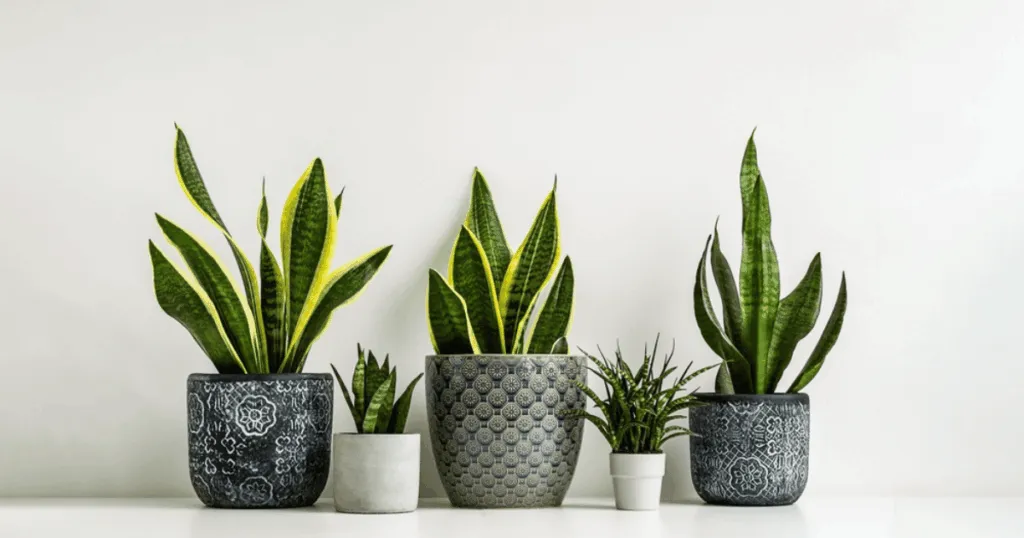
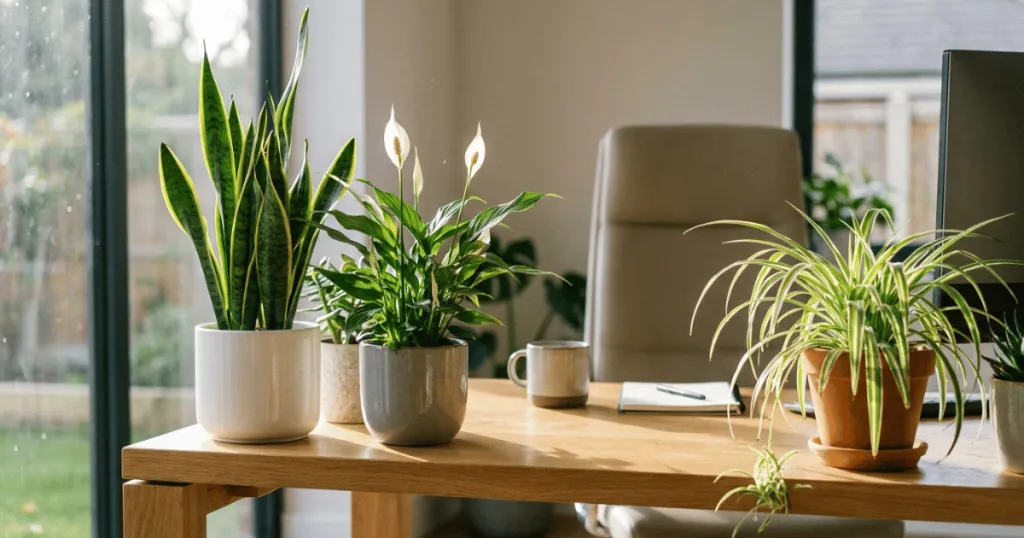
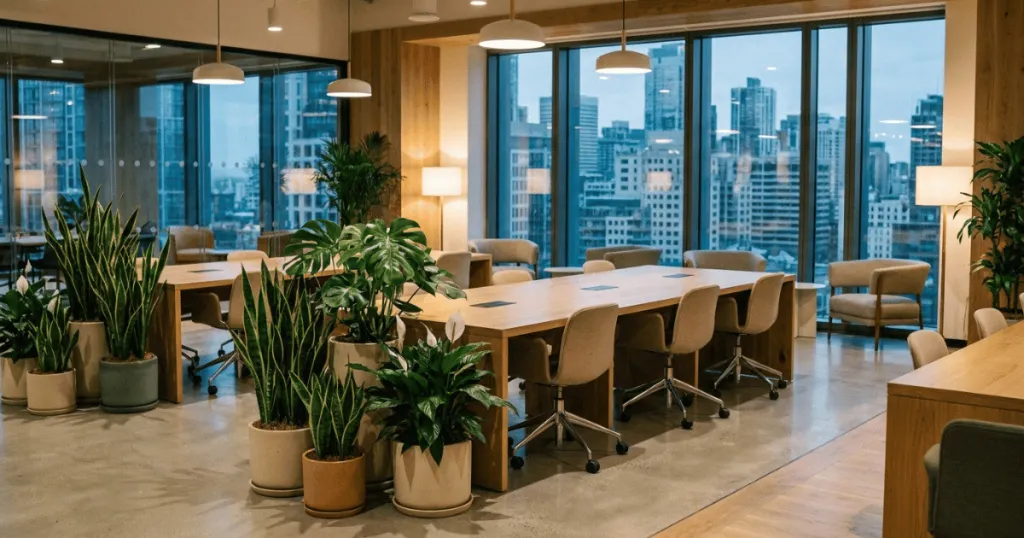
The Snake Plant is arguably the most forgiving office plant available. Its upright, architectural leaves make it a perfect fit for corners or narrow spaces where other plants might struggle. It is remarkably tolerant of low light and prefers to have its soil dry out completely between waterings, which aligns perfectly with the typical office schedule. If you leave for a long weekend, this plant will not hold it against you. Note that while it is highly resilient, it is mildly toxic to pets if ingested, so keep it on a desk or shelf rather than the floor in pet-friendly offices.
ZZ Plant
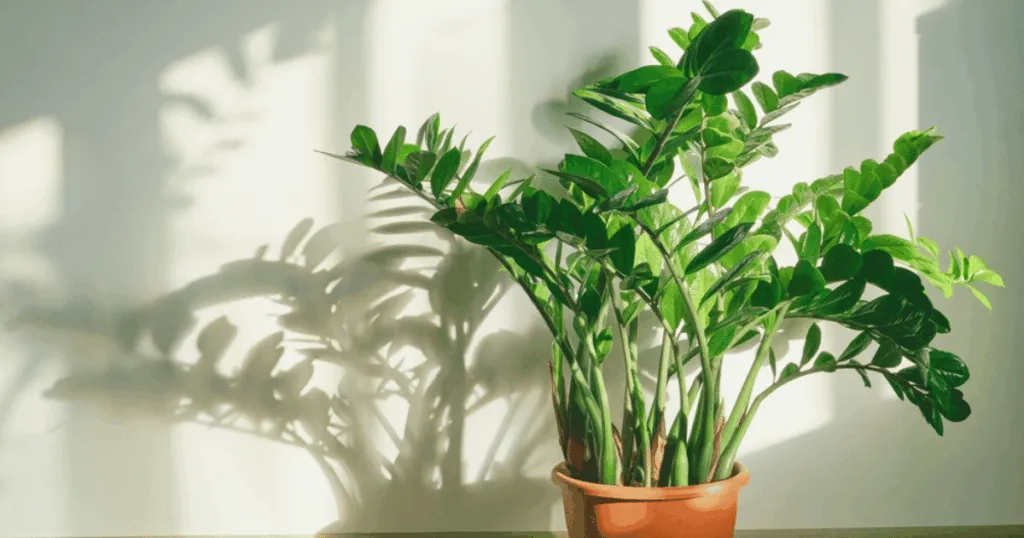
The ZZ Plant is a master of survival. It features waxy, deep green leaves that reflect light, making it look polished even in dim, windowless offices. It is extremely tolerant of neglect and can thrive under purely fluorescent lighting. Because it grows from rhizomes that store water, it is highly resistant to drought, making it an ideal choice for the busy office manager who cannot guarantee a consistent watering schedule. Its slow growth rate is an advantage in tight cubicles, as it won’t outgrow its container quickly.
Pothos
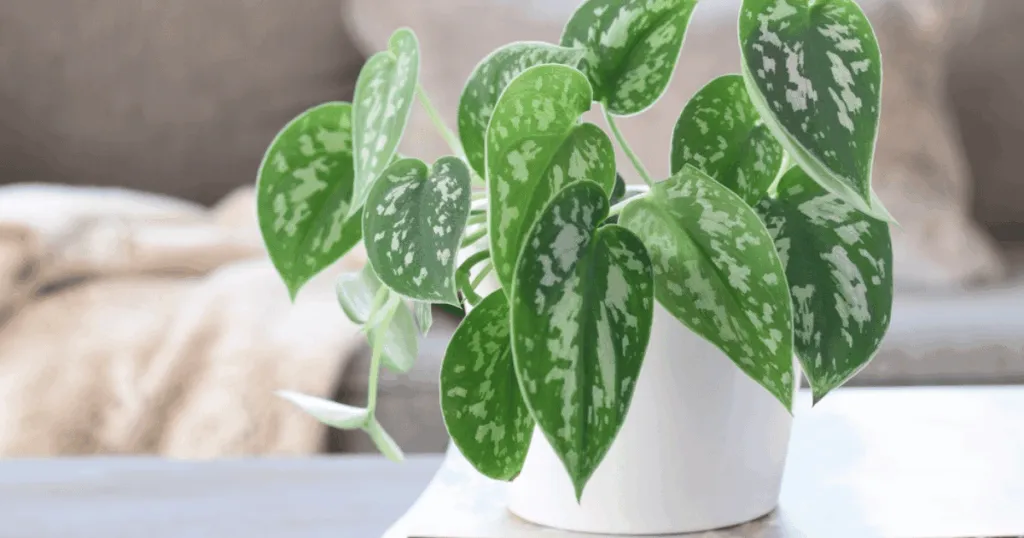
Pothos is a classic trailing plant that adds a touch of softness to bookshelves or filing cabinets. It is incredibly adaptable and will tell you when it needs water by slightly drooping its leaves. Once watered, it bounces back almost immediately. Its ability to grow in a variety of lighting conditions, from low-light cubicles to brighter reception areas, makes it a versatile staple for any professional setting. Be mindful that it is toxic to pets, so ensure it is placed out of reach if your workplace is pet-inclusive.
Cast Iron Plant
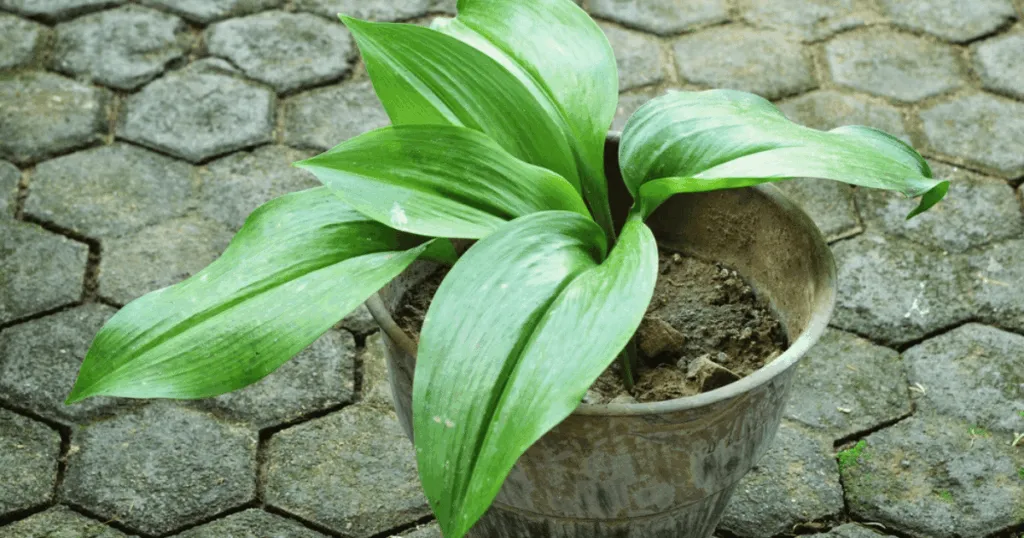
True to its name, the Cast Iron Plant is built for toughness. It is one of the few plants that can genuinely thrive in the darkest corners of an office where other species would simply fade away. It grows slowly, meaning you will not have to worry about it outgrowing its pot or your desk space too quickly. It is a reliable, steady performer that requires very little intervention. Unlike many other foliage plants, it is non-toxic, making it a safe choice for shared spaces.
Spider Plant
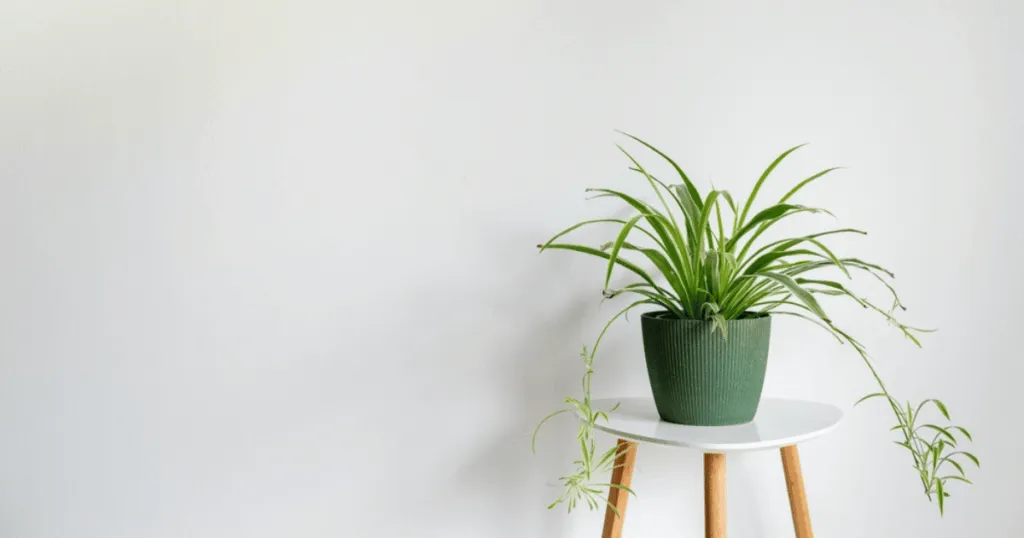
The Spider Plant is a popular choice for those who want a bit of movement and texture. It is non-toxic, which is a major advantage for offices that allow pets or for managers concerned about safety. It produces long stems with small plantlets, giving it a unique, cascading appearance. It is quite resilient and handles the dry air of HVAC-controlled offices better than many other tropical species. It appreciates a bit more light than the Cast Iron Plant but remains very forgiving.
Chinese Evergreen
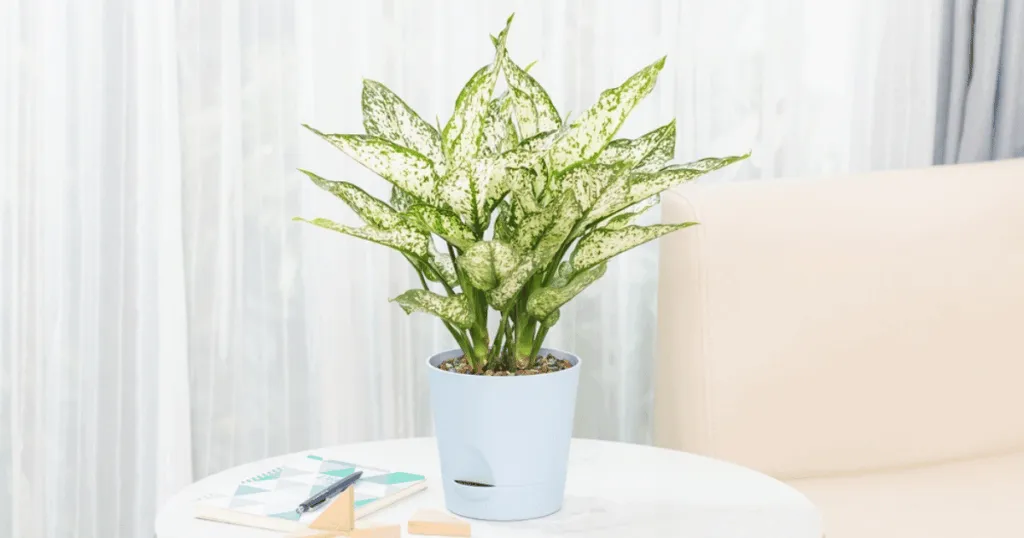
If you want to introduce some color beyond standard green, the Chinese Evergreen is an excellent option. With many cultivars offering silver, pink, or red variegation, it can brighten up a dull desk. It is very tolerant of low light and prefers to stay on the drier side, which helps prevent the common issue of root rot in office containers that may lack proper drainage. It is a great choice for adding visual interest without requiring the high light levels that many other colorful plants demand.
Parlor Palm
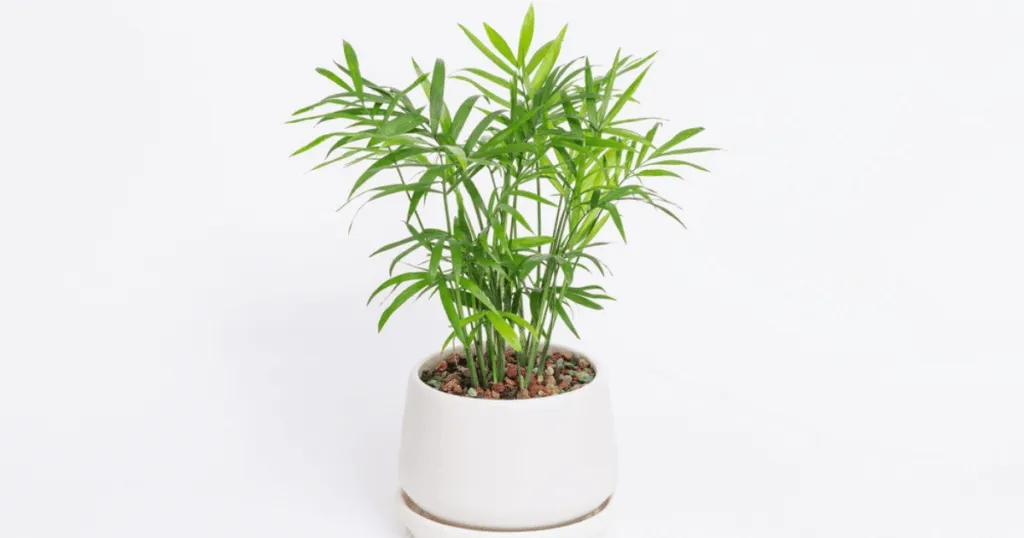
For a touch of elegance in a lobby or a larger office space, the Parlor Palm is a top-tier choice. Unlike many palms that require high humidity and intense sun, the Parlor Palm is well-suited to the shade and drier air of an office. It maintains a compact, bushy form that does not sprawl, making it a sophisticated addition to a reception desk or a shared meeting room table. It is non-toxic, providing a safe, lush aesthetic for high-traffic areas.
Strategic Placement and Use Cases
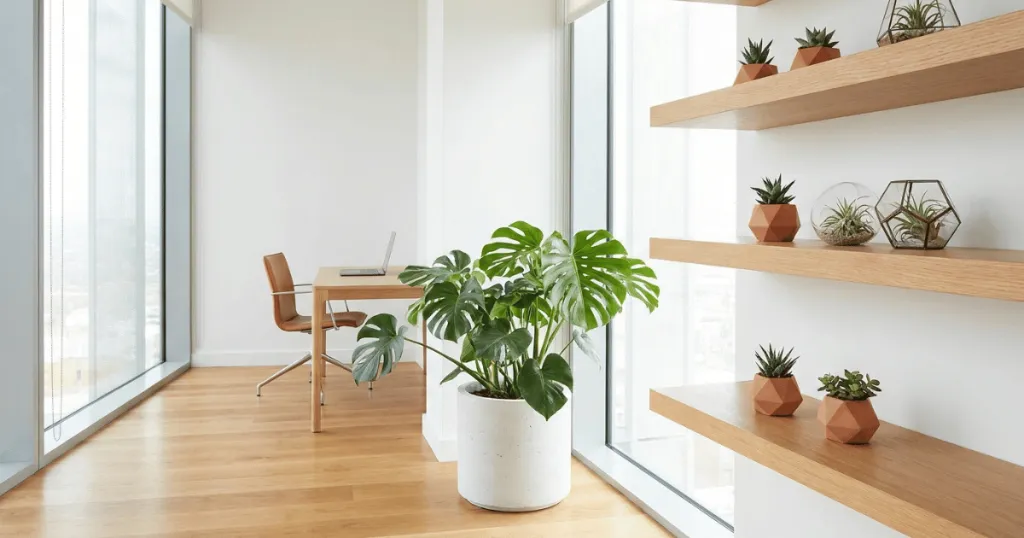
Placement is as much about plant health as it is about office design. For desk-bound plants, choose species like the Pothos or Peperomia that offer a compact footprint. These plants can sit near your monitor without obstructing your workflow. If you are looking to fill a dead zone, such as a dark corner behind a printer or a hallway, the Snake Plant or Cast Iron Plant are your best bets. They do not require a premium location near a window to remain healthy.
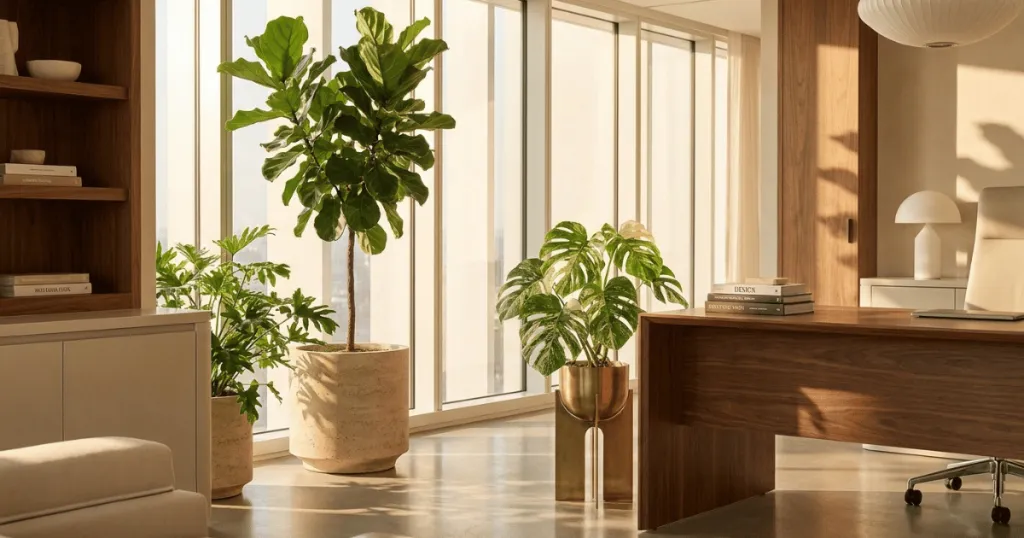
For reception areas, consider the visual impact. A larger, more architectural plant like the ZZ Plant or a Parlor Palm creates a professional, welcoming atmosphere. These areas often have higher foot traffic, so ensure the plant is placed where it won’t be knocked over. Remember that plants in high-traffic areas may collect dust on their leaves, which can inhibit photosynthesis. A quick wipe with a damp cloth every few weeks is a simple, effective way to keep them performing at their best.
When planning for meeting rooms, consider the light availability. If the room has windows, you have more flexibility, but for interior conference rooms, stick to the low-light champions mentioned above. Avoid placing plants directly under air vents, as the constant stream of dry, moving air can cause leaf tips to brown or lead to premature leaf drop, even in hardy species.
Managing Environmental Stressors
The office environment presents unique challenges that differ from home gardening. The most significant is the lack of humidity. Most tropical plants prefer humidity levels above 40%, but office air often drops well below 30% due to HVAC systems. To mitigate this, group plants together to create a microclimate, or use a pebble tray with water beneath the pot to increase local humidity without needing a humidifier. Avoid misting leaves, as this is often ineffective in large, ventilated office spaces and can encourage fungal growth on foliage.
Another factor is the quality of water. Many office buildings use tap water that may be high in chlorine or fluoride. Plants like the Dracaena or Lucky Bamboo are particularly sensitive to these chemicals, which manifest as brown, crispy leaf tips. If you notice this, consider using filtered or distilled water for these specific plants. For others, simply letting tap water sit in an open container for 24 hours before watering can help dissipate some of the chlorine.
Finally, consider the “weekend effect.” If your office shuts down completely, ensure that your plants are not sitting in standing water. Drainage is critical. Always use pots with drainage holes and saucers. If you are using decorative pots without holes, keep the plant in its plastic nursery liner inside the decorative pot. This allows you to remove the plant, water it in a sink, let it drain completely, and then return it to the decorative container, preventing the dreaded root rot that kills many beginner office plants.
Limitations and Trade-offs
Even the best office plants for beginners have their limits. The most common mistake is assuming that a plant labeled as ‘easy’ is indestructible. Every plant requires some level of engagement, even if it is just checking the soil moisture once a week. If you choose a plant that is toxic, such as the Snake Plant or Pothos, ensure it is placed in an area where it will not be accidentally ingested by visitors or office pets. While these plants are safe for display, they are not for consumption.
Another trade-off involves growth rate. Plants that are highly tolerant of low light often grow more slowly than those in bright, natural conditions. Do not expect a rapid transformation of your space. Instead, view these plants as long-term companions that provide consistent value over time. If you find yourself struggling to keep a plant alive, the issue is almost always related to light or water. Before giving up, assess if the plant is getting enough light to sustain its current size, or if the soil is staying perpetually wet, which can lead to root decay.
Be realistic about your maintenance capacity. If you know you will be traveling frequently or have a high-stress role that prevents you from checking on plants, opt for the most drought-tolerant species like the ZZ Plant or Snake Plant. These plants are designed by nature to handle periods of neglect. Avoid high-maintenance plants like the Peace Lily or Fittonia, which require consistent moisture and will show immediate signs of stress if neglected for even a few days.
Non-Commercial Guidance
This information is provided for educational purposes to assist in the selection and maintenance of office greenery. We do not endorse specific brands, retailers, or commercial products. The success of your office plants depends on your ability to monitor the specific environmental conditions of your workspace, such as light levels, temperature fluctuations, and humidity. Always verify the specific needs of a plant variety before purchase, as individual cultivars within a genus may have slight variations in care requirements. Our goal is to empower you to make informed decisions that lead to a healthier, more productive office environment through the thoughtful integration of plants.
FAQ
How often should I water my office plants?
Most of the best office plants for beginners prefer to dry out between waterings. Instead of a set schedule, check the soil moisture by inserting your finger about an inch deep. If it feels dry, it is time to water. If it is still damp, wait a few more days.
Can office plants survive without any natural light?
Yes, many of the best office plants for beginners, such as the ZZ Plant and Snake Plant, can thrive under standard fluorescent or LED office lighting. While they may grow more slowly than they would in a window, they will remain healthy and vibrant.
What should I do if my plant leaves start turning yellow?
Yellowing leaves are frequently a sign of overwatering. Ensure your pot has drainage holes so excess water can escape. If the soil is waterlogged, let it dry out completely before watering again. If the soil is dry, the plant may simply be shedding an older, less efficient leaf.
Are these plants safe for office environments with pets?
Some of the best office plants for beginners, like the Pothos and Snake Plant, are toxic if ingested. If your office is pet-friendly, prioritize non-toxic options like the Spider Plant, Cast Iron Plant, or Parlor Palm to ensure a safe environment for all.