Affiliate Disclosure: As an Amazon Associate, I earn from qualifying purchases.
Choosing the best office plants for positive energy involves more than just picking the most vibrant green foliage. In a professional setting, the plants that contribute to a sense of well-being are those that thrive despite the unique challenges of a commercial environment, such as fluorescent lighting, dry HVAC air, and the occasional weekend of neglect. If you are looking for a plant that requires constant misting or high-intensity sunlight, you may find that the maintenance burden detracts from the very atmosphere you are trying to cultivate. Instead, focus on resilient, architectural, or lush varieties that signal health and growth with minimal intervention.
This list is designed for office managers and desk workers who need reliable greenery that stays looking sharp throughout the work week. If you are looking for high-maintenance flowering specimens that require daily attention, this list may not be the right fit for your specific office workflow.
Key Takeaway
The best office plants for positive energy are resilient, low-maintenance species that thrive in typical indoor office conditions.
- Prioritize plants that tolerate low light and dry air.
- Choose varieties that require infrequent watering schedules.
- Select foliage plants for year-round consistency and visual appeal.
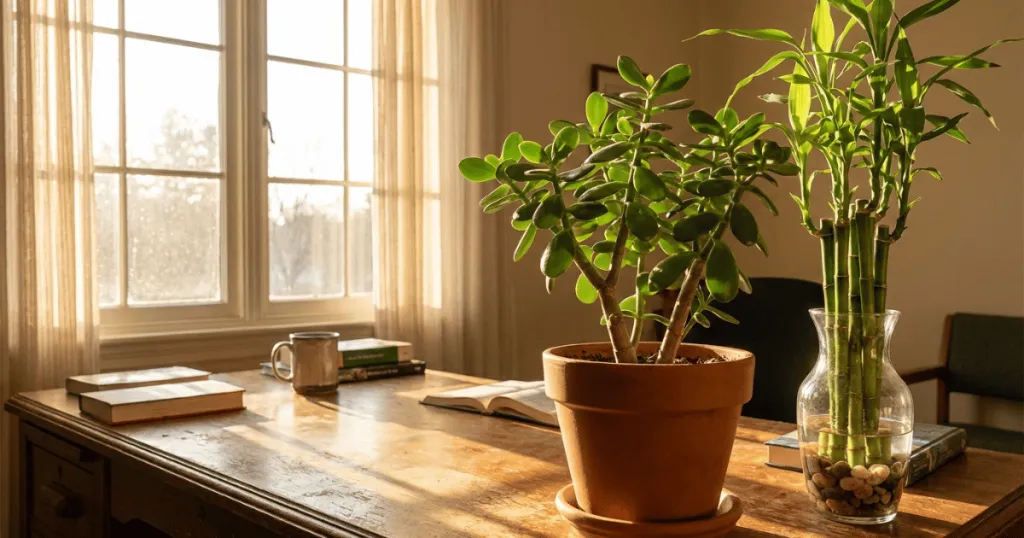
What Defines a Positive Energy Plant in an Office Context
In the context of a workspace, positive energy is often synonymous with a sense of stability, vitality, and cleanliness. A plant that is constantly dropping leaves, browning at the tips, or wilting by Thursday afternoon creates visual stress rather than a calming atmosphere. The best office plants for positive energy are those that maintain a consistent, upright, or lush appearance with predictable care requirements.
The primary environmental factor to consider is light. Most offices rely on overhead fluorescent or LED lighting, which rarely provides the intensity needed for sun-loving plants. A plant that struggles to survive in these conditions will look leggy and pale, which can inadvertently signal neglect. By selecting plants that are naturally adapted to the understory of a forest or the dim light of an indoor environment, you ensure that the plant remains a vibrant, healthy presence on your desk or in your reception area.
Humidity is another critical factor. Modern office buildings are typically climate-controlled to keep humidity levels low, which can be harsh for tropical ferns or delicate flowering plants. Plants that are tolerant of dry air will not develop the crispy, brown edges that often plague office greenery. Finally, consider the growth habit. In a high-traffic area, a plant that grows vertically or stays compact is often more practical than a sprawling vine that might get caught in chairs or obstruct walkways. A well-placed, healthy plant acts as a focal point, grounding the space and providing a visual break from screens and documents.
Top Selections for Your Workspace
Snake Plant
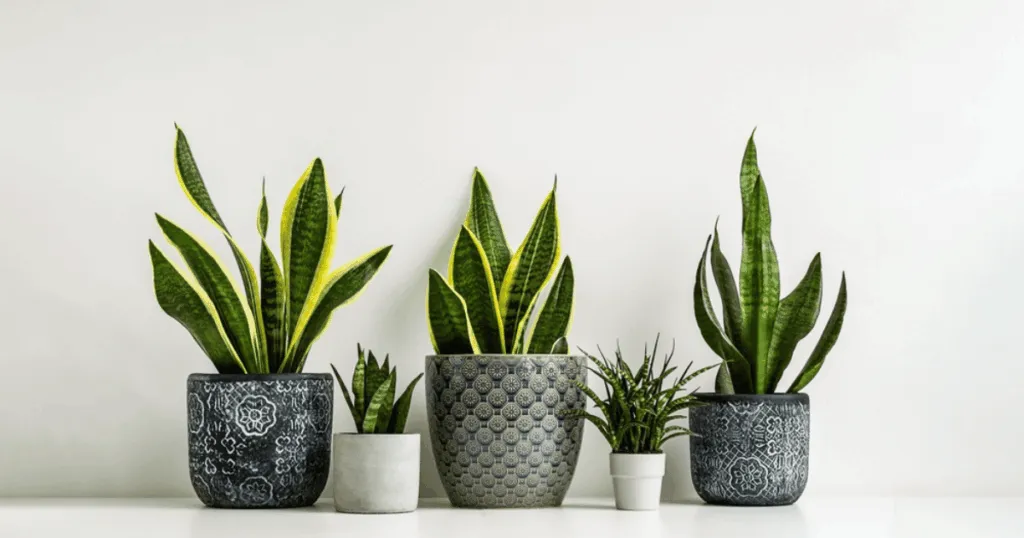
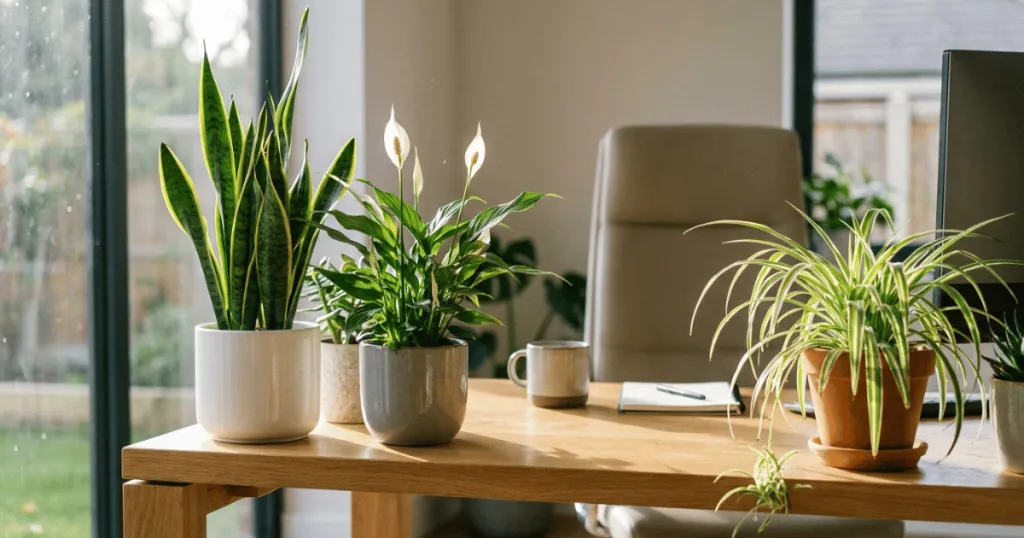
The Snake Plant is perhaps the most reliable choice for any office environment. Its rigid, sword-like leaves provide a sharp, clean aesthetic that fits perfectly in modern office decor. It is exceptionally forgiving, tolerating both low light and irregular watering schedules. Because it stores water in its leaves, it is perfectly happy if you forget to water it for a week or two during a busy project cycle.
ZZ Plant
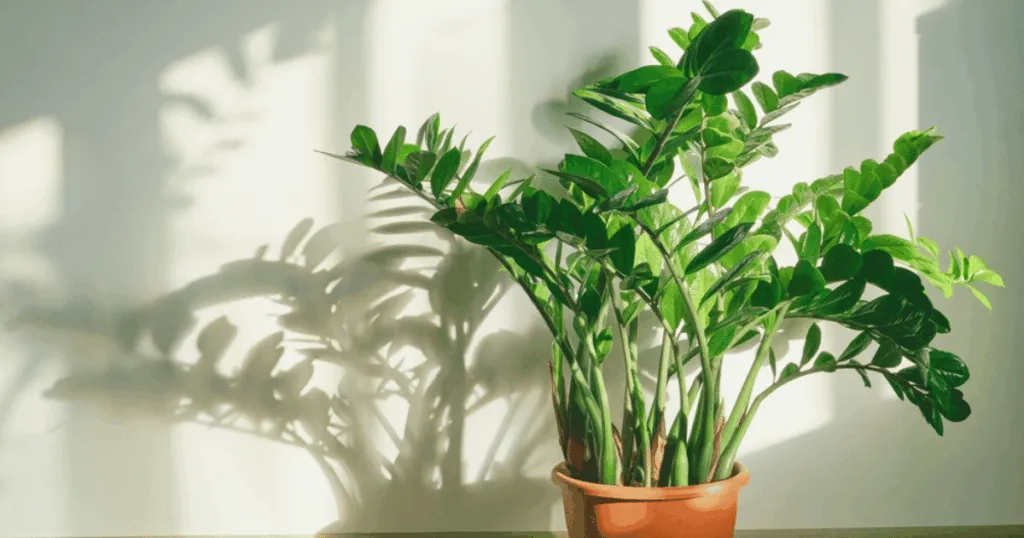
If you have a desk or a corner that receives almost no natural light, the ZZ Plant is your best candidate. It features glossy, dark green leaflets that reflect light, making the plant look polished and healthy even in dim conditions. It is remarkably resistant to pests and requires very little water, making it a low-stress addition to any meeting room or reception desk.
Cast Iron Plant
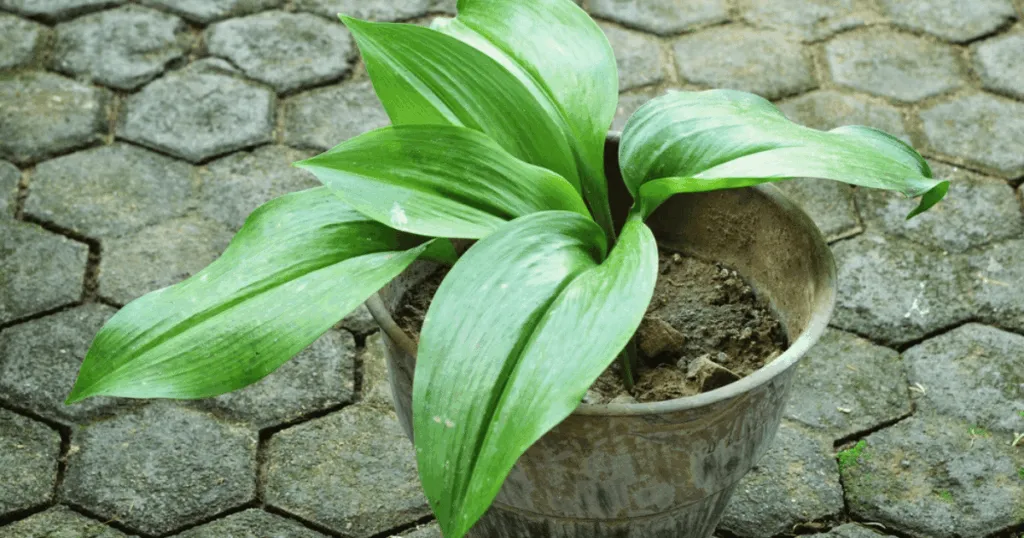
True to its name, this plant is nearly indestructible. It is an ideal choice for offices that are prone to temperature fluctuations or drafts. Its deep green, broad leaves provide a lush, classic look that works well in larger floor planters. It grows slowly, which means it will not outgrow its space quickly, keeping your office layout consistent over time.
Pothos
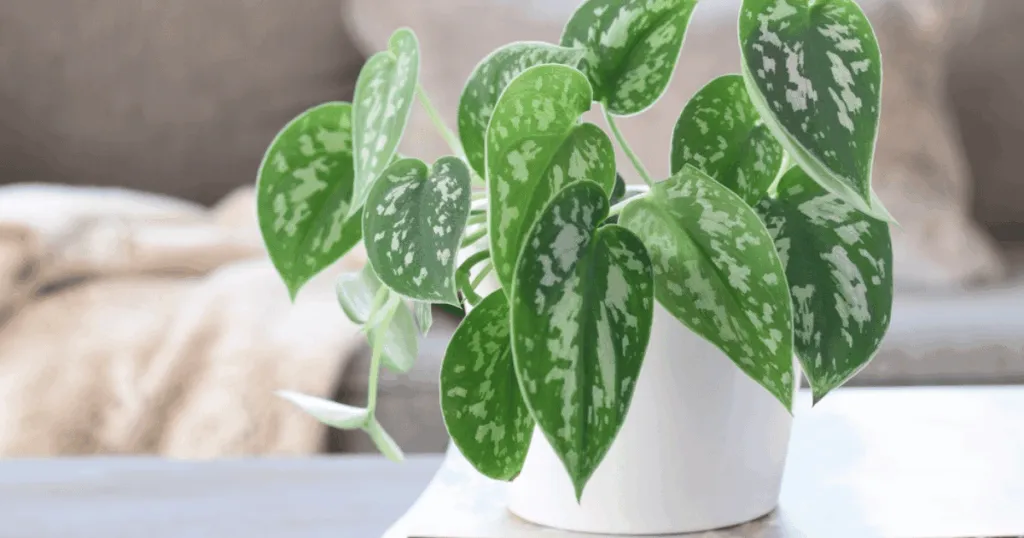
For those who prefer a trailing look, Pothos is a versatile and energetic grower. It is highly adaptable to various light levels and will let you know when it needs water by slightly drooping its leaves. It is an excellent choice for high shelves or filing cabinets where its vines can drape down, softening the hard lines of office furniture.
Chinese Evergreen
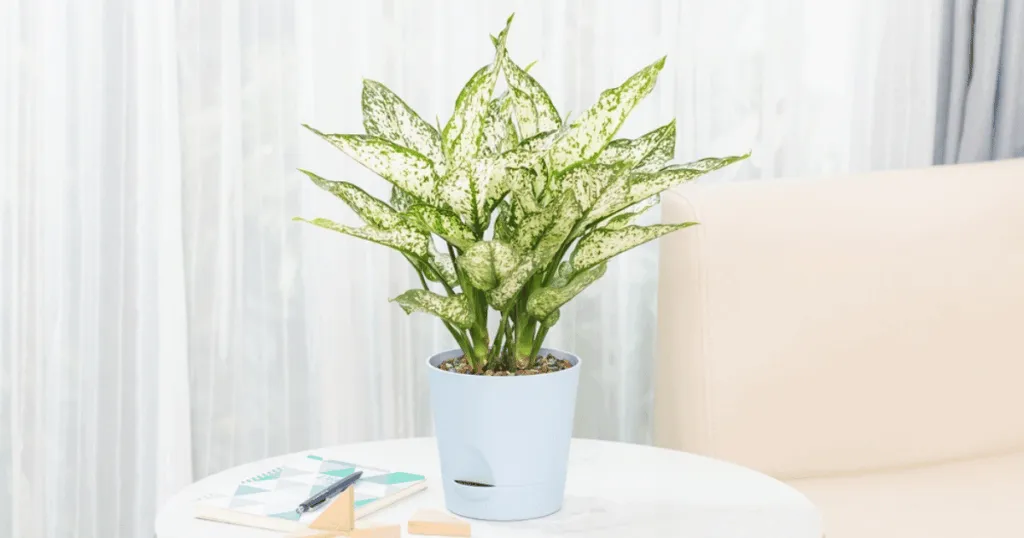
Available in a variety of leaf patterns and colors, the Chinese Evergreen is a fantastic way to add visual interest to a space. It is much more tolerant of low light than many other variegated plants. Its bushy growth habit makes it an excellent filler for empty corners or as a centerpiece on a round meeting table.
Parlor Palm
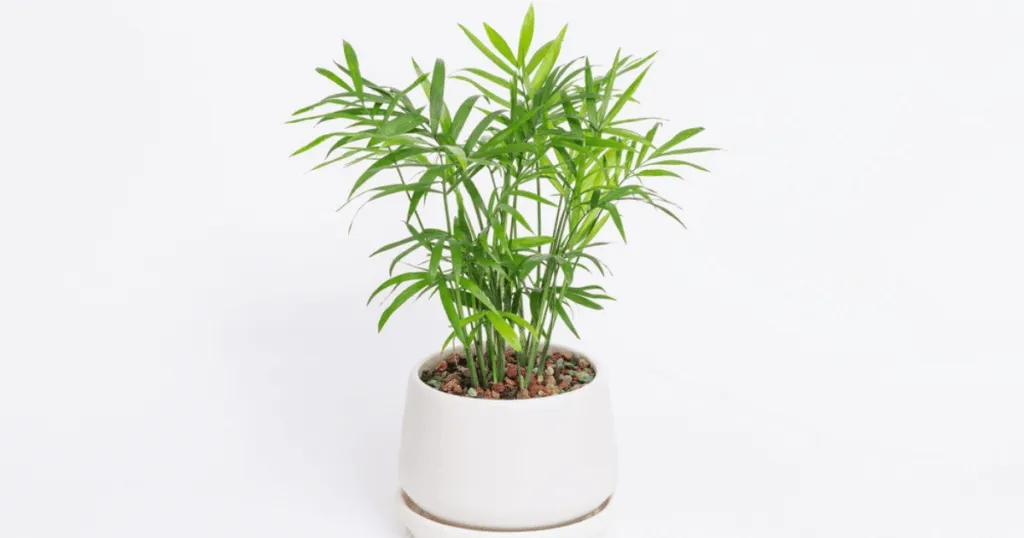
If you want to bring a touch of nature and softness to your office, the Parlor Palm is the most reliable palm for indoor settings. It is compact, slow-growing, and does not demand the high humidity that other palms require. Its feathery fronds create a gentle, swaying movement that adds a sense of calm to a busy office.
Spider Plant
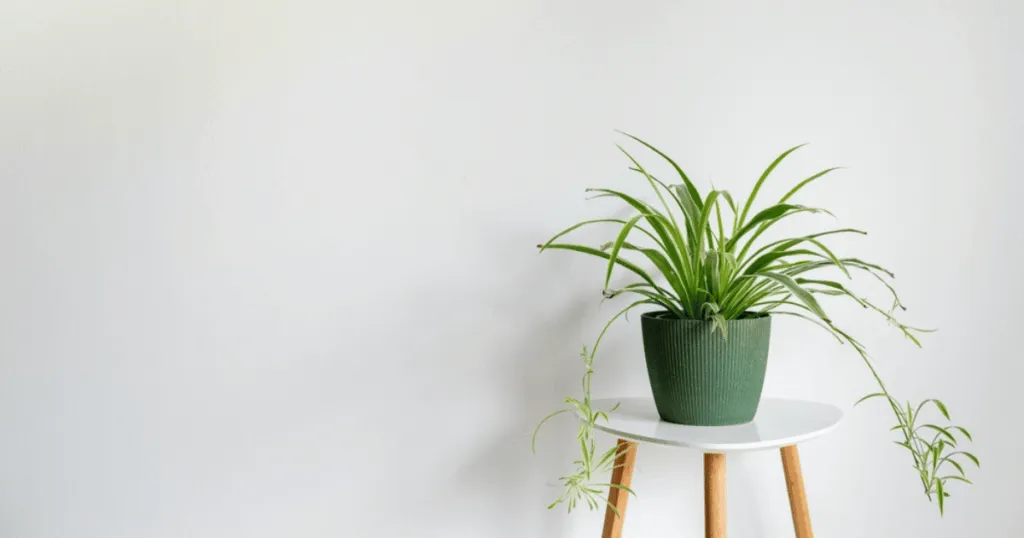
The Spider Plant is a classic for a reason. Its arching, variegated leaves and tendency to produce miniature plantlets make it a lively and engaging plant. It is very adaptable to different light conditions and is non-toxic, which is a significant benefit if your office allows pets or if you are concerned about plant safety in shared spaces.
Expanding Your Greenery: Additional Resilient Options
Dracaena
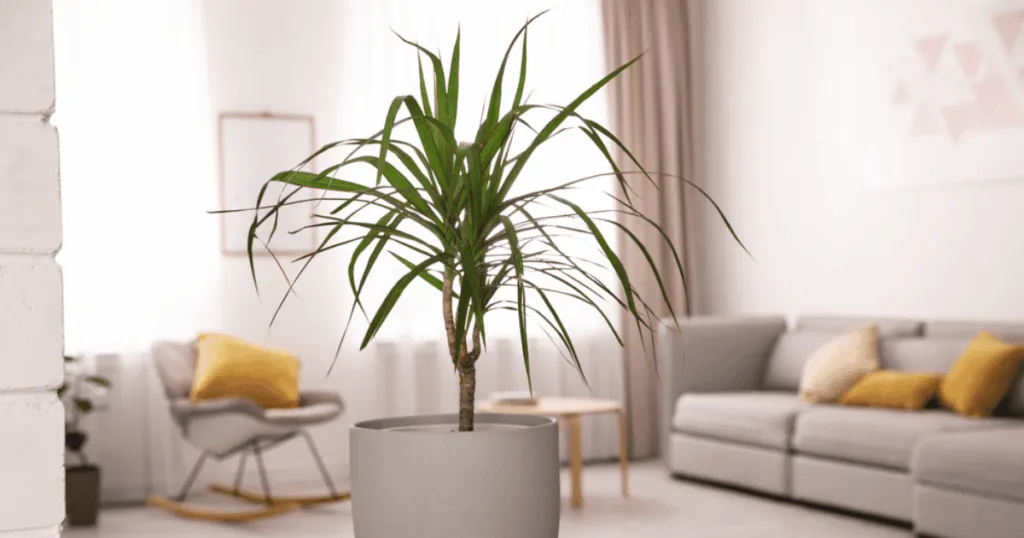
Dracaena species, such as the Corn Plant or Dragon Tree, offer a vertical, tree-like structure that is perfect for filling vertical space in open-plan offices. They are highly tolerant of low-light conditions. Note that they are sensitive to fluoride in tap water; if you notice brown tips, switching to filtered or distilled water can restore their clean, vibrant appearance.
Peperomia
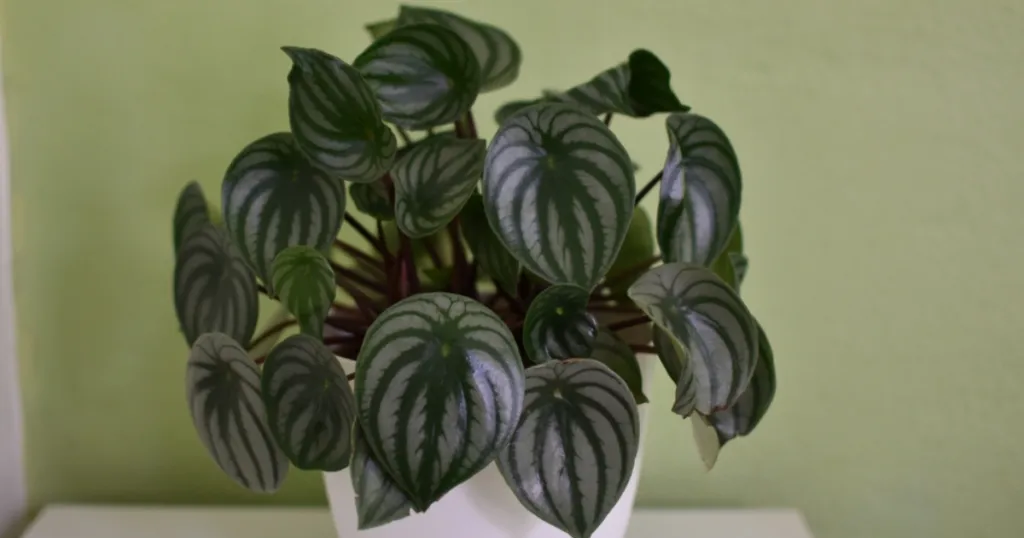
For smaller desks where space is at a premium, Peperomia is a top-tier choice. These semi-succulent plants come in a vast array of textures and colors, from crinkled leaves to variegated patterns. They are compact, non-toxic, and require very little water, making them ideal for the busy professional who wants a touch of life without the clutter.
Heartleaf Philodendron
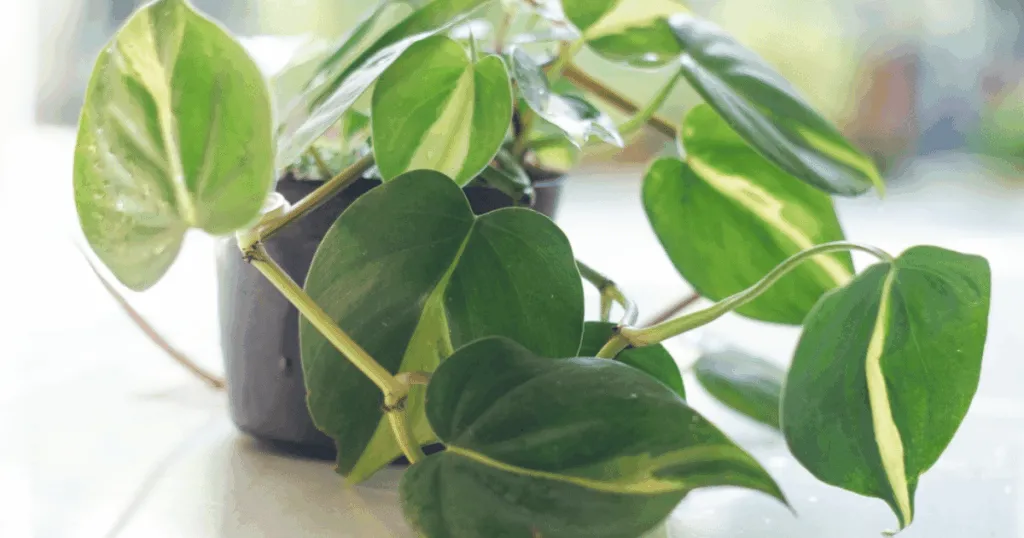
Distinct from larger vining varieties, the Heartleaf Philodendron is a classic trailing plant that thrives in medium light. It is incredibly easy to propagate, meaning you can share cuttings with colleagues, which can be a great way to build community and shared positive energy in the workplace.
Syngonium
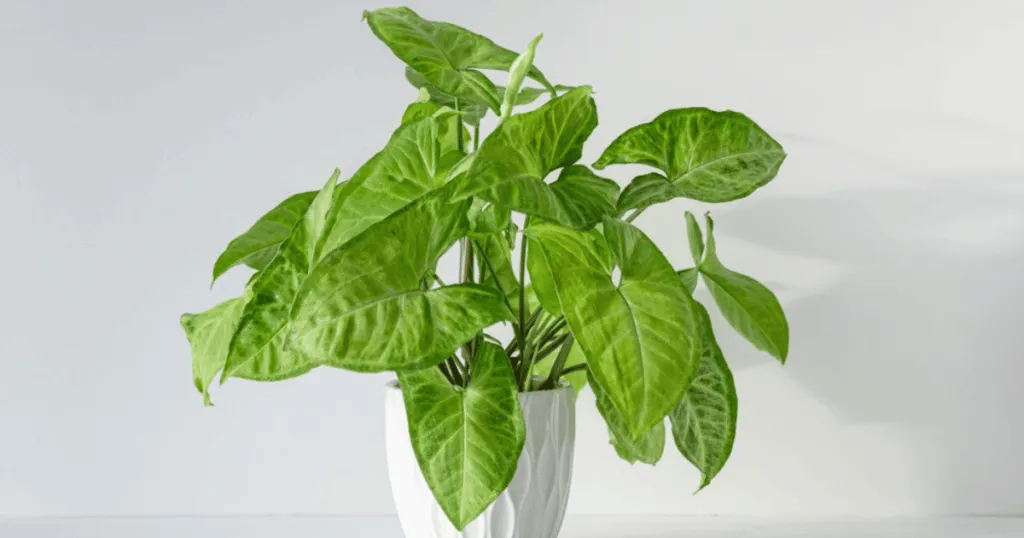
Also known as the Arrowhead Plant, the Syngonium is prized for its changing leaf shape as it matures. It is a vigorous grower that handles the average humidity of an office well. It provides a lush, tropical feel that can make a sterile office environment feel more organic and welcoming.
Placement and Use-Case Strategies
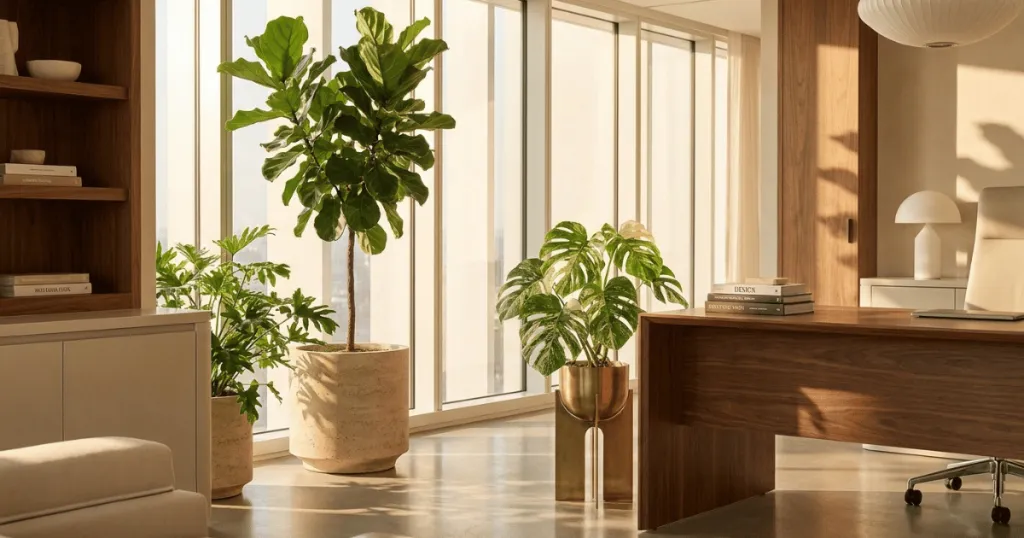
Strategic placement is essential for maintaining the positive energy of your plants. In a reception area, a larger specimen like a Cast Iron Plant or a ZZ Plant creates an immediate impression of professionalism and care. These areas often have high foot traffic, so placing the plant in a sturdy ceramic or metal pot prevents accidental tipping and keeps the root system protected.
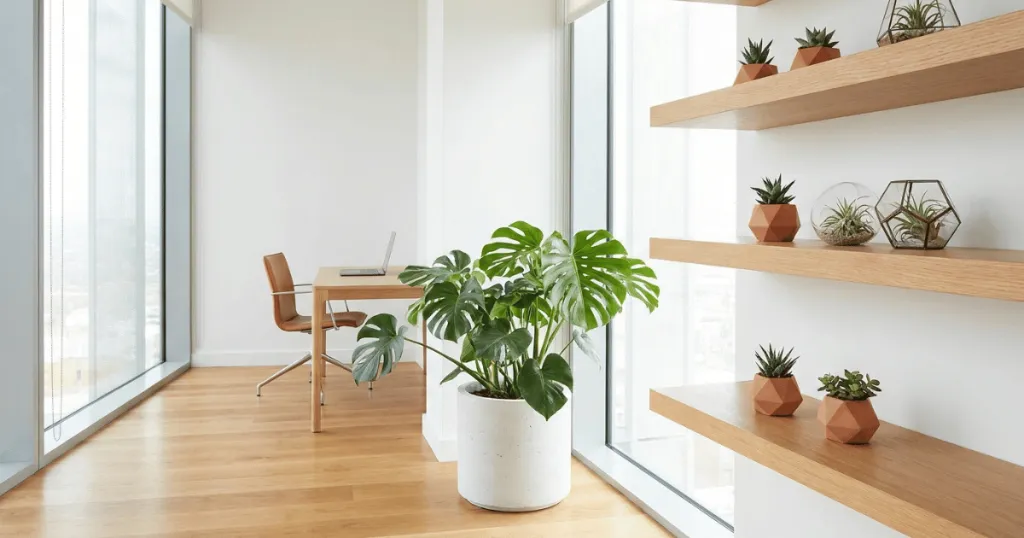
For individual desks, consider the footprint of the plant. A Snake Plant or a compact Peperomia takes up very little surface area while still providing the benefits of greenery. If your desk is near a window, you have more flexibility, but be mindful of direct sunlight, which can scorch the leaves of many office-appropriate plants. If your desk is in the interior of the office, stick to the low-light tolerant varieties mentioned above to avoid the frustration of a struggling plant.
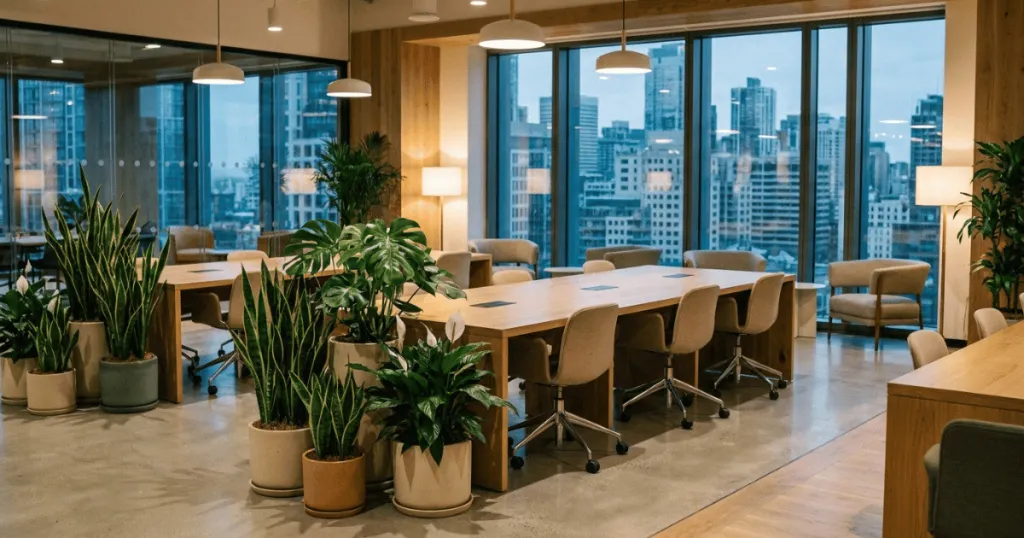
Meeting rooms benefit from plants that act as natural sound buffers and visual anchors. A grouping of plants can create a more inviting atmosphere, but ensure that the plants do not block lines of sight across the table. Use plants to define zones within an open office plan, such as placing a taller Dracaena or a cluster of plants on a low partition wall to provide a sense of privacy without fully enclosing the space.
Managing Environmental Challenges
The office environment is often hostile to plant life due to artificial lighting and HVAC systems. To maintain positive energy, you must mitigate these stressors. Artificial light, while often sufficient for survival, is rarely optimal for growth. If a plant appears to be reaching or leaning heavily, rotate the pot weekly to ensure even growth. If the plant is in a windowless room, consider a simple LED desk lamp on a timer to supplement the light.
Dry air is another major hurdle. While the plants listed here are chosen for their tolerance, they still appreciate occasional attention. If you notice dust accumulating on the leaves, wipe them down with a damp cloth. This not only improves the plant’s ability to photosynthesize but also keeps the office looking clean and professional. Avoid placing plants directly in the path of air conditioning vents, as the constant draft can cause rapid moisture loss and leaf drop, regardless of how well you water.
Limitations and Trade-offs
While these plants are chosen for their resilience, no plant is entirely maintenance-free. The most common mistake in an office setting is overwatering. Because office plants are often in lower light, they do not consume water as quickly as they would in a greenhouse. Always check the soil moisture before adding more water; if the top inch of soil is still damp, wait a few more days. Overwatering leads to root rot, which is the most frequent cause of plant failure in professional settings.
Another consideration is the use of fertilizers. In an office, you generally do not need to fertilize as frequently as you would for a home garden. Once or twice a year during the spring or summer is usually sufficient. Over-fertilizing can lead to salt buildup in the soil, which can eventually damage the roots. If you are responsible for a large number of plants, keep a simple log or use a calendar reminder to ensure that care tasks are distributed evenly and not forgotten during busy periods.
Finally, be aware of the toxicity of certain plants. Many popular office plants, such as the Snake Plant and ZZ Plant, are toxic if ingested. While this is rarely an issue in a professional office, it is a factor to consider if your workplace is pet-friendly or if you are concerned about potential accidental ingestion. If safety is a primary concern, stick to non-toxic options like the Spider Plant or the Parlor Palm.
This content is for informational purposes and does not constitute professional horticultural advice or a recommendation for specific commercial products. Plant health is dependent on individual environmental factors such as light, temperature, and maintenance consistency. We encourage you to observe your specific office environment and adjust care as needed to ensure the longevity of your greenery.
FAQ
How often should I water my office plants?
Most office plants prefer to dry out slightly between waterings. Instead of a fixed schedule, check the soil moisture with your finger. If the top inch of soil is dry, it is time to water. Overwatering is the most common cause of plant decline in offices.
Can office plants really improve the energy of a room?
Yes, plants contribute to positive energy by softening the harsh lines of office furniture, reducing visual clutter, and providing a natural focal point. A healthy plant signals a well-maintained environment, which can foster a more calm and productive atmosphere.
What is the best way to handle office plants during holidays?
Before a long break, ensure your plants are well-watered but not waterlogged. If you expect a very long closure, moving plants away from direct heat sources or windows can help them survive with less water. Most of the plants on this list are drought-tolerant and can easily survive a one-week office closure.
Do I need to fertilize my office plants?
Office plants grow slower than those in high-light environments, so they require less fertilizer. A light application of balanced, water-soluble fertilizer once or twice during the growing season is usually plenty. Avoid fertilizing during the winter months when growth naturally slows down.