The single fastest mistake to avoid with your office greenery is treating it like a standard tropical houseplant that needs a weekly schedule. Zamioculcas zamiifolia stores moisture in thick underground rhizomes, meaning that drenching the potting mix every Monday morning is a fast track to root rot. If you want a thriving desk companion that survives fluorescent lighting and missed watering days, understanding how this specimen manages moisture changes everything.
Getting zz plant care right in a commercial workspace means dropping traditional outdoor gardening habits entirely. Because office environments feature artificial illumination, dry HVAC air, and long weekend closures, successful management relies on mimicking the arid, cyclical conditions of the plant’s native African habitat. By respecting the natural drought resistance of Zamioculcas zamiifolia, office managers and desk workers can maintain vibrant displays with minimal weekly intervention.
What You Need to Know
- Tolerates low light environments
- Grows best in bright indirect light
- Let soil dry out completely between waterings
- Stores water in thick subterranean rhizomes
- Toxic to cats and dogs if ingested
Light and Placement Strategies for Workplaces
Finding the right spot in a corporate environment often comes down to balancing window proximity with artificial office illumination. While many indoor varieties struggle under sealed corporate windows or deep interior hallways, this species handles dim spaces exceptionally well. It adapts to windowless interior conference rooms illuminated entirely by fluorescent tubes or standard LED office fixtures. When evaluating workspace layouts, facilities managers should consider how foot traffic, drafts from core HVAC zones, and vertical clearance affect long-term structural stability.
However, surviving dim conditions is different from thriving. When placed near an east-facing or north-facing window, stems grow stronger and leaves develop a deep, glossy sheen. Direct southern or western exposure can scorch the waxy foliage, leaving pale bleached patches on the leaves. If your desk sits far from natural light sources, keep the overhead office lights on during business hours to provide enough photosynthetic energy for steady growth.
Desk clusters and reception areas benefit greatly from this adaptability. If you are positioning your display near an exterior glass door, watch out for cold drafts during winter months. Sudden temperature shifts cause stress even for hardy specimens. A stable interior corner with consistent ambient light is usually the safest placement choice for long-term health. When evaluating low light office plants, remember that zero light is still lethal; while fluorescent tubes provide enough spectrum for survival, pitch-black rooms left dark for weeks will eventually cause decline.
Pairing your display with adequate indirect light ensures steady, resilient growth across corporate cubicles and private executive offices alike. For instance, placing a container on a credenza ten feet away from a south-facing window shields the foliage from harsh rays while providing stable ambient photons throughout the typical nine-to-five workday.
Watering and Soil Guidance for Busy Offices
Water management is the core of successful zz plant care. Because these specimens store moisture in their tuberous roots, they tolerate extended neglect much better than overzealous attention. In a typical climate-controlled office with low humidity and steady HVAC airflow, the potting mix often stays damp longer than expected due to reduced evaporation rates inside sealed commercial buildings.
Before adding moisture, check the soil depth with your finger or a wooden moisture meter. The mix must be completely dry several inches down before you pick up a watering can. When it is time to water, saturate the medium thoroughly until excess runs out of the drainage holes, then empty the saucer immediately. Never let the pot sit in standing water, as stagnant moisture suffocates the root system and triggers irreversible fungal decay.
Soil composition plays a massive role in preventing moisture retention issues. Standard dense potting soil holds too much water and increases rot risks. A well-draining soil mix incorporating perlite, coarse sand, or orchid bark allows excess water to escape rapidly. If your container lacks a drainage hole, repot the specimen immediately into a vessel that allows proper water evacuation. In a commercial office setting, a plastic inner nursery pot placed inside a decorative ceramic cachepot makes it easy to take the plant to a breakroom sink for thorough watering without risking desk spills or staining shared furniture.
Implementing a disciplined approach to watering zz plant specimens prevents the soggy conditions that routinely plague office flora left in the care of multiple team members who might otherwise double-water the container.
Humidity, Temperature, and Feeding Dynamics
Office buildings are notorious for dry air, especially during winter heating cycles or peak summer air conditioning use. Fortunately, this resilient species adapts to low relative humidity without developing crispy brown leaf tips. You do not need to cluster humidifiers around your desk or mist the leaves daily, making maintenance exceptionally straightforward for busy administrative teams.
Temperature stability matters more than moisture in the air. Keep your workspace between 65 and 75 degrees Fahrenheit. While brief dips into the upper fifties are tolerated, freezing drafts near loading docks or exterior doors will damage cellular structures. Protect your display from direct blasts of hot or cold air blowing out of ceiling vents, as rapid thermal fluctuations cause premature leaf drop.
Feeding requirements are minimal. In an office setting, growth slows down due to lower light intensities compared to a greenhouse. Fertilize only during the active spring and summer growing seasons using a balanced, water-soluble fertilizer diluted to half strength once a month. Skip feeding entirely during autumn and winter when the plant enters a natural rest period. Over-fertilization leads to salt buildup in the soil, which burns the roots and causes stem yellowing. Integrating indoor office plants into corporate spaces means embracing these slow metabolic rhythms rather than forcing rapid growth with heavy chemical inputs that ultimately destabilize the root architecture.
Repotting, Pruning, and Propagation Methods
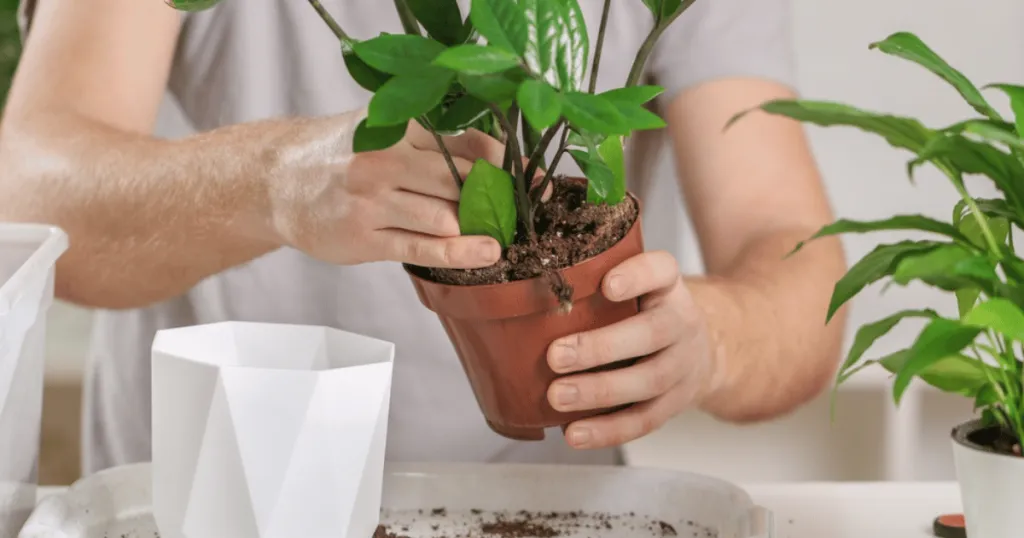
Root congestion happens slowly because these specimens grow at a moderate pace. You will typically only need to repot every two to three years. Signs that a container is too small include roots pushing against the plastic sides, bulging pots, or water running straight through without moistening the dry soil. Choose a slightly larger container, ideally made of terracotta or heavy ceramic to balance the weight of thick stems, and refresh the potting mix with a fast-draining blend.
Pruning is rarely necessary except for removing old, yellowed stems near the base. Use clean, sharp shears to cut damaged foliage cleanly at soil level. Do not leave stubs behind, as decaying plant matter attracts pests or fungal issues.
Propagation offers a rewarding way to share desk greenery with coworkers. You can multiply your collection through stem cuttings or leaf divisions during repotting. To divide, gently pull apart the rhizome clusters, ensuring each section has healthy roots and attached stems, then pot them individually. Leaf cuttings placed in water or moist soil will also form tiny rhizomes over several months, though this method requires patience as growth starts out exceptionally slow. Mastering these propagation techniques allows facilities teams to expand their green footprint across multiple conference rooms without purchasing new inventory.
Seasonal Adjustments and Common Care Mistakes
Even though this species is famous for tolerating neglect, certain recurring errors undermine its health in office environments. Recognizing these pitfalls helps you adjust your routine before permanent damage occurs.
Avoiding Frequent Overwatering
The most common mistake is watering on a strict calendar schedule rather than checking soil moisture. If leaves turn yellow and mushy at the base, stop watering immediately, inspect the root ball for decay, and trim away black, rotting rhizomes before repotting into fresh, dry soil.
Managing Low Light Stagnation
While the plant survives dim corners, dropping all overhead office lighting on weekends and extended holidays can cause leggy, pale stems. Ensure the space receives ambient daylight or keep a desk lamp on a timer if the room stays pitch black for days at a time.
Preventing Pet Ingestion Risks
According to veterinary poison control resources and ASPCA guidance on toxic plants, this species contains calcium oxalate crystals. If chewed or ingested by cats or dogs, these needle-like crystals cause irritation, drooling, and mouth pain. Keep desk displays safely out of reach of curious office pets if animals visit the workplace.
Seasonal shifts require simple adjustments. Reduce watering frequency by half during the shorter days of winter when growth pauses. Keep foliage dust-free by wiping leaves gently with a damp cloth every few weeks, which ensures the pores stay clean and maximum light is absorbed from indoor fixtures.
Related ZZ Plant Guides
- everything about the ZZ Plant
- fixing common ZZ Plant issues
FAQ
Why are the stems on my office zz plant turning yellow and falling over?
Yellow and collapsing stems almost always point to overwatering and saturated soil rotting the underground rhizomes. Check the soil moisture immediately. If the mix feels soggy, let it dry out completely and trim away any soft, blackened roots before repotting into a fast-draining medium.
Can this plant survive completely without natural sunlight in a windowless office?
Yes, it adapts remarkably well to windowless interior rooms lit entirely by fluorescent or LED office lighting. However, growth will be much slower than in a space with bright indirect daylight, and you should keep overhead lights running consistently during business hours.
How often should I wipe the dust off the waxy leaves?
Wiping the leaves every month with a damp cloth removes office dust and HVAC particulate buildup that blocks light absorption. Clean foliage keeps the plant photosynthesizing efficiently under indoor lighting while maintaining a glossy, vibrant desk appearance.
Is it safe to keep this plant on a shared office reception desk where pets visit?
Veterinary resources note that this species contains calcium oxalate crystals which cause oral irritation and swelling if chewed or ingested by dogs and cats. It is best to place the container on a high shelf or reception counter out of reach of visiting pets.