Affiliate Disclosure: As an Amazon Associate, I earn from qualifying purchases.
Introducing living color into a workspace can transform a sterile desk or reception area into a more inviting environment. While many office plants are prized strictly for their foliage, the best flowering office plants offer a seasonal visual reward that breaks up the monotony of grey walls and computer screens. Selecting these plants requires a realistic assessment of your specific office conditions, particularly light availability and humidity levels, as flowering species are generally more demanding than their non-blooming counterparts.
Successful integration of flowering specimens into an office necessitates a careful negotiation between the plant’s biological needs and the constraints of a commercial building. Unlike residential settings, offices often feature uniform, consistent temperatures and artificial lighting that may not provide the full spectrum required for photosynthesis. By understanding the specific light, water, and humidity requirements of these plants, you can create a vibrant, living workspace that remains healthy throughout the work week.
What You Need to Know
- Flowering plants require more light than foliage-only varieties.
- Fluorescent lighting often lacks the spectrum needed for heavy blooms.
- Consistent moisture is vital, but avoid waterlogged soil in offices.
- Rotate pots weekly to ensure even growth toward light sources.
Most flowering plants have evolved to bloom under specific light intensities that are rarely matched by standard overhead office lighting. When you choose a flowering plant for your desk, you are essentially asking it to perform a high-energy biological task in a low-energy environment. Success depends on prioritizing species that are naturally adapted to understory light conditions, rather than those that require full sun to produce blossoms. By focusing on plants that tolerate lower light, you can enjoy the aesthetic benefits of blooms without the constant struggle of supplemental lighting or specialized care.
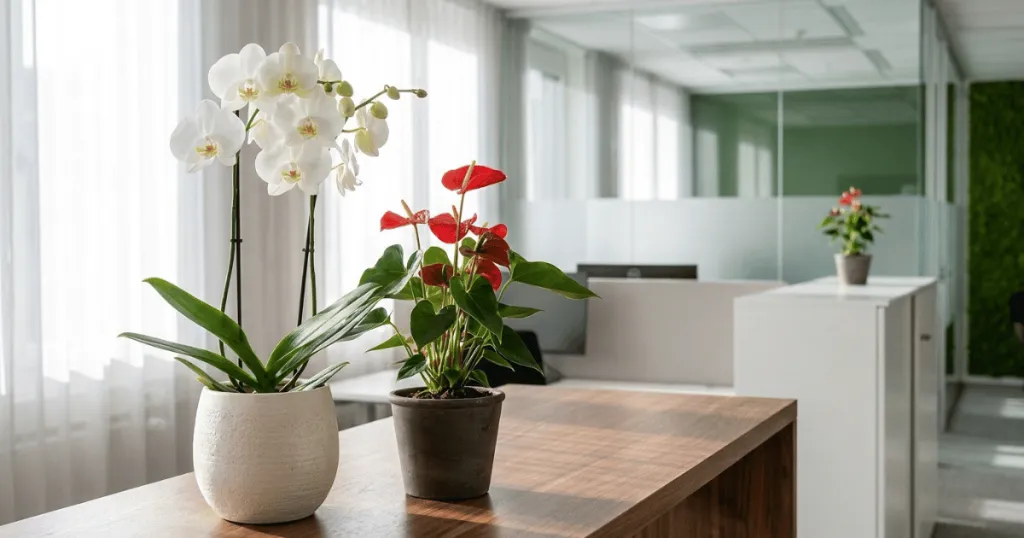
Criteria for Selecting Office-Friendly Blooms
The primary challenge in selecting flowering plants for an office is the disparity between the plant’s natural habitat and the typical climate-controlled office. Most indoor environments are characterized by low, consistent humidity and artificial light, which can cause many flowering plants to drop their buds prematurely. A successful office plant must be resilient enough to handle these conditions while maintaining its decorative appeal.
Light quality is the most significant factor. While a plant might survive in a dark corner, it will rarely flower there. You should aim for a spot near a window or under a dedicated desk lamp if you want to see consistent blooms. Additionally, consider the maintenance cycle. In a professional setting, plants are often left unattended over weekends or holidays. Choosing a plant that does not require daily misting or precise temperature control is essential for long-term success. The following selections are curated for their ability to balance visual impact with the practical realities of a standard office.
Peace Lily
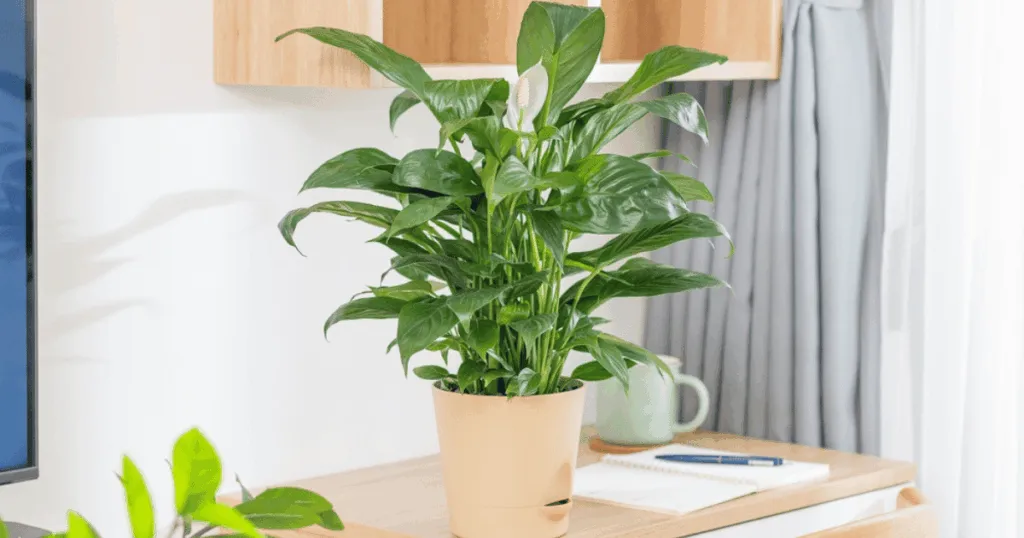
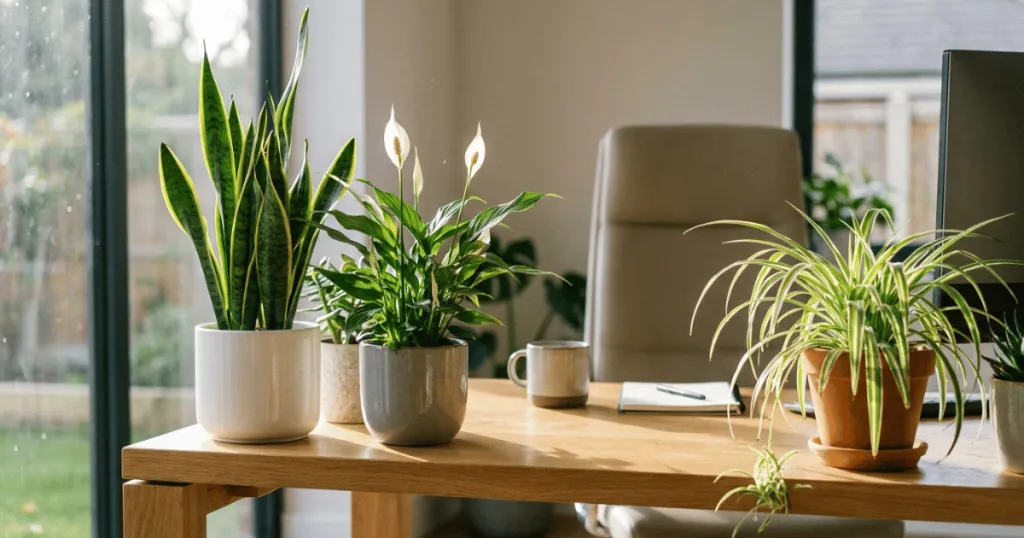
The Peace Lily is perhaps the most iconic choice for offices, primarily because it is one of the few plants that can actually produce white spathes in lower light conditions. It is highly communicative, as the leaves will visibly droop when the plant requires water, serving as a built-in reminder for the busy office manager. Keep in mind that while it tolerates low light, it will produce more flowers if placed in a spot with medium indirect light. It is toxic if ingested, so keep it away from common areas where pets or children might be present.
Anthurium
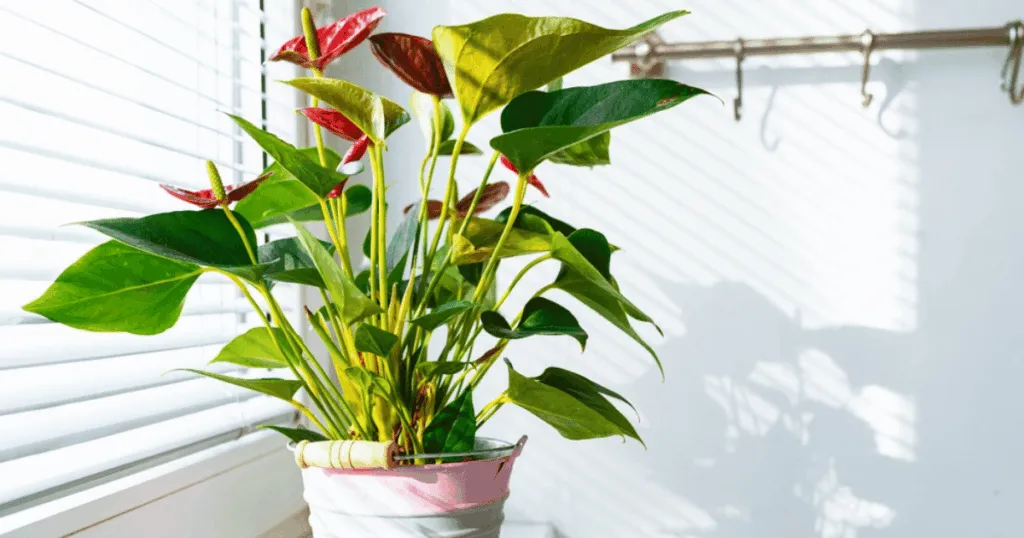
If you are looking for a plant that provides long-lasting, waxy color, the Anthurium is an excellent choice. Its vibrant red, pink, or white spathes can last for weeks, providing a consistent pop of color that foliage plants cannot match. It prefers medium to bright indirect light and appreciates a stable, warm environment. Avoid placing it directly in the path of cold air vents, as sudden temperature fluctuations can cause the flowers to fade faster than normal.
Orchid
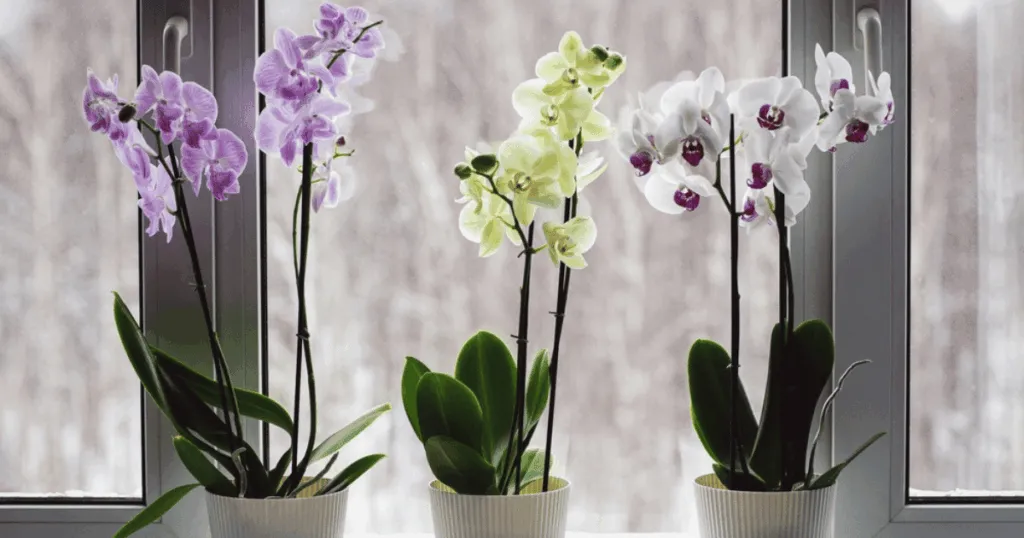
Often viewed as a high-maintenance gift, the common Phalaenopsis or moth orchid is surprisingly well-suited to office life if you understand its basic needs. These plants thrive in medium to bright indirect light and require very little water compared to leafy tropicals. The key to success is avoiding overwatering, which is the most common cause of root rot. If you provide a well-draining potting medium and keep it away from direct, harsh sun, an orchid can provide months of elegant, sculptural blooms.
African Violet
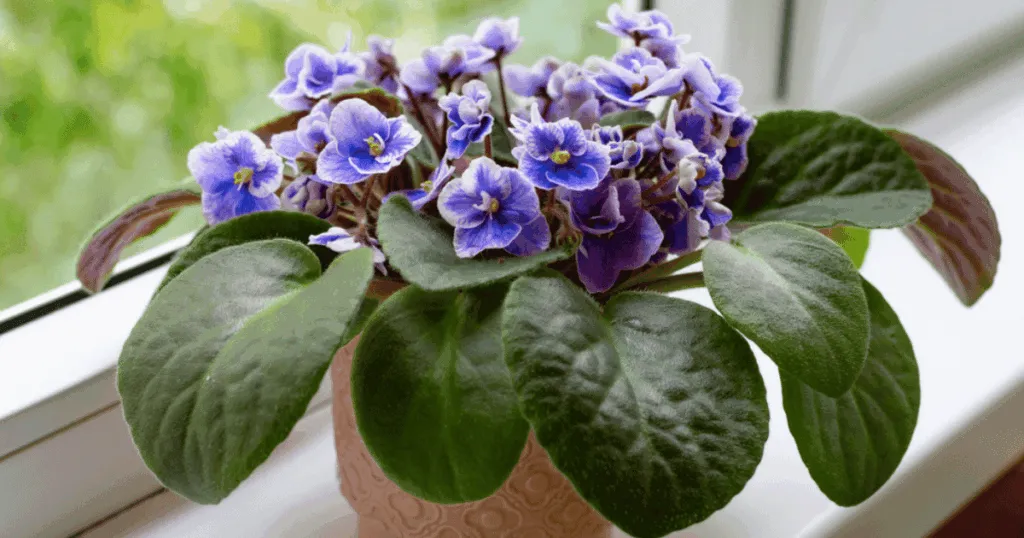
For a compact desk plant that offers frequent, delicate flowering, the African Violet remains a classic. These plants are small enough to fit on a crowded workspace and bloom repeatedly throughout the year. They do have a specific preference for bright, indirect light and dislike having cold water splashed on their leaves, which can cause unsightly spotting. Use room-temperature water and apply it directly to the soil to keep the foliage pristine and the flowers abundant.
Kalanchoe
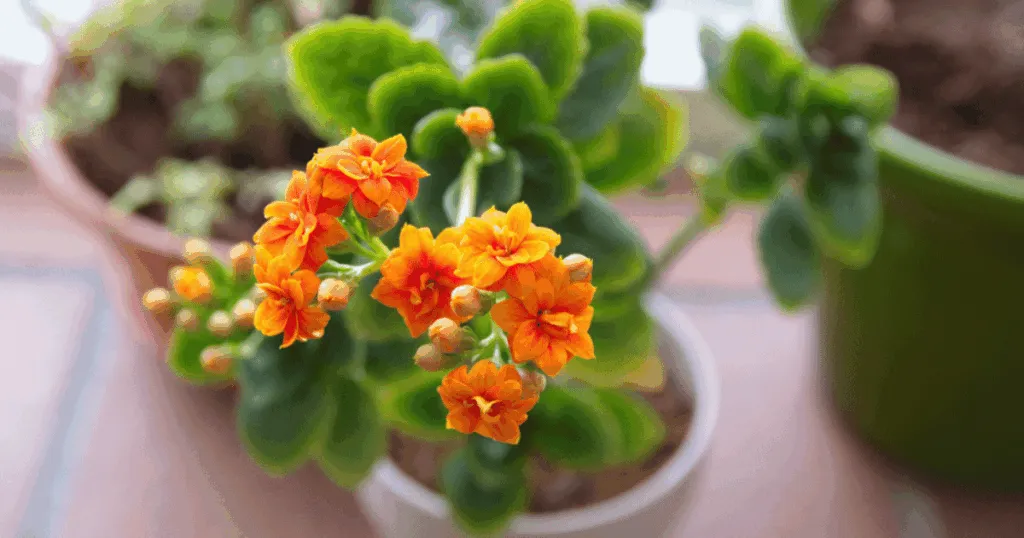
The Kalanchoe is a succulent that produces clusters of vibrant, long-lasting flowers. Because it is a succulent, it is incredibly forgiving of the occasional missed watering, making it ideal for offices that experience long weekends or holiday closures. It requires bright light to maintain its flowering cycle, so a south or west-facing windowsill is the ideal location. If the light is too low, the plant will become leggy and may stop producing new buds.
Clivia
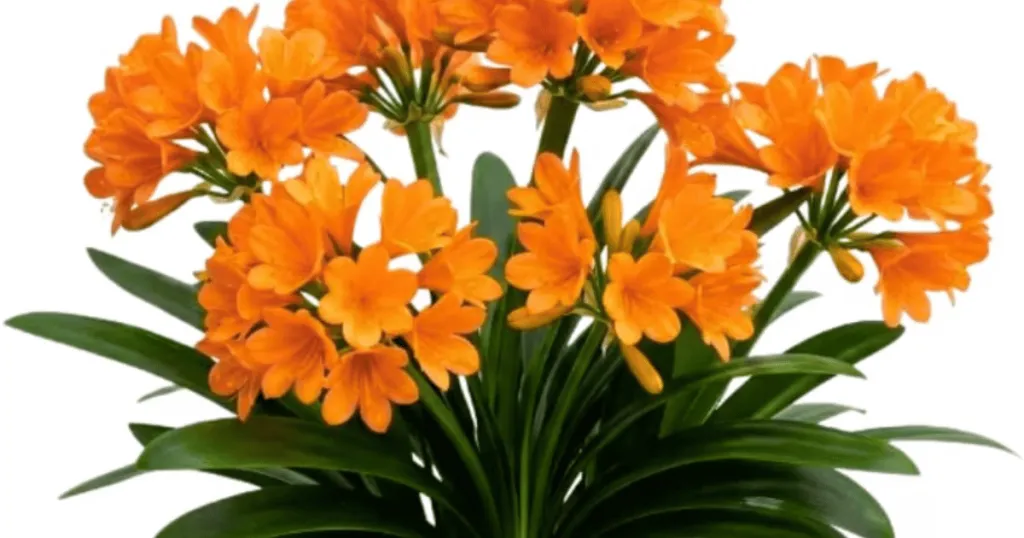
If you have a slightly larger space and want a plant with a striking, architectural presence, the Clivia is a sophisticated choice. It produces brilliant orange or yellow clusters of flowers in late winter or early spring, providing color when most other plants are dormant. It is remarkably tolerant of low light and neglect, making it a low-stress option for an office manager who wants a high-impact plant without the high-maintenance requirements of more delicate species.
Managing Environmental Stressors in the Office
Office environments present unique challenges that differ significantly from home gardening. The primary stressors include low humidity caused by HVAC systems, inconsistent light due to artificial sources, and temperature fluctuations near doorways or vents. Understanding how these variables affect your flowering plants is crucial for long-term success.
For instance, while a plant may be labeled as ‘low light,’ this refers to its survival threshold, not its optimal blooming threshold. To encourage flowering, you must maximize the light exposure by keeping leaves clean of dust, which can block the limited light available in an office setting.
Humidity management is another critical area. Most flowering tropicals, such as the Peace Lily or Anthurium, prefer humidity levels above 40%. In a typical office, humidity often drops below 20% during winter months. Using a pebble tray filled with water beneath the pot can create a microclimate that increases local humidity without requiring constant misting, which can sometimes lead to fungal issues if the air circulation is poor. Avoid placing these plants directly in the path of a heater or air conditioner, as the constant airflow will desiccate the plant tissue rapidly.
The Role of Supplemental Lighting
When natural light is insufficient, supplemental lighting is the most effective way to maintain a flowering plant’s health. Modern LED technology has made this easier than ever. Unlike older incandescent bulbs that generated significant heat, LEDs are cool to the touch and can be placed closer to the plant without risking leaf burn. For flowering plants, look for full-spectrum LED bulbs that mimic natural sunlight. These bulbs provide the specific wavelengths of blue and red light that plants require for photosynthesis and flower production.
A simple timer can ensure your plant receives 8 to 12 hours of light daily, providing the consistency that is often missing in an office environment where lights are turned off at night.
Maintenance Cycles and Dormancy
It is a common misconception that a plant is failing if it stops blooming. Many of the best flowering office plants, such as the Clivia or certain Orchids, have distinct dormant periods where they require less water and no fertilizer. During this time, the plant is conserving energy for the next growth cycle.
Forcing a plant to bloom year-round with excessive fertilizer or water can actually weaken the plant and lead to long-term decline. Instead, observe the plant’s natural rhythm. If it stops producing flowers, reduce your watering frequency and hold off on fertilizer until you see signs of new growth, such as new leaves or flower spikes. This patience is rewarded with healthier, more vigorous blooms in the following season.
Strategic Placement for Maximum Impact
Placement is rarely just about aesthetics in an office. You must consider the traffic flow, the proximity to HVAC vents, and the available light sources. For flowering plants, the window is your best friend, but you must be careful about direct sun exposure. A sheer curtain or a simple blind can diffuse harsh afternoon light, protecting the delicate petals from scorching. If your desk is in an interior room, consider using a high-quality LED desk lamp to provide the necessary spectrum for your plant to bloom.
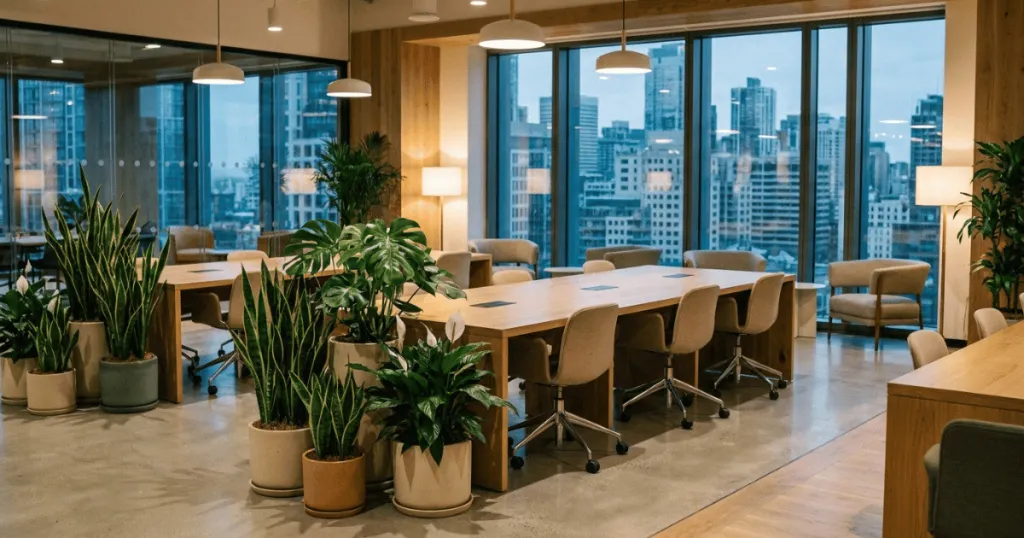
Reception areas are ideal for larger flowering specimens like the Peace Lily or Clivia, as these spaces often have more floor space and higher ceilings. For individual desks, prioritize smaller, compact plants like the African Violet or Kalanchoe. Always avoid placing plants directly under or over air conditioning vents, as the constant stream of dry, cold air will dehydrate the plant and cause buds to drop prematurely. A stable, draft-free location is the single most important factor in keeping your flowering office plants healthy.
Limitations and Trade-offs
It is important to acknowledge that flowering plants are inherently more demanding than foliage plants. The process of blooming requires significant energy, and when that energy is not met with adequate light and nutrients, the plant will prioritize survival over reproduction. You should expect a period of dormancy after a plant finishes its flowering cycle. Do not assume the plant is dying if it stops blooming; it is simply resting and preparing for the next season.
If you find that your office environment is consistently dark or subject to extreme temperature swings, you may be better served by focusing on plants with variegated foliage, such as the Pothos or Chinese Evergreen, which provide visual interest through color and pattern rather than flowers. There is no shame in choosing a plant that thrives in your specific conditions over one that merely survives. A healthy, lush foliage plant will always look better than a struggling, flowerless, and leggy bloom-producing plant.
Finally, consider the toxicity of your chosen plant. Many flowering species, including the Peace Lily and Anthurium, contain calcium oxalate crystals that can cause irritation if ingested. If your office is a shared space with pets or young children, prioritize non-toxic options like the African Violet or Orchids to ensure a safe environment for everyone. Always verify the specific botanical classification of your plant, as common names can sometimes be shared by toxic and non-toxic varieties.
This guide is intended for informational purposes regarding the selection and care of indoor plants within office environments. We do not provide commercial recommendations, pricing, or retail sourcing. Plant health is subject to individual environmental variables, and we encourage you to monitor your specific office conditions closely. Always check the specific care requirements for your plant variety, as individual cultivars may have slight variations in light and water needs. We do not accept liability for plant loss or environmental damage resulting from the implementation of these suggestions.
FAQ
Can I use artificial desk lights to help my flowering office plants?
Yes, high-quality LED desk lamps can provide the necessary light spectrum for many flowering plants. Position the light within a few inches of the plant for several hours a day to supplement low natural light levels.
Why do my office plants drop their flower buds before they open?
Bud drop is usually caused by sudden environmental changes, such as drafts from HVAC vents, extreme temperature fluctuations, or inconsistent watering. Ensure your plant is in a stable location away from direct airflow.
How often should I fertilize my flowering office plants?
Fertilize sparingly during the active growing season, typically spring and summer. Use a balanced, water-soluble fertilizer at half the recommended strength to avoid burning the roots, and stop fertilizing entirely during the dormant winter months.
Are there any flowering plants that are safe for offices with pets?
Yes, both African Violets and Phalaenopsis orchids are considered non-toxic to cats and dogs. These are excellent, safe choices for offices where pets may be present.