Affiliate Disclosure: As an Amazon Associate, I earn from qualifying purchases.
When selecting the best oxygen producing plants for office environments, the primary constraint is the trade-off between natural light availability and the need for low-maintenance greenery. Most office spaces operate under artificial lighting, such as LEDs or fluorescent tubes, which limits the photosynthetic potential of many common houseplants. A successful choice must balance the plant’s biological need for light with the reality of a climate-controlled, often dry, and sometimes neglected workspace. Prioritizing plants that thrive in these conditions ensures you benefit from improved air circulation and aesthetic appeal without the burden of complex care routines.
Decision Snapshot
- Snake Plant: Superior low-light oxygen production for cubicles.
- ZZ Plant: Ideal for windowless offices with fluorescent lighting.
- Spider Plant: Non-toxic, high-output, and easy to propagate.
- Peace Lily: Effective air purifier that signals when thirsty.
- Chinese Evergreen: Versatile foliage with high tolerance for neglect.
The effectiveness of a plant in an office setting depends less on its specific species and more on its ability to maintain healthy, active foliage under limited light. Plants that struggle to photosynthesize will not contribute meaningfully to oxygen levels or humidity regulation. By focusing on species that are naturally adapted to the forest floor or understory conditions, you can create a workspace that feels fresher and more vibrant. Our list focuses on plants that demonstrate resilience in HVAC-controlled air, where humidity is often low and temperature fluctuations are common.
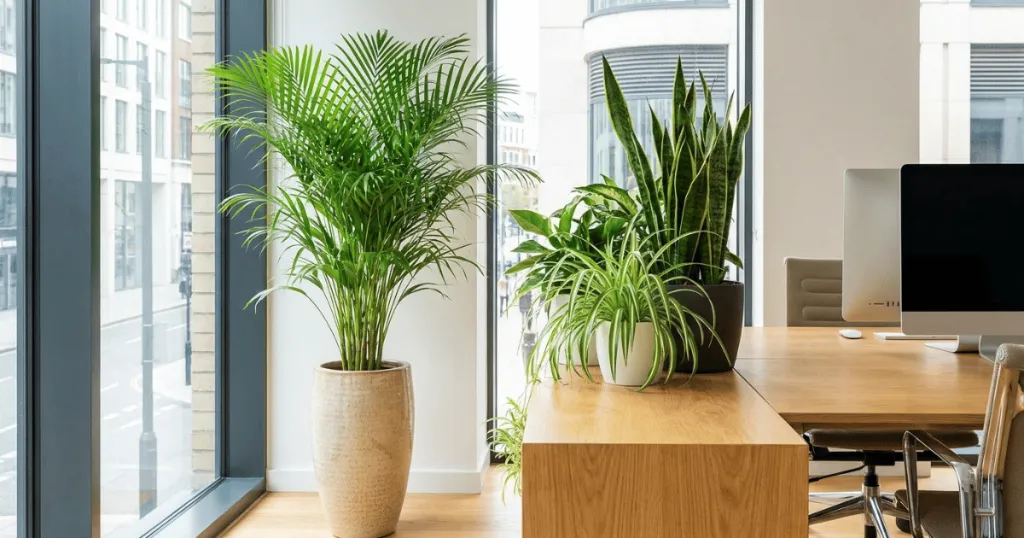
Understanding Plant Performance in Office Environments
In a typical office, the air is constantly circulated by HVAC systems, which can lead to rapid moisture loss from both the soil and the plant leaves. While many plants are marketed for their air-purifying qualities, their primary benefit in a professional setting is the psychological boost and the subtle increase in localized humidity. When a plant is healthy, it actively exchanges gases through its stomata, contributing to a more comfortable breathing environment. However, this process requires consistent, albeit minimal, care.
A common mistake is assuming that all plants require the same amount of water. In reality, the best oxygen producing plants for office use are those that can tolerate a missed watering cycle over a weekend or a holiday break. Plants with thick, waxy leaves or specialized root systems, such as rhizomes or tubers, are better equipped to handle these variations. When you choose a plant, consider the light profile of your specific desk or meeting room. If you are in an interior room with no windows, your selection must be limited to those that can survive on artificial light alone.
Top Selections for Office Air Quality
Snake Plant
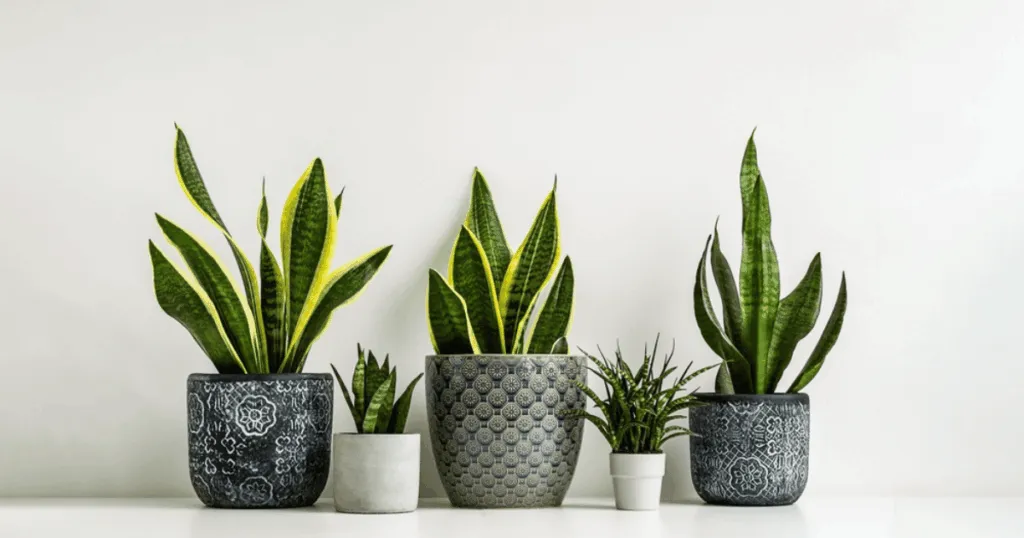
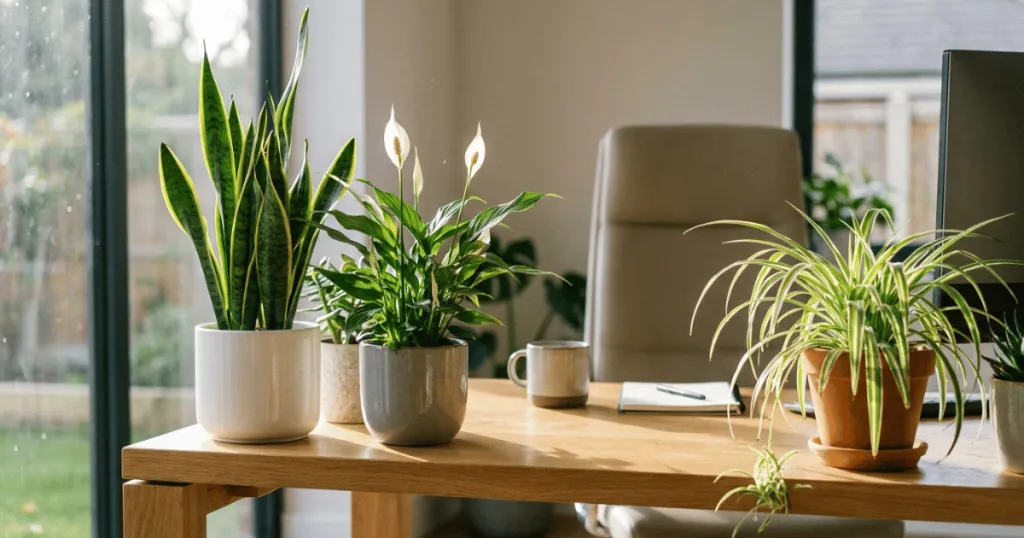
The Snake Plant is arguably the most reliable choice for any office. Its ability to perform crassulacean acid metabolism, or CAM photosynthesis, allows it to absorb carbon dioxide and release oxygen primarily at night, which is a unique advantage for office workers. It is exceptionally tolerant of low light and infrequent watering, making it a staple for busy professionals who cannot commit to daily plant maintenance.
ZZ Plant
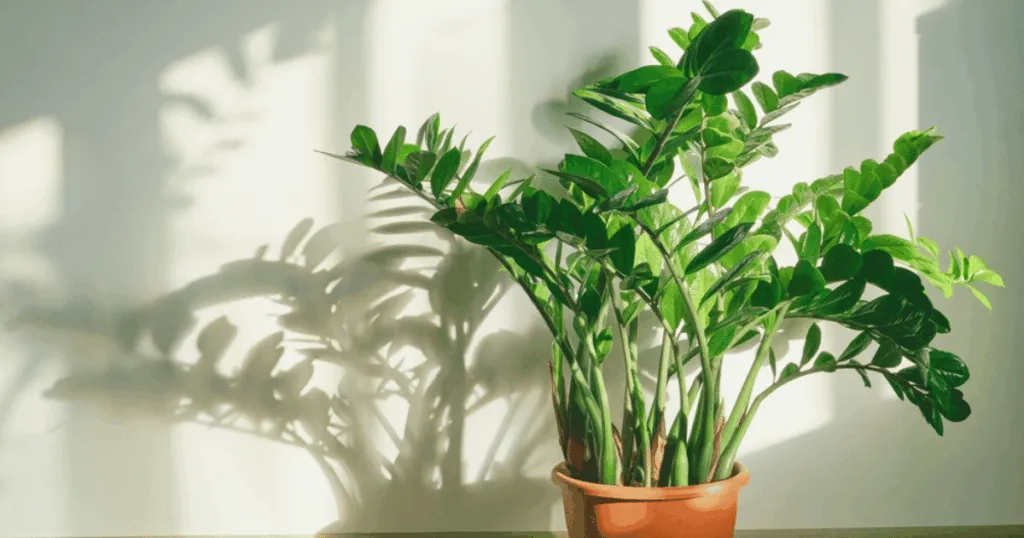
The ZZ Plant is often the go-to for windowless offices or reception areas with limited natural light. Its rhizomatous root system stores water efficiently, allowing it to survive long periods of drought. Because it grows slowly, it does not require frequent repotting, keeping your workspace clean and organized. It thrives under standard fluorescent office lighting, maintaining its deep green, waxy foliage with minimal intervention.
Spider Plant
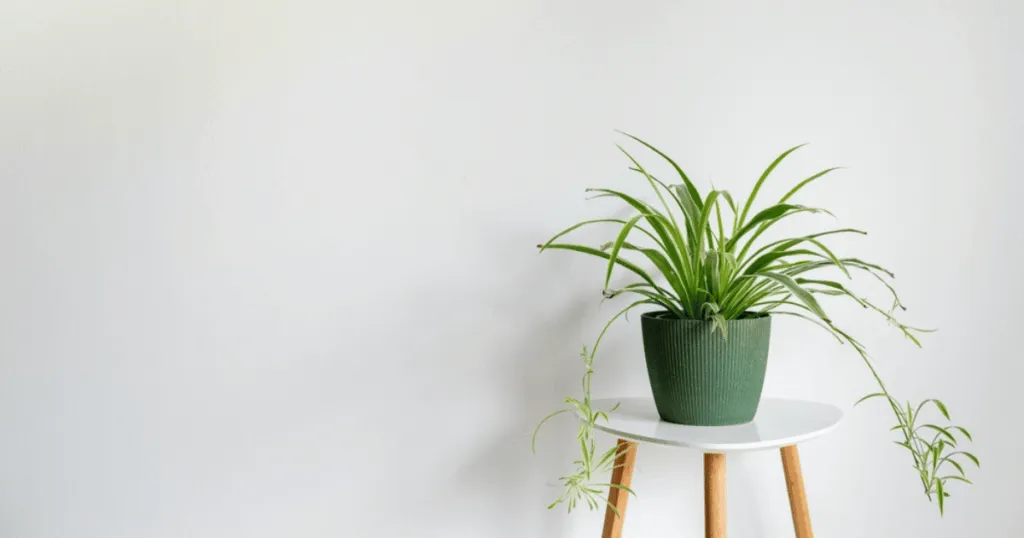
Known for its arching, grass-like leaves, the Spider Plant is a classic choice that is also non-toxic to pets. It is highly adaptable to various light conditions, though it prefers bright, indirect light to produce its signature plantlets. In an office, it works well on a high shelf or in a hanging planter where it can trail effectively, adding a dynamic visual element while contributing to the overall air quality.
Peace Lily
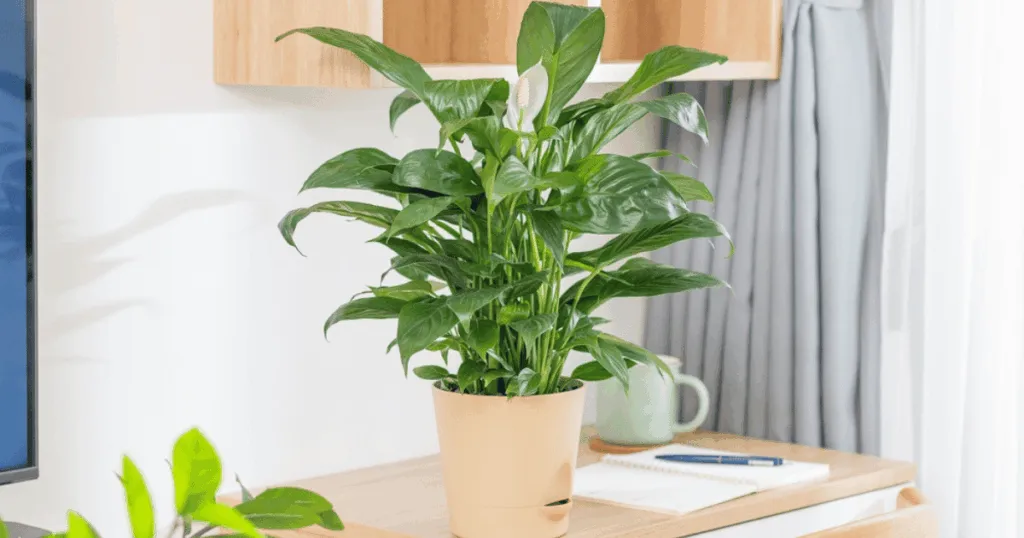
The Peace Lily is a favorite for those who want a plant that communicates its needs clearly. When the soil becomes too dry, the leaves will visibly droop, signaling that it is time for a drink. While it prefers slightly more consistent moisture than the Snake Plant, it is very effective at thriving in medium-light office corners. It is a robust plant that can handle the occasional missed watering without long-term damage.
Chinese Evergreen
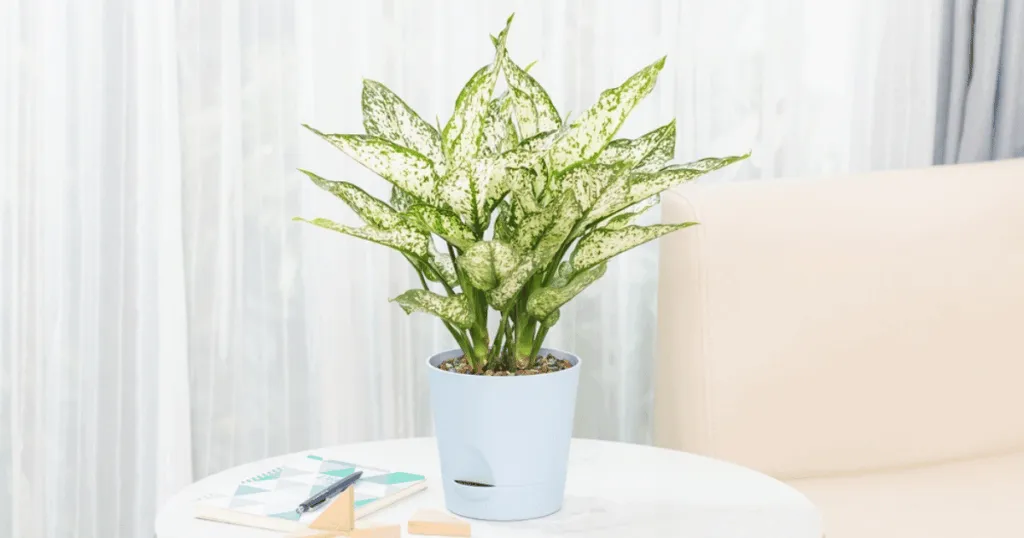
Chinese Evergreen, or Aglaonema, offers a wide variety of leaf patterns and colors, which can brighten up a dull cubicle. It is remarkably resilient and can tolerate lower light levels better than many other variegated plants. It prefers to dry out slightly between waterings, which aligns well with the typical office schedule. Its compact growth habit makes it an excellent choice for desktop placement.
Parlor Palm
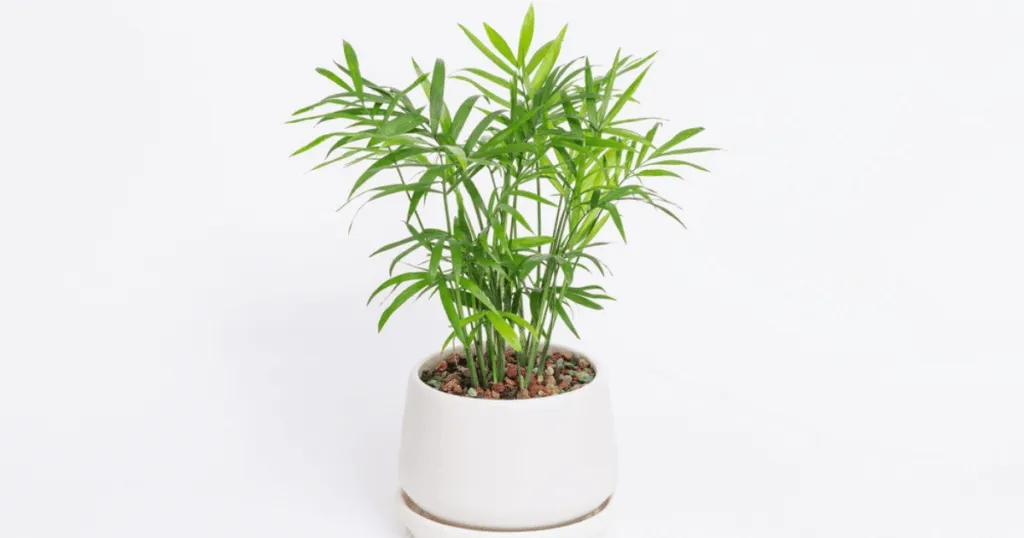
For those looking for a more architectural, tropical feel, the Parlor Palm is a perfect fit. It is one of the few palms that genuinely tolerates low-light conditions, making it suitable for corners or near lobby entrances. Unlike larger palms that require bright, direct sun, this species remains manageable in size and is non-toxic, providing a safe and elegant greenery option for shared workspaces.
Cast Iron Plant
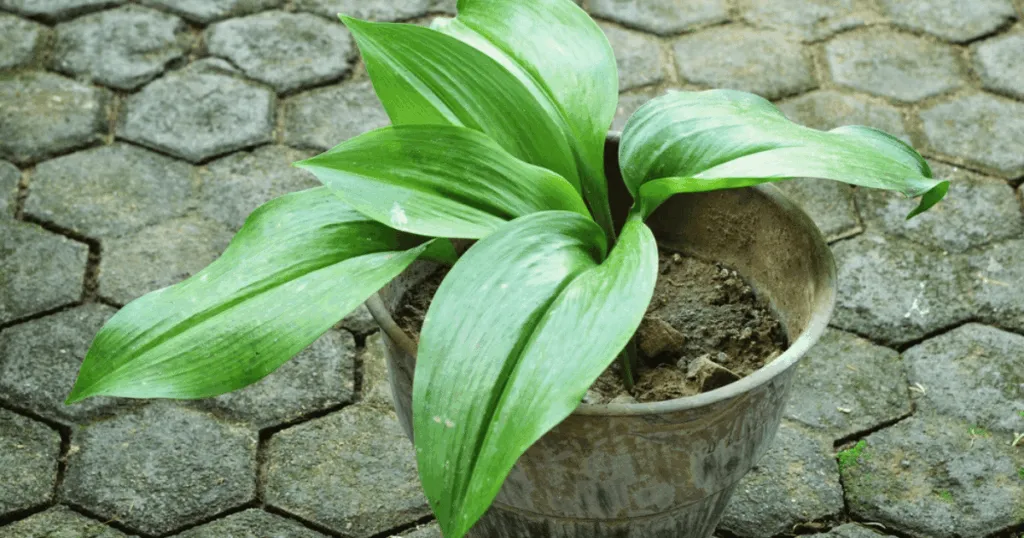
True to its name, the Cast Iron Plant is nearly indestructible. It is an excellent choice for areas of the office that receive very little attention, such as hallways or break rooms. It grows slowly and is highly resistant to temperature fluctuations and dry air, which are common in buildings with older HVAC systems. It provides a lush, dark green backdrop that requires almost no specialized care.
Pothos
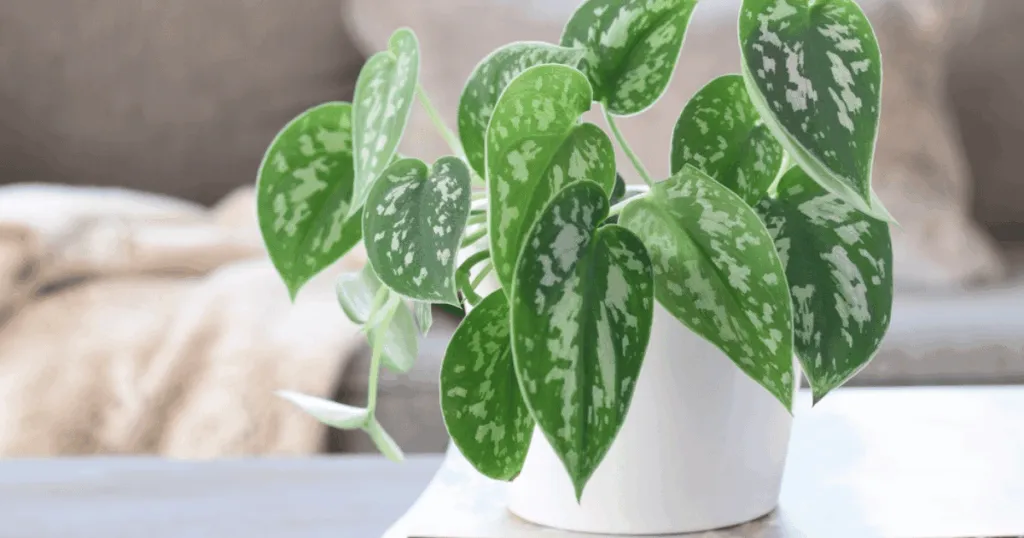
Pothos is a trailing vine that is incredibly easy to propagate and maintain. It can be trained to climb a trellis or allowed to drape over the side of a filing cabinet. It is very forgiving of inconsistent watering and can thrive in a wide range of lighting conditions, from dim corners to bright, filtered windows. Its rapid growth makes it a rewarding plant for those who enjoy seeing visible progress in their office greenery.
Expanding Your Office Greenery: Additional Reliable Species
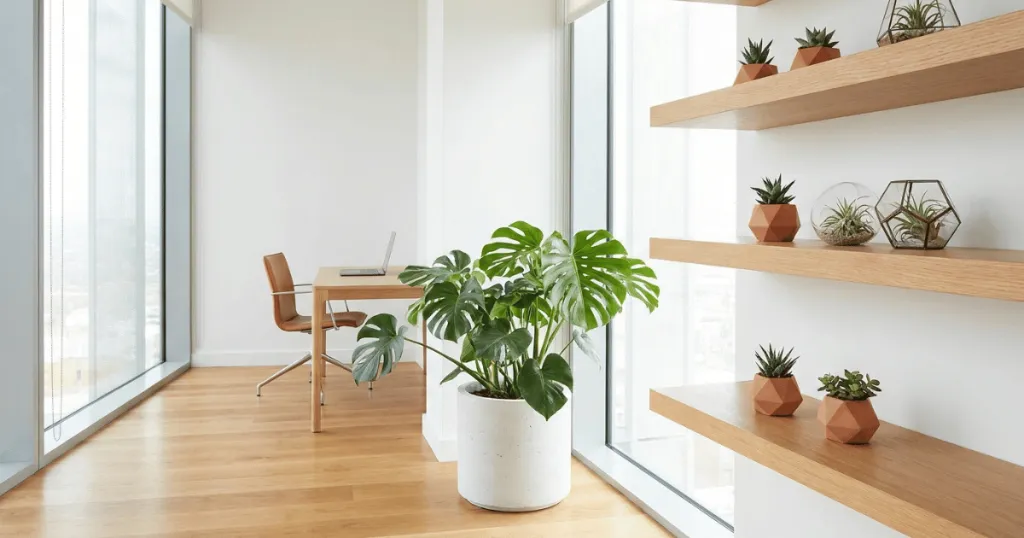
Beyond the primary list, several other species offer excellent performance in office settings. The Dracaena genus, including varieties like the Corn Plant, is highly adaptable to artificial light, though it requires attention to water quality – using filtered water prevents brown tips caused by fluoride sensitivity. For those wanting a more dramatic foliage display, the Monstera is a popular choice, though it requires more space and bright, indirect light to develop its iconic fenestrated leaves. If you have a bright desk, the Jade Plant or Aloe Vera are fantastic succulent options that thrive in dry air, provided they receive direct or very bright indirect light.
For those seeking flowering options, the Anthurium provides long-lasting, glossy spathes that add a pop of color to reception areas. However, it does require higher humidity than the standard office environment typically provides, making it a better candidate for offices with humidifiers or near water features. Conversely, the Heartleaf Philodendron is a reliable, trailing alternative to Pothos that handles lower light with grace, making it ideal for bookshelves or high-traffic cubicle partitions.
Placement and Use-Case Strategies
The placement of your plants is as important as the selection itself. For cubicles, prioritize compact plants like the Chinese Evergreen or a small Snake Plant to ensure you maintain sufficient workspace. In reception areas or meeting rooms, larger specimens like the Kentia Palm or a mature Peace Lily can create a welcoming, professional atmosphere. Always consider the traffic flow; avoid placing plants with sharp tips or fragile leaves in high-traffic areas where they might be brushed against or knocked over.
Lighting is the most common limiting factor. If your office has large, south-facing windows, you can support a wider variety of plants, including those that prefer bright, indirect light. However, if your space is limited to artificial light, stick to the low-light specialists identified in this list. A common mistake is placing a plant too close to a heating or cooling vent, which can cause rapid leaf desiccation regardless of how often you water it. Aim for a spot with stable temperatures and consistent, indirect light.
Limitations and Trade-offs
While plants contribute to a healthier office environment, they are not a substitute for proper ventilation or air filtration systems. The oxygen production of a few desk plants is modest, and their primary value lies in their ability to improve the psychological well-being of the staff and provide a small buffer against dry air. It is important to manage expectations; a single plant will not transform the air quality of a large, poorly ventilated room. Instead, view them as a component of a broader strategy to create a more pleasant and human-centric workspace.
Maintenance is another trade-off. Even the most neglect-tolerant plants require occasional dusting of their leaves to ensure they can photosynthesize efficiently. A layer of dust can block light and hinder gas exchange. Furthermore, consider the toxicity of your chosen plants if your office is pet-friendly or if you have concerns about staff with sensitive skin. Choosing non-toxic options like the Spider Plant or Parlor Palm is a safer approach for shared environments where you cannot control the behavior of everyone in the room.
Finally, avoid the temptation to over-water. In an office, it is almost always better to underwater than to overwater. Excess moisture in the soil can lead to root rot, which is difficult to reverse and often fatal for the plant. If you are unsure, wait an extra day or two before watering. Most of these species are well-adapted to surviving short periods of dryness, but none are adapted to sitting in water-logged soil.
A Note on Office Plant Care
Maintaining greenery in a professional setting is a straightforward task when you focus on the basics. Avoid using harsh chemicals or leaf shines, as these can clog the pores of the leaves. Instead, wipe the leaves down with a damp cloth every few weeks to keep them clean. If you notice yellowing leaves, it is often a sign of either too much water or a lack of sufficient light. Adjusting your placement or watering frequency usually resolves these issues quickly. By keeping your care routine simple and consistent, you ensure your plants remain a positive, stress-reducing feature of your office for years to come.
Strategic Integration of Plants in Modern Workplaces
Integrating plants into an office layout requires more than just picking a pot; it requires understanding the plant’s growth habits. For instance, vining plants like Pothos or Heartleaf Philodendron can be trained along cable management systems or cubicle walls, effectively turning vertical space into a green feature without sacrificing desk real estate. This vertical integration is particularly useful in open-office plans where floor space is at a premium.
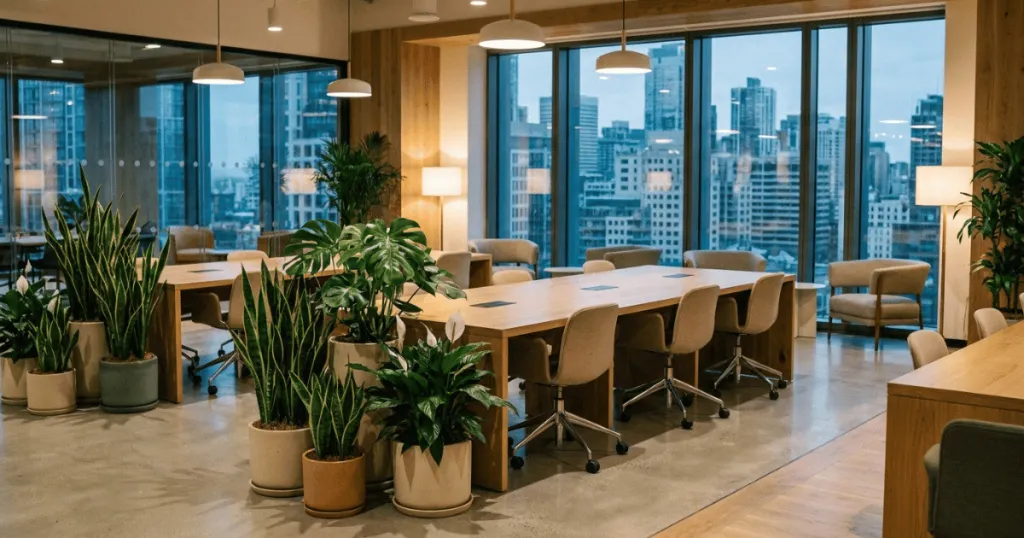
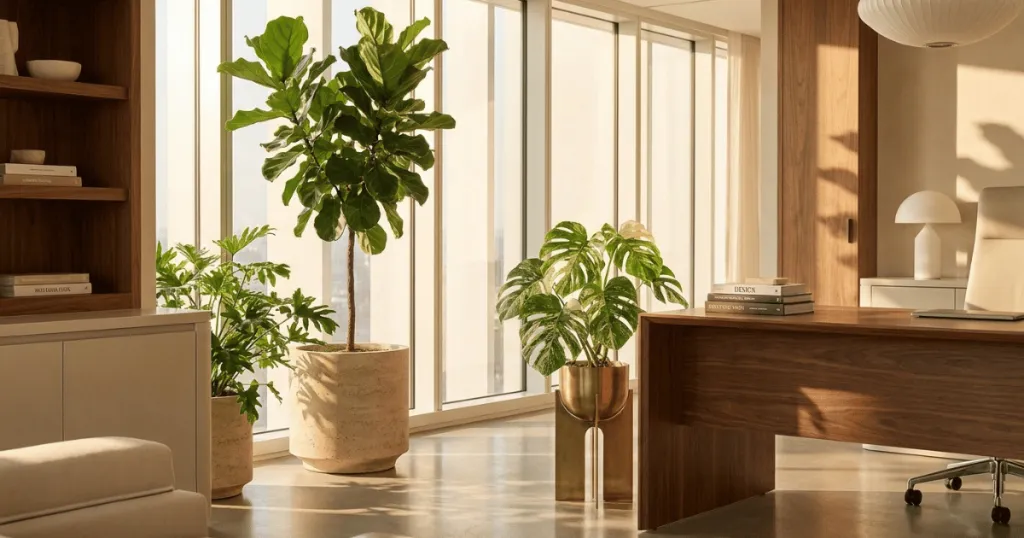
When dealing with larger, floor-standing specimens like the Kentia Palm or Dracaena, consider the weight and mobility of the container. Using a wheeled plant caddy allows for easier cleaning and the ability to shift the plant if the office layout changes. Furthermore, grouping plants together can create a micro-climate, as plants transpire moisture, which can help mitigate the drying effects of HVAC systems. This clustering effect is a practical way to support more delicate species like the Boston Fern or Calathea, which might otherwise struggle in a solitary, dry office corner.
Lastly, consider the seasonal changes in your office. Even in climate-controlled buildings, the intensity of natural light changes throughout the year. A plant that thrives on a windowsill in the winter might suffer from leaf scorch in the summer. Being observant of these subtle shifts allows you to adjust your plant’s position proactively, ensuring long-term health and consistent oxygen production throughout the calendar year.
FAQ
Do office plants actually produce enough oxygen to impact air quality?
While plants do produce oxygen, the amount generated by a few desk plants is relatively small compared to the volume of air in a typical office. Their primary benefit is psychological, as they reduce stress and improve the aesthetic quality of the workspace, while also providing minor humidity regulation.
What is the best way to water plants in an office without making a mess?
Use a watering can with a long, narrow spout to direct water precisely into the soil, avoiding the foliage and the desk surface. Always use a saucer under the pot to catch any excess water, and empty it after a few minutes to prevent root rot and standing water.
Can I keep plants in an office with no windows?
Yes, provided you choose species that are tolerant of low light, such as the ZZ Plant or Snake Plant. These plants can thrive under standard LED or fluorescent office lighting, though they will grow more slowly than they would in natural, indirect light.
How often should I fertilize my office plants?
Office plants generally require less fertilizer than those in a home garden because their growth is often slower due to lower light levels. A balanced, water-soluble fertilizer applied at half-strength during the growing season, typically spring and summer, is usually sufficient.