Affiliate Disclosure: As an Amazon Associate, I earn from qualifying purchases.
The best office plants for medium light indoors are those that tolerate inconsistent watering and thrive under artificial lighting. This shortlist is curated specifically for office managers and employees seeking reliable greenery that survives the unique constraints of a professional workspace, such as fluorescent lighting, HVAC-controlled air, and weekend neglect. If your office space receives significant direct, harsh sunlight for several hours a day, you may need to look toward sun-loving succulents or cacti instead, as the plants listed here prefer the gentler, filtered light of interior offices.
Choosing the right greenery for a corporate setting involves balancing aesthetic appeal with the practical realities of a shared environment. Unlike residential spaces, offices often feature static, climate-controlled conditions that remain consistent year-round, which can be both a benefit and a challenge for plant health. By selecting species that are physiologically adapted to lower light intensities and lower humidity, you minimize the risk of plant failure and reduce the burden on facility management teams.
Key Takeaway
- Choose plants with dark green foliage for better light absorption.
- Prioritize species that handle low-humidity office air effectively.
- Rotate pots occasionally to ensure even growth toward light sources.
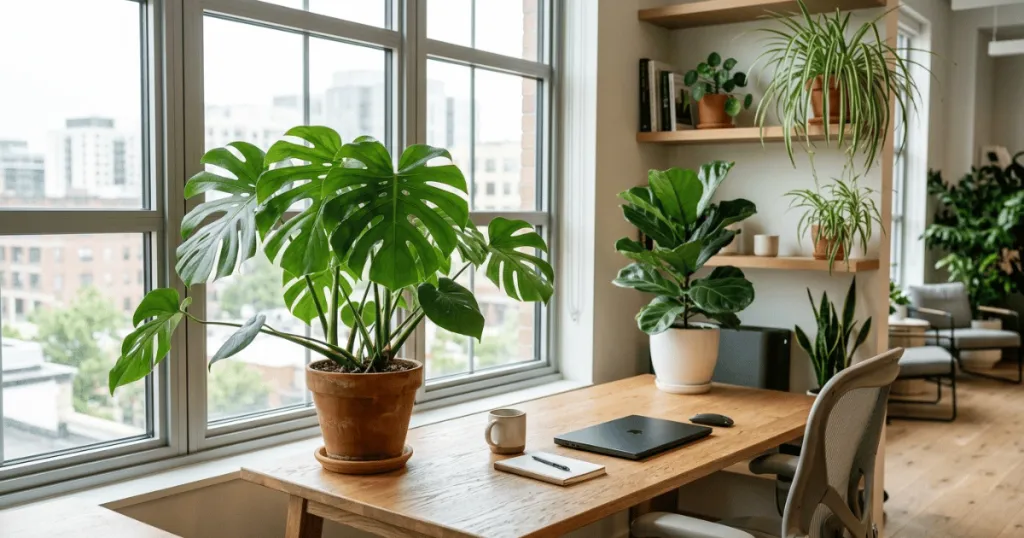
Criteria for Selecting Medium-Light Office Plants
Selecting the best office plants for medium light indoors requires a focus on physiological resilience rather than aesthetic variety alone. In an office setting, medium light is typically defined as a space that receives no direct sun but has enough ambient brightness to read a book comfortably without artificial help. This often corresponds to spots several feet away from a north-facing window or areas illuminated by consistent, high-output LED or fluorescent lighting.
When evaluating candidates, we prioritize plants that demonstrate a high tolerance for the specific stressors of a corporate environment. This includes the ability to survive the weekend “dry-out” periods, resistance to the drying effects of HVAC systems, and the capacity to maintain structural integrity in stagnant air. Plants that require high humidity or constant, precise moisture levels often struggle in these settings, leading to premature leaf drop or pest outbreaks. We have selected the following species based on their proven ability to adapt to these office-specific constraints while maintaining a professional appearance.
Snake Plant
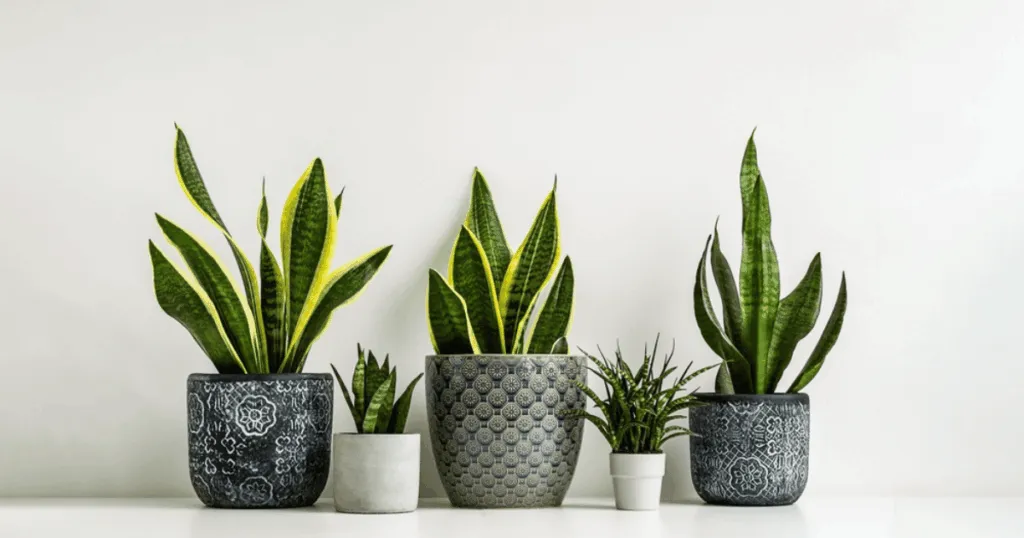
The Snake Plant is arguably the most reliable choice for any office manager. Its architectural, upright leaves add a clean, modern aesthetic to reception areas or cubicle corners. It thrives in medium light and is exceptionally forgiving if you occasionally forget to water it. Because it stores water in its thick, succulent-like leaves, it is perfectly suited for the irregular care schedules common in busy workplaces. Note that it is mildly toxic to pets if ingested, so keep it elevated if your office allows animals.
ZZ Plant
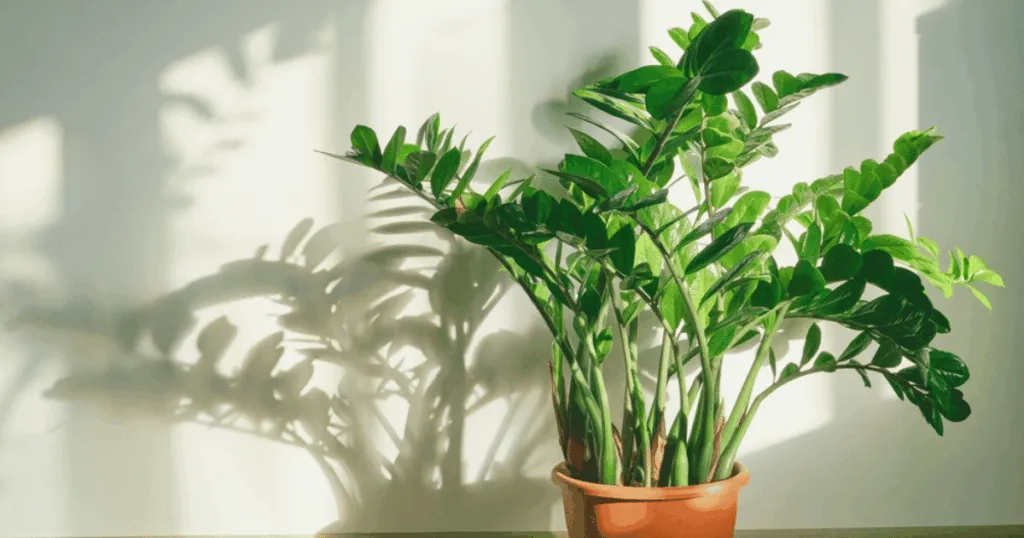
If you need a plant that looks as if it were made of plastic due to its waxy, deep green sheen, the ZZ plant is your best option. It is remarkably tolerant of low-light conditions and artificial lighting, making it a staple for windowless meeting rooms or interior hallways. It requires very little water, and in fact, the most common error is providing too much hydration. It is a slow grower, which means it will not outgrow its desk footprint quickly. Like the Snake Plant, it contains calcium oxalate crystals, making it toxic if chewed.
Pothos
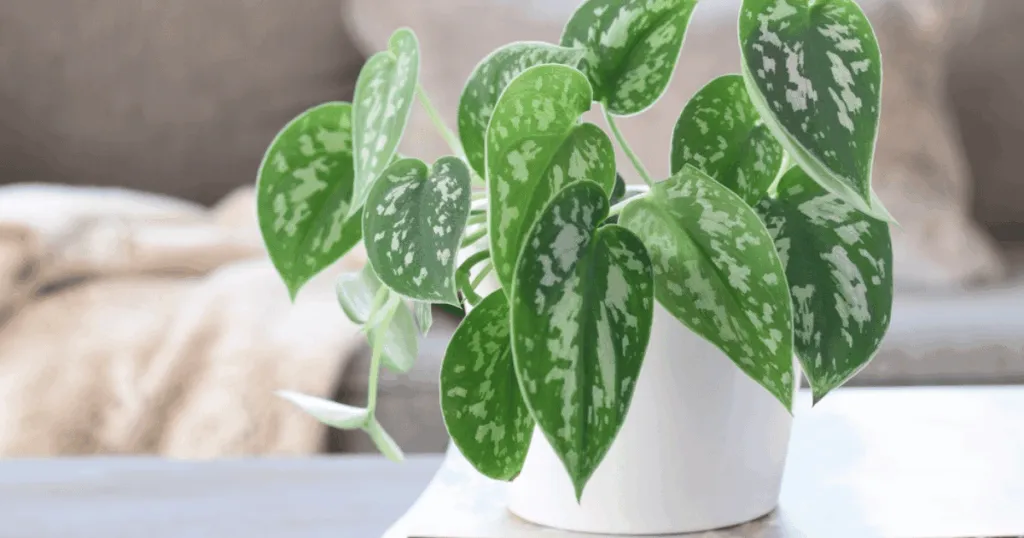
For spaces where you want a trailing element, such as on top of filing cabinets or bookshelves, Pothos is a classic for a reason. It is highly adaptable to varying light levels and will signal its need for water by slightly drooping its leaves, providing a clear visual cue for staff. It is a vigorous grower that can be easily pruned to maintain a tidy appearance in high-traffic zones. It is one of the most versatile low maintenance office plants for cubicles.
Chinese Evergreen
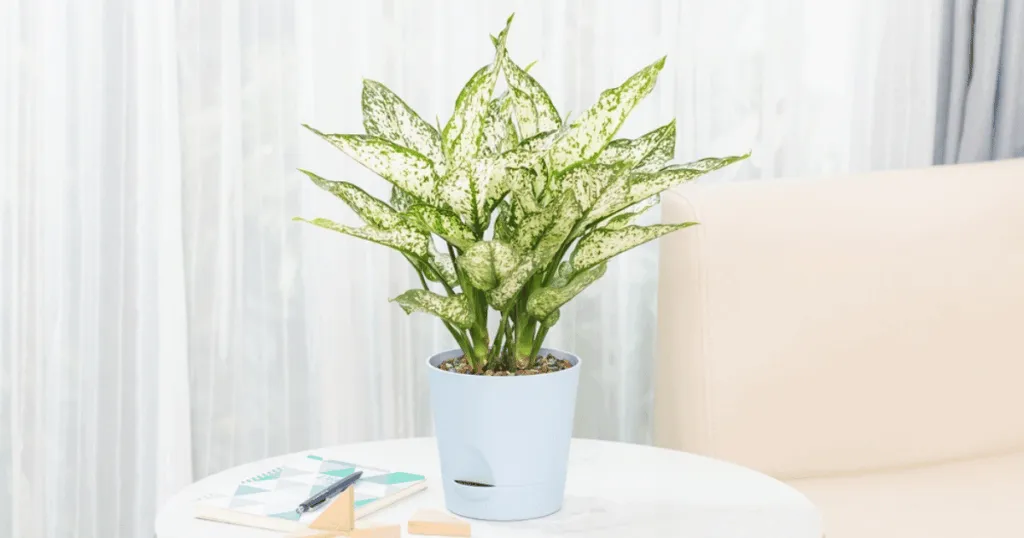
Also known as Aglaonema, this plant offers a bit more visual interest through its variegated leaf patterns, which can brighten up a dull corner. It is one of the most shade-tolerant plants available and handles the dry, recycled air of office buildings better than many other tropical species. It stays relatively compact, making it ideal for individual desks. Be aware that it is toxic to pets.
Parlor Palm
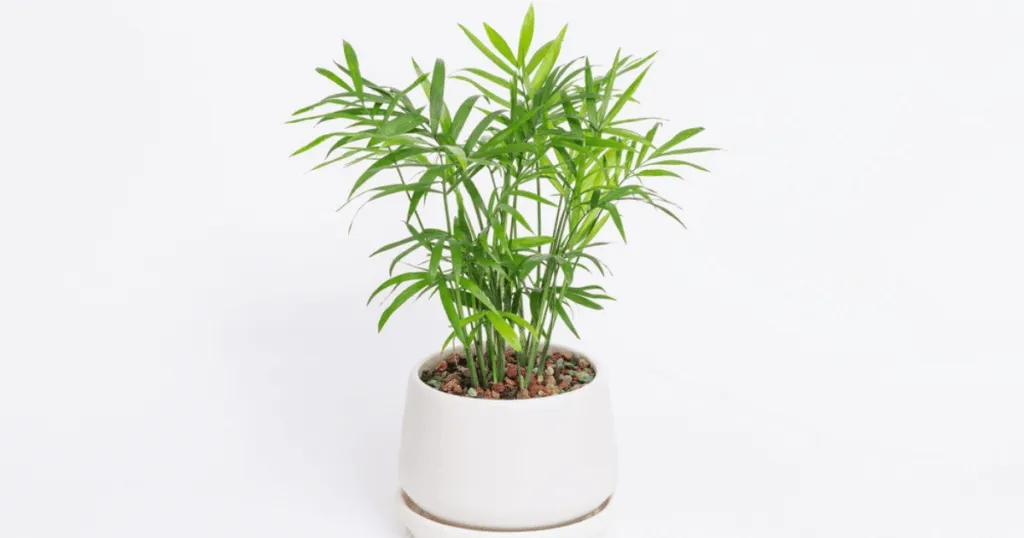
If your office design calls for a softer, more organic shape, the Parlor Palm is an excellent choice. Unlike many other palms that demand bright, direct sunlight, this variety is well-adapted to the lower light levels found in indoor offices. It brings a touch of greenery to reception areas without the need for high-maintenance care routines. It is also non-toxic, making it a safer choice for pet-friendly offices.
Cast Iron Plant
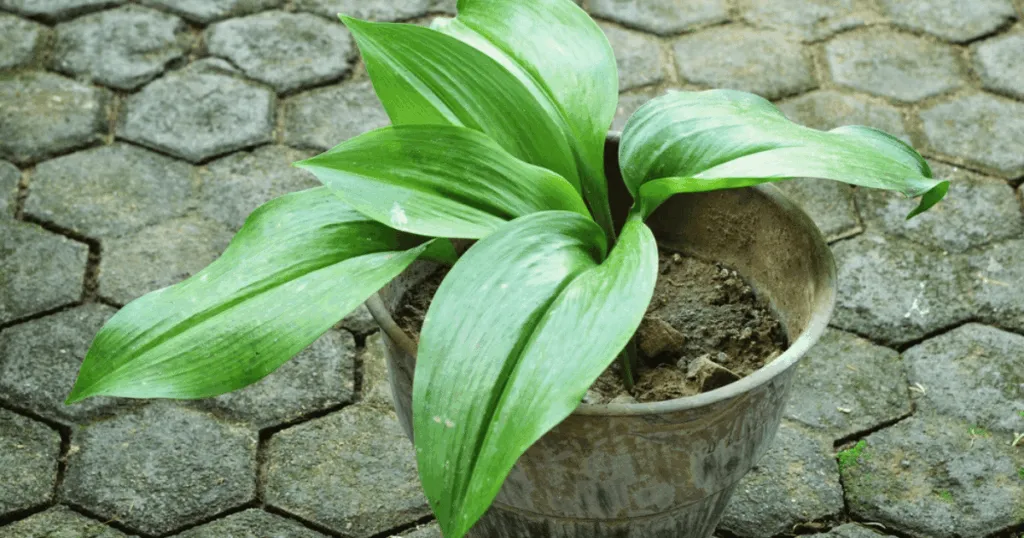
True to its name, this plant is nearly indestructible. It is an excellent choice for areas that receive very little natural light and are subject to temperature fluctuations. It grows slowly and does not require frequent repotting, making it a low-effort addition to any office floor plan. It is highly resistant to the environmental stressors of typical office life.
Spider Plant
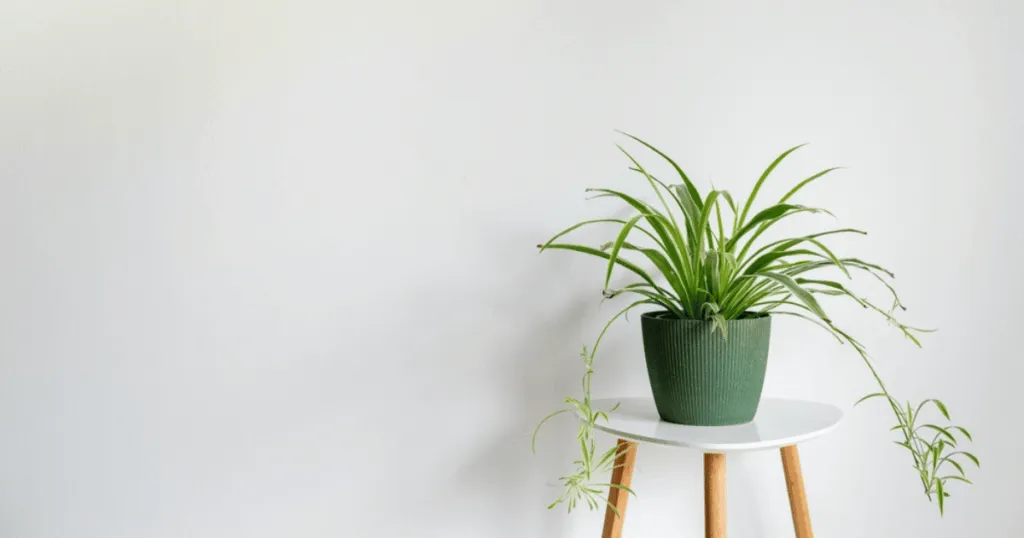
The Spider Plant is a versatile option that works well in hanging baskets or on pedestals. It is highly resilient and produces small plantlets that can be propagated, which can be a fun, low-cost way to expand your office greenery over time. It is also one of the few plants that is non-toxic to pets, which is a significant factor if your office is pet-friendly.
Schefflera
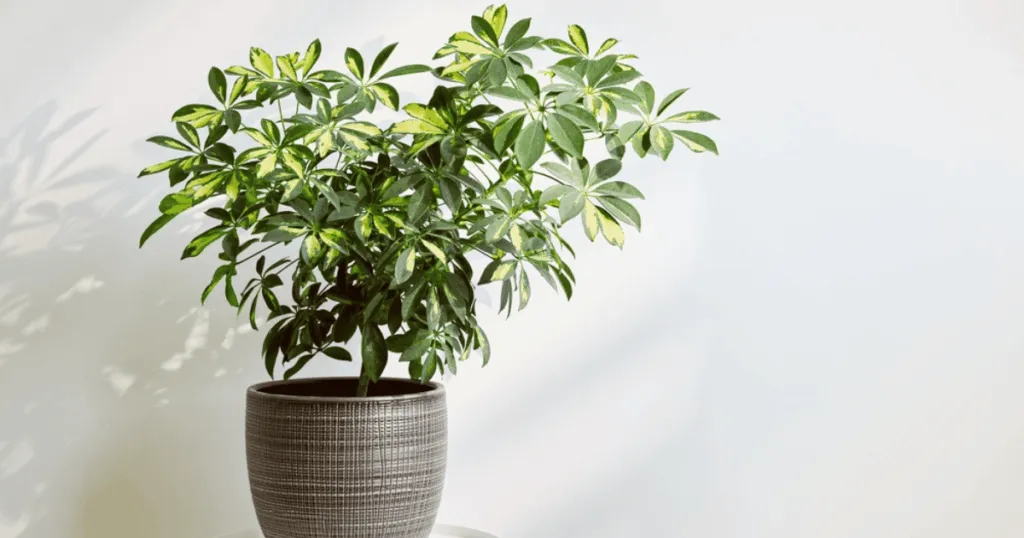
Often called the Umbrella Tree, the Schefflera features distinct, palm-like leaves that create a lush, full look. It is quite tolerant of typical office lighting and can be kept in a smaller, more manageable size through occasional pruning. It is a great choice for filling empty corners in open-plan offices. Ensure it is kept away from pets as it can be toxic.
Heartleaf Philodendron
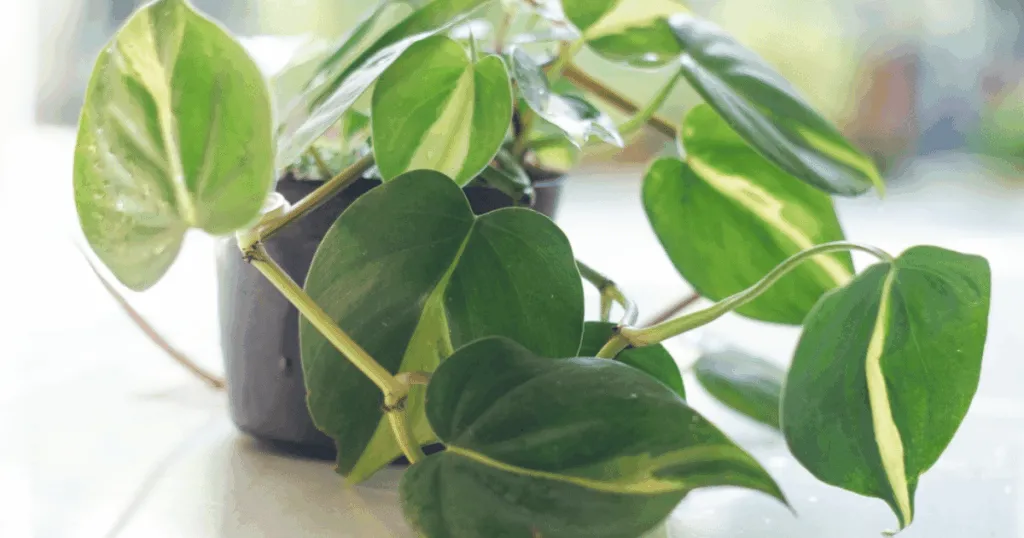
This trailing beauty is a staple for office shelves. It thrives in medium light and is very forgiving of occasional neglect. It prefers slightly more humidity than a Snake Plant but handles the average office environment well. It is a classic choice for biophilic office design, helping to soften the hard lines of office furniture.
Dracaena
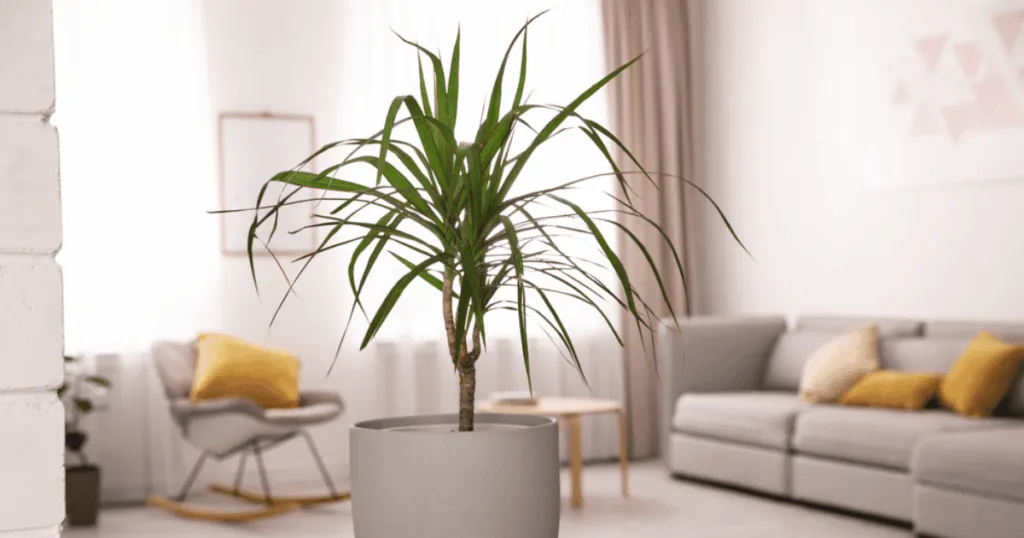
Dracaena varieties, such as the Corn Plant, are excellent for adding height to a room. They are tolerant of lower light levels, though they prefer medium light to maintain their leaf color. They are sensitive to fluoride in tap water, so if you notice brown tips, consider switching to filtered water. Note that they are toxic to pets.
Peperomia
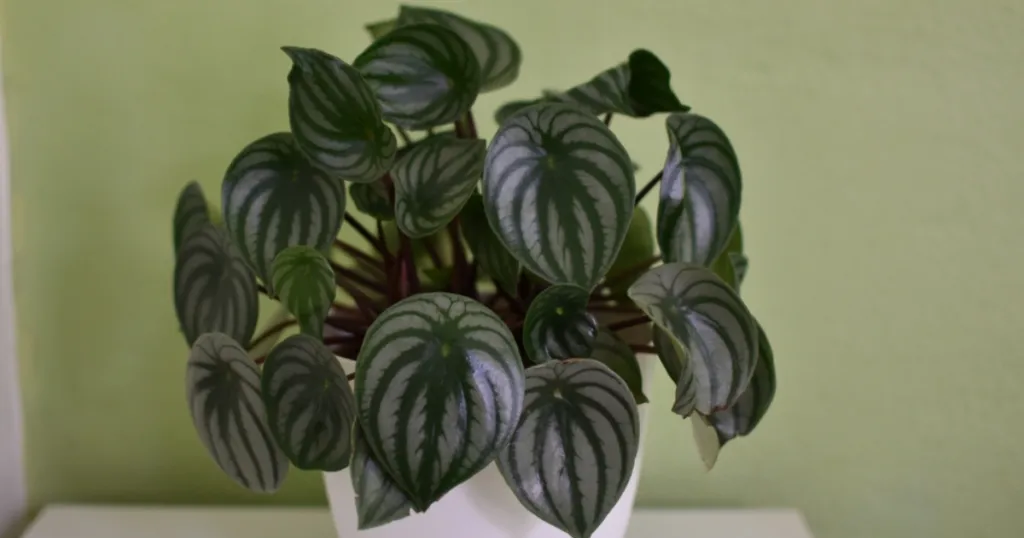
Perfect for small desks, Peperomia species offer a wide variety of leaf textures and colors. They are semi-succulent, meaning they prefer to dry out slightly between waterings. They are non-toxic, making them a great choice for shared workspaces where pet safety is a concern.
Dieffenbachia
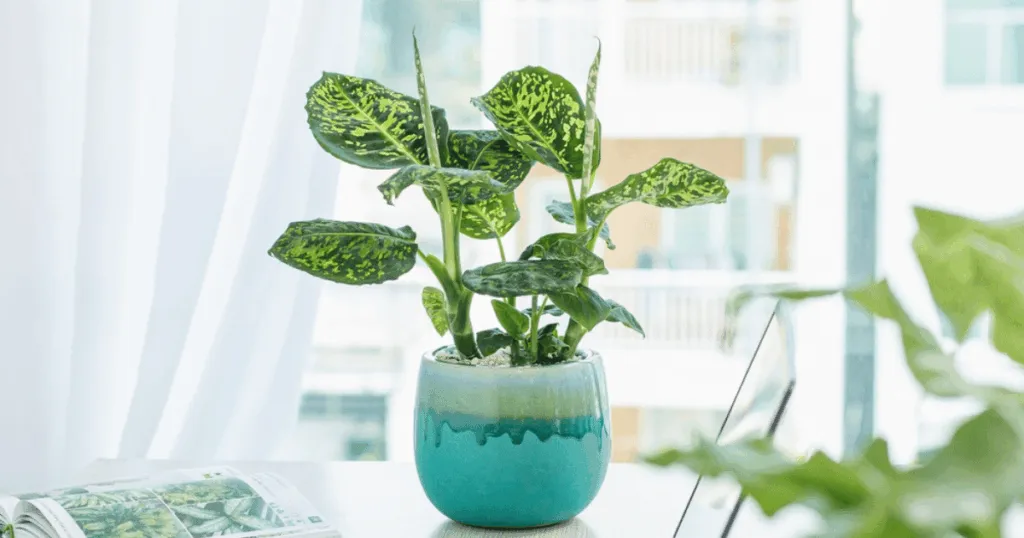
Known for its striking, broad leaves, the Dieffenbachia (or Dumb Cane) adds a tropical feel to medium-light offices. It is relatively easy to care for, provided you allow the top inch of soil to dry out. It is toxic if ingested, so it is best placed in areas inaccessible to pets or young children.
Syngonium
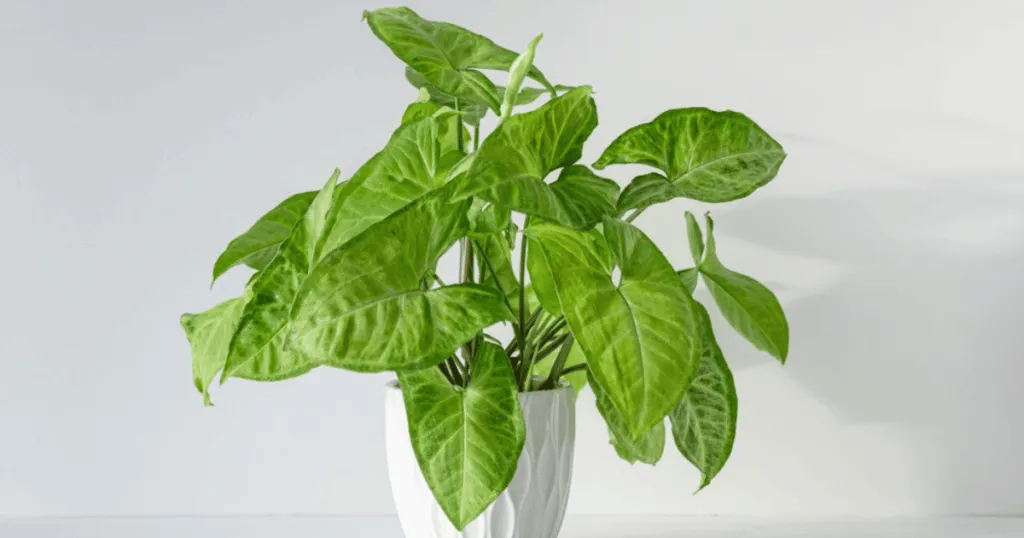
The Arrowhead Plant is a fast-growing, attractive option that changes leaf shape as it matures. It is very adaptable to medium light and is a great choice for those who want a plant that shows visible, rewarding growth. It is toxic to pets.
Strategic Considerations for Office Managers
When scaling up the number of plants in an office, consistency is key. Rather than choosing thirty different species, consider selecting three or four hardy varieties that share similar watering and light requirements. This simplifies the maintenance routine for custodial staff or office managers. For instance, grouping Snake Plants, ZZ Plants, and Cast Iron Plants together in a lobby allows for a unified watering schedule, as all three are drought-tolerant and prefer to dry out completely between waterings.
Furthermore, consider the physical footprint of your plants. In high-traffic corridors, verticality is your friend. Using tall, narrow planters for Dracaena or Snake Plants prevents them from becoming obstacles in hallways. Conversely, on shared conference tables, keep plants low-profile to ensure they do not obstruct sightlines during meetings. A low-growing Peperomia or a small, pruned Chinese Evergreen provides the benefits of biophilic design without interfering with the functionality of the workspace.
Placement Strategies for Workplace Success
Proper placement is just as important as the plant choice itself. In an office, the primary goal is to ensure the plant receives consistent light without being subjected to direct, harsh sun that can scorch leaves. Place plants near windows that have blinds or curtains, or in areas where they will receive indirect light from multiple sources. Avoid placing plants directly in the path of cold air vents or heating ducts, as these drafts can cause rapid moisture loss and leaf damage.
For open-plan offices, consider using plants as natural dividers. Larger species like the Snake Plant or Schefflera can be grouped together to create visual barriers between workstations, which helps reduce noise and improves the overall aesthetic of the space. Ensure that these groupings are placed in areas where they will not obstruct walkways or emergency exits. When using plants on individual desks, choose compact varieties like the Chinese Evergreen or Peperomia to ensure they do not interfere with computer equipment or workspace functionality.
Limitations and Trade-offs
It is important to recognize that no plant is truly “maintenance-free.” Even the most resilient species require occasional attention, such as dusting leaves to ensure they can photosynthesize efficiently in lower light. A common mistake is assuming that because a plant is labeled as a medium-light variety, it will thrive in a dark closet. All plants require some level of light to survive; if your office has no natural light, you may need to supplement with dedicated grow lights or rotate plants between a brighter area and the darker room periodically.
Another consideration is the toxicity of common office plants. Many popular choices, such as the Pothos, Philodendron, and ZZ plant, contain calcium oxalate crystals or saponins, which can cause irritation if ingested. In offices where pets are present or where children may visit, it is safer to prioritize non-toxic options like the Parlor Palm, Spider Plant, or Cast Iron Plant. Always evaluate the specific environment and the people or animals who interact with the space before finalizing your selection.
Plant Care Basics for Office Environments
Maintaining office plants often involves a different rhythm than home gardening. In the office, the primary risk is overwatering, as plants are often watered by multiple people or on a schedule that ignores the plant’s actual needs. Always check the soil moisture before adding water; if the top inch of soil is still damp, wait a few days. Additionally, be mindful of the water quality. If your office building uses heavily treated or hard water, consider using filtered water to prevent the buildup of minerals on the leaves and in the soil.
A final tip for long-term success is to keep an eye on the health of the plant’s foliage. Yellowing leaves can indicate overwatering, while brown, crispy edges often point to low humidity or underwatering. By monitoring these signs, you can adjust your care routine before a minor issue becomes a permanent problem. If a plant begins to look sparse or leggy, it is usually a sign that it needs more light; moving it closer to a window or a brighter area can often encourage new, healthy growth.
Professional Maintenance Note
This information is provided for educational purposes to assist office managers and staff in selecting and maintaining indoor greenery. We do not provide commercial services, nor do we endorse specific retailers or brands. Proper plant care in an office setting is a shared responsibility; clear communication among team members regarding watering schedules and placement can prevent the common pitfalls of over-care or neglect. When in doubt, lean toward less water and more patience, as most office-adapted plants are far more resilient to drought than they are to waterlogged soil.
Finally, remember that plants are living organisms that respond to their environment. If you notice a plant struggling, take a moment to assess the environmental variables: has the thermostat been adjusted, is the plant in a draft, or has the light level changed due to seasonal shifts? Often, a simple adjustment in location or watering frequency is all that is required to restore the plant to health. By fostering a culture of observation and care, you can ensure your office greenery thrives for years to come, contributing to a more pleasant and productive work environment for everyone.
FAQ
How do I know if my office has medium light?
Medium light is typically found in areas that receive bright, indirect light throughout the day. If you can read a book comfortably without turning on a lamp, but the area does not receive direct sunbeams hitting the floor, it is likely a medium-light environment.
Can I keep these plants in a windowless office?
Most plants in this list will struggle without any natural light. If your office has no windows, you will need to provide supplemental lighting, such as full-spectrum LED grow bulbs, to keep them healthy for the long term.
How often should I water my office plants?
There is no universal schedule. Always check the soil moisture by inserting a finger or a wooden dowel into the soil. If it feels dry, it is time to water. If it is still damp, wait until the next week to re-check.
Why are my office plant leaves turning yellow?
Yellowing leaves are most commonly caused by overwatering. In an office, it is easy for multiple people to water the same plant. Ensure there is a clear communication system, like a simple tag, to track when the plant was last watered.