Affiliate Disclosure: As an Amazon Associate, I earn from qualifying purchases.
Many office plants fail not because they are inherently difficult, but because they are placed in environments that contradict their biological needs. A common mistake is selecting plants that demand high-intensity, direct sunlight, such as succulents or flowering tropicals, for a cubicle or a windowless interior desk. These plants quickly become etiolated-stretching toward the light, losing their structural integrity, and eventually succumbing to rot or pest infestations. In an office setting, the primary constraints are often limited natural light, fluctuating HVAC-controlled humidity, and the reality of weekend neglect.
To succeed, you must prioritize species that have evolved to grow in the understory of forests or in shaded environments. These plants are physiologically adapted to process lower levels of light and can tolerate the steady, albeit dim, output of standard fluorescent or LED office lighting. By choosing the right candidate, you can introduce greenery to your workspace that remains stable, compact, and resilient without requiring constant intervention.
What You Need to Know
- Low light does not mean no light; some ambient exposure is required.
- Overwatering is the leading cause of death for office desk plants.
- Fluorescent lighting supports growth but rarely drives rapid, lush development.
- Choose slow-growing varieties to avoid frequent repotting or pruning needs.
- Check for pest signs like webbing or sticky residue every few weeks.
The Top Performers for Dim Workspaces
The following selections are chosen for their ability to withstand the specific pressures of office life. Each has been vetted for its resilience in low-light conditions and its capacity to handle the inconsistent watering schedules often found in professional settings.
Snake Plant
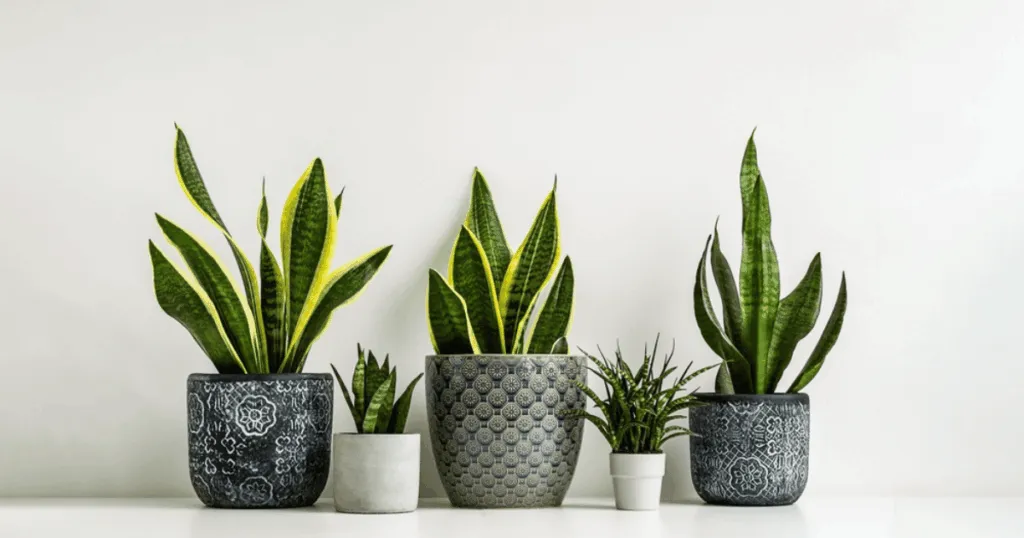
The Snake Plant is arguably the most forgiving option for a desk. Its architectural, upright leaves occupy a small footprint, making it ideal for tight cubicle corners. It thrives on neglect; in fact, allowing the soil to dry out completely between waterings is the best way to keep it healthy. It is highly tolerant of the dim, artificial light found in most office buildings.
Because it is a succulent-like plant, it stores moisture in its thick, fibrous leaves, which acts as a buffer against the dry, arid air produced by office HVAC systems. When selecting a Snake Plant, look for smaller cultivars like ‘Laurentii’ or ‘Hahnii’ to ensure they fit comfortably on a standard desk surface.
ZZ Plant
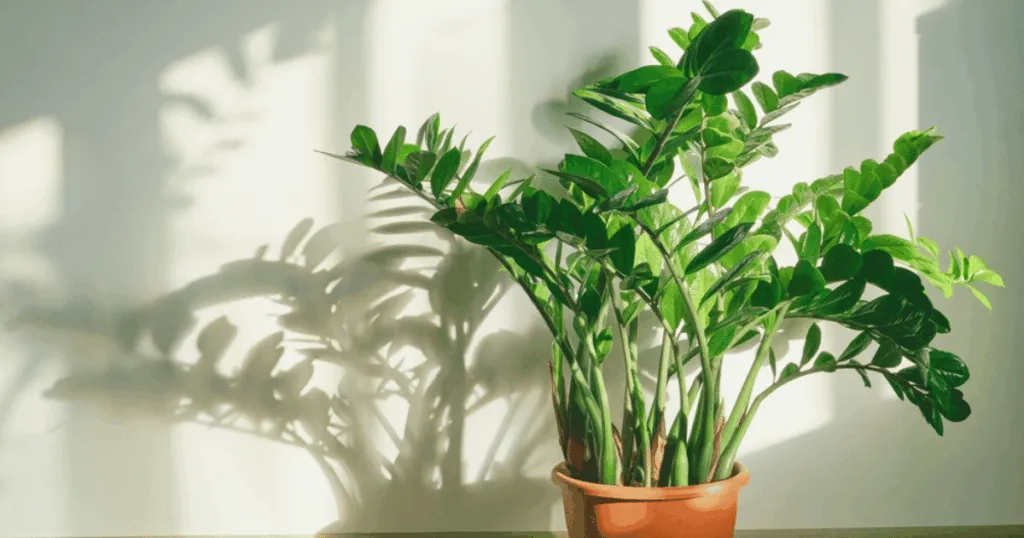
The ZZ Plant is a powerhouse of endurance. With its waxy, deep green leaflets, it can survive in near-windowless rooms where other plants would wither. It stores water in thick rhizomes beneath the soil, meaning it can easily go through a long weekend or even a holiday break without needing a drink. It is a top choice for reception areas or desks that receive almost zero natural light.
The waxy coating on the leaves is not just for show; it helps the plant retain moisture and resist dust accumulation, which is a common issue in open-office floor plans. Be aware that the ZZ plant grows slowly, so you won’t need to worry about it outgrowing your desk space for several years.
Pothos
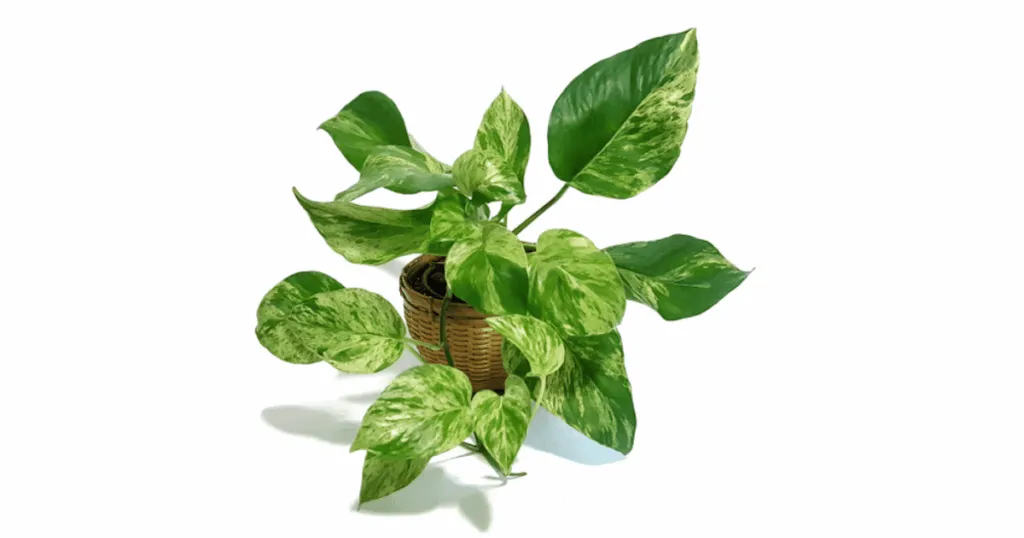
If you prefer a trailing aesthetic, Pothos is the standard. It is incredibly versatile and will signal its need for water by slightly drooping its leaves, which acts as a helpful reminder. While it grows faster in bright light, it maintains its foliage density well in low-light office conditions. You can train it to climb a small trellis or let it cascade off a bookshelf. Pothos is highly adaptable to various soil types and is one of the easiest plants to propagate in a simple glass of water, allowing you to create new plants for your coworkers without needing extra potting soil or specialized equipment.
Cast Iron Plant
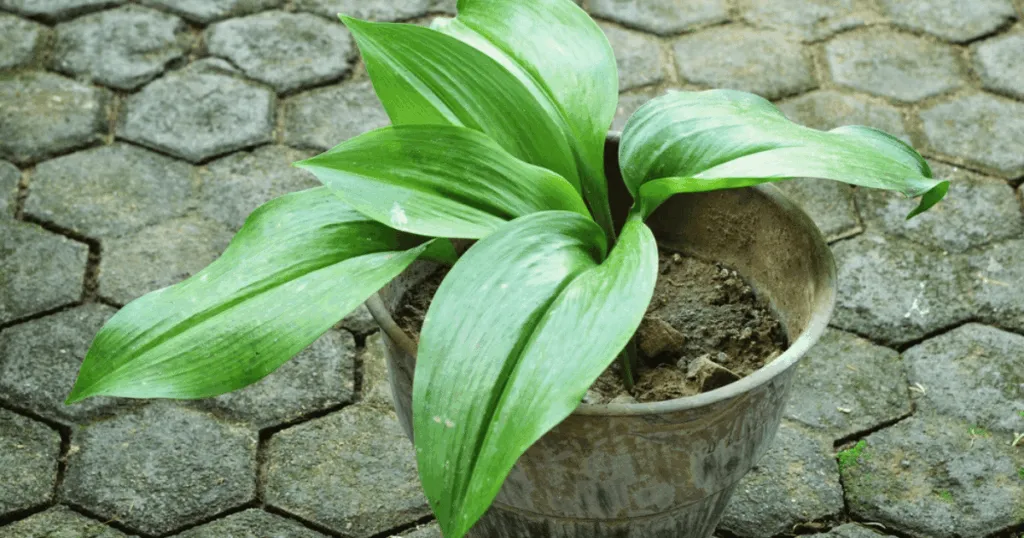
True to its name, this plant is nearly indestructible. It is slow-growing and handles low light better than almost any other indoor foliage plant. Unlike more delicate ferns, the Cast Iron Plant is not bothered by the dry, recycled air common in large office complexes. It is a reliable, steady presence for a desk that doesn’t get much attention. Because it is so slow-growing, it rarely requires fertilization, which is a significant advantage in an office where you want to avoid the mess of mixing and applying plant food.
Chinese Evergreen
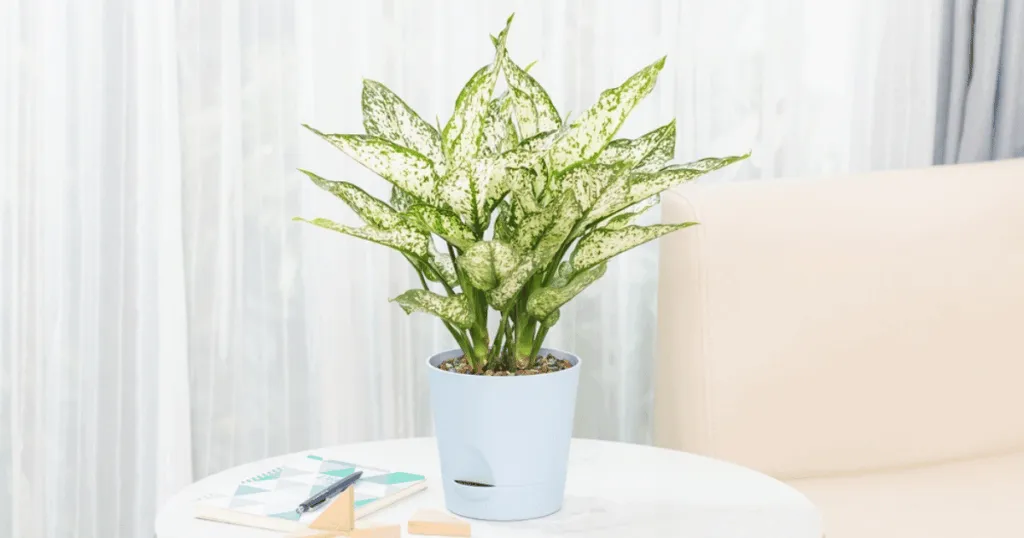
Also known as Aglaonema, this plant offers more visual interest than solid green varieties, often featuring silver or cream variegation. It is surprisingly tolerant of low light and maintains its color better than many other variegated plants. It prefers consistent moisture but is forgiving if you occasionally miss a watering cycle. The wide, patterned leaves add a splash of color to otherwise drab cubicle walls. When choosing an Aglaonema, keep in mind that darker green varieties typically handle lower light levels slightly better than those with heavy white or pink variegation, as they have more chlorophyll to perform photosynthesis.
Parlor Palm
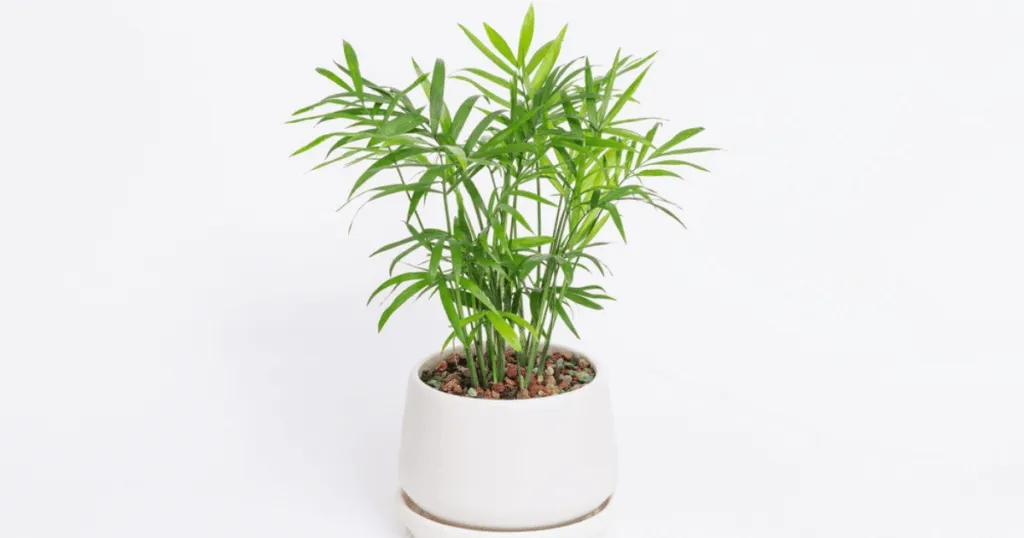
For a touch of elegance, the Parlor Palm is the best choice. It is one of the few palms that actually prefers shade and does not require the intense sunlight that causes other palm varieties to brown and crisp in office environments. It stays relatively compact, fitting well on a larger desk or a side table. It adds a vertical, feathery texture that contrasts beautifully with the rigid lines of office furniture. Unlike many other palms, the Parlor Palm is non-toxic, making it a safe choice for offices that allow pets or for managers concerned about plant safety.
Bird’s Nest Fern
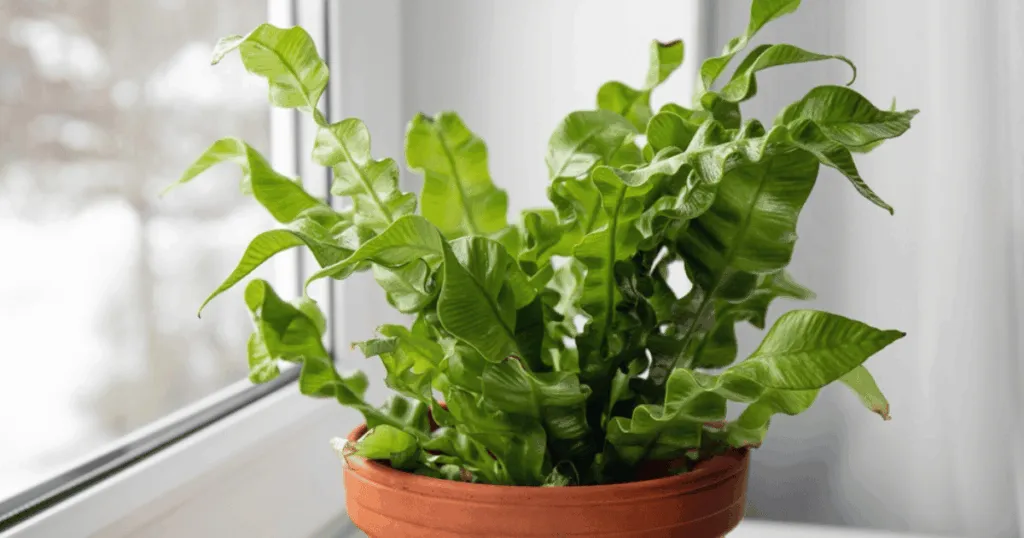
If you want a fern, avoid the finicky Boston Fern and opt for the Bird’s Nest Fern. Its stiff, glossy fronds are more resistant to the dry air of an office and it is much more tolerant of lower light levels. It provides a distinct, rosette-like shape that breaks up the monotony of standard office decor. Unlike ferns that require constant misting, the Bird’s Nest Fern is content with standard office humidity levels, provided the soil is kept lightly moist. It is an excellent choice for a desk that receives indirect light from a nearby window or a bright hallway.
Heartleaf Philodendron
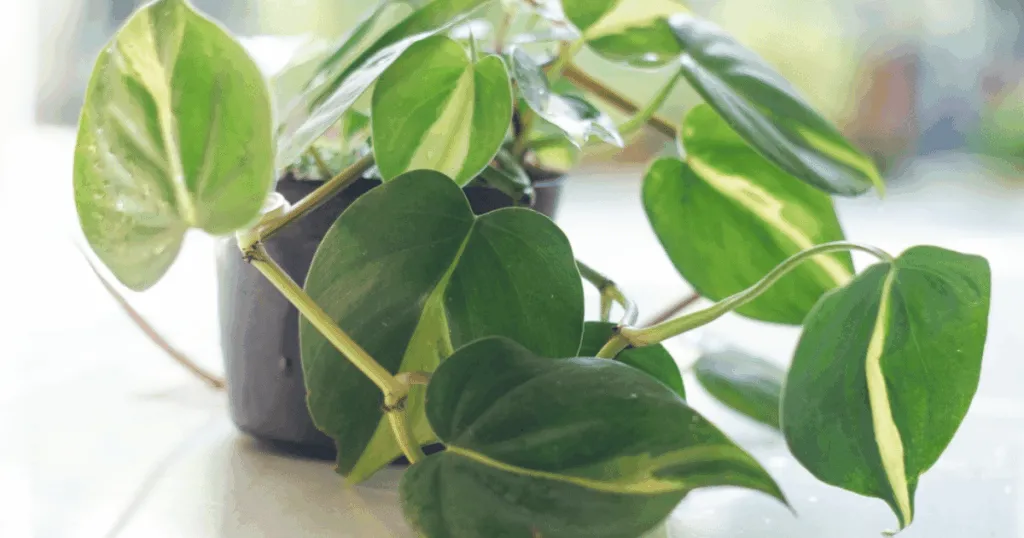
This is a classic for a reason. It is very similar to Pothos in care but often has a softer, more delicate leaf texture. It is excellent for hanging baskets or trailing off the edge of a desk. It adapts quickly to office lighting and is very easy to propagate if you ever want to share a cutting with a coworker. The heart-shaped leaves provide a welcoming, organic feel to a workspace. It is a resilient grower that will continue to produce new leaves even in dim corners, provided you keep the soil from becoming completely bone-dry.
Lucky Bamboo
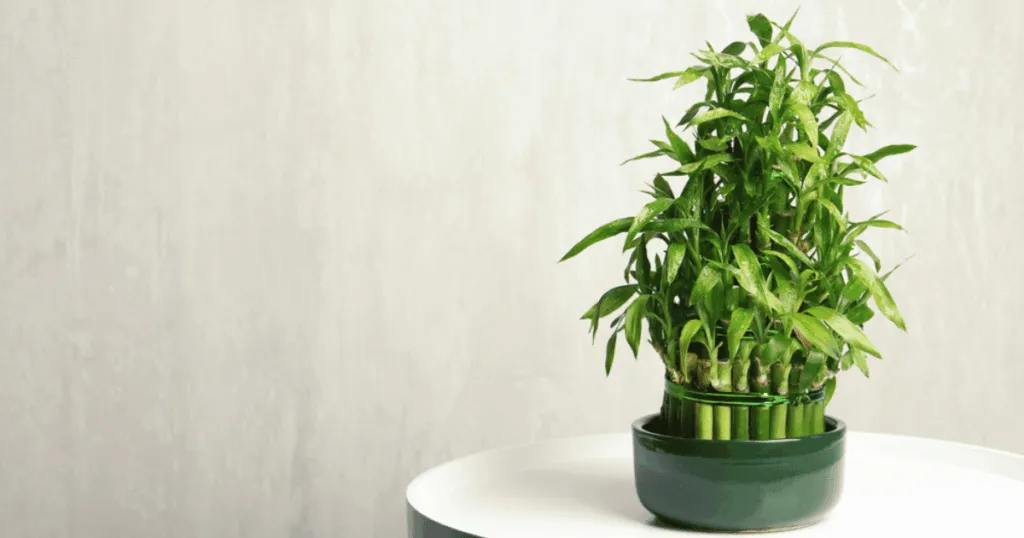
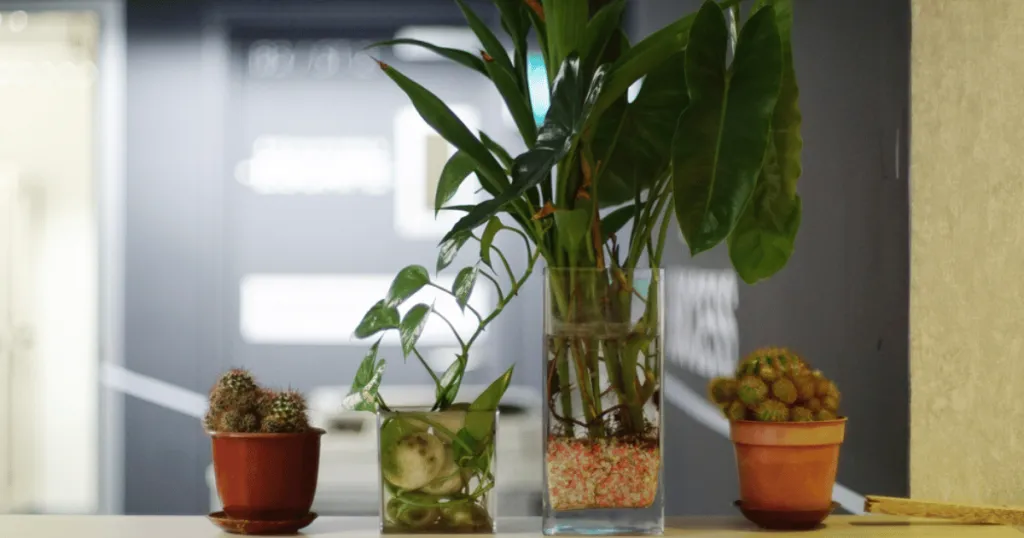
Botanically a Dracaena, this plant is often grown in water, which makes it a clean, mess-free option for a desk. It thrives in the moderate, indirect light of an office. Keep the water clean by changing it every few weeks, and it will remain a long-term, low-maintenance companion. Because it is grown in water, you don’t have to worry about soil-borne pests like fungus gnats, which can be a nuisance in office environments. It is a perfect choice for a minimalist desk setup where you want a clean, architectural look.
Deep Dive: Managing Environmental Stressors
Office environments are rarely ideal for plant growth. The combination of artificial lighting, climate control, and limited space creates a unique set of challenges. Understanding how to mitigate these stressors is the key to long-term success.
The Role of Artificial Light
Most office plants rely on a mix of natural and artificial light. While fluorescent and LED lights are not as efficient as sunlight, they are sufficient for the plants listed above. If your desk is in a windowless room, ensure the lights are on for at least 8 to 10 hours a day. If your office uses motion-sensor lighting that turns off frequently, your plant may struggle. In such cases, consider a small, dedicated LED grow light that can be clipped to your desk or placed near the plant to provide a consistent light source.
Humidity and HVAC Realities
Office air is notoriously dry, especially during winter months when heating systems are running. While many of the plants listed here are tolerant of dry air, they will appreciate a little extra humidity. Avoid placing plants directly in front of air vents, as the constant airflow can dehydrate leaves and cause brown tips. If you notice your plant’s leaves are crisping, a small pebble tray filled with water beneath the pot can help increase the local humidity without the need for constant misting.
Water Management in Low Light
In low-light conditions, plants have a slower metabolism. They do not “drink” as much water as they would in a bright, sunny greenhouse. This is why overwatering is the most common cause of plant death in offices. Always use the “finger test”: insert your finger into the soil up to the second knuckle. If it feels damp, do not water. If it feels dry, proceed with a light watering. Remember that it is always better to underwater than to overwater, as most of these resilient species can recover from a period of drought, but they cannot recover from root rot caused by waterlogged soil.
Placement and Environmental Strategy
Positioning your plant is just as important as the species you select. Even the best plants for office desk with low light will struggle if placed directly under a cold air vent or in a drafty doorway. HVAC systems create microclimates that can dry out foliage or cause sudden temperature drops, both of which stress even the toughest plants.
If your office has a window, prioritize placing your plant within a few feet of it, but avoid direct sun exposure, which can scorch leaves. If you are in an interior room, try to position the plant where it can catch the most ambient light from overhead fixtures. Remember that plants in low light grow slower, so they require less water than they would in a greenhouse environment. Always check the soil moisture with your finger before adding more water; if the top two inches are still damp, wait a few more days.
Limitations and Trade-offs
It is important to acknowledge that no plant is truly “light-independent.” If you place a plant in a windowless room with no artificial light, it will eventually decline. The plants listed above are the most efficient at utilizing low light, but they are still living organisms that require photosynthesis. If your office is completely dark, consider using a small LED desk lamp directed toward the plant for a few hours a day to supplement its needs.
Additionally, be mindful of toxicity. Many of the most resilient office plants, including the Snake Plant, ZZ Plant, and Pothos, contain calcium oxalate crystals or saponins. If your office is a pet-friendly space or if you have concerns about skin sensitivity, choose non-toxic options like the Parlor Palm or the Cast Iron Plant.
Finally, avoid the temptation to “over-care” for your plants. A common mistake is watering on a strict calendar schedule regardless of the plant’s actual needs. Office environments vary wildly in temperature and humidity; always let the plant’s soil condition dictate when it is time to water.
We generally recommend starting with one or two of these selections before expanding your collection. By observing how these plants react to your specific office environment over the first month, you will gain the confidence to manage a larger, more lush workspace greenery setup.
Selecting the Right Potting Medium
For office plants, the potting mix is just as crucial as the plant itself. Most store-bought plants come in a generic, peat-heavy soil that retains too much moisture. For low-light office environments, you want a mix that provides excellent drainage. Consider amending your potting soil with perlite or pumice to increase aeration.
This ensures that even if you accidentally water too much, the excess moisture can drain away from the roots, preventing the dreaded root rot. If you are using a decorative pot without a drainage hole, always keep the plant in its original plastic nursery pot inside the decorative one. This allows you to remove the plant for watering and ensures that it never sits in standing water.
Monitoring for Pests in the Office
Even in a sterile office environment, pests can find their way to your plants. Common culprits include spider mites, mealybugs, and fungus gnats. Spider mites thrive in the dry, low-humidity air of offices. If you see fine webbing on the undersides of leaves, wipe them down with a damp cloth. Mealybugs look like small, white, cottony tufts and can be removed with a cotton swab dipped in rubbing alcohol.
Fungus gnats are usually a sign of overwatering; if you see small, mosquito-like insects flying around your desk, let the soil dry out completely and consider using a yellow sticky trap to catch the adults. Regular inspection is the best defense; a quick glance at your plant once a week is usually enough to catch these issues before they become an infestation.
FAQ
Can these plants survive in a windowless office?
Yes, provided there is consistent artificial lighting, such as overhead fluorescent or LED lights that stay on during the workday. Plants like the ZZ Plant and Snake Plant are the best plants for office desk with low light and can tolerate these conditions indefinitely.
How often should I water my office plant?
In low-light office conditions, growth is slow, meaning water consumption is minimal. Always check the soil moisture with your finger; if the top two inches of soil are dry, it is time to water. Most office plants only need water every 2 to 3 weeks.
Why are the leaves on my office plant turning yellow?
Yellowing leaves are almost always a sign of overwatering or poor drainage. Ensure your plant is not sitting in a pool of water at the bottom of its decorative pot. If the soil is constantly soggy, the roots cannot breathe, leading to yellowing and decay.